
Vanishing Points
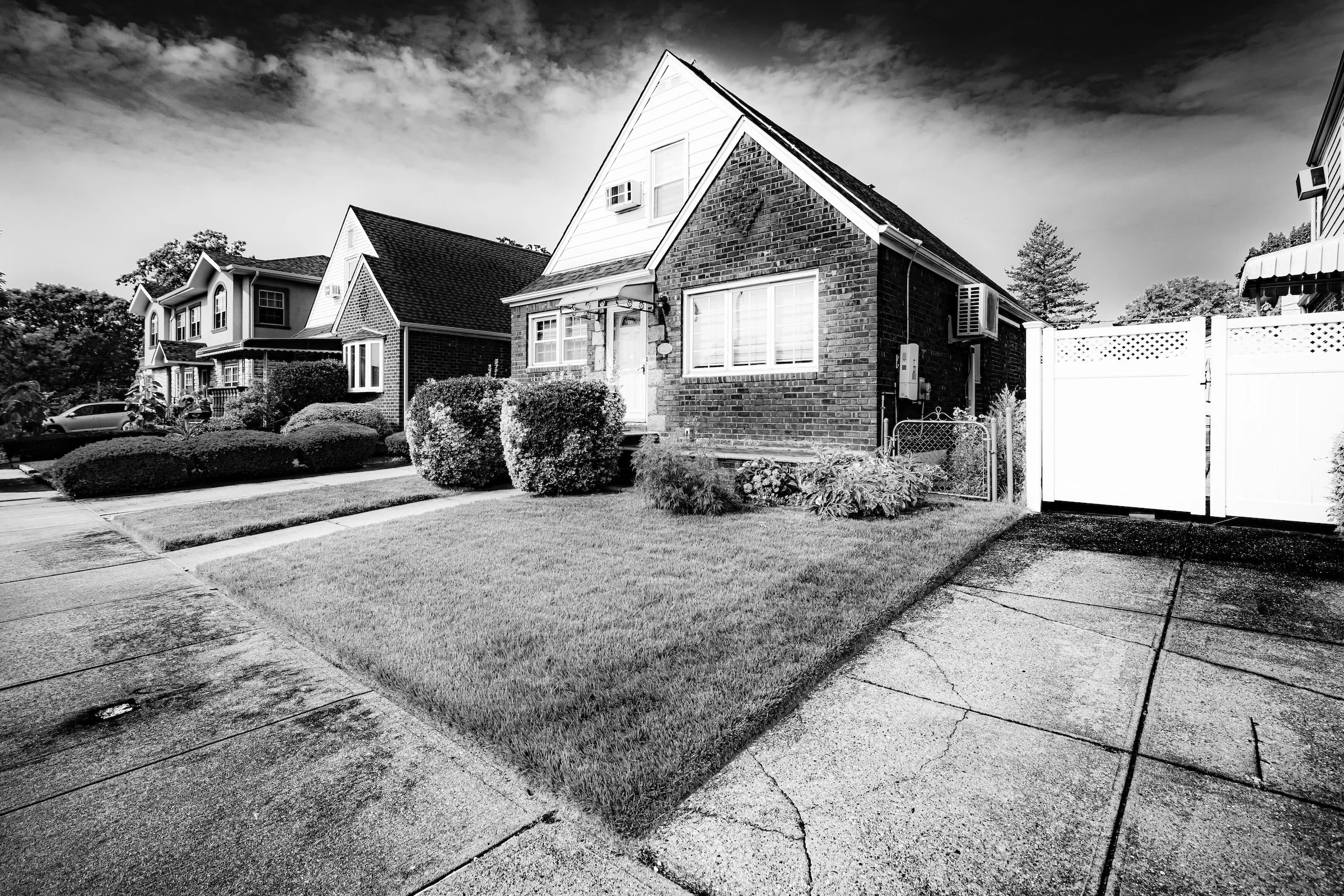
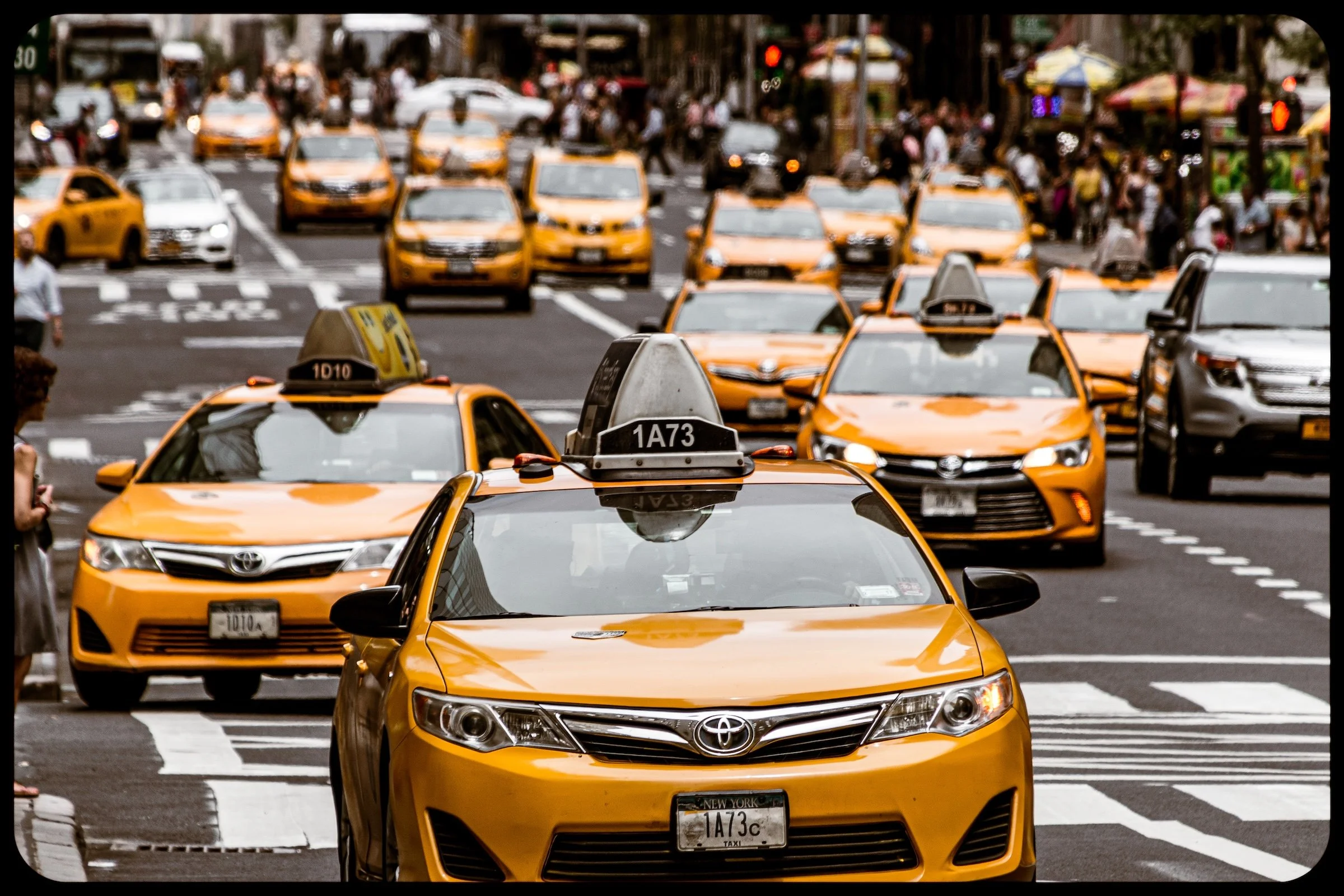
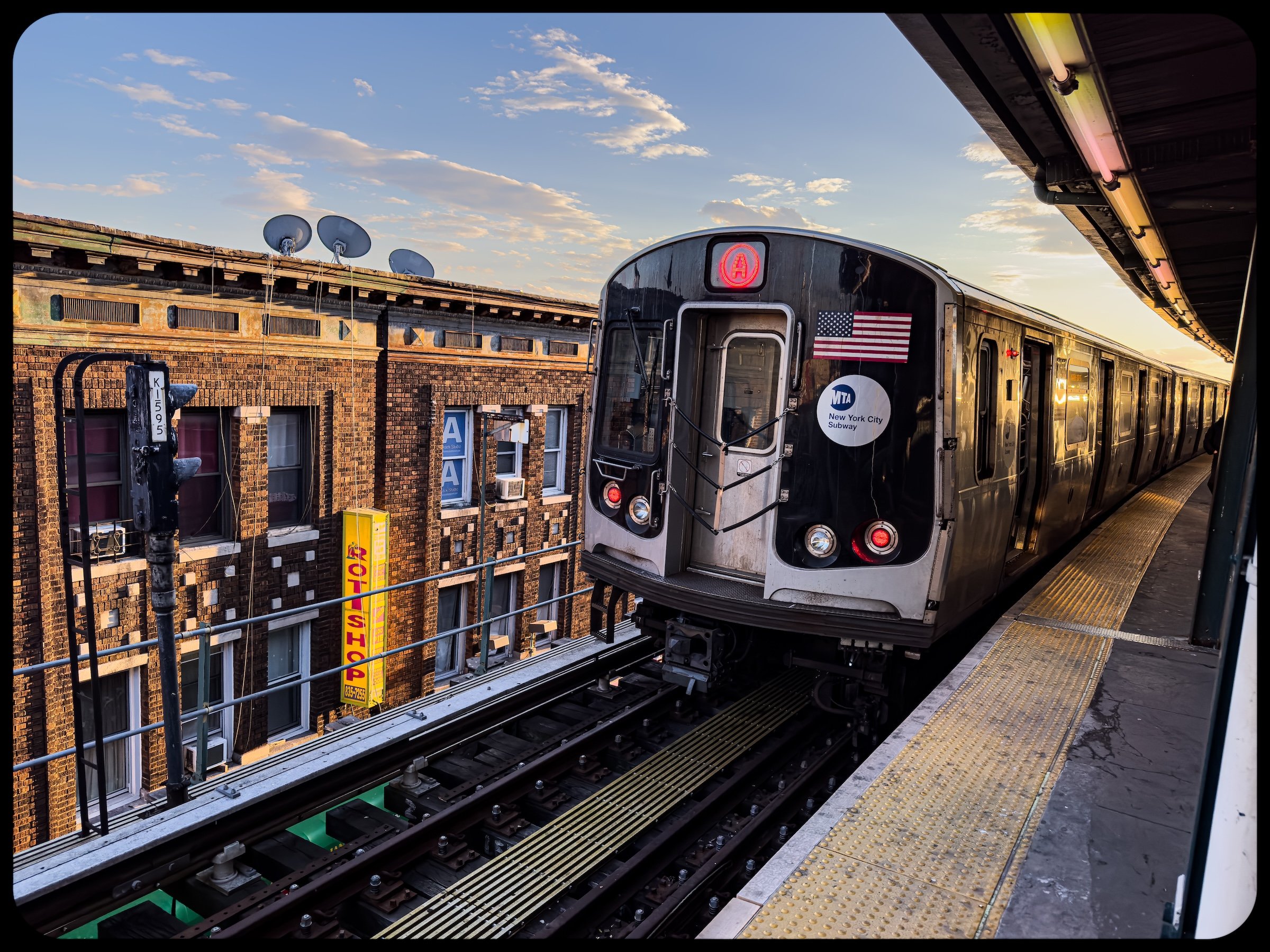
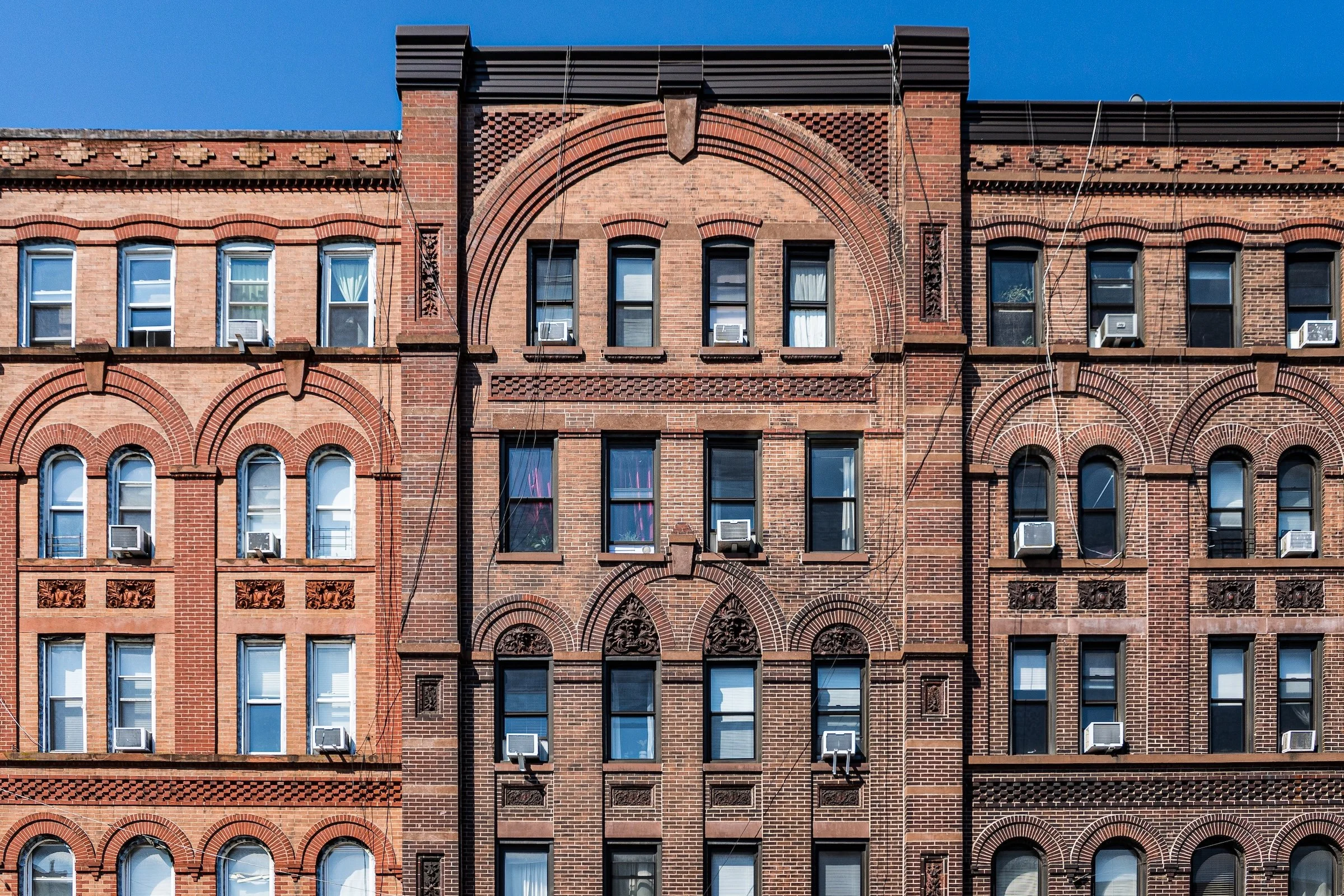
South Richmond Hill - Queens - The A Train
Definition:
Vanishing Points is the practice of composing a photograph around a point of convergence—where parallel lines (tracks, curbs, facades, canals, fences, shadows) appear to meet in the distance. It’s the visual spell that turns a street or corridor into a story with a destination.
Usage:
Use Vanishing Points when you want a frame to feel inevitable—as if the viewer’s eye has no choice but to travel. This approach is especially powerful for:
transit corridors (tracks, platforms, tunnels),
long streets with strong edge-lines (building walls, parked cars, curb seams),
canals, bridges, and waterfronts that naturally pull toward a landmark,
fog, haze, rain, or snow that exaggerates depth through atmospheric layers.
Vanishing Points are a way to make the city feel both larger and more legible: complexity becomes direction.
In Depth:
The city is full of parallel lines pretending they’re not. The moment you notice them—and align yourself so they converge—the photograph starts doing work on its own. The frame becomes a kind of visual physics: the eye wants to follow the rails, the curb, the building edges, the canal walls. It wants to resolve the geometry into a single point, like finishing a sentence.
A few field instincts that make Vanishing Points consistently strong:
Find the strongest pair of rails. It might be literal train tracks, but it can also be two building edges, two rows of windows, two curb lines, or two canal banks.
Choose the “destination” deliberately. Sometimes the destination is a landmark; sometimes it’s light; sometimes it’s simply the unknown—a bend, a tunnel mouth, a haze-thickened distance.
Keep the perspective honest. Small shifts left/right can clean up tangents and make the convergence feel intentional instead of accidental.
Use atmosphere as depth glue. Rain, fog, snow, and haze naturally grade the scene from sharp to soft, making the vanishing point feel farther away than it physically is.
Give the eye a reason to travel. A figure, vehicle, sign, or bright patch of light placed along the path becomes a breadcrumb trail into the distance.
The ten examples below show different “vanishing engines”: rails and tunnels, wet sidewalks and storm haze, canal perspectives, and long Manhattan pulls where the skyline itself becomes the endpoint.
Transit Pull (Tracks, Tunnels, and Engineered Convergence)
These images use infrastructure built for motion—corridors that already “know” where they’re going. The vanishing point feels physical, like something you could step into.
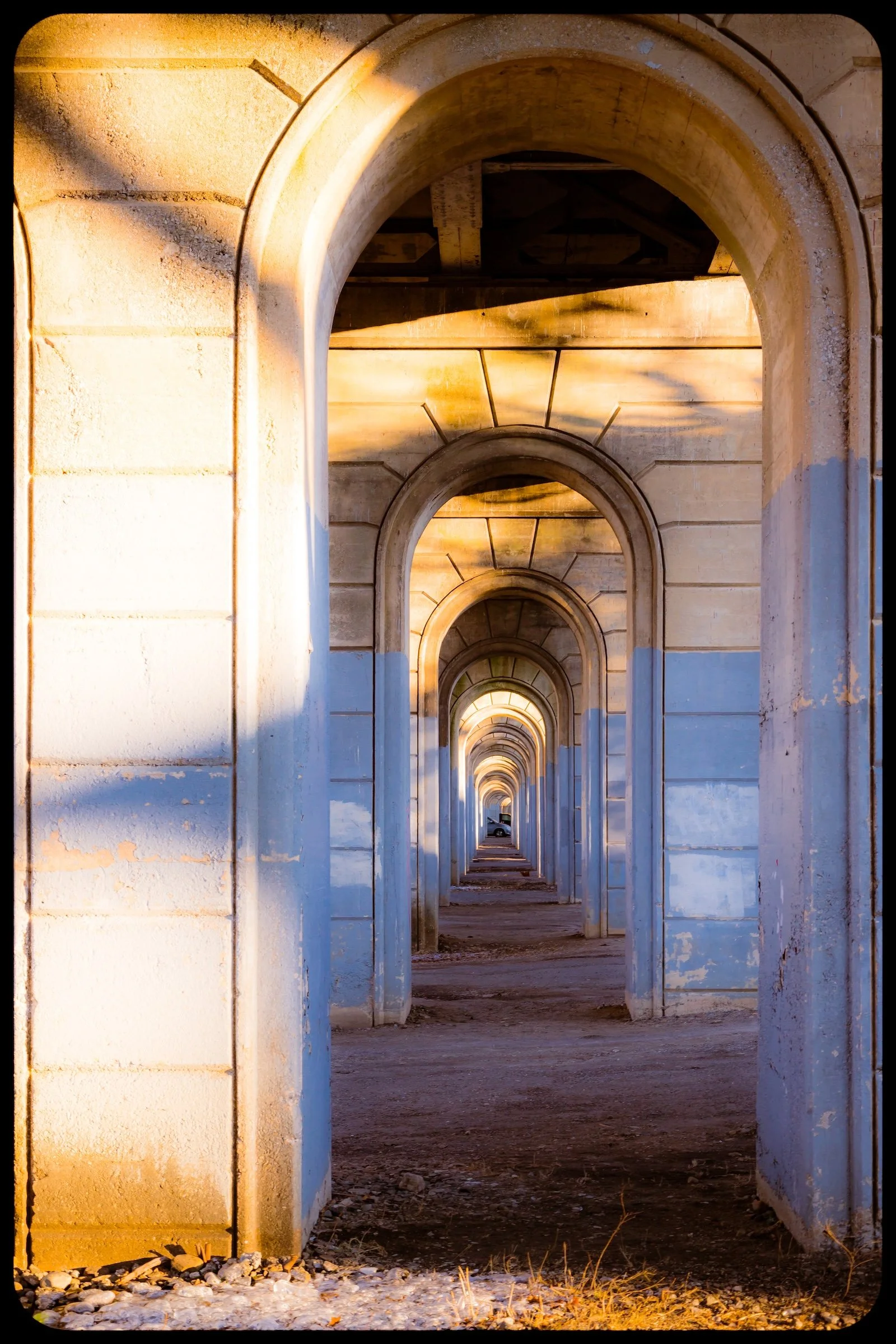
Richmond Hill - Queens - Tunnels
A tunnel compresses the world into one exit point of light. Walls, ceiling, and floor all agree on the destination, turning ordinary passage into cinematic inevitability.
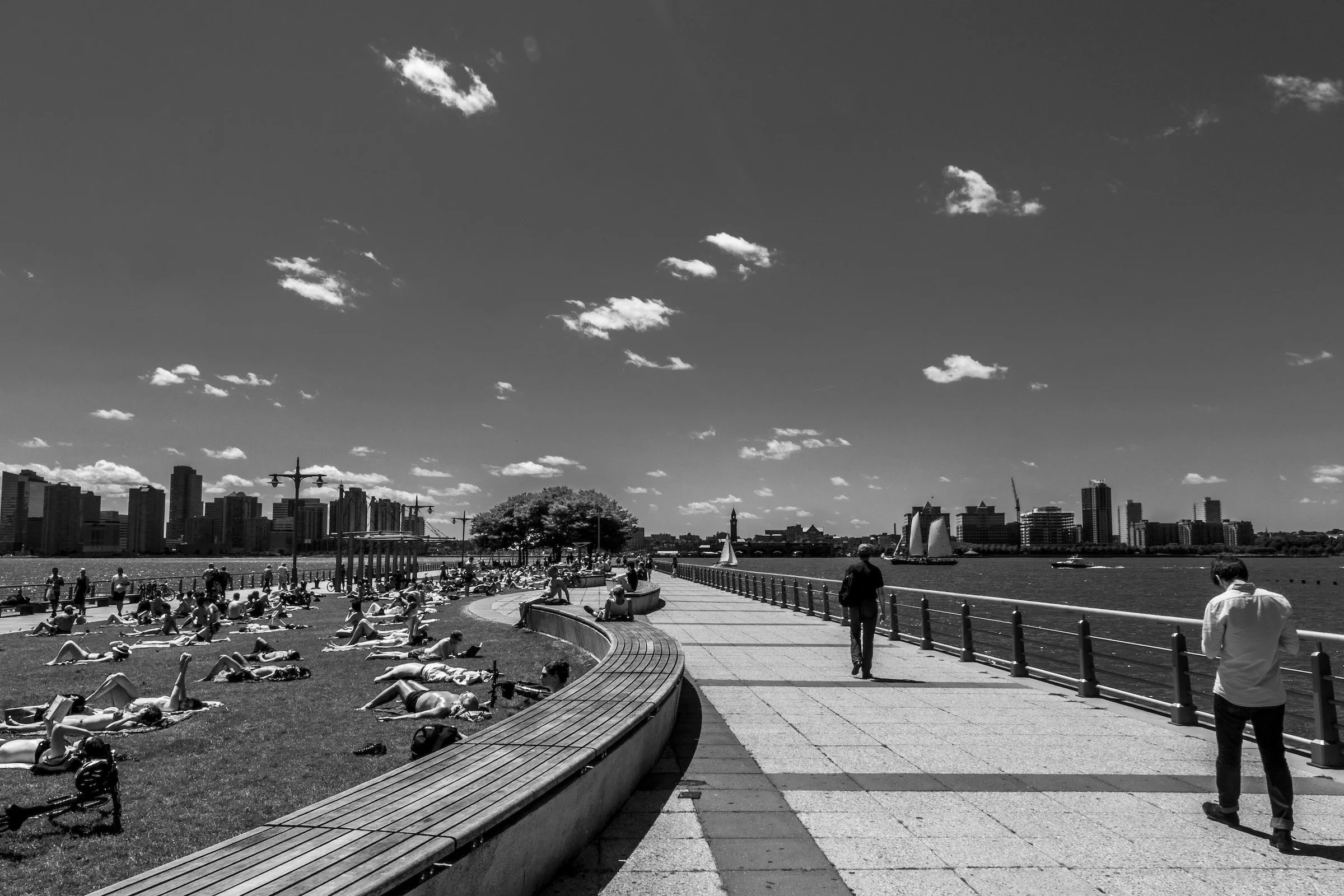
West Village - Manhattan - Pier 45
Piers are natural arrows: planks and rails repeat forward until they dissolve into horizon. The vanishing point here isn’t a building—it’s openness, a corridor that resolves into water and sky.
Weather Depth (Rain, Frost, and Haze as Perspective Glue)
These images show how atmosphere strengthens convergence. Weather doesn’t just add mood—it grades the scene from sharp to soft, making the distance feel deeper than it is.
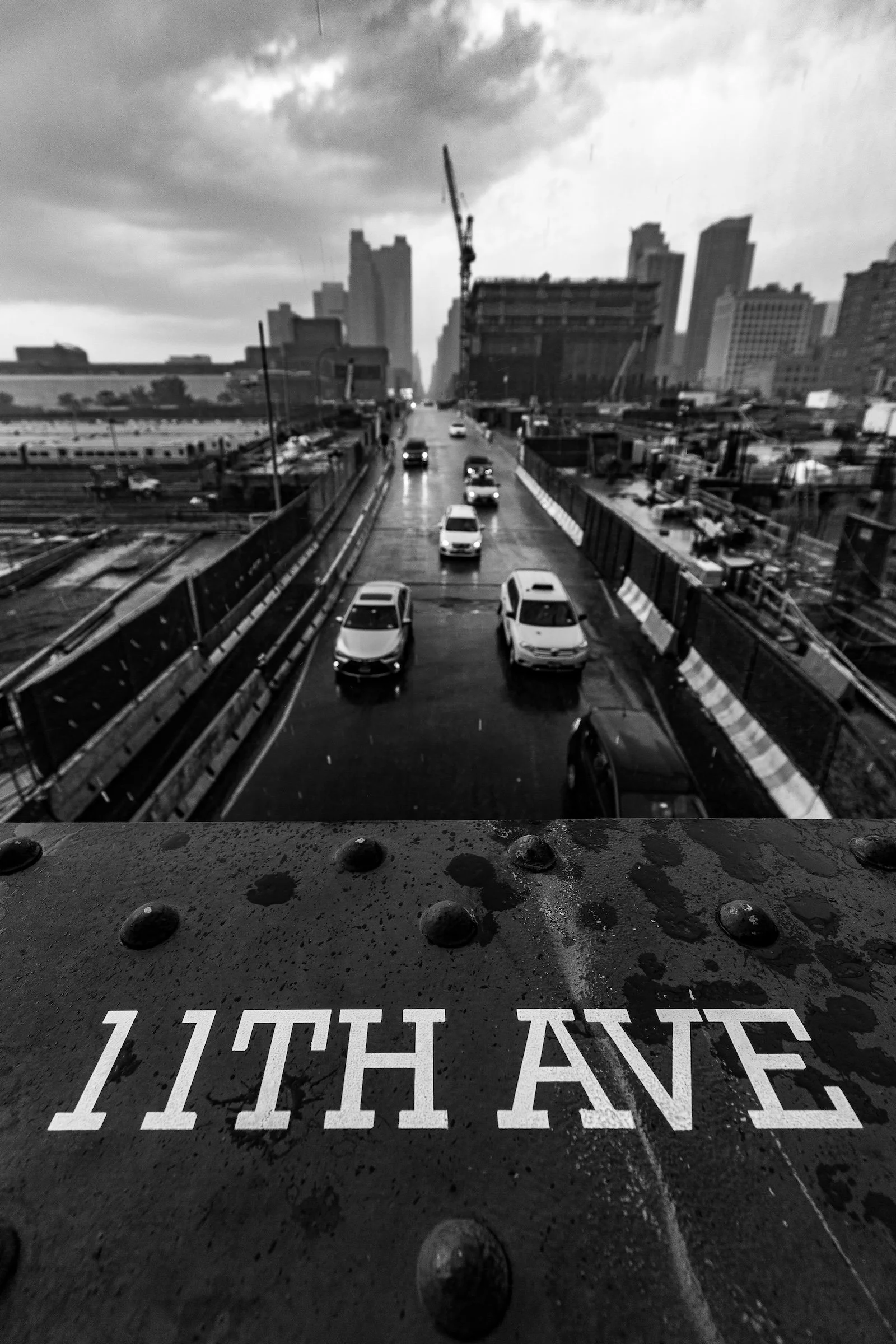
Hudson Yards - Manhattan - 11th Avenue Rain Storm
Rain turns the avenue into a corridor of reflections and softened edges. The vanishing point becomes a brightening horizon—your eye moves forward as if the street itself is flowing into weather.
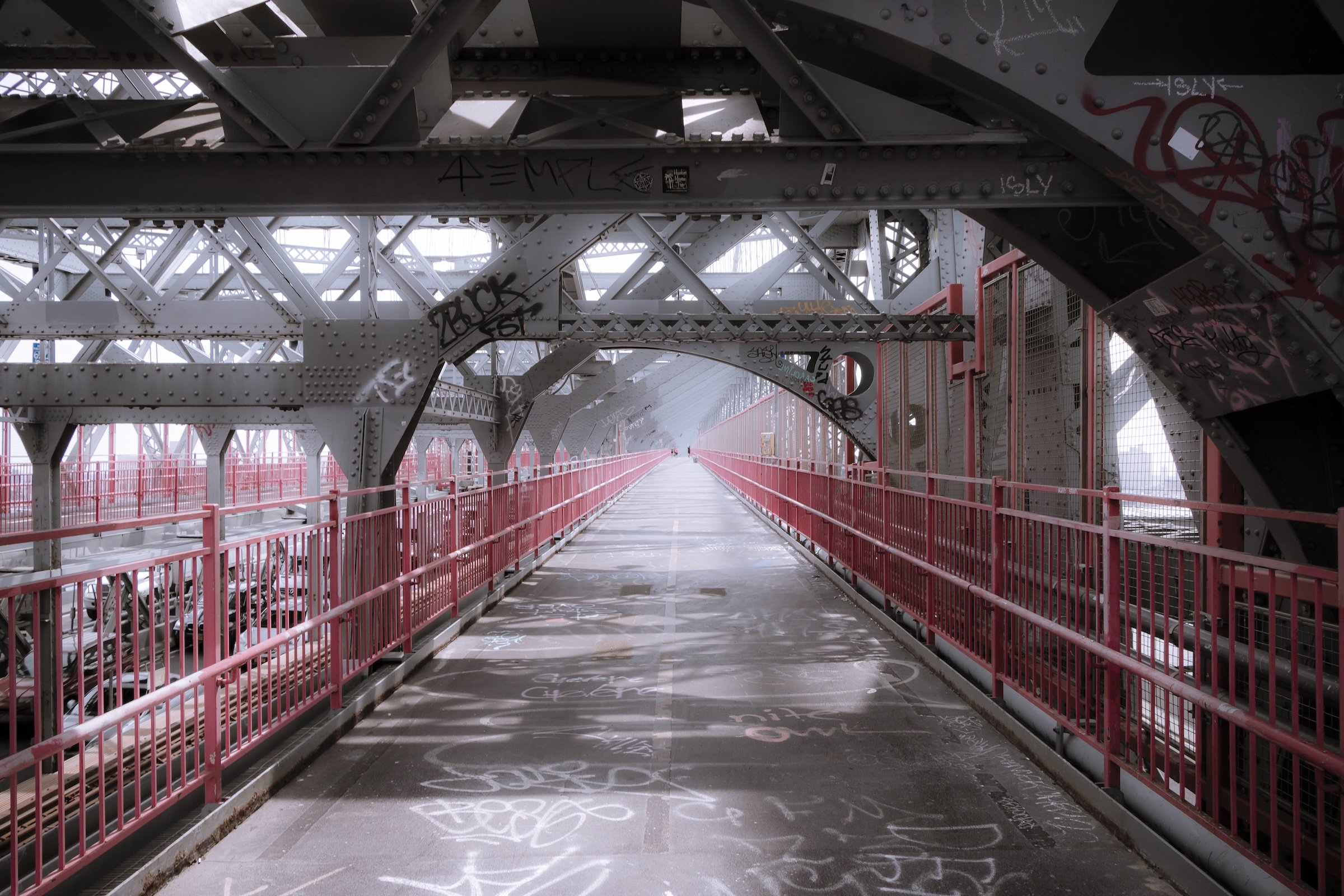
Lower East Side - Manhattan - Williamsburg Haze
Haze makes the far end feel half-imagined. Convergence lines may be subtle, but the atmosphere creates depth by dissolving detail—space becomes a gradient that pulls you forward.
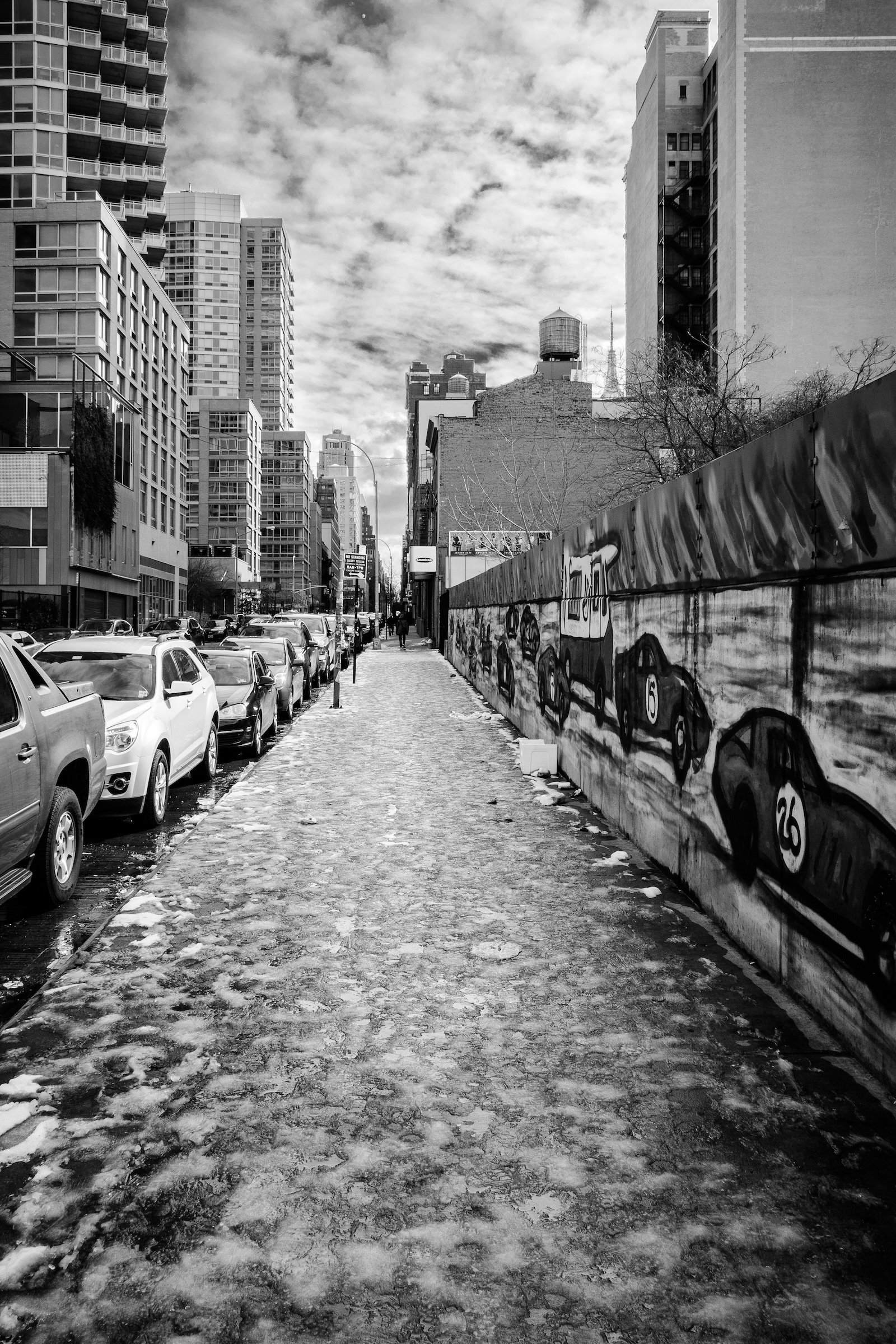
Hudson Yards - Manhattan - Frosted Sidewalk
A quieter pull: the sidewalk edge becomes the guiding rail, and the frosted texture fades with distance. The vanishing point feels deliberate and paced—more pilgrimage than rush.
Manhattan Corridors (Street Arteries and Skyline Endpoints)
These examples use the city grid as a channel—streets that narrow, architecture that stacks, and distant towers that behave like magnets.
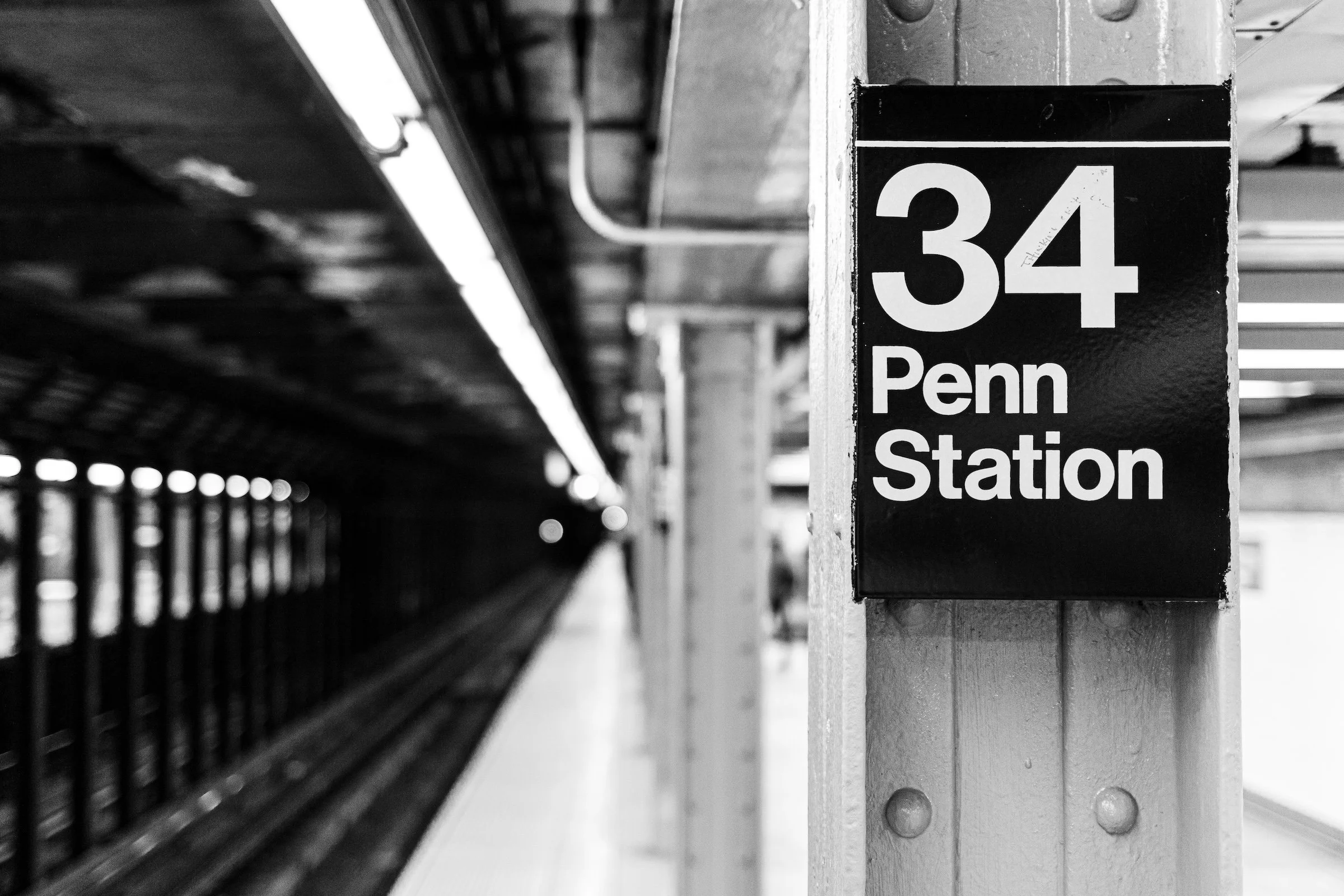
Penn District - Manhattan - 34 Penn
A workday corridor built from lane lines, facades, and forward pressure. The scene resolves toward a bright center, giving the street a sense of purpose and propulsion.
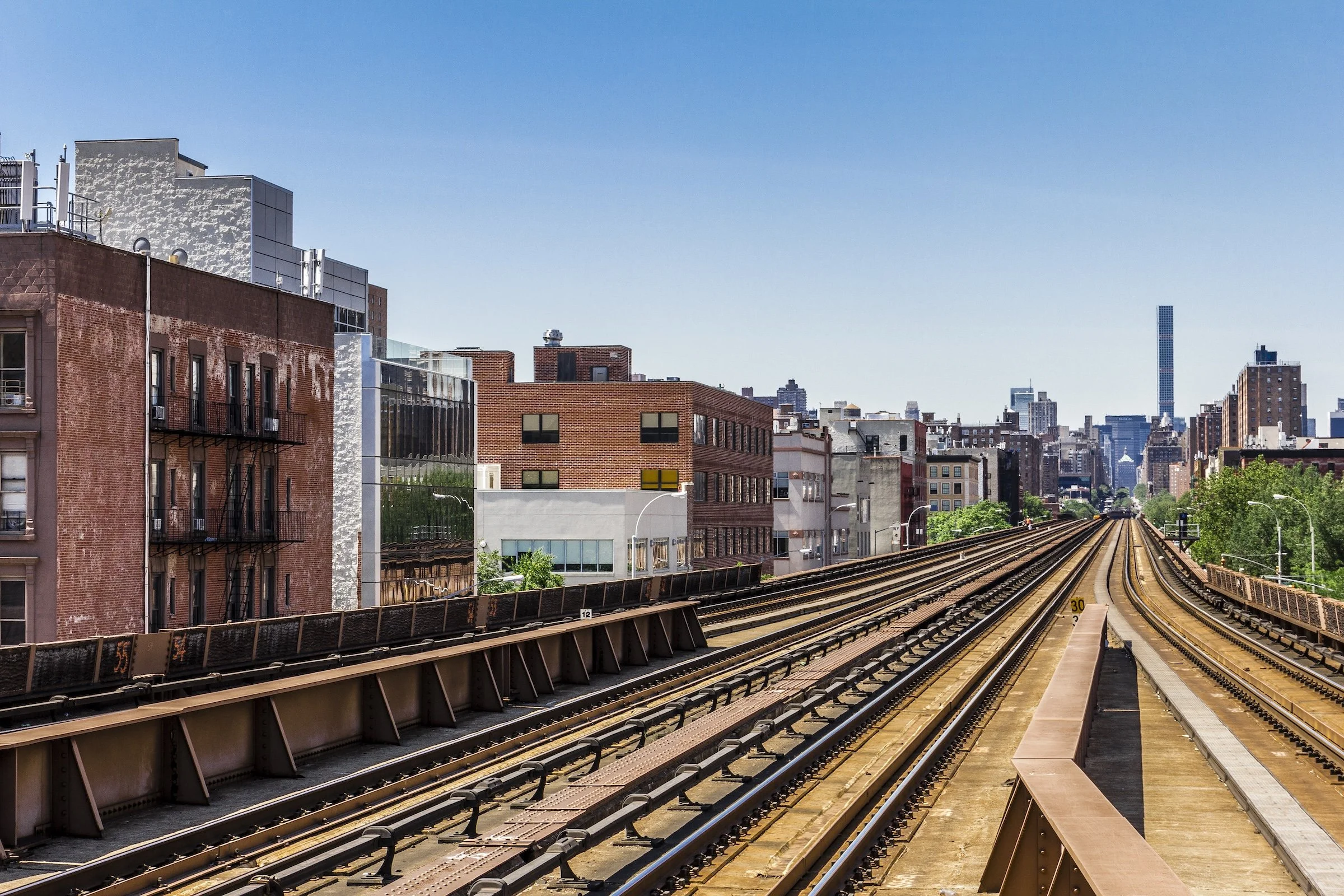
Spanish Harlem (El Barrio) - Manhattan - Midtown From Harlem
The destination is the skyline. Street lines guide the eye toward Midtown, making the far-off towers feel like a gravitational endpoint—convergence as narrative (“toward the city within the city”).
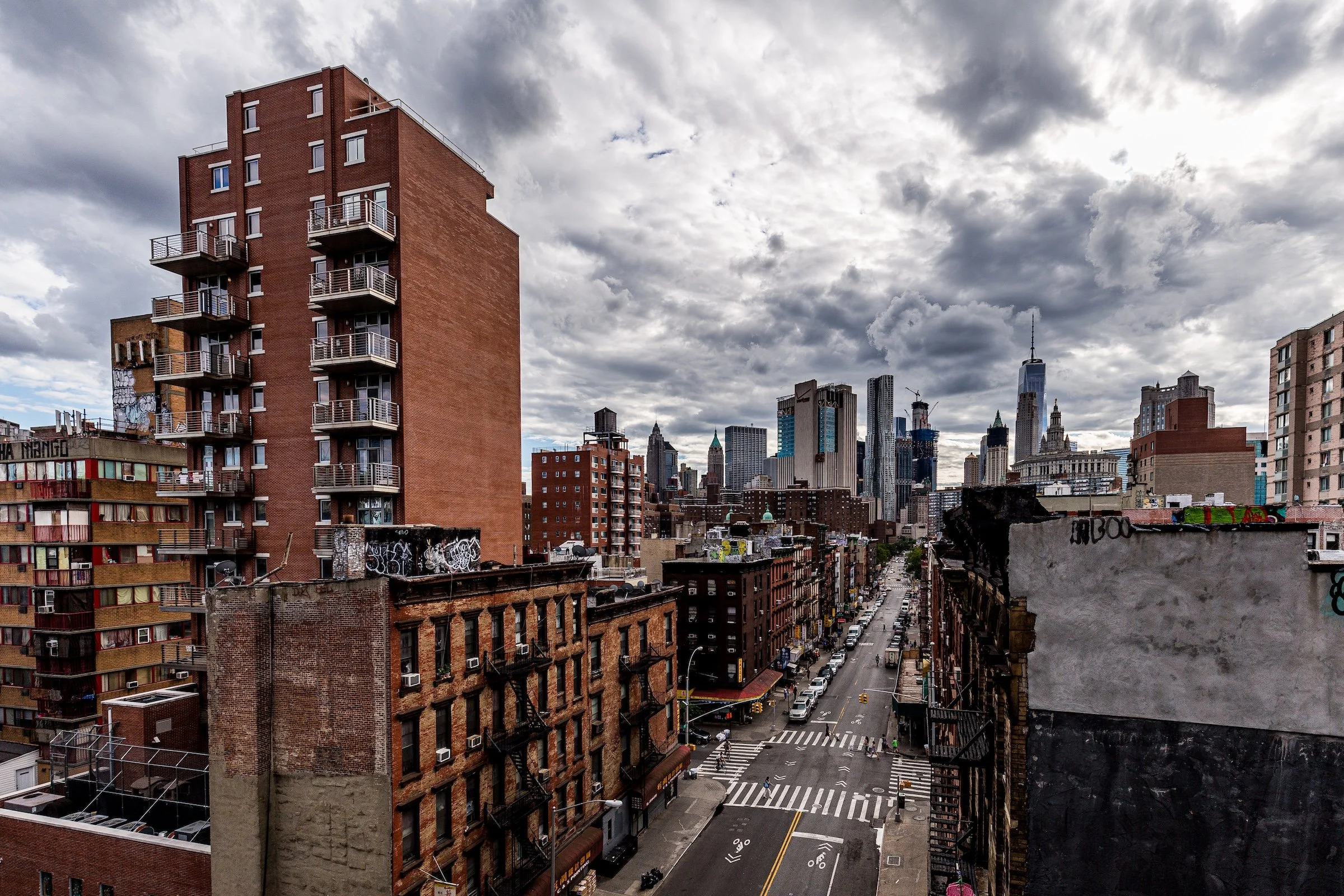
Two Bridges - Manhattan - Madison Street
A classic Lower Manhattan channel: architecture stacks, the street narrows, and the convergence feels carved through dense blocks. The strength here is layered depth—near, middle, far—kept coherent by the vanishing pull.
Waterway Convergence (Canals and Bends)
Waterways are built-in vanishing-point machines: parallel banks, repeating facades, and a corridor that often terminates in a landmark—or a curve that holds mystery.
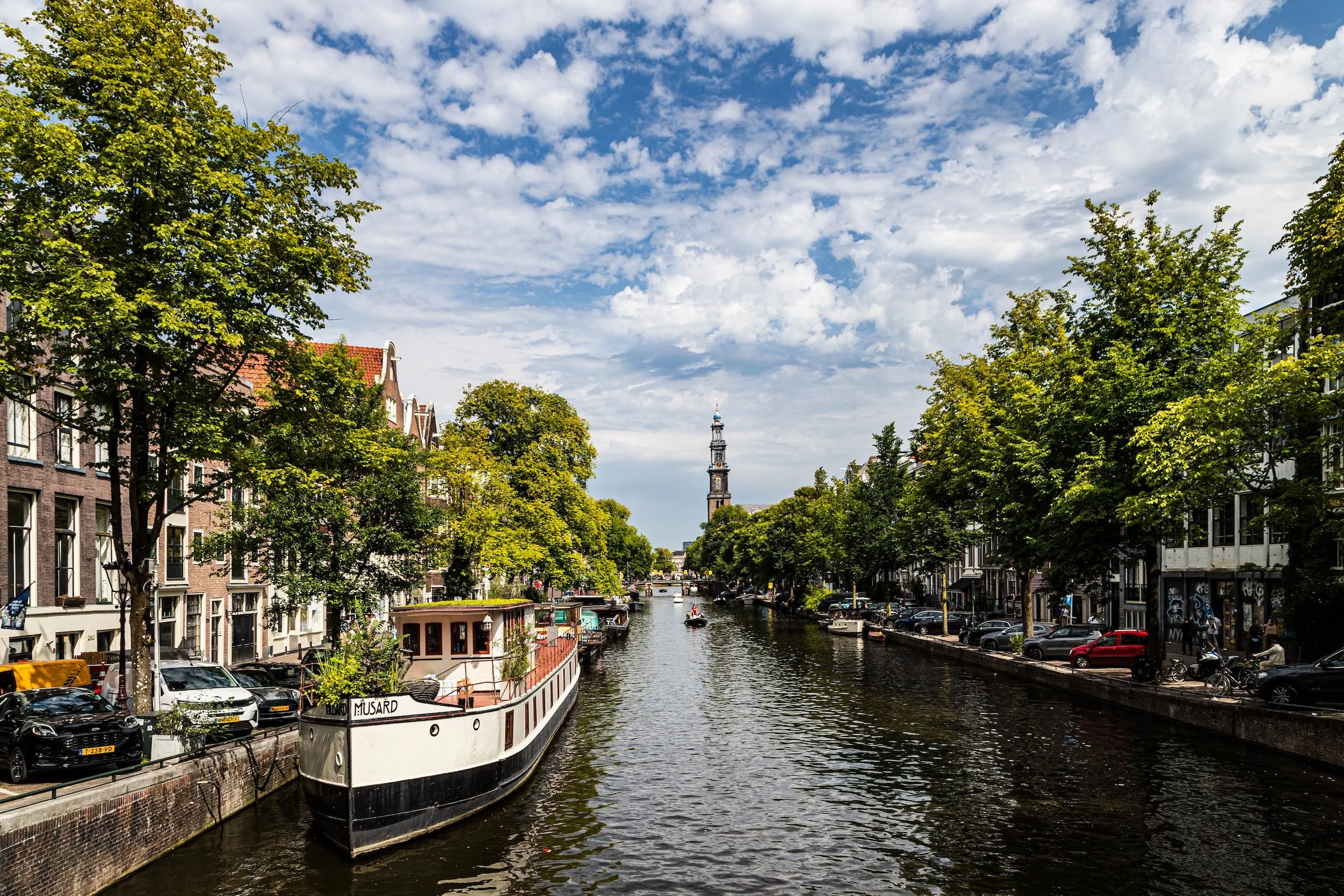
Canal District - Amsterdam - Western Church From Bears Bridge
A textbook canal destination: canal edges and building lines guide the eye directly to the church. The landmark functions like a perfect anchor, giving the convergence both geometry and meaning.
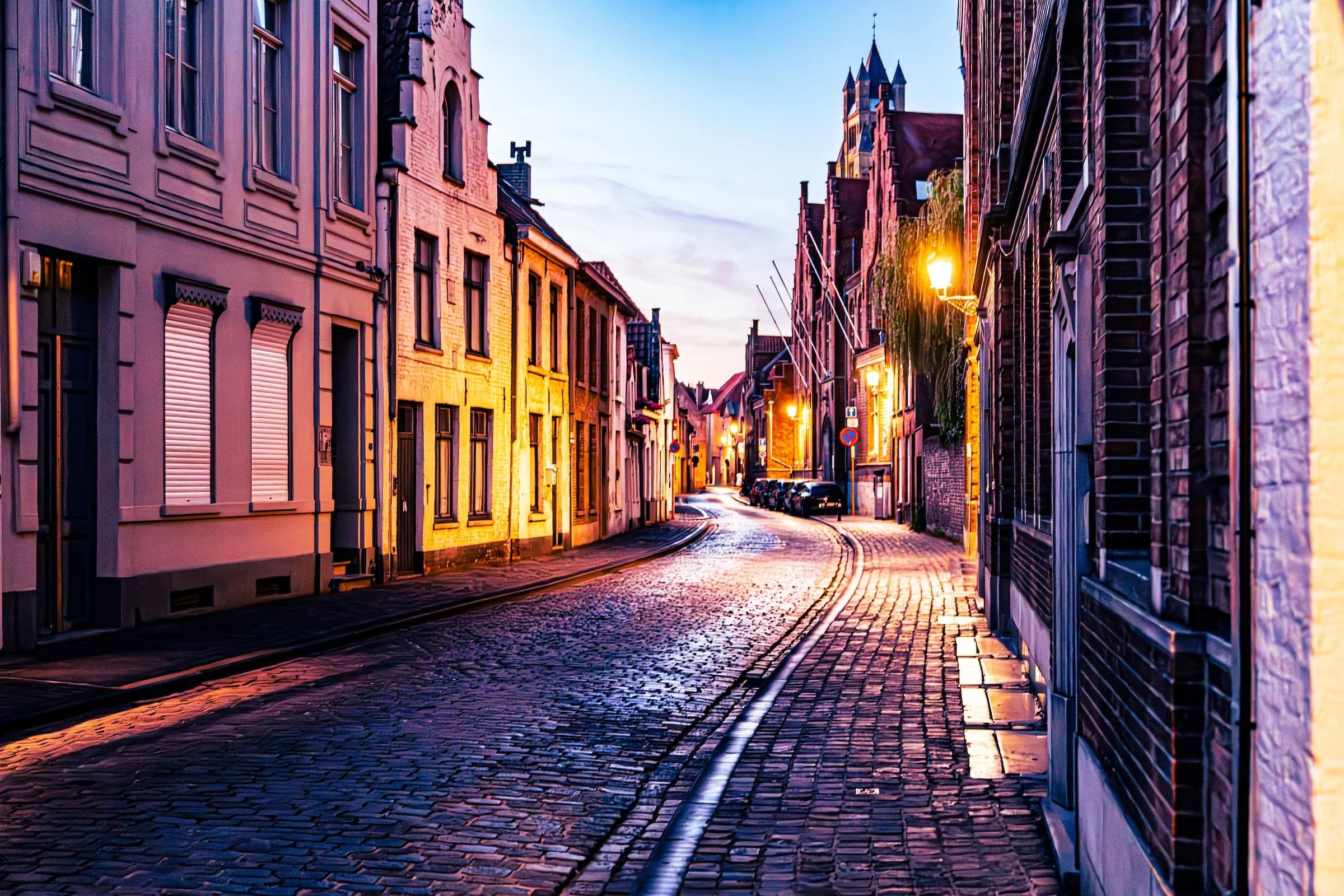
Sint Jans Quarter - Brugge - Oostmeers Bend
A bend is a vanishing point with suspense. The lines converge toward a turn you can’t fully see beyond, so the destination becomes a promise—space pulling you into what’s next.
Explore Further