
PROSPECT-LEFFERTS GARDENS
Brooklyn
Geographic Setting
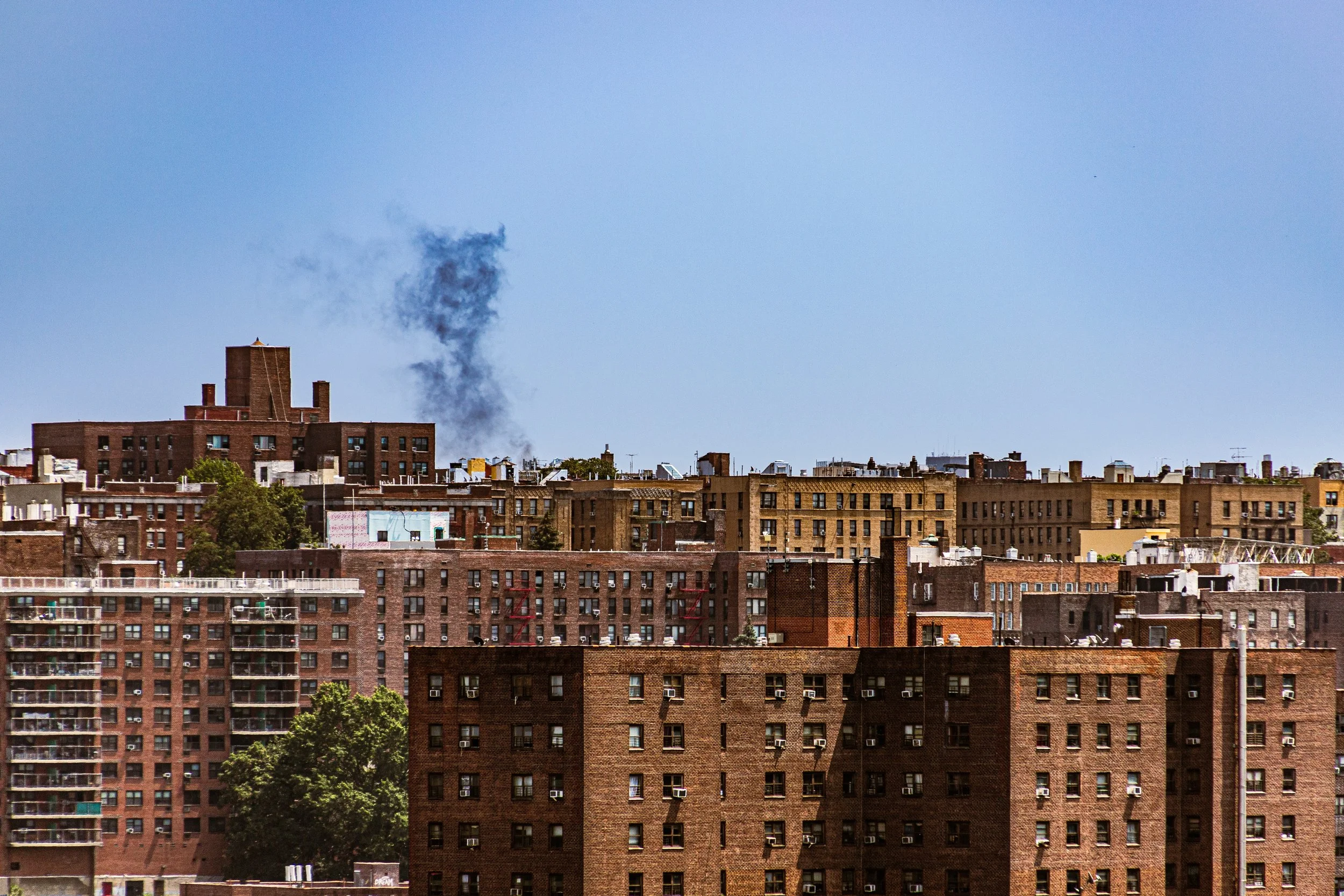
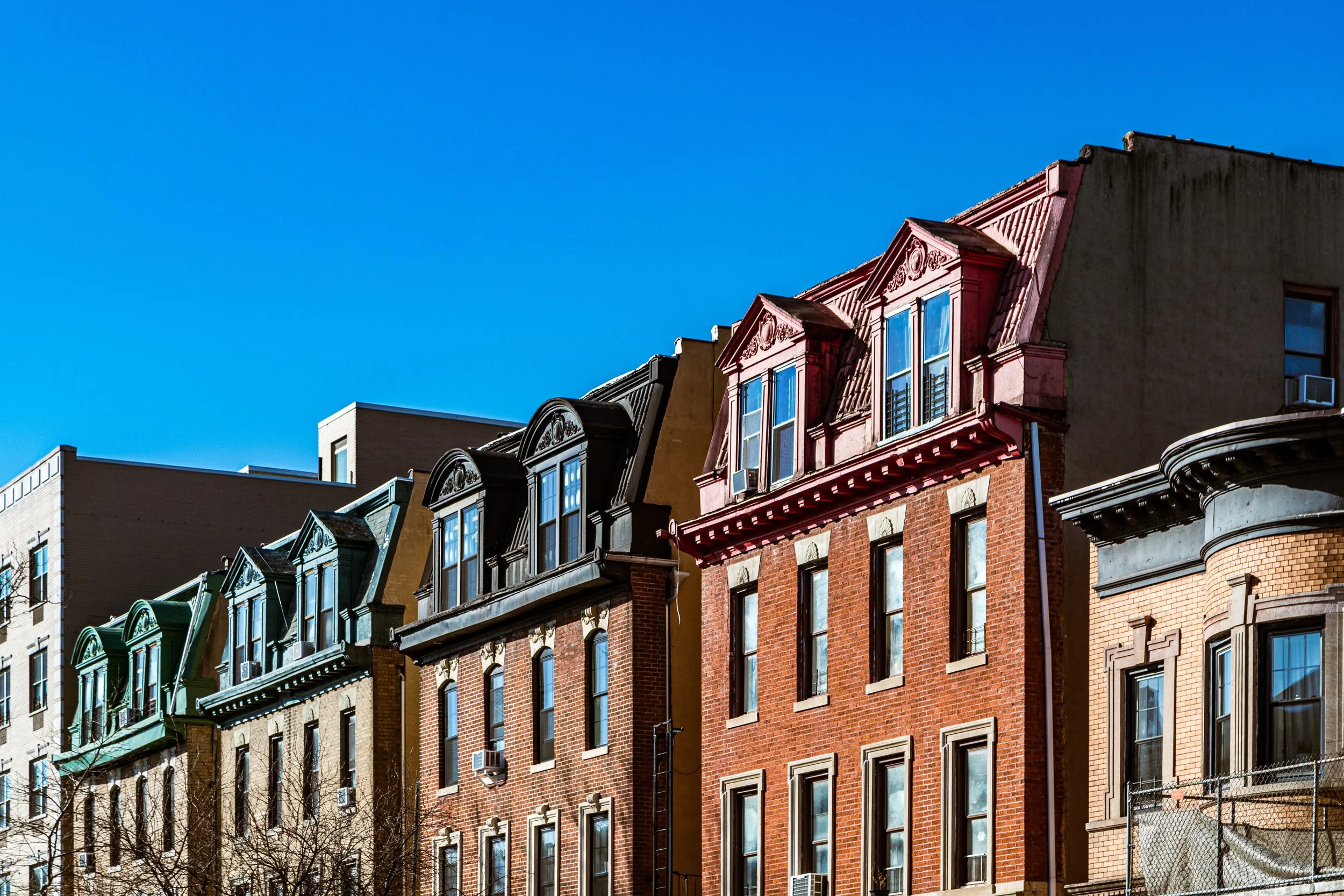
Bounded by Ocean Avenue to the west, New York Avenue to the east, Clarkson Avenue to the south, and Empire Boulevard to the north, Prospect–Lefferts Gardens occupies a proud position on the eastern edge of Prospect Park—a neighborhood where the pastoral legacy of Brooklyn’s 19th-century estates meets the civic and cultural vitality of the 20th century. Its streets, laid in a gentle grid beneath the shadow of the park’s great trees, display a remarkable architectural harmony: limestone, brick, and brownstone rowhouses in Renaissance Revival, Neo-Federal, and Tudor Revival styles that rank among the most beautiful in the borough.
The western boundary along Ocean Avenue faces the green expanse of Prospect Park’s East Drive, while Flatbush Avenue bisects the district north–south as its commercial spine—lined with shops, bakeries, and restaurants reflecting a world of cultures. To the east, New York Avenue marks the transition into Crown Heights South; to the south, Clarkson Avenue borders the Kings County medical corridor. Subway stations at Prospect Park, Winthrop Street, and Sterling Street make the neighborhood an accessible yet tranquil enclave, often described as the “leafy heart” of central Brooklyn.
Etymology and Origins
The name Prospect–Lefferts Gardens pays homage to both geography and heritage. “Prospect” honors its adjacency to Prospect Park, while “Lefferts” recalls the Lefferts family, one of the area’s earliest Dutch settlers. The “Gardens” suffix—adopted formally by civic leaders in the 1960s—reflects both the neighborhood’s tree-lined grace and its planned residential character.
In the 17th century, this land formed part of the Lefferts family’s Flatbush estate, a vast tract stretching from what is now Prospect Park to Kings Highway. The Lefferts were among the most prominent of Brooklyn’s Dutch landowners, and their farmhouse—Lefferts Historic House, built circa 1783—still stands within Prospect Park as a tangible reminder of this early agricultural past. For nearly two centuries, the Lefferts and their descendants farmed the area’s fertile soil, raising crops and livestock on lands that remained rural even as Brooklyn grew into a city.
The Neighborhood
19th Century: From Farmland to Streetcar Suburb
Urbanization began in earnest after the 1860s, following the opening of Prospect Park and the extension of streetcar lines down Flatbush Avenue. The farmland east of the park quickly drew developers eager to create a new “residential park district” for the city’s growing middle class. The Lefferts family, recognizing the inevitability of urban expansion, subdivided and sold large portions of their holdings in the 1890s for planned development.
By the early 20th century, the transformation was well underway. The Lefferts Manor Company, founded in 1893, imposed restrictive covenants designed to ensure architectural quality and exclusivity—stipulating that all homes must be detached or semi-detached, of stone or brick construction, and at least two stories high. These covenants shaped the architectural continuity that defines the core of the neighborhood today, particularly within the Lefferts Manor Historic District, a landmarked zone roughly between Flatbush and Rogers Avenues, Fenimore Street, and Maple Street.
The result was a harmonious ensemble of limestone rowhouses, Neo-Renaissance mansions, and Tudor-style homes, often adorned with ornate cornices, stained glass, and carved doorways. Developers such as Dean Alvord and Peter J. Collins marketed the area as “the Park Slope of the East,” offering urban convenience in a pastoral setting.
Early–Mid 20th Century: Stability and Transformation
Through the 1910s–1930s, Prospect–Lefferts Gardens matured into a thriving middle-class enclave, populated largely by Jewish, Irish, and Italian families, many of whom worked in education, civil service, or business. Flatbush Avenue bustled with theaters, delicatessens, and department stores, while Rogers and Nostrand Avenues supported local commerce and transit.
The neighborhood’s institutions reflected its cultural vitality: Temple Beth Emeth, founded in 1911; St. Francis of Assisi Roman Catholic Church (1914); and the Prospect Lefferts Garden Neighborhood Association, an early civic organization devoted to beautification and preservation. The Erasmus Hall High School complex, just south of the boundary, educated generations of Brooklyn students and symbolized the area’s intellectual ambitions.
During the postwar years, the neighborhood underwent gradual demographic change. As restrictive housing covenants fell and urban migration patterns shifted, a wave of Caribbean and African American families—many from the British West Indies—began settling in the district during the 1950s–1970s. They brought new traditions, foods, and faiths, transforming the cultural landscape while maintaining the neighborhood’s civic and residential integrity.
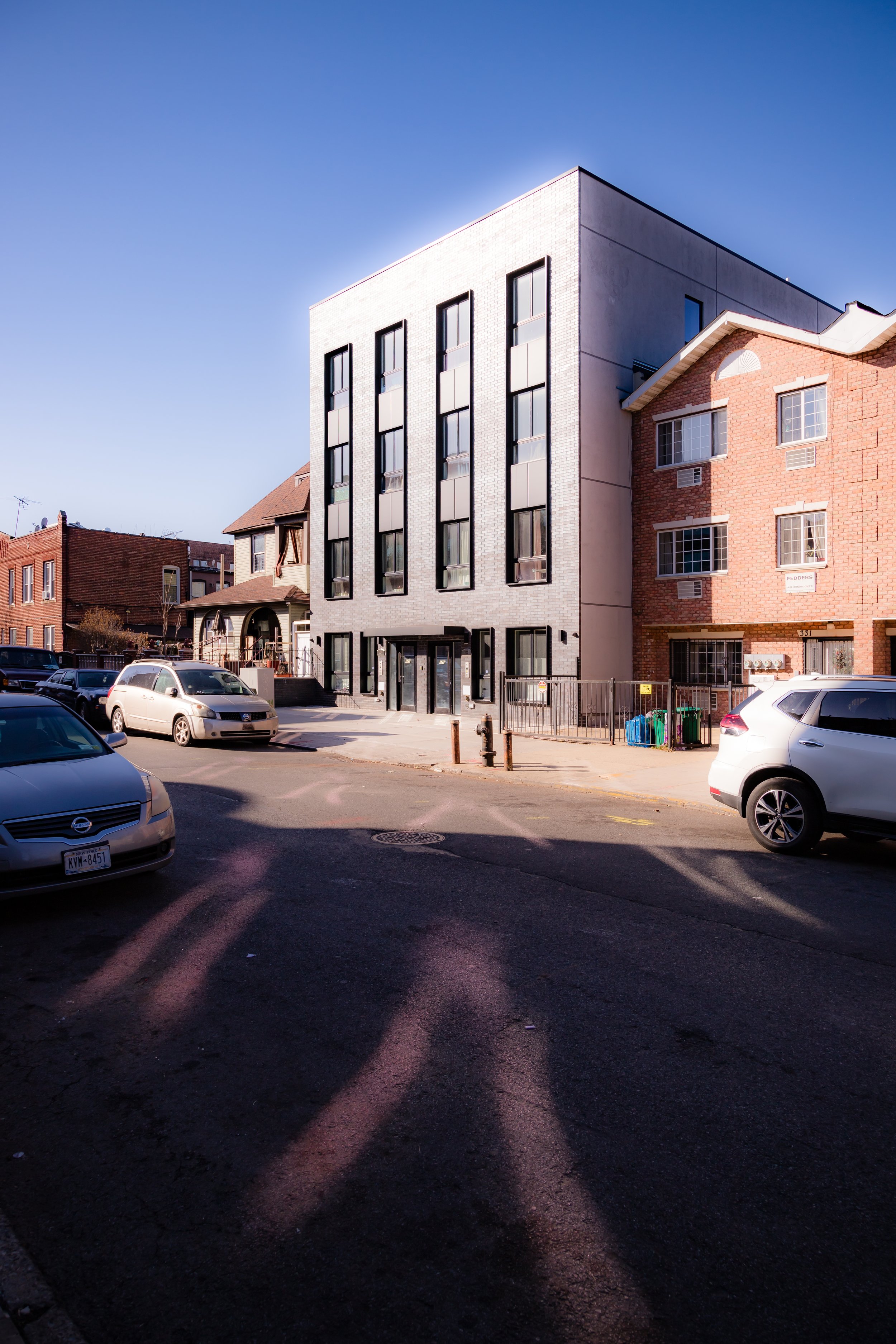
Prospect-Lefferts Gardens Photographic Video
Late 20th Century: Community Activism and Preservation
The mid- to late 20th century was a period of both challenge and renewal. Like much of central Brooklyn, Prospect–Lefferts Gardens experienced economic strain and property disinvestment during the 1970s, but its residents—old and new—organized to preserve the neighborhood’s quality of life. The Lefferts Manor Association, founded in 1919, reasserted its protective covenants and championed block-by-block restoration. Meanwhile, local activists formed the Prospect Lefferts Gardens Neighborhood Association (PLGNA), dedicated to historic preservation, tenant rights, and cross-cultural dialogue.
These efforts succeeded. By the 1980s, the area’s historic housing stock began to draw renewed attention from preservationists and homebuyers alike. In 1979, the Lefferts Manor Historic District was designated by the New York City Landmarks Preservation Commission, securing the architectural legacy of the neighborhood’s core. Civic pride—embodied in events such as the annual Lefferts Manor House Tour—became a defining feature of community identity.
21st Century: Diversity, Change, and Enduring Character
In the 21st century, Prospect–Lefferts Gardens has entered a new phase of revival and redefinition. Its location—steps from Prospect Park, minutes from Downtown Brooklyn, and connected by multiple subway lines—has made it a magnet for professionals, artists, and families seeking the charm of brownstone Brooklyn at a gentler scale. The result has been both rejuvenation and tension, as rising property values and new development test the balance between affordability and preservation.
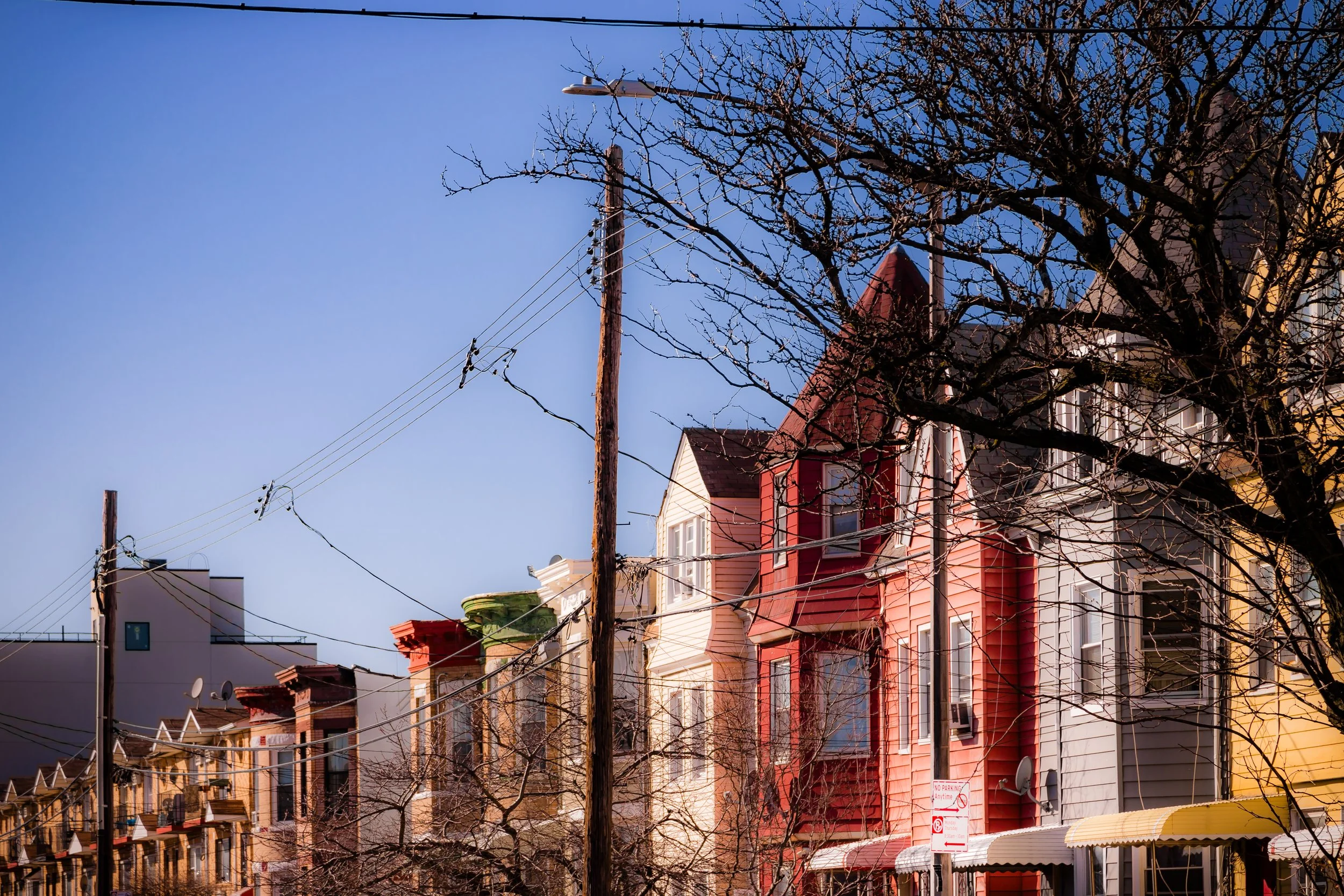
Yet the neighborhood’s essential character endures: a blend of cultural richness, architectural harmony, and civic engagement. The population remains one of the most diverse in Brooklyn, encompassing Caribbean, African American, Jewish, South Asian, and new immigrant communities. Flatbush Avenue hums with bakeries, patty shops, and roti cafés, while Rogers Avenue has emerged as a corridor of cafés, galleries, and restaurants that reflect the district’s modern multicultural identity.
The Prospect–Lefferts Gardens Historic District, designated in 2015, expanded protection to additional blocks east of Flatbush Avenue, ensuring that the area’s signature limestone façades and leafy canopies remain integral to its future. The neighborhood continues to balance progress with preservation—its residents deeply aware that their streets hold one of Brooklyn’s finest surviving visions of planned early 20th-century urbanism.
Prospect-Lefferts Gardens Photo Gallery
Spirit and Legacy
The spirit of Prospect–Lefferts Gardens lies in its continuity through diversity—a neighborhood where history and change coexist in enduring dialogue. From the Dutch farmlands of the Lefferts family to the West Indian homes along Sterling Street, from early 20th-century builders’ ideals to 21st-century restorations, it has remained a community grounded in craftsmanship, pride, and shared purpose.
New York City
Use this custom Google map to explore where every neighborhood in all five boroughs of New York City is located.
The Five Boroughs
One of New York City’s unique qualities is its organization in to 5 boroughs: Manhattan, Brooklyn, Queens, The Bronx, and Staten Island. These boroughs are part pragmatic administrative districts, and part vestiges of the region’s past. Each borough is an entire county in New York State - in fact, Brooklyn is, officially, Kings County, while Staten Island is, officially Richmond County. But that’s not the whole story …
Initially, New York City was located on the southern tip of Manhattan (now the Financial District) that was once the Dutch colony of New Amsterdam. Across the East River, another city was rising: Brooklyn. In time, the city planners realized that unification between the rapidly rising cities would create commercial and industrial opportunities - through streamlined administration of the region.
So powerful was the pull of unification between New York and Brooklyn that three more counties were pulled into the unification: The Bronx, Queens, and Staten Island. And on January 1, 1898, the City of New York unified two cities and three counties into one Greater City of New York - containing the five boroughs we know today.
But because each borough developed differently and distinctly until unification, their neighborhoods likewise uniquely developed. Today, there are nearly 390 neighborhoods, each with their own histories, cultures, cuisines, and personalities - and each with residents who are fiercely proud of their corner of The Big Apple.