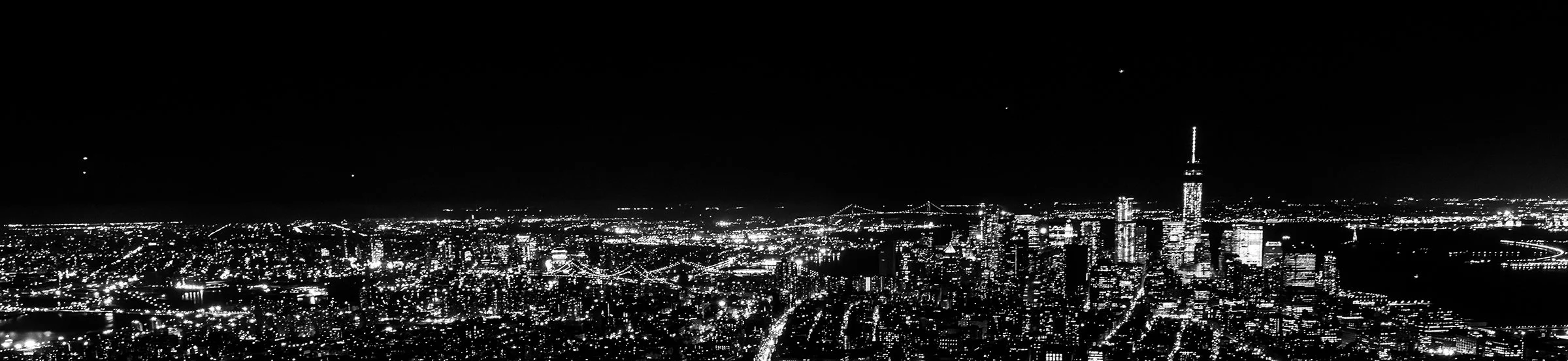

Forest Park - Queens - Spiritual Energy
Definition:
A storytelling approach where nature (trees, water, sky, dunes, branches, wildlife) becomes the theatrical set—and the subject appears as a performer within it. The frame reads like a stage: foreground “curtains,” mid-ground “floor,” background “backdrop.”
Usage:
Use Nature As Stage to make urban nature feel mythic: birds against skyline blur, a moon suspended over a single flight path, a bridge framed by branches, or a ritual-like still life at the base of a tree.
In Depth:
Urban parks are not wilderness—they’re crafted ecosystems living beside infrastructure. That’s why Nature As Stage works so well in NYC: the natural world becomes a scene, and the city becomes the unseen audience.
The best frames usually include:
A proscenium (branches, trunks, dunes, reeds) that frames the action,
A clear subject (bird, person, object, moon),
A layered backdrop (sky, water, distant architecture, or deep forest shadow).
Field habits that help:
Let branches behave like curtains: use them to partially obscure and reveal.
Don’t fear distance. Small subjects often feel more poetic—nature holding a quiet stage for a tiny actor.
Watch light like theater lighting: spotlit patches on forest floor, dusk gradients, rim light on wings.
Below are ten examples where parks and shorelines become stages—and the city’s wildlife (and symbols) become performers.
Birds at Home on the Urban Set:
Birds framed as characters in a larger place-story.
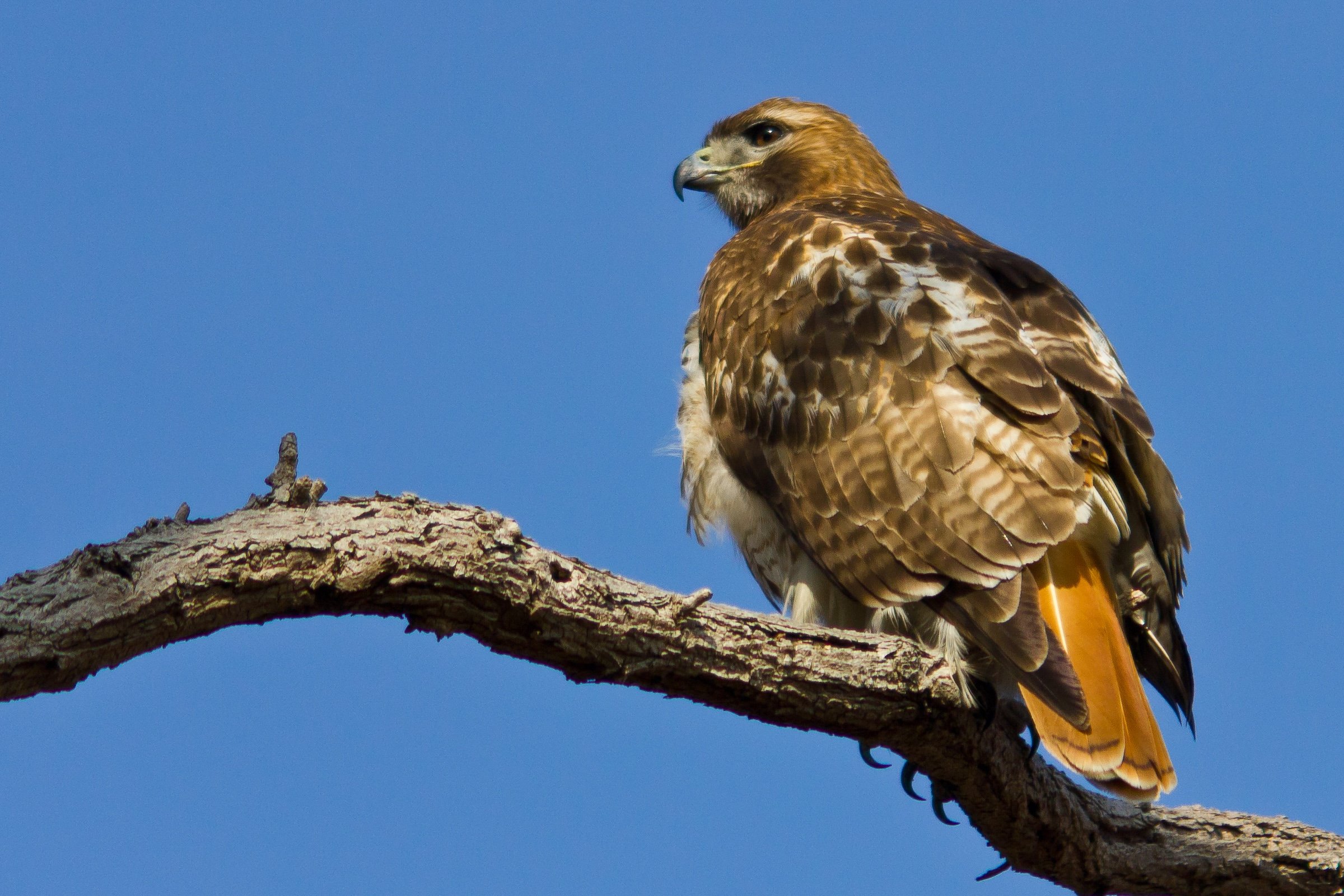
Alley Pond Park - Queens - Red-Tailed Hawk
A classic raptor portrait becomes a stage moment when the branch is treated like a perch-on-spotlight. The clean sky is the backdrop; the hawk is the actor holding stillness.
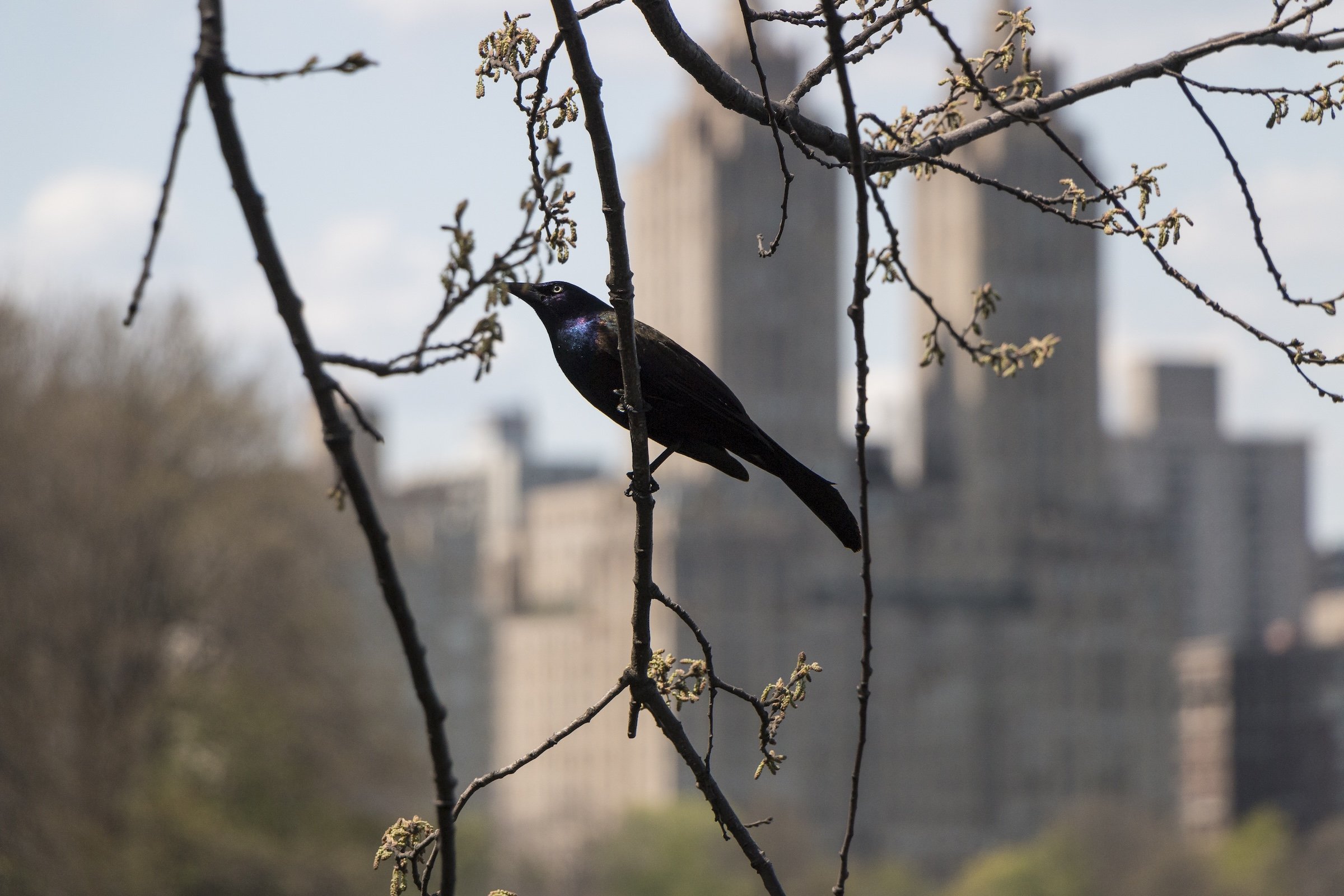
Central Park - Manhattan - The Vigil
A perched figure in a tree becomes a watchman over blurred urban forms. The stage is made from branches and shallow depth—nature framing attention.
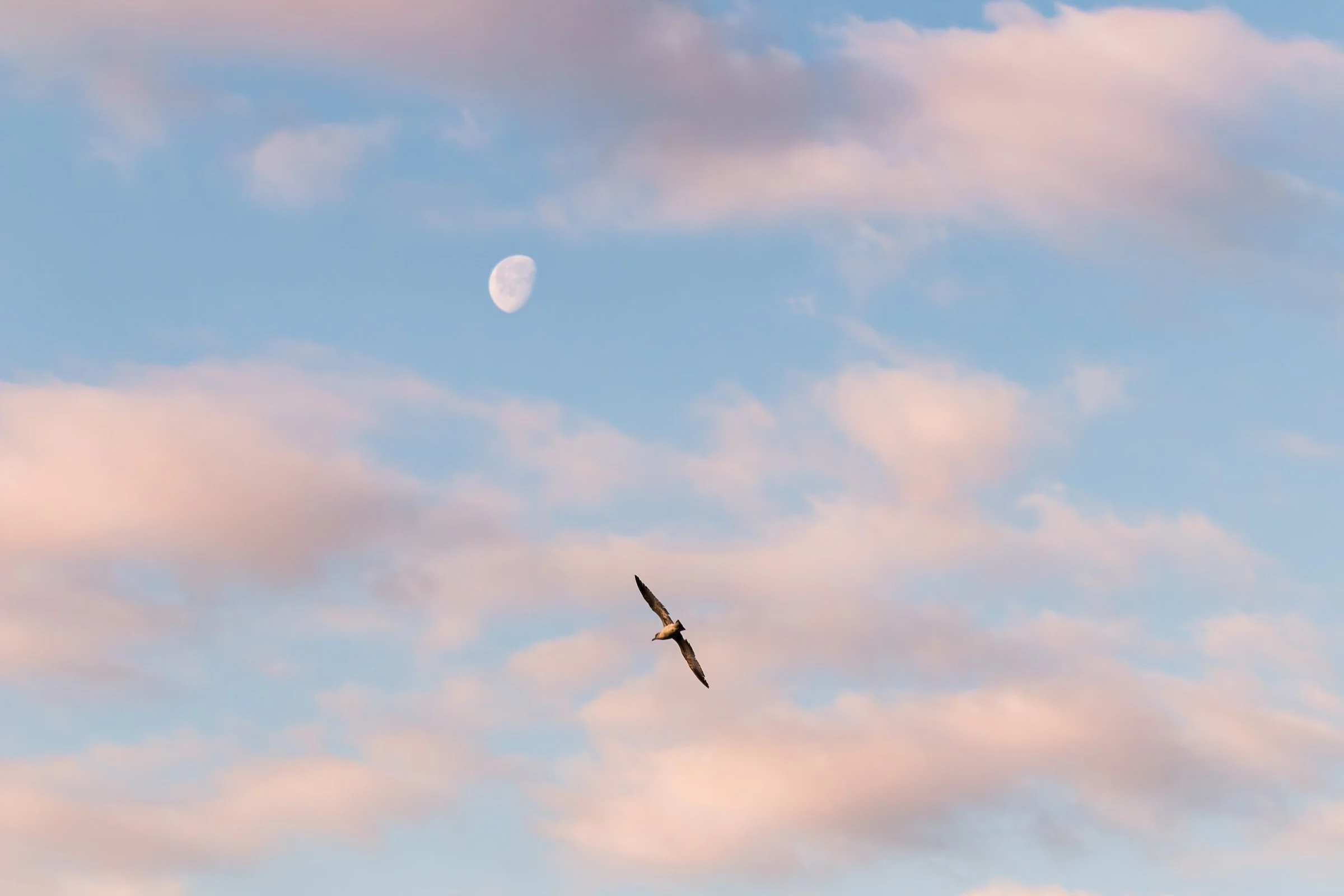
Oakland Gardens - Queens - Moon In Flight
This is pure stagecraft: sky as auditorium, moon as prop, bird as a single moving note. The power comes from restraint—minimal elements, maximum meaning.
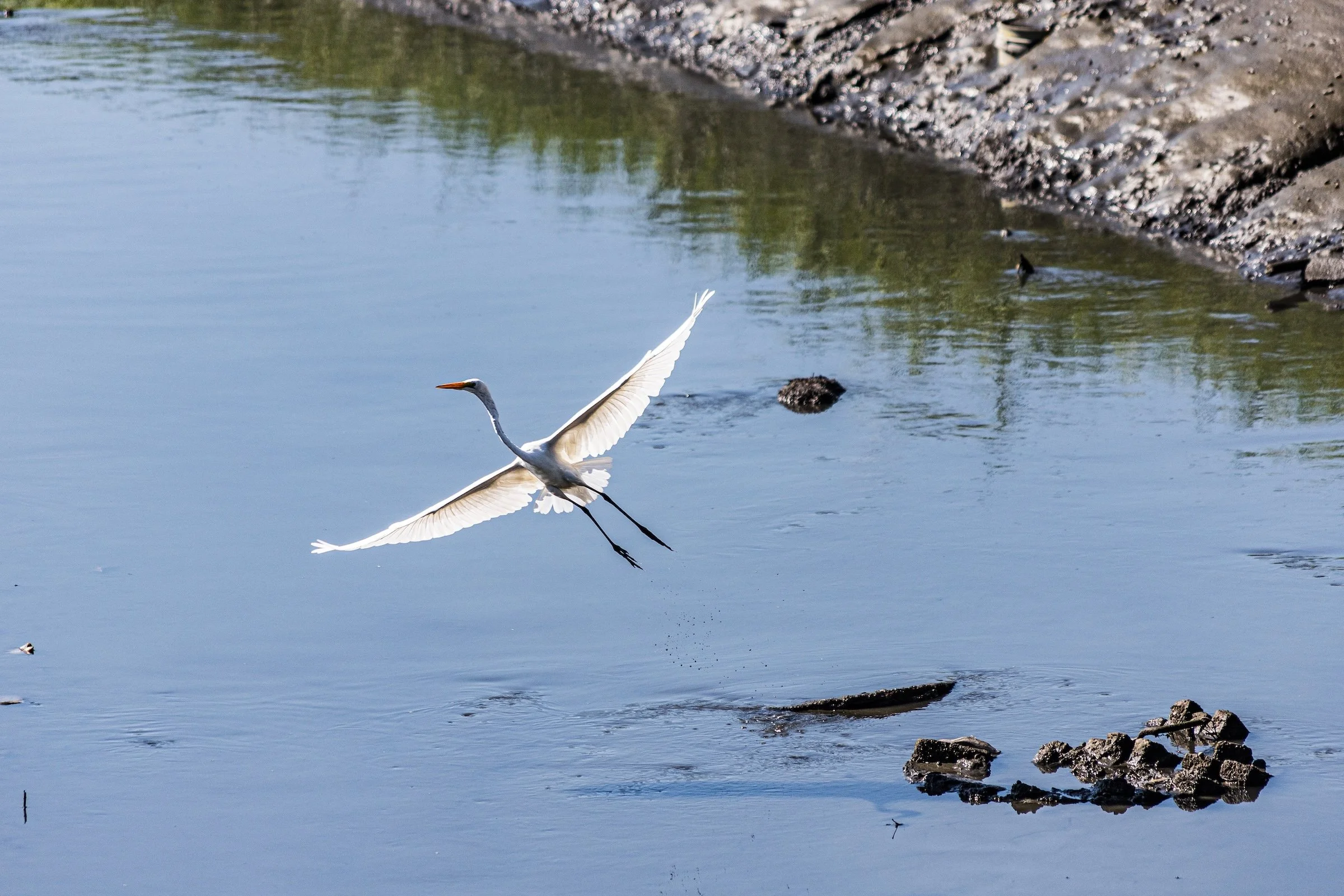
Alley Pond Park - Queens - Taking Flight
The bird becomes a calligraphic shape against water and shoreline textures. The “stage” is the negative space; the wings are the performance.
Seasonal Theater:
Nature as spectacle—color, reflection, and light behaving like set design.
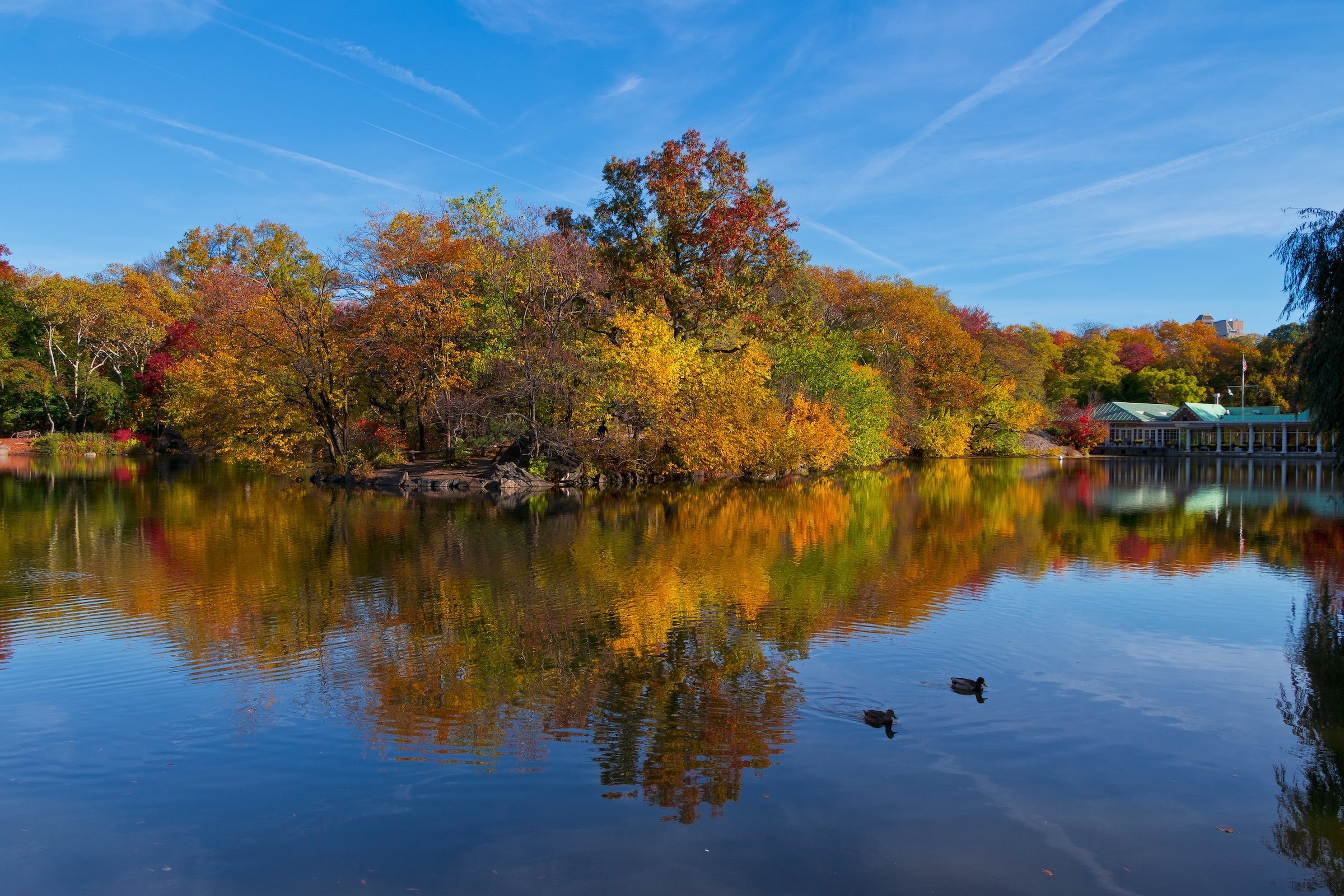
Central Park - Manhattan - Autumn Reflections
Water doubles the scene, turning foliage into a painted set. Reflections are not just pretty—they’re stagecraft: a second “world” below the actors.
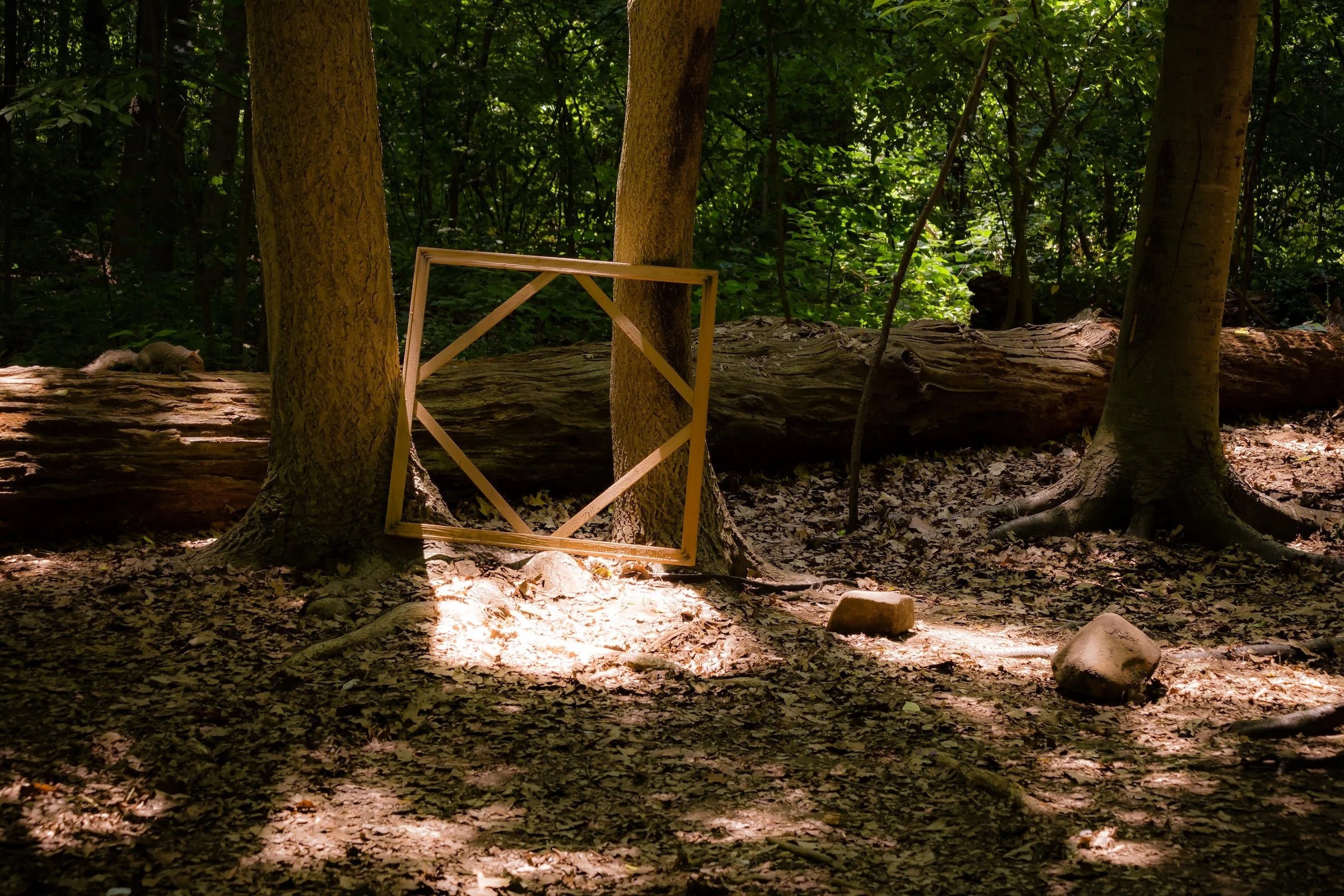
Forest Park - Queens - Framed in Light
Here the forest floor becomes a spotlight, with the frame acting like a deliberate prop inside the set. Nature isn’t random—it’s arranged into a scene.
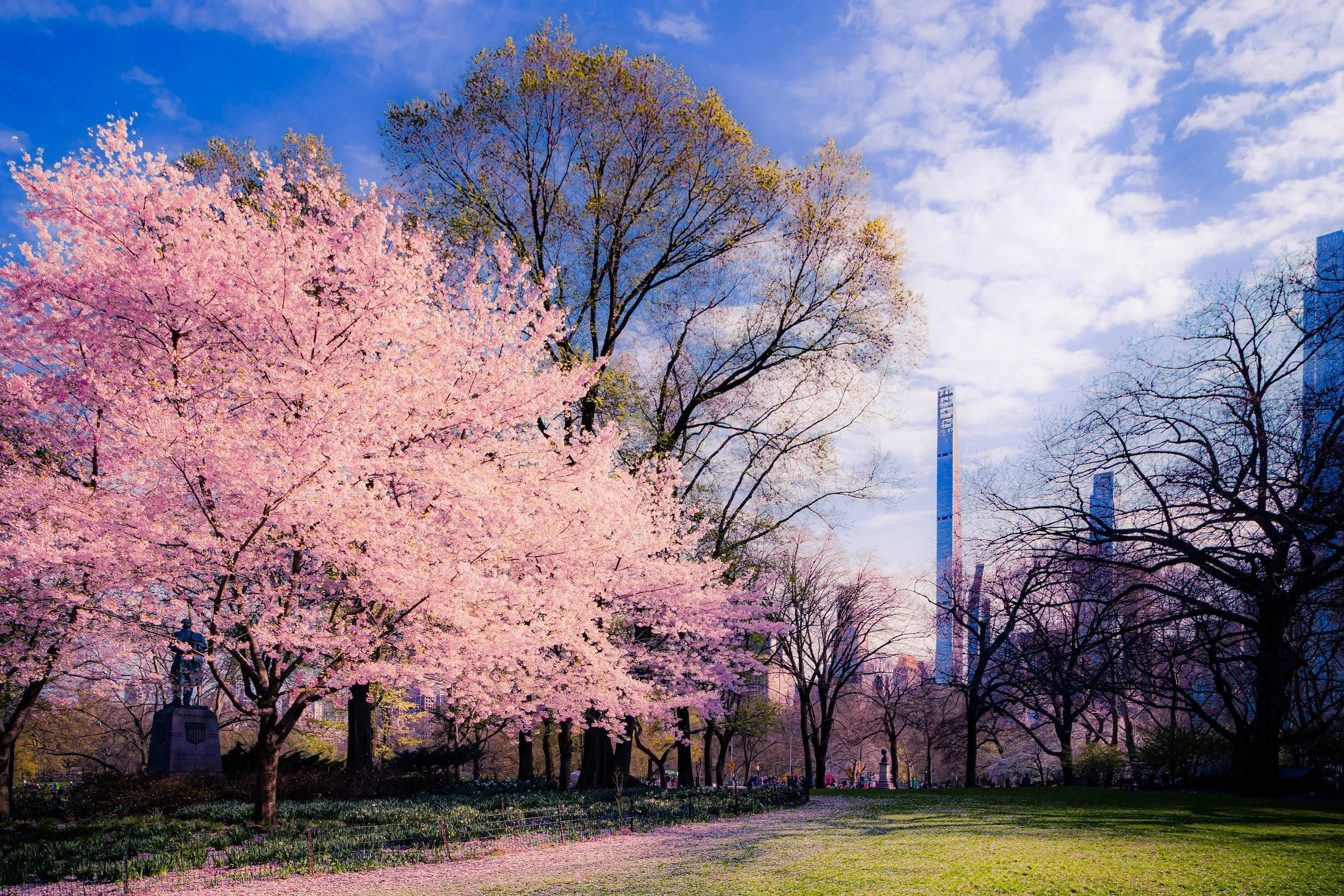
Central Park - Manhattan - Springtime Pink On The Green
The blossoms read like theatrical lighting gel—pink atmosphere poured over the scene. The skyline distance makes it feel like spring is performing for the city.
Ritual, Threshold, and Myth:
When nature feels symbolic—like you walked into a story already in progress.
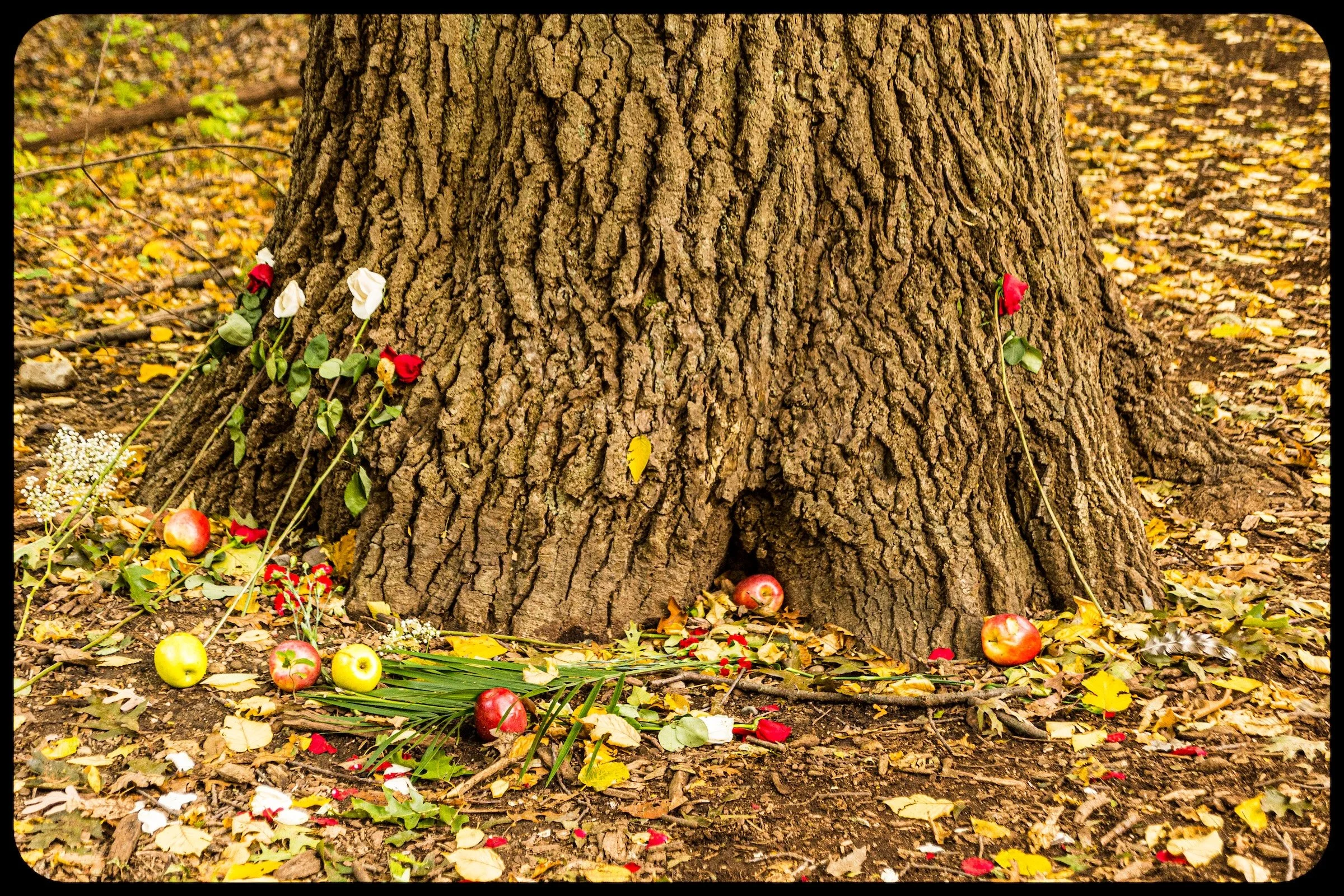
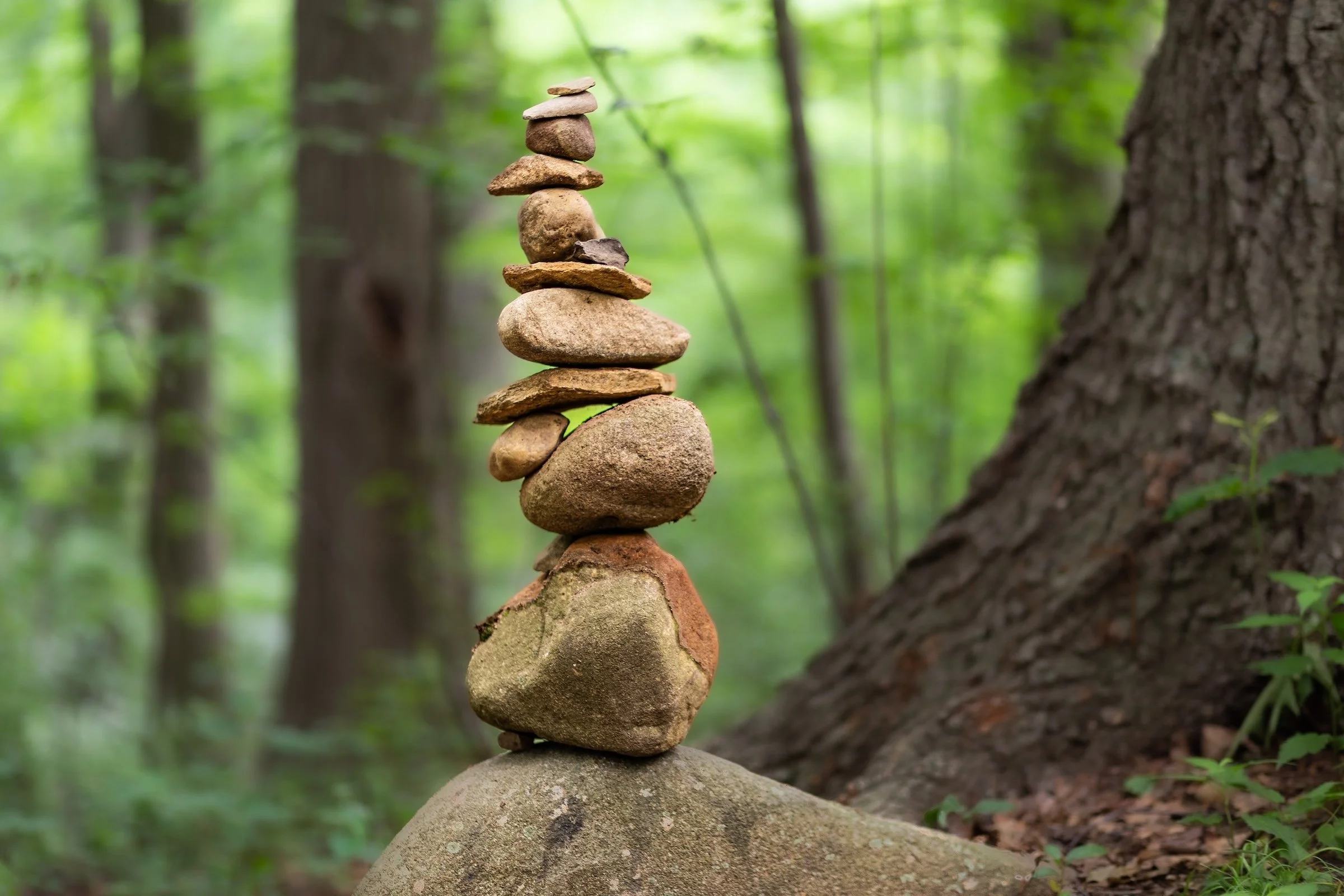
Forest Park - Queens - Samhain
The still life at the tree base reads like an offering—ritual inside an ordinary park. Nature becomes a stage for memory, grief, or seasonal mythology.
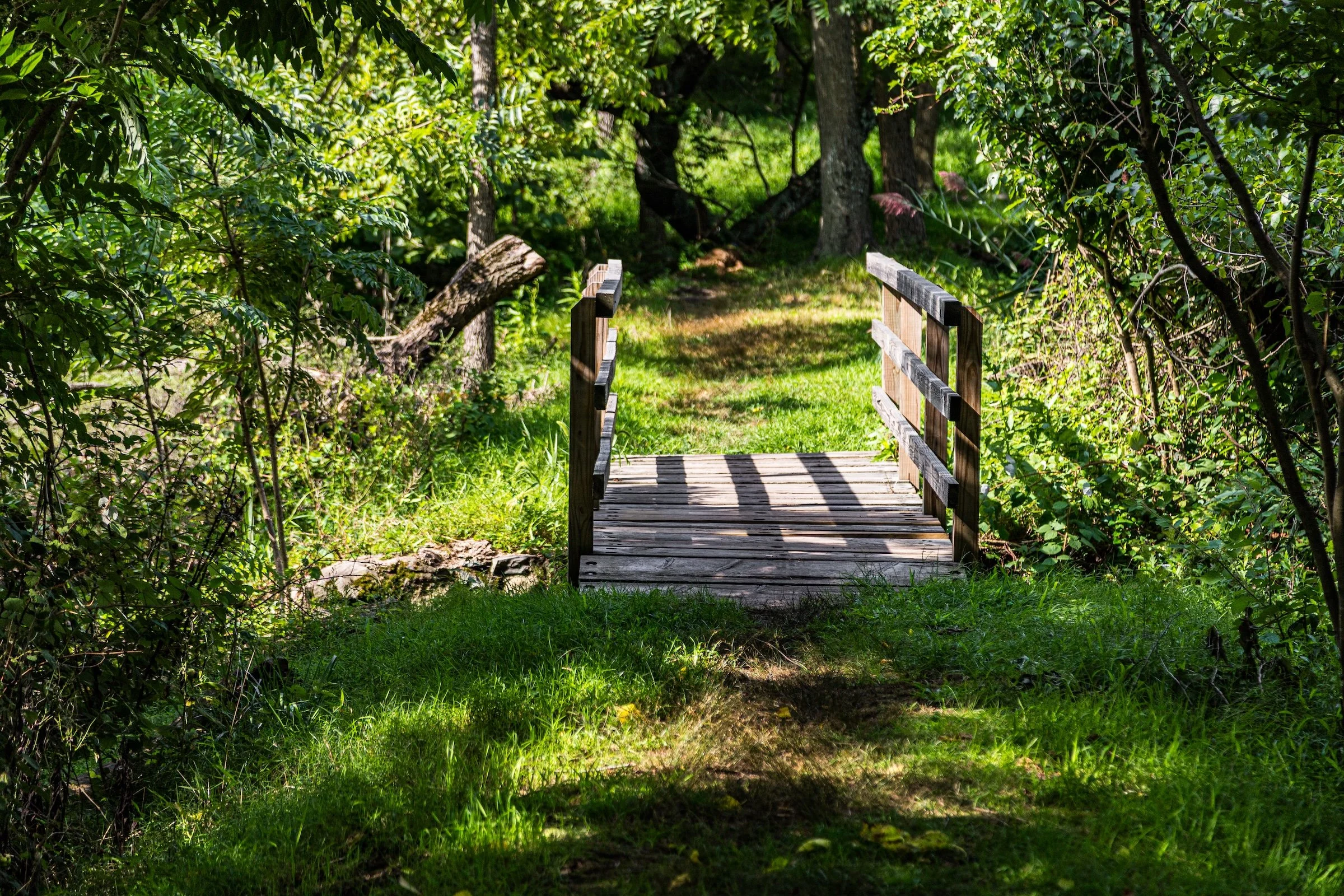
Latourette Park - Staten Island - The Crossing
A small bridge is instantly narrative: a threshold object. The greenery becomes the theater walls guiding you toward the “next scene.”
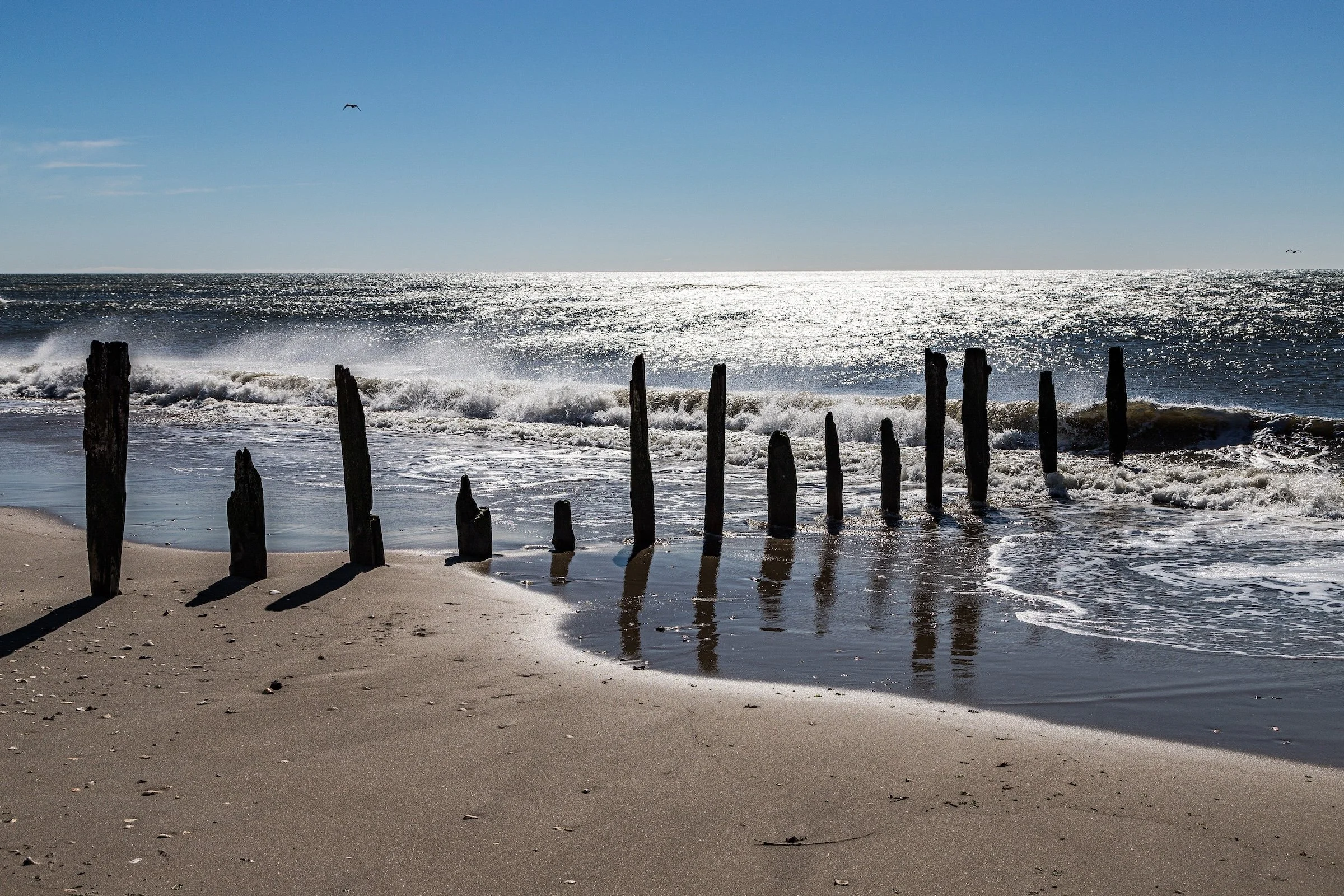
Fort Tilden-Jacob Riis - Queens - Into The Teeth
The shoreline becomes a fierce stage: wind, surf, and broken posts as dramatic props. Nature isn’t gentle here—it’s performing power.
Explore Further