
Painting With Light
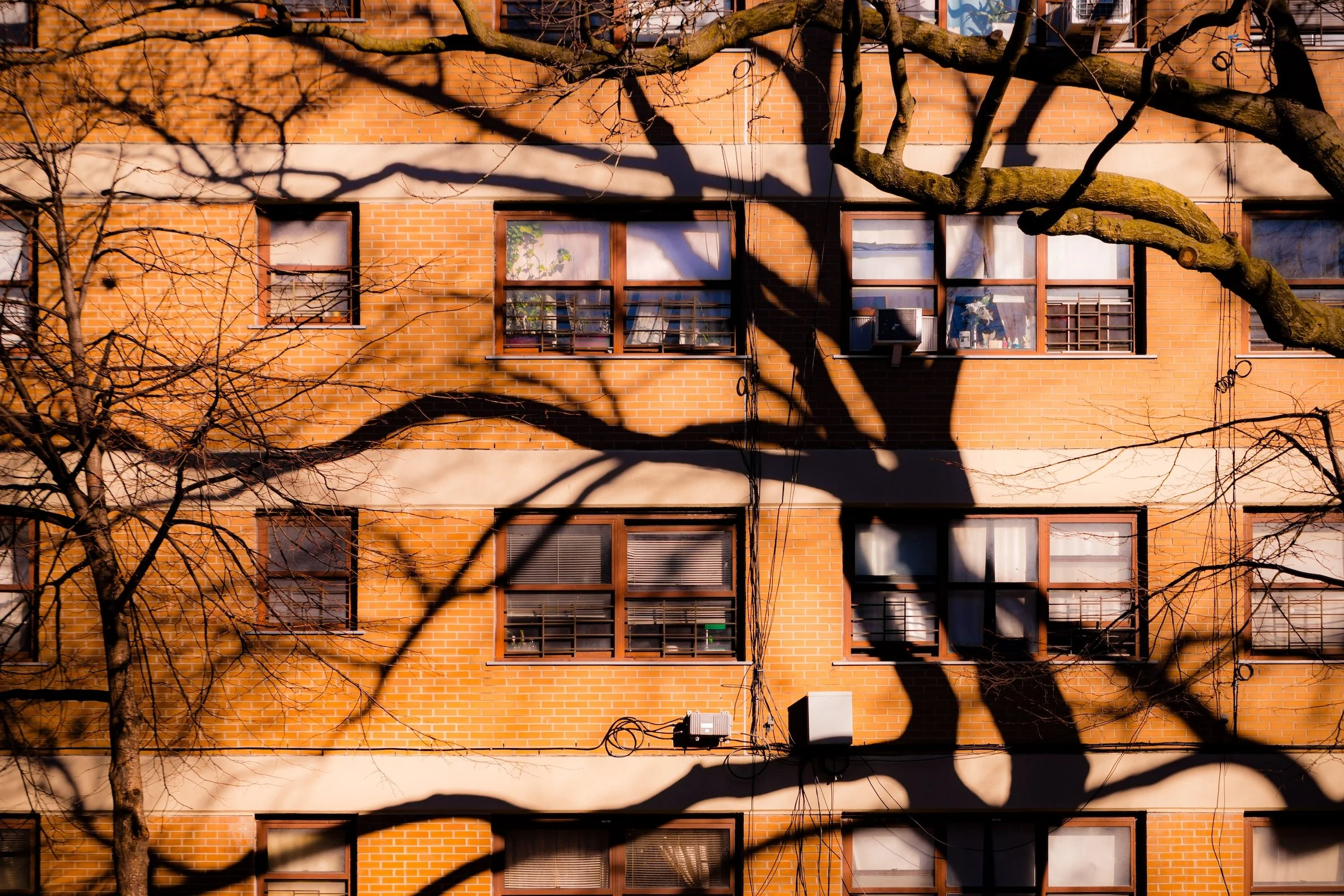
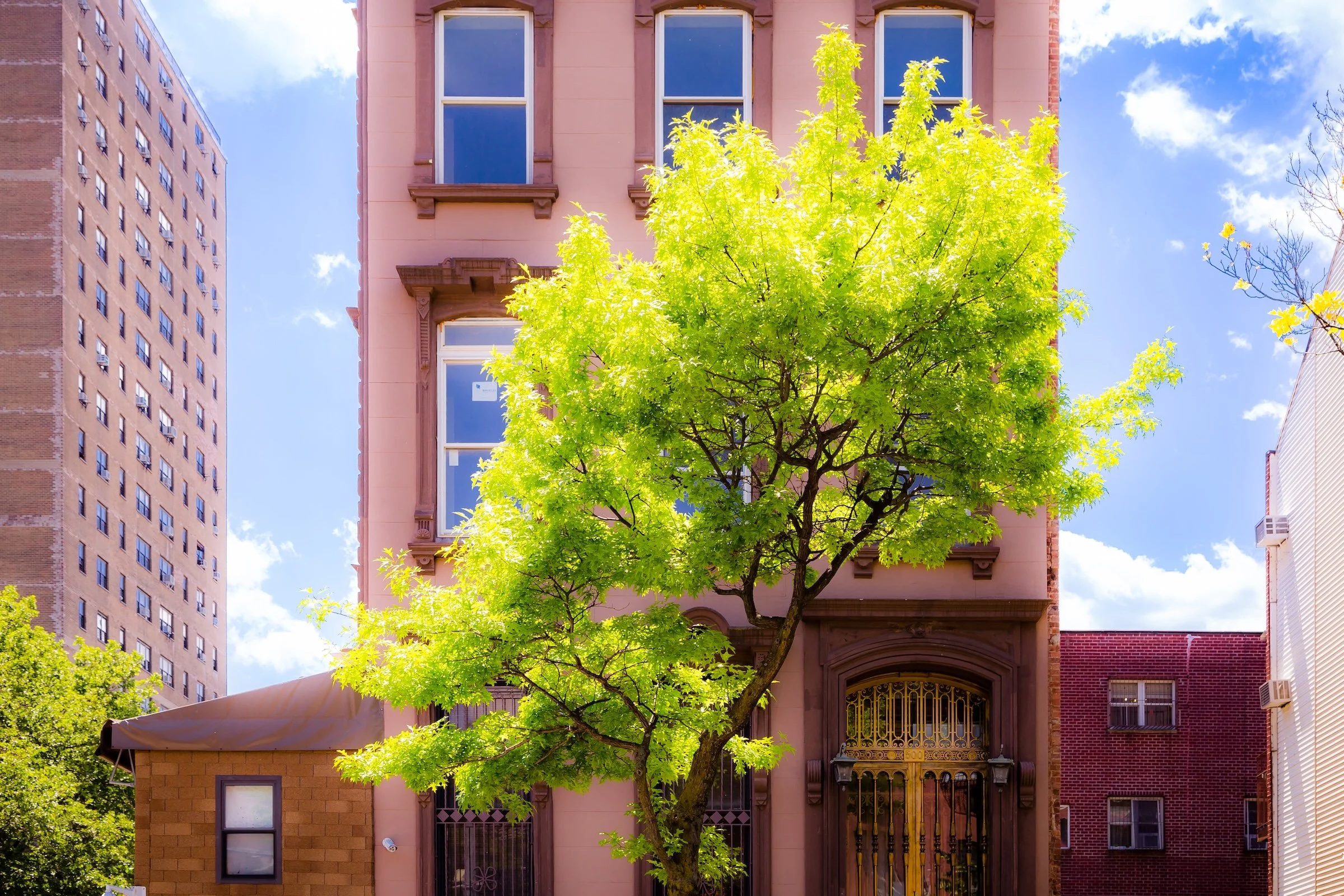
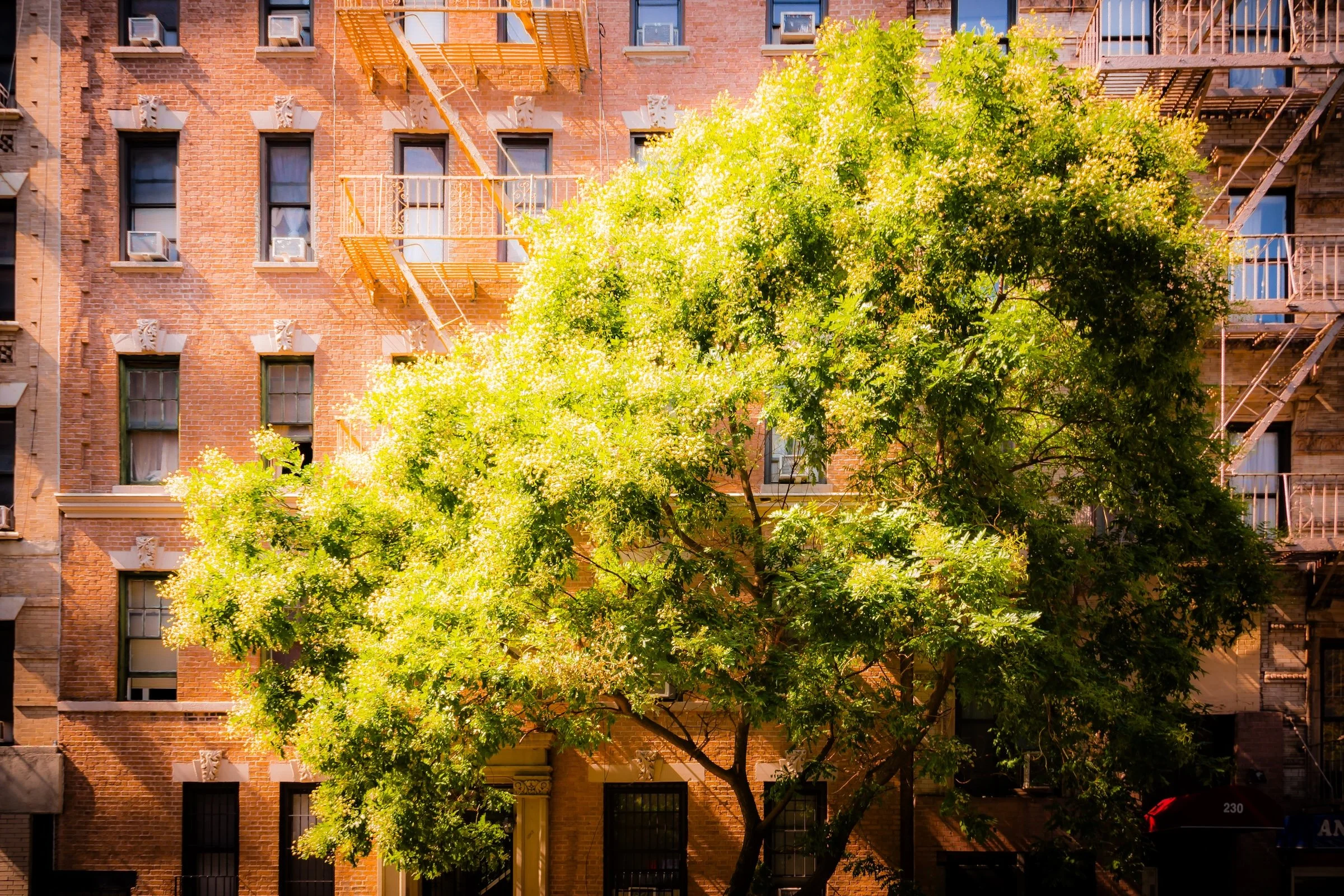
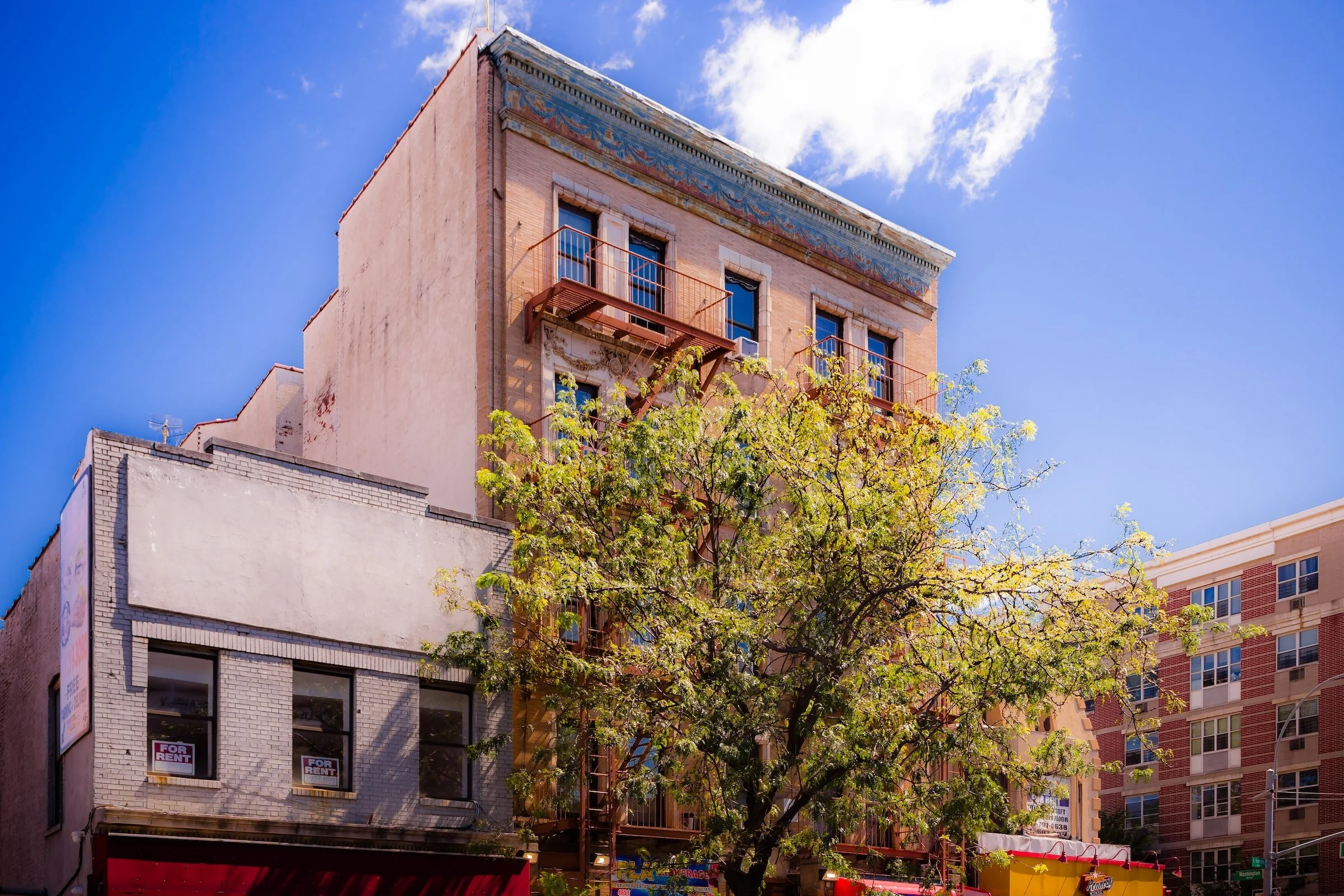
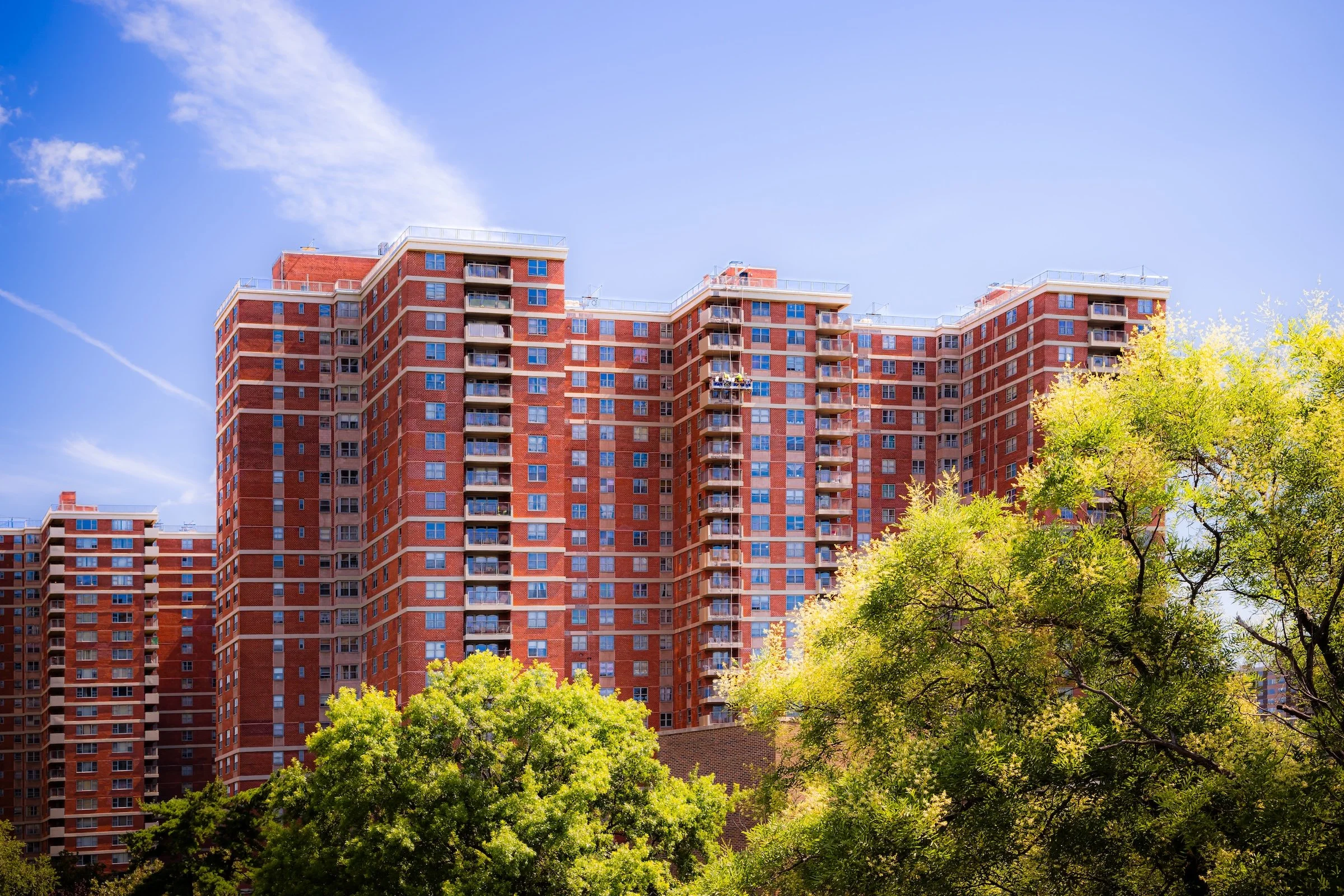
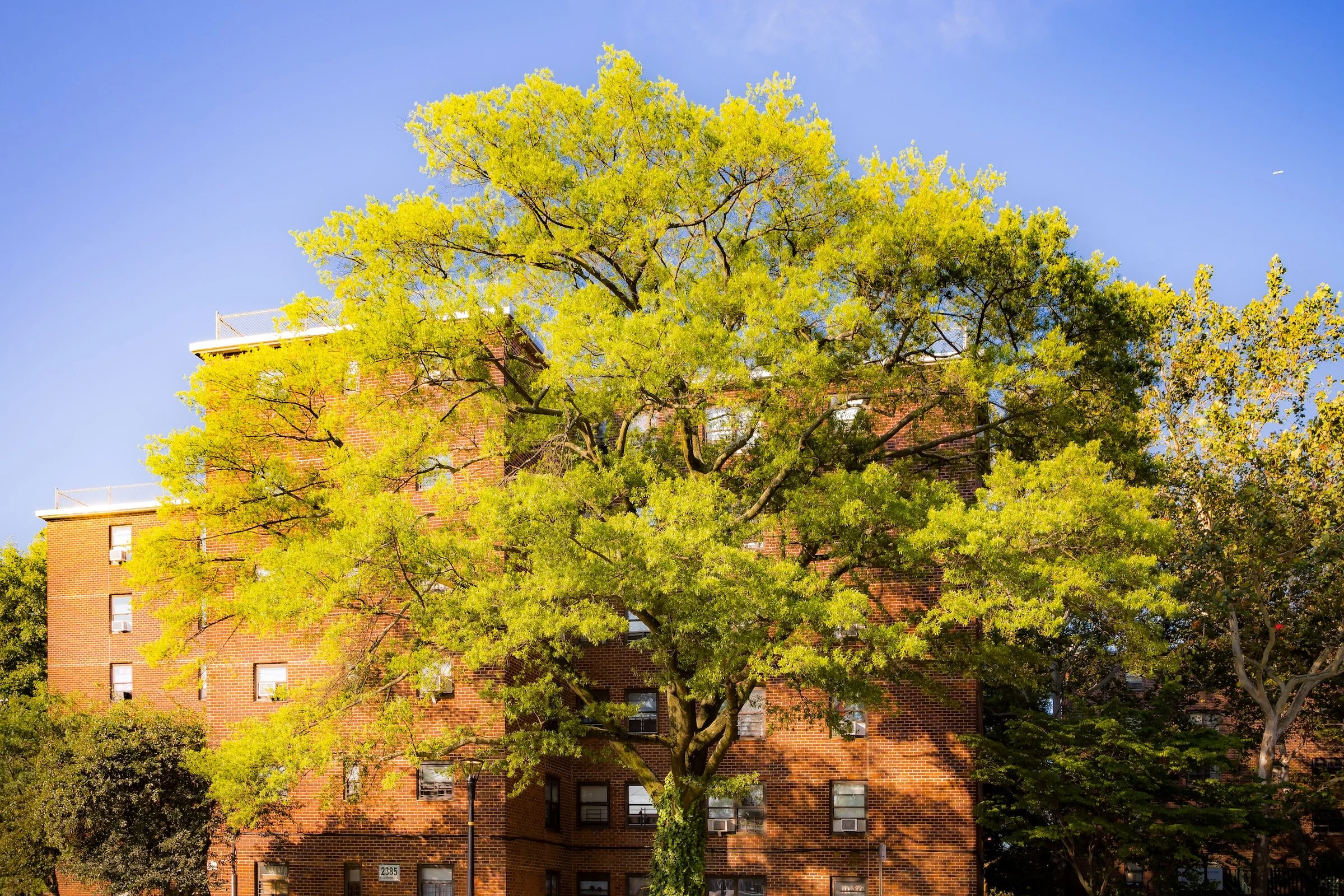
South Williamsburg — Brooklyn — Greenfire on a Blush Wall
Definition
Painted With Light describes moments when sunlight behaves like pigment: glazing walls, pooling across lawns, gilding leaves, and turning ordinary streets into something that feels half-real, half-illustrated. It isn’t about heavy editing or surreal color for its own sake—it’s about recognizing when natural light is already doing the painting.
Usage
Use this strategy when you find a scene where light becomes atmosphere: the kind that softens edges, saturates color without looking artificial, and makes the frame feel designed even when it’s candid. These images often lean into luminous greens, warm brick, pastel skies, and gentle haze—light that reads as tone rather than spotlight.
In Depth
“Painted With Light” is less about the subject and more about the behavior of illumination. The best examples usually have three traits:
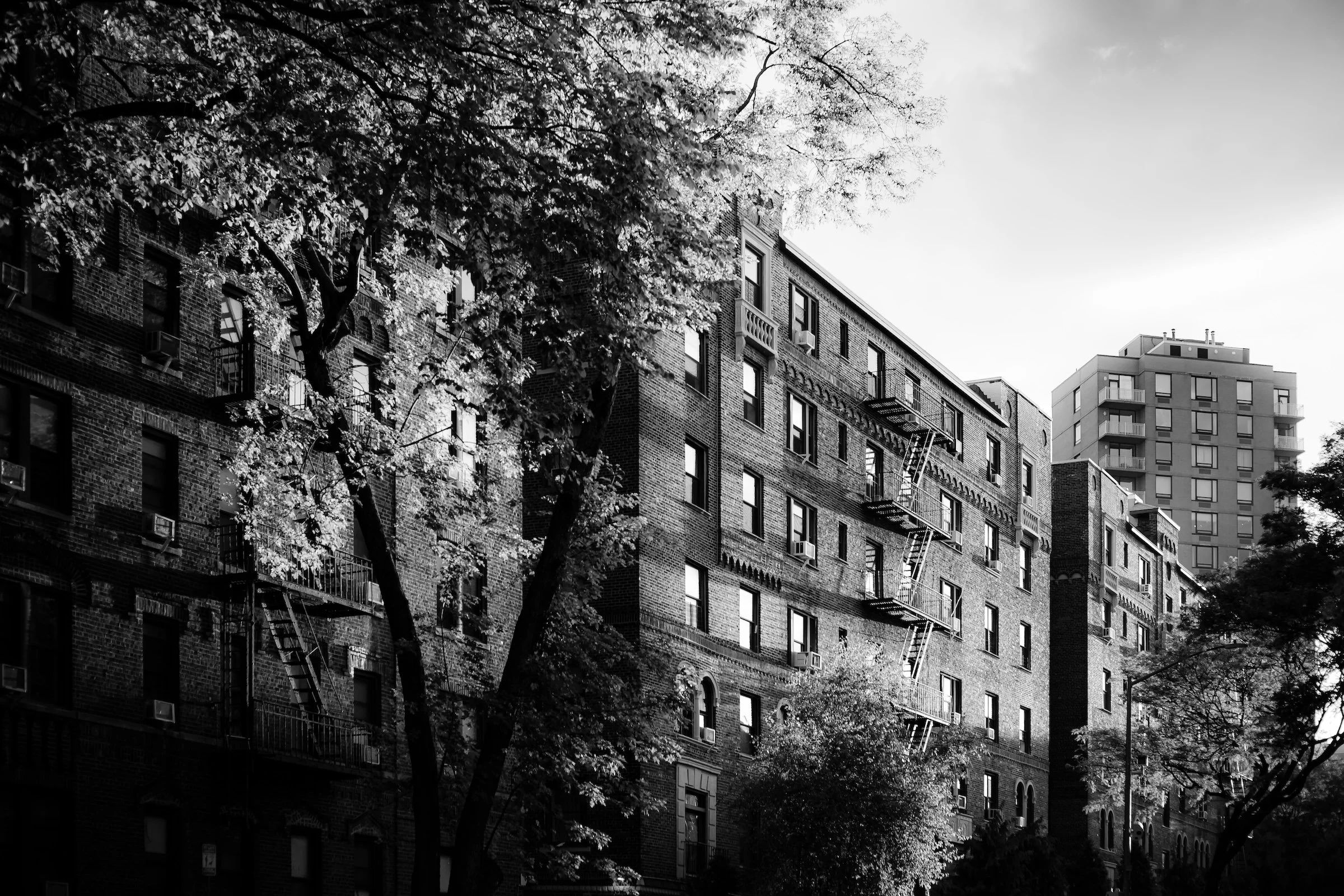
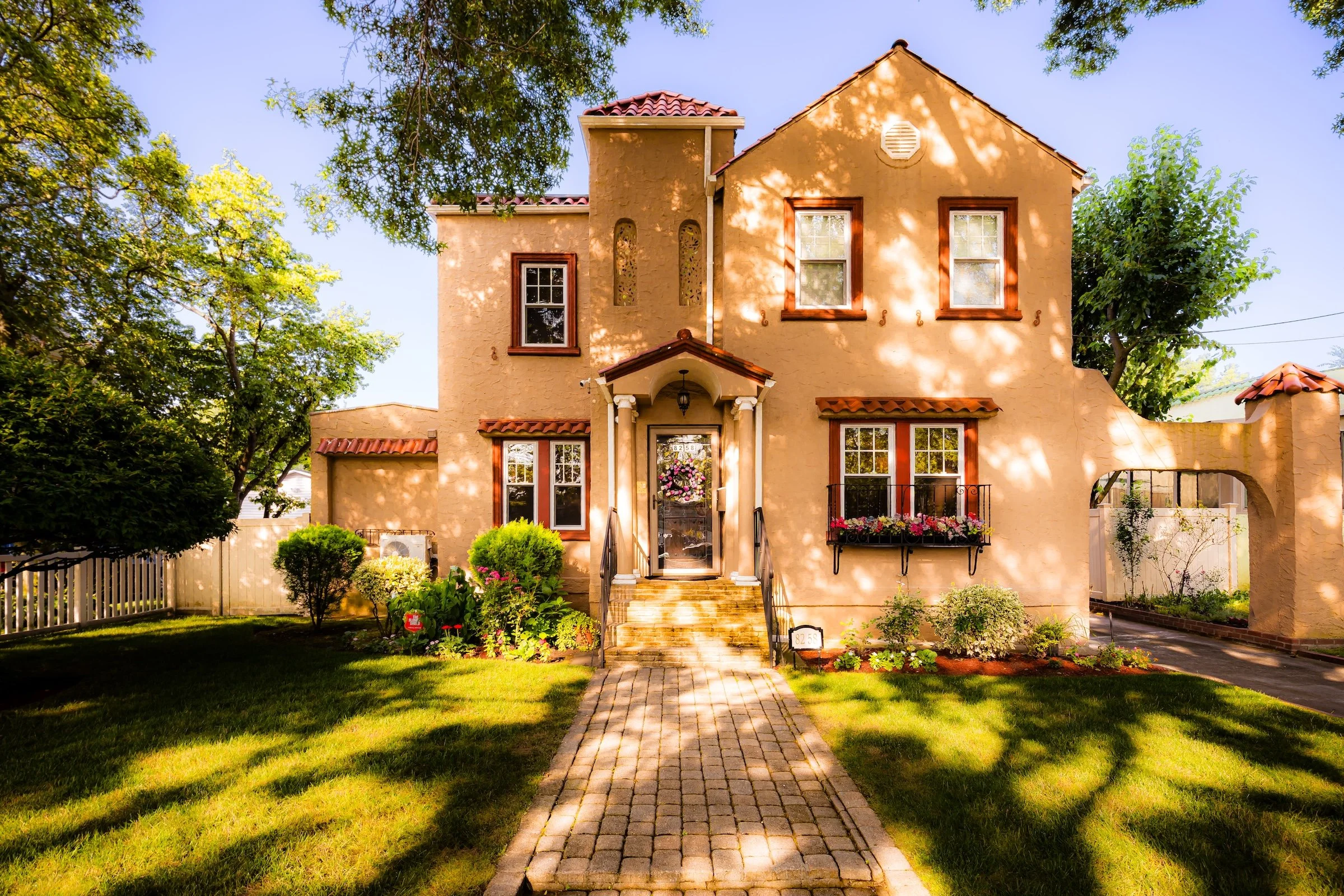
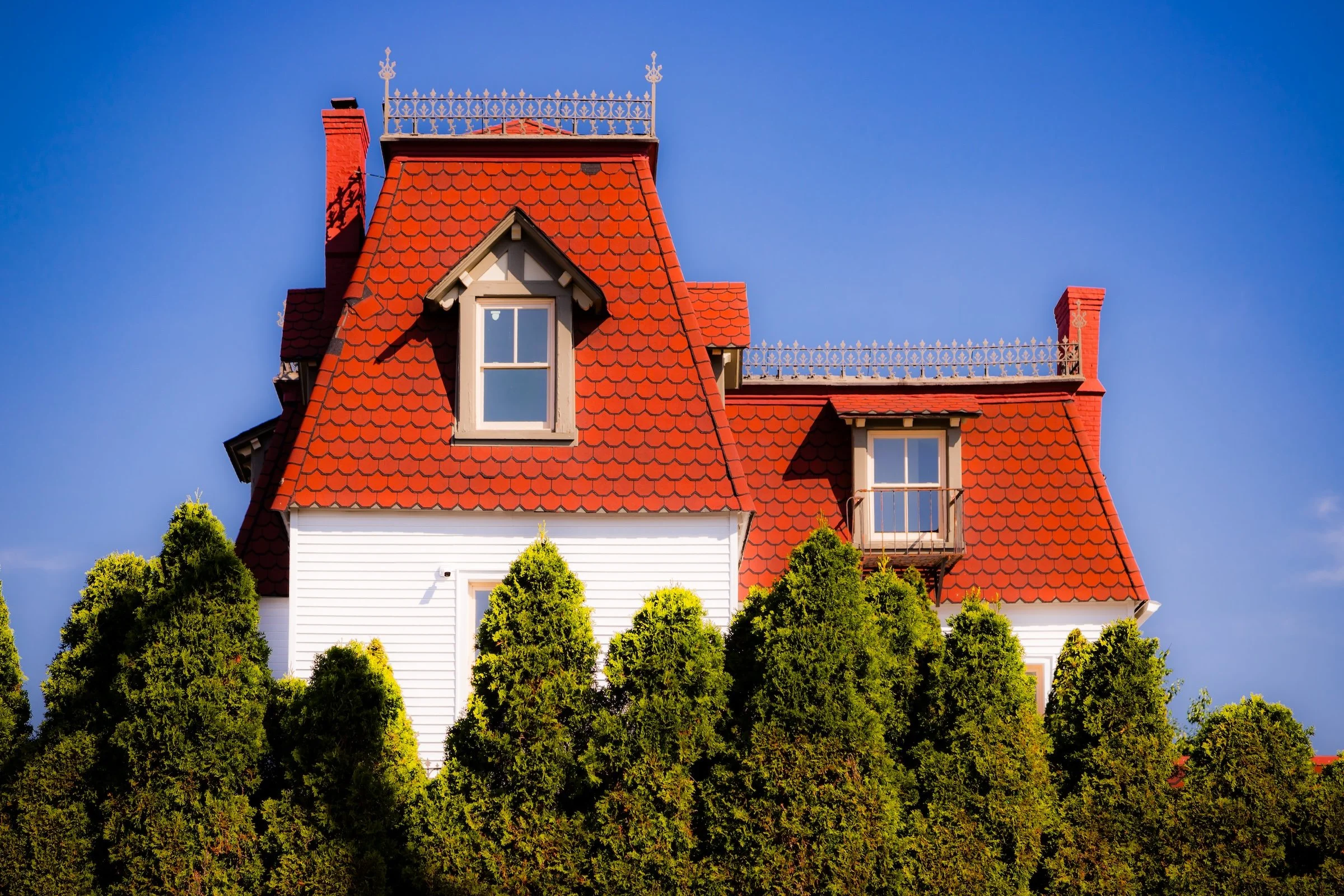
First, the light has a quality—golden, milky, honeyed, or glassy—that changes how surfaces look. Grass becomes velvet. Brick becomes ember. A white facade becomes a canvas.
Second, the scene has large tonal fields (lawn, sky, building face, street plane) where light can visibly “spread out” and create a painterly wash. This is why parks, wide streets, and simple facades tend to shine in this category.
Third, the composition lets the light lead. You’re not just documenting a place—you’re letting illumination become the organizing force: where the eye begins, where it rests, and how it moves.
A few quick ways to spot it in the field:
Chase low-angle sun (morning / late afternoon). Painterly light loves long shadows and warm warmth.
Watch for “glaze surfaces”: pale stucco, light brick, sidewalk concrete, spring leaves, and reflective windows all take paint beautifully.
Expose for the glow. Protect highlights first; let shadows deepen naturally so the light feels intentional.
Look for color triads (sky / foliage / brick). When those three harmonize, the scene often “paints itself.”
Below are ten launch examples that show Painted With Light in different forms: architectural color, neighborhood geometry, parkland glow, and European street light that feels like it’s been brushed across the scene. Each image includes a brief note on what the light is doing in the frame, and why I consider it a strong example of the concept.
Neighborhood Colorfields:
Sometimes the city becomes a palette: bold blocks of brick, sky, foliage, and painted trim—where light turns everyday streets into clean, graphic color studies.
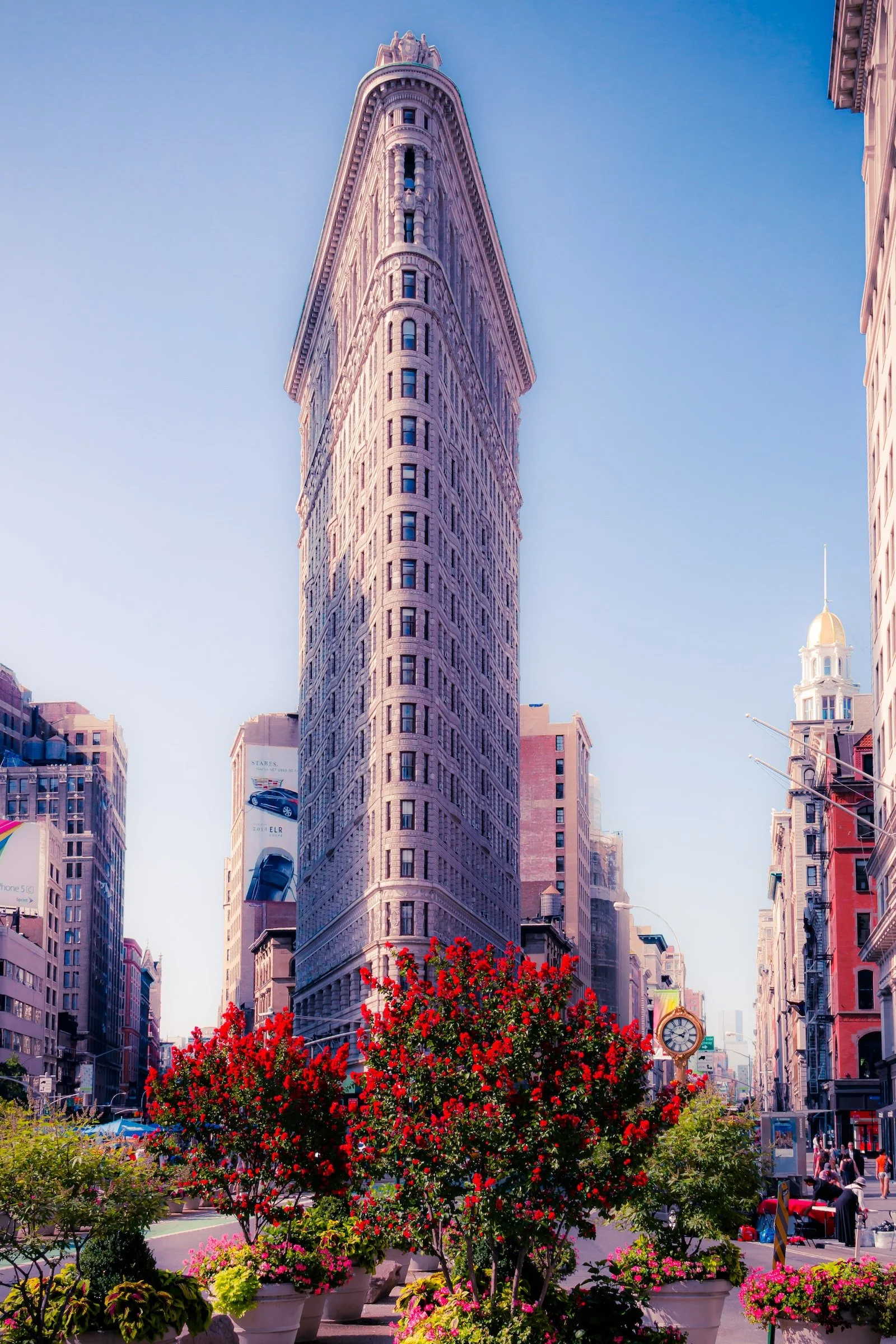
The Flatiron rises like a painted centerpiece, while the red flowers punch the foreground into a deliberate color chord. The light is doing two jobs at once: clarifying detail up the facade and saturating the scene so it feels poster-like rather than purely documentary.
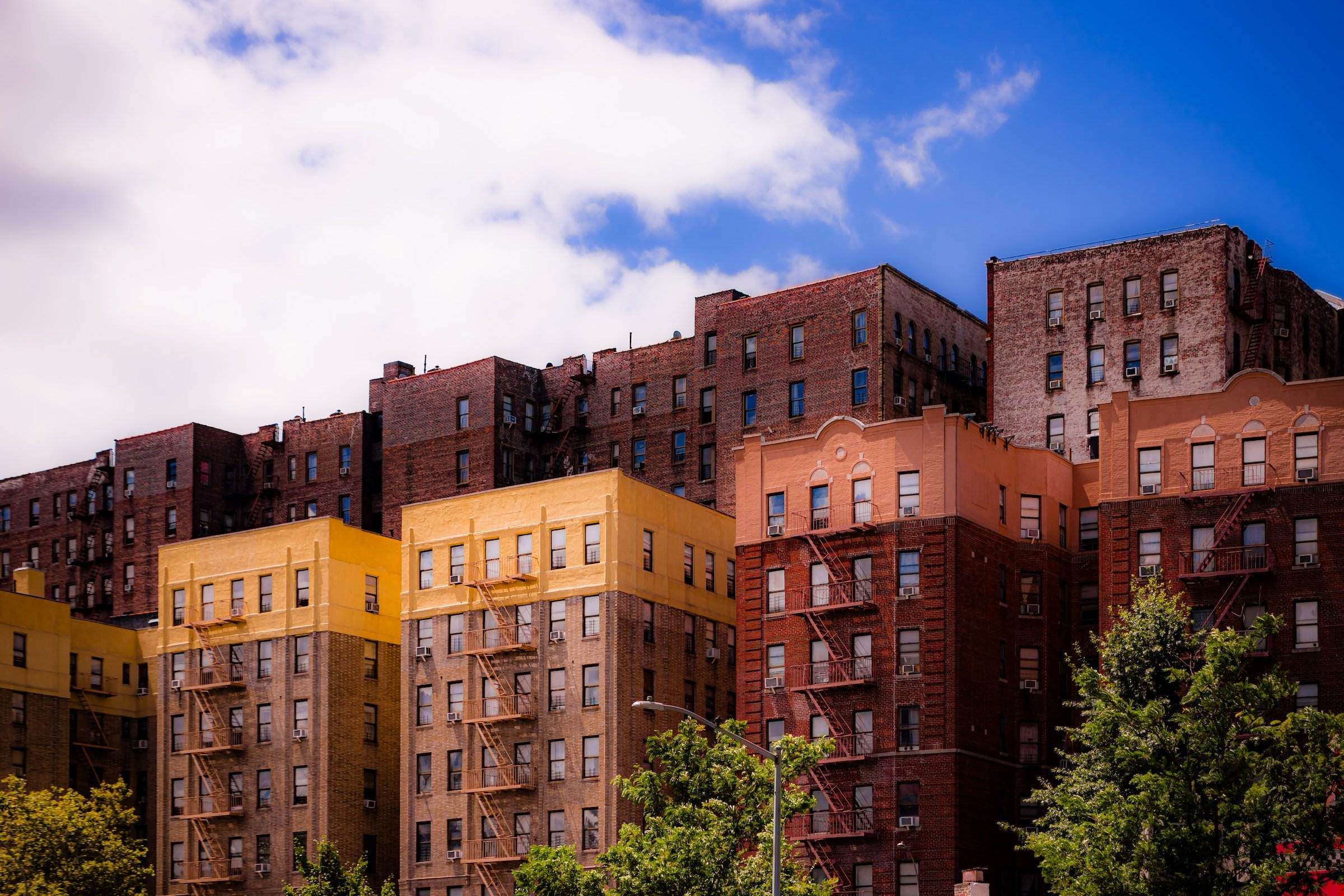
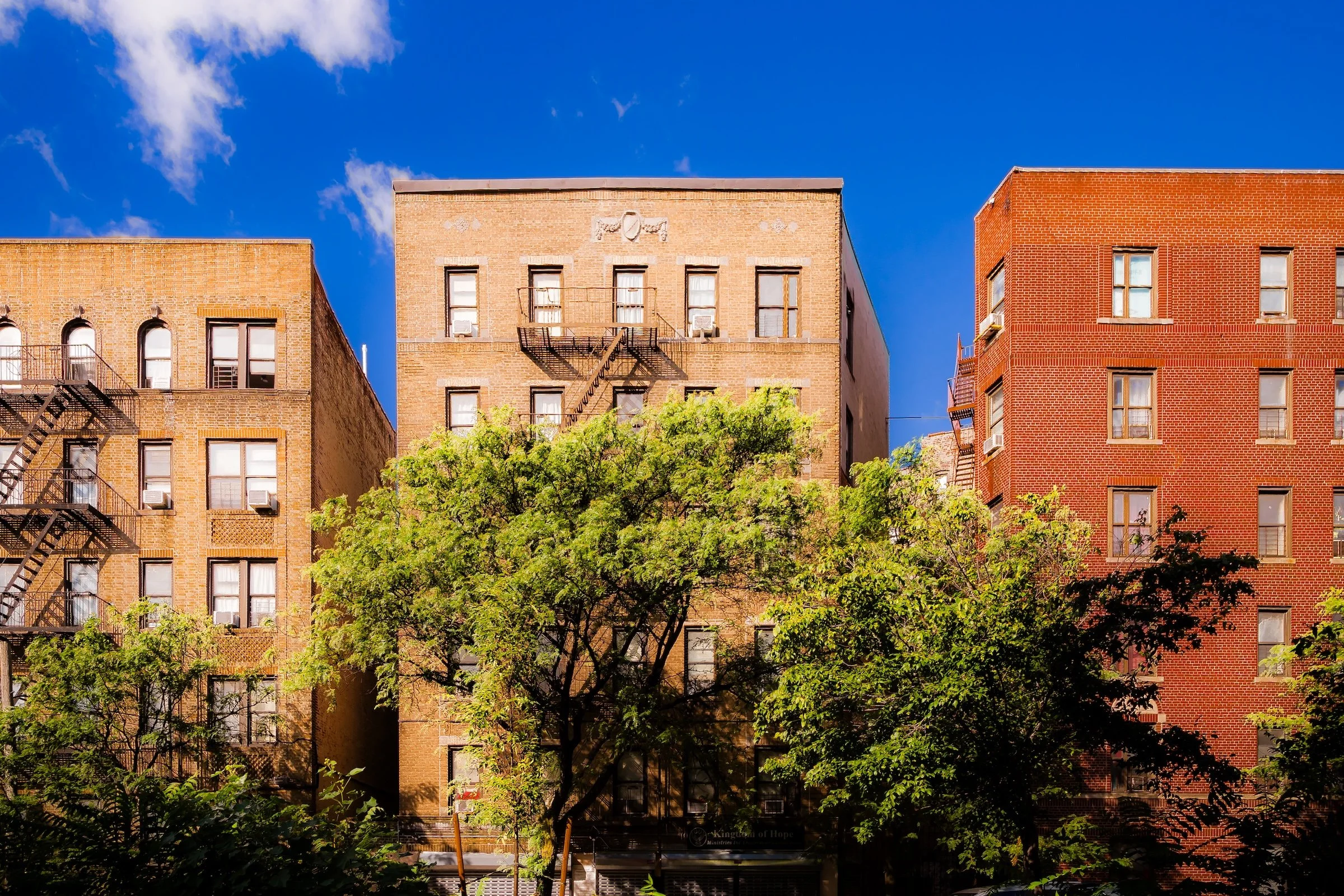
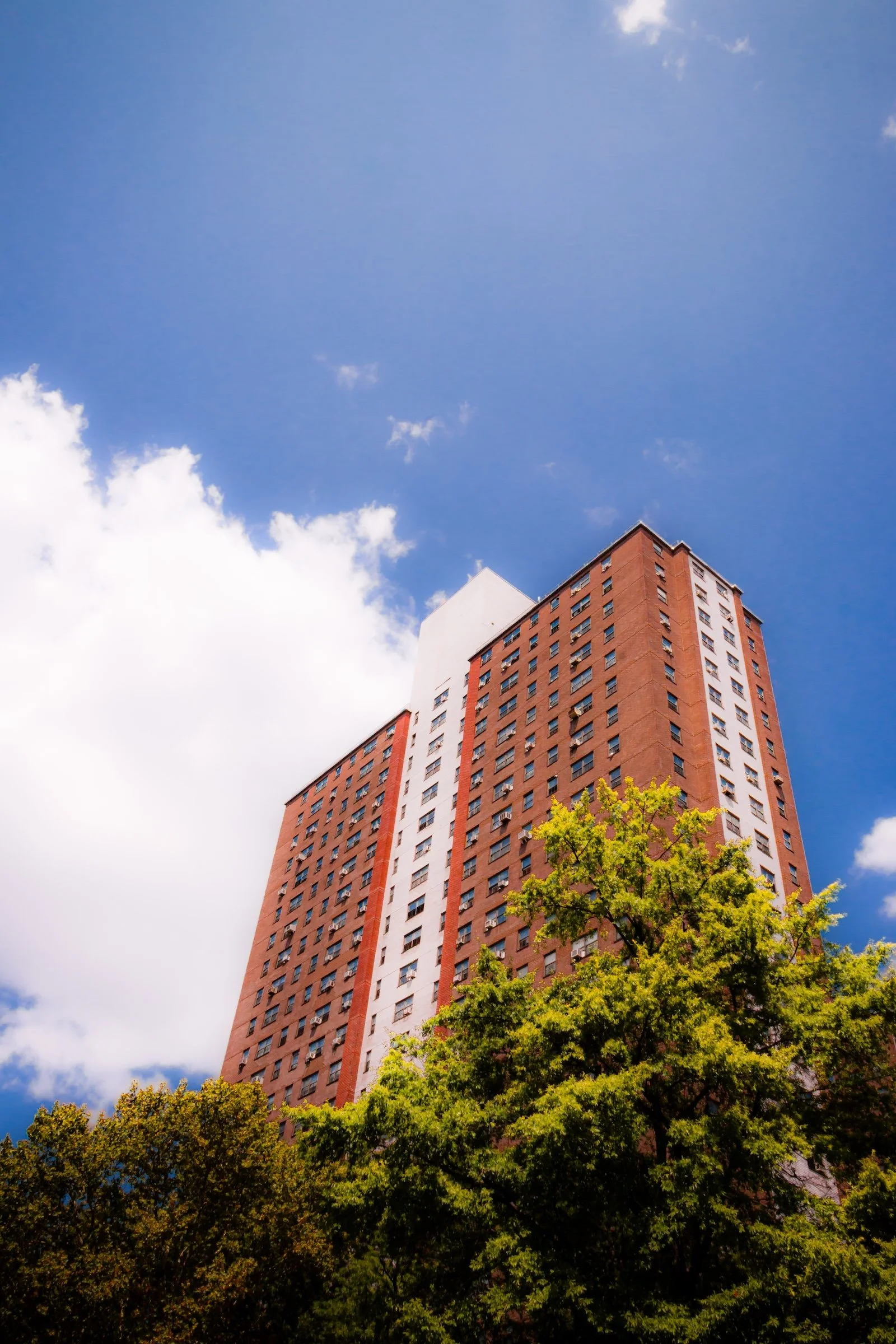
Mount Eden — The Bronx — Bronx Brick Palette
Those yellow upper bands read like brushstrokes laid across the buildings, giving the block a warm, stylized rhythm. The painterly effect comes from the balance: deep brick texture below, bright “cap” highlights above, and clean sky to let it breathe.
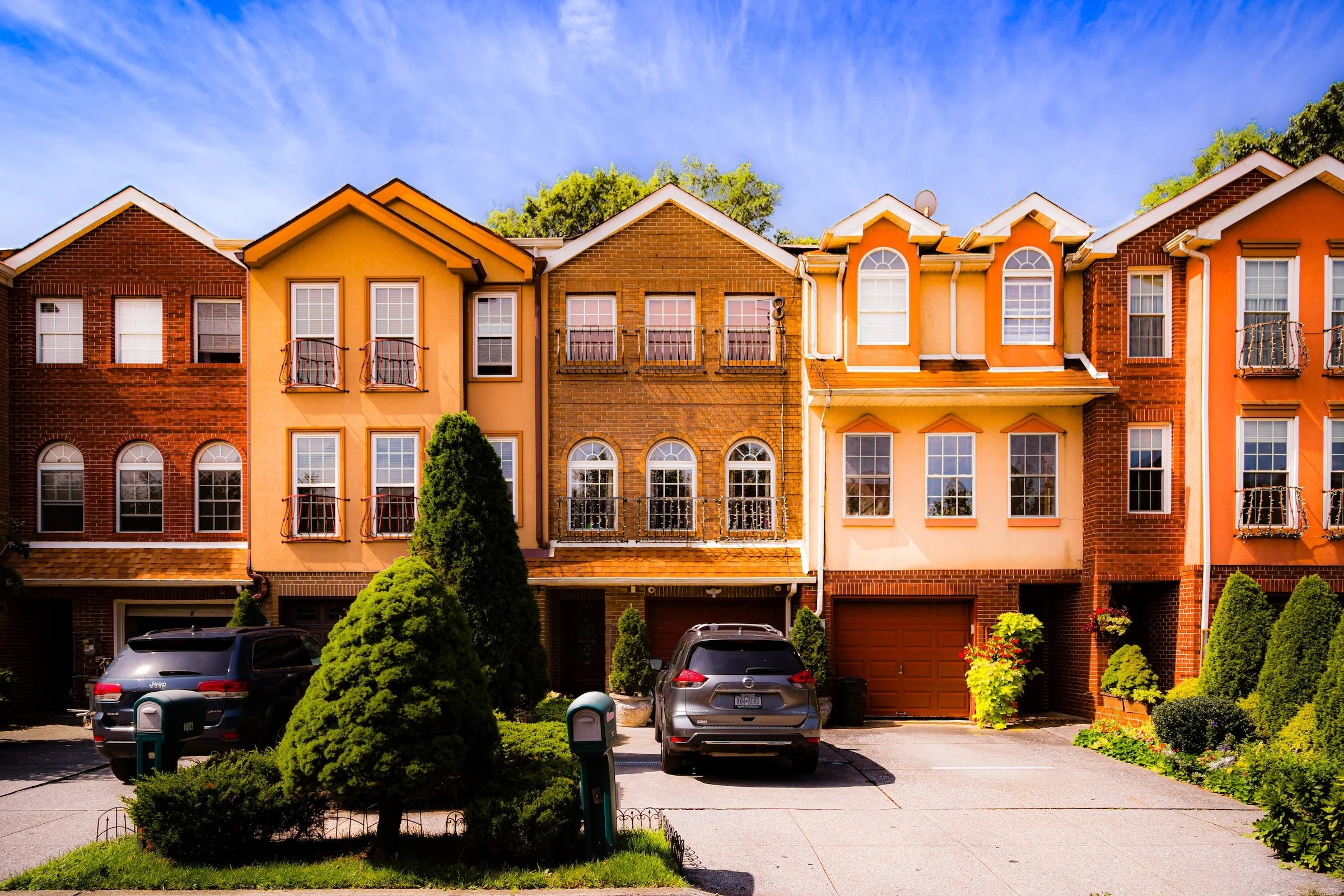
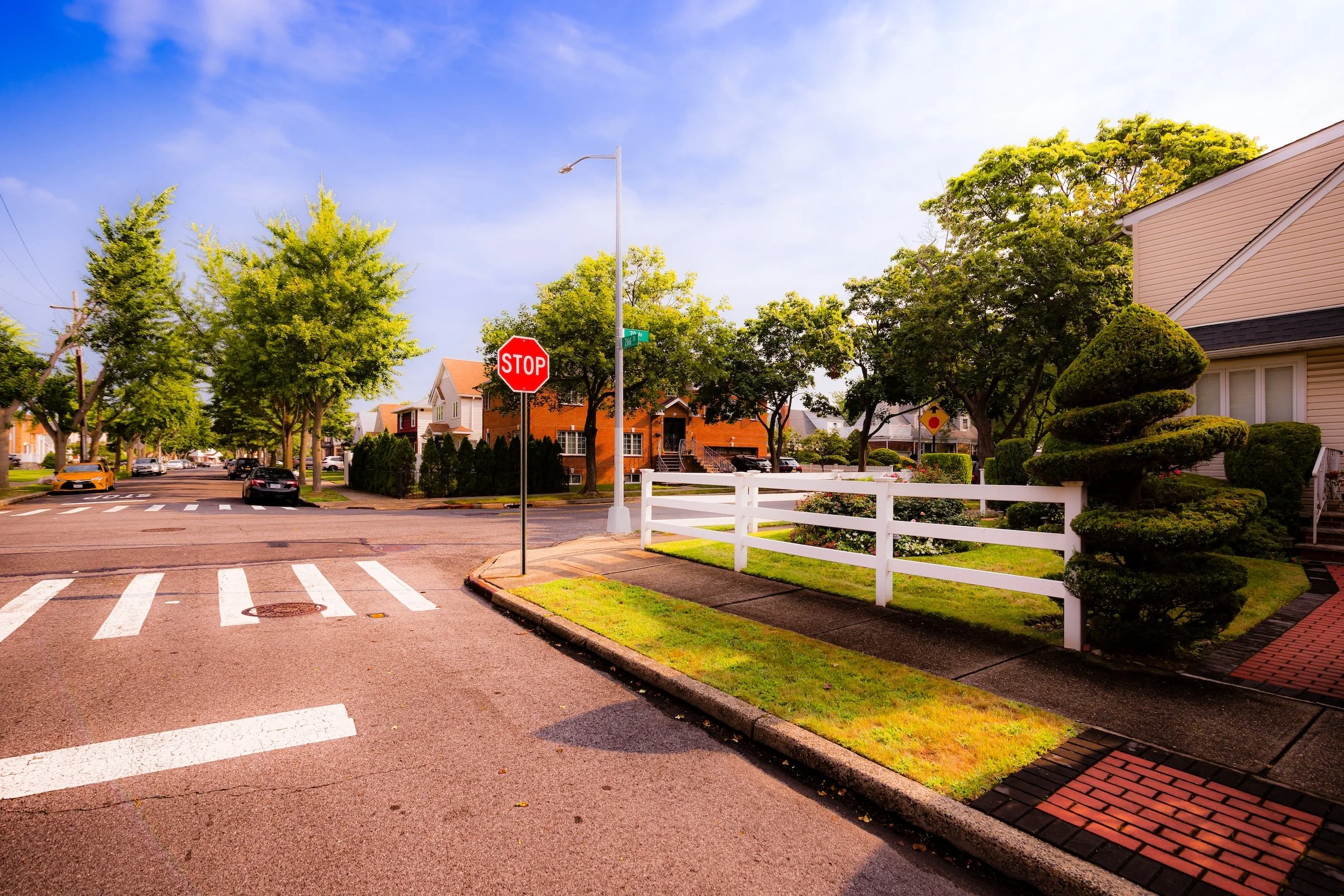
New Springville — Staten Island — Townhouse Spectrum
This one is pure “paint swatches”: repeating facades with warm, cohesive tones that feel curated even if they aren’t. The light keeps edges crisp, but the overall color harmony makes it feel like a composed illustration of suburban geometry.
Glazed Greens:
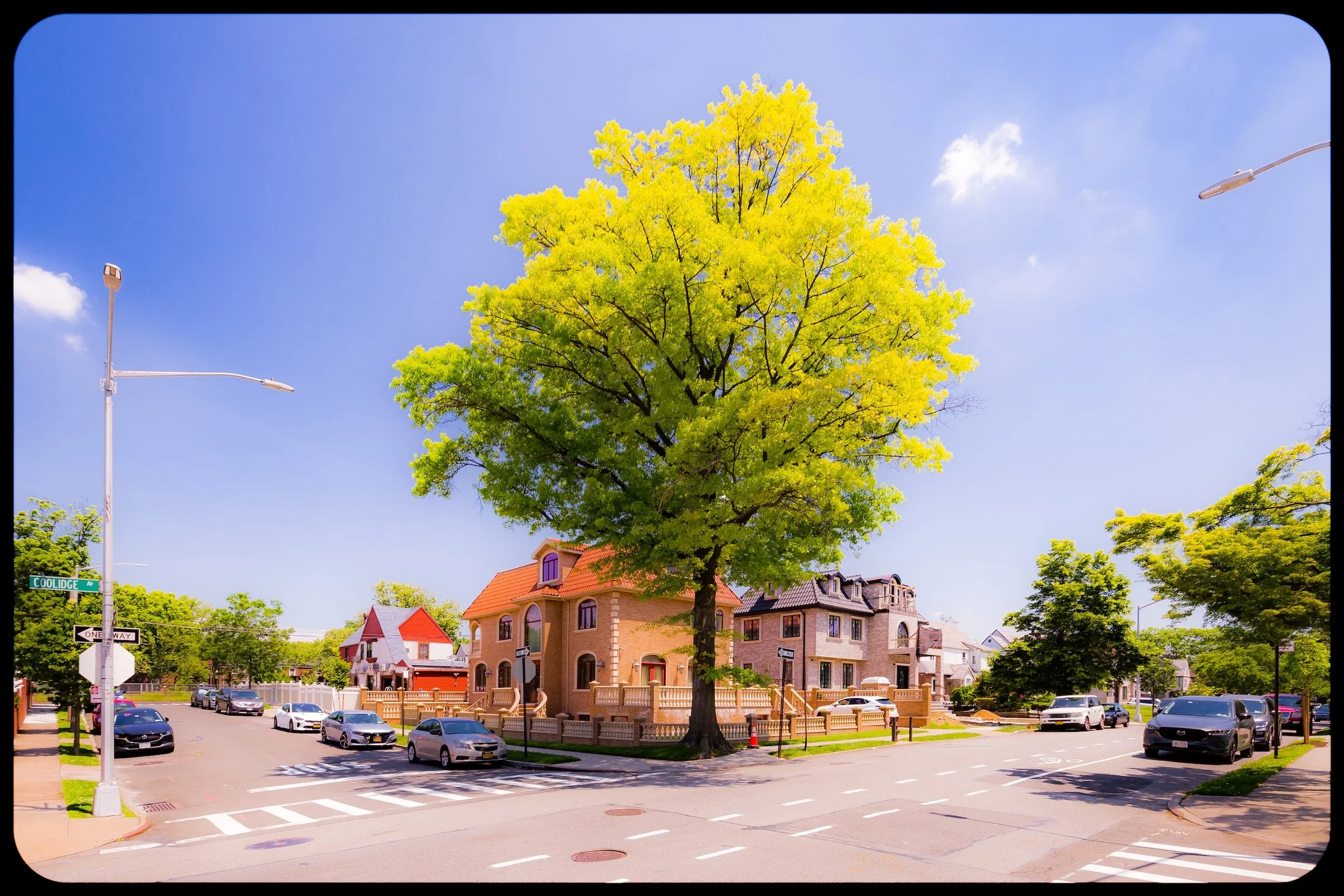
When the light hits spring and summer foliage just right, greens stop being “background nature” and become luminous pigment—almost unreal, like the scene has been color-graded by the sun itself.
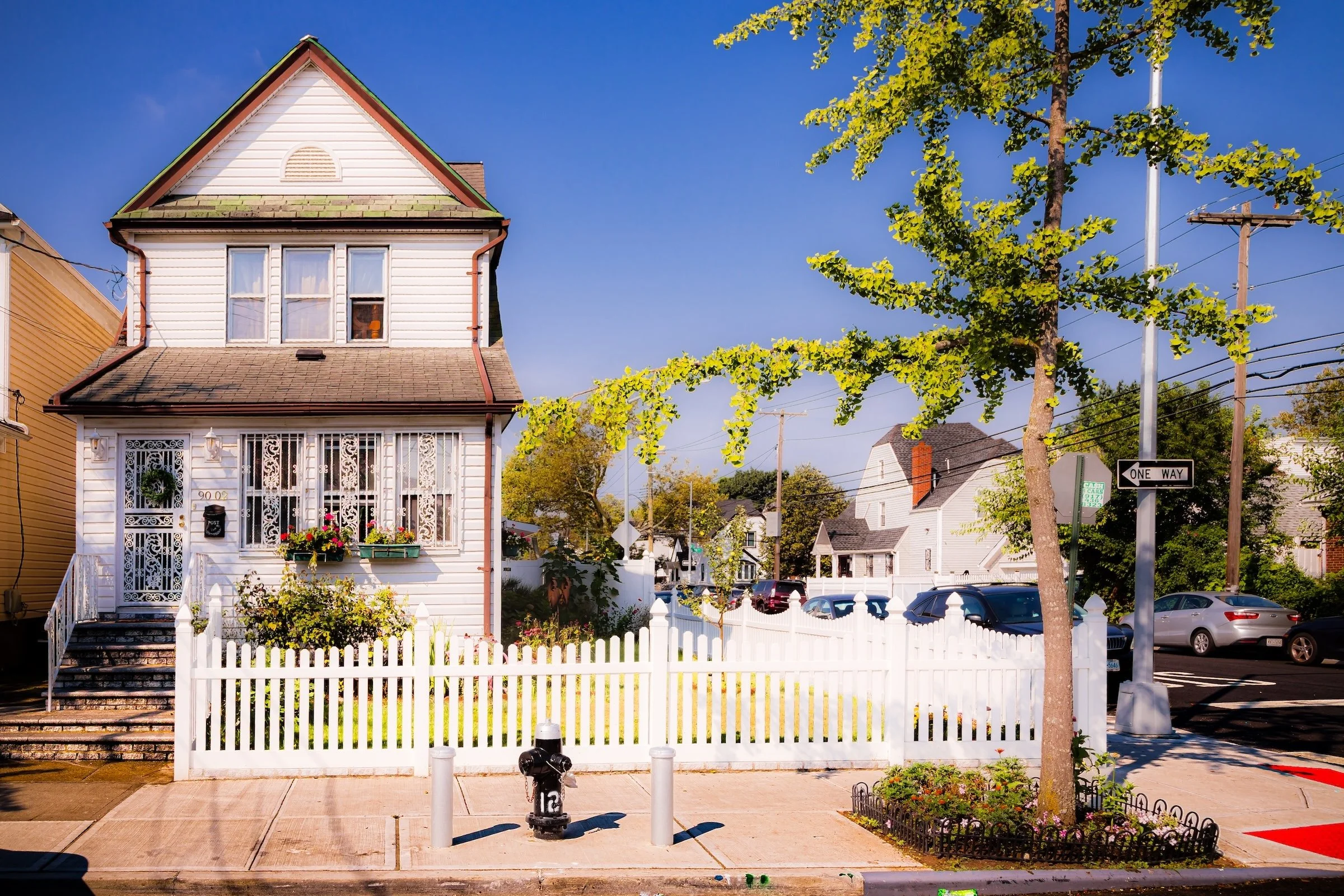
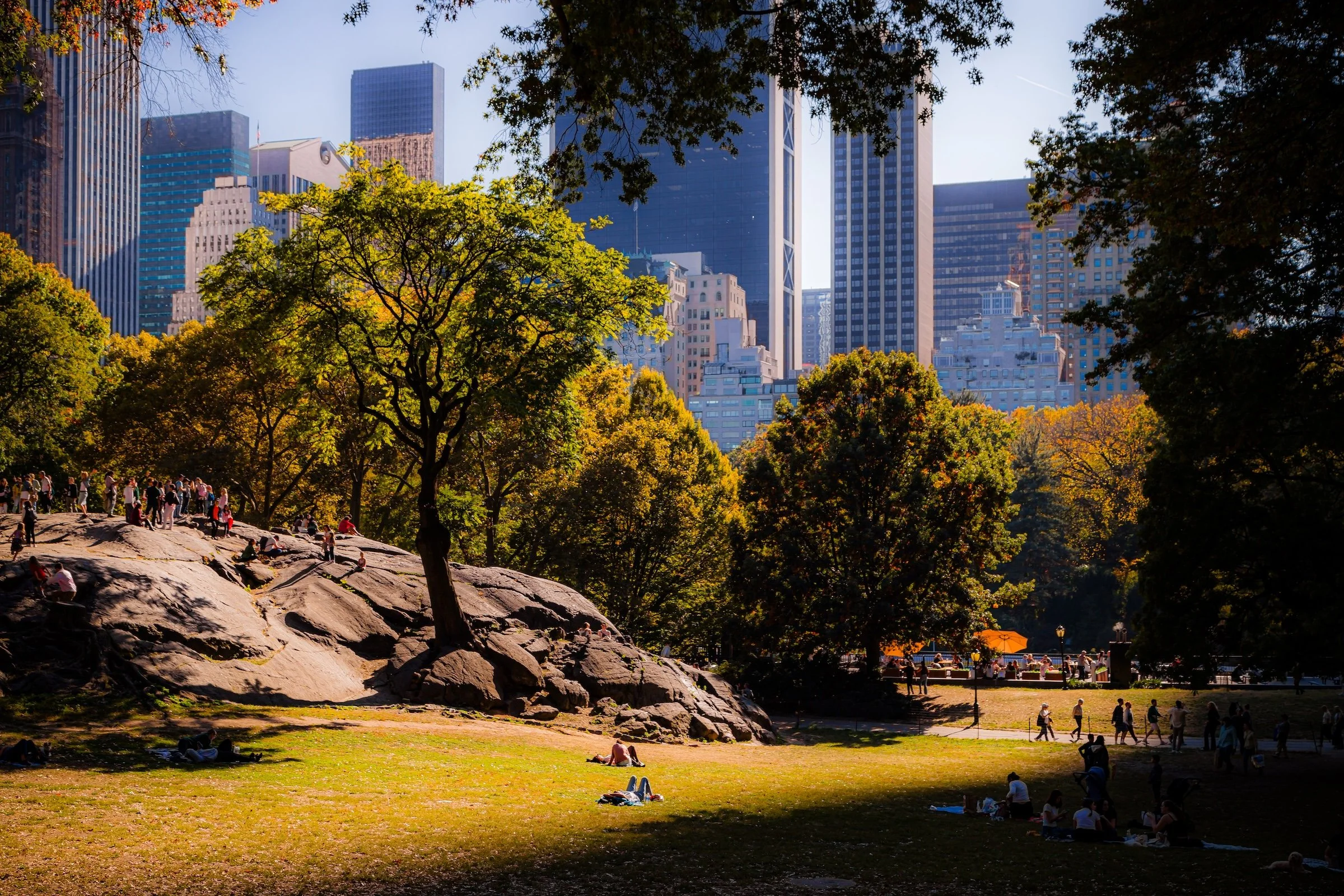
Central Park — Manhattan — Autumn Gold Bowl
The lawn becomes a glowing field, and the skyline sits behind it like a soft, distant backdrop—almost theatrical. This is Painted With Light as atmosphere: the frame isn’t shouting “subject,” it’s quietly saying “look what the light turned this into.”
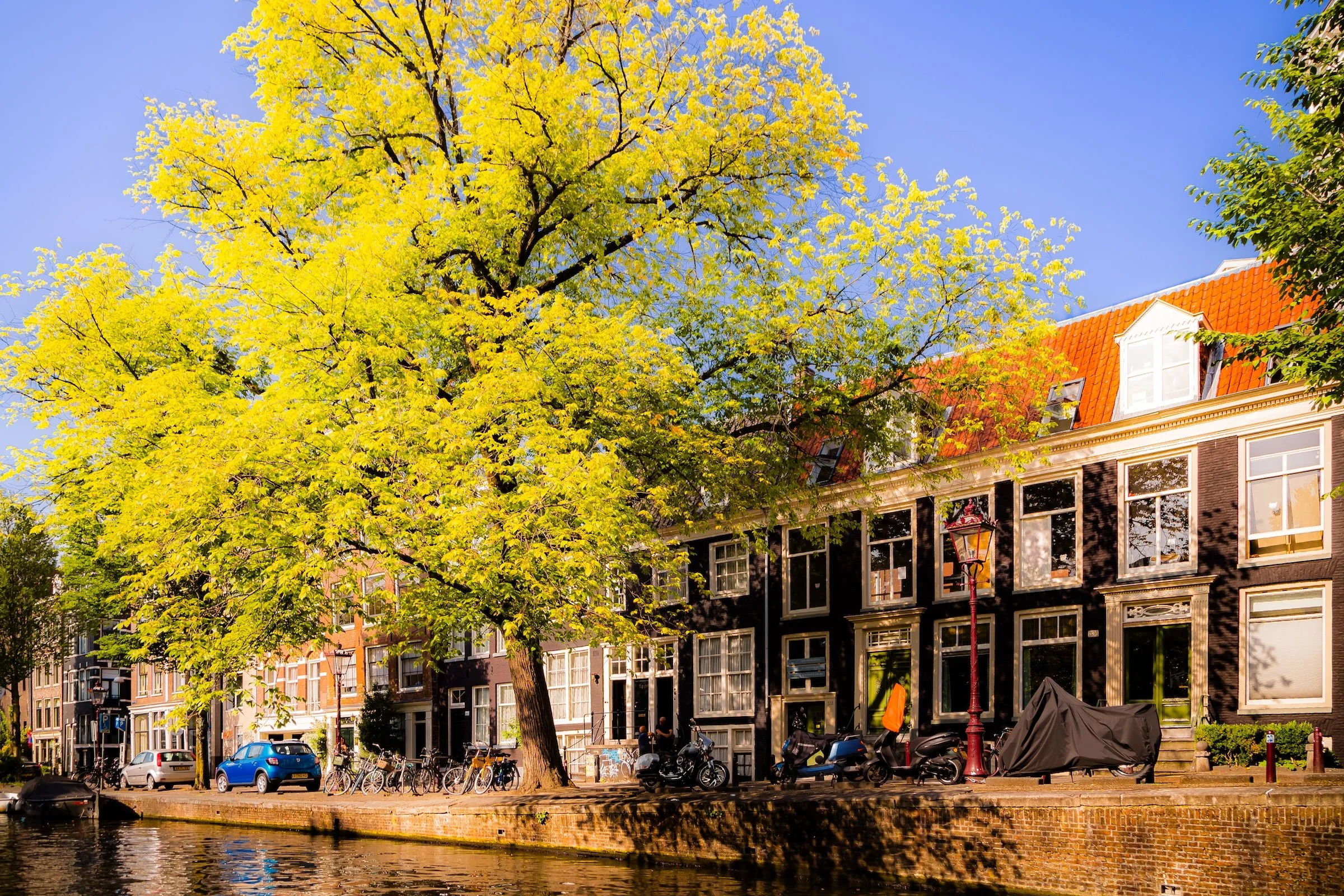
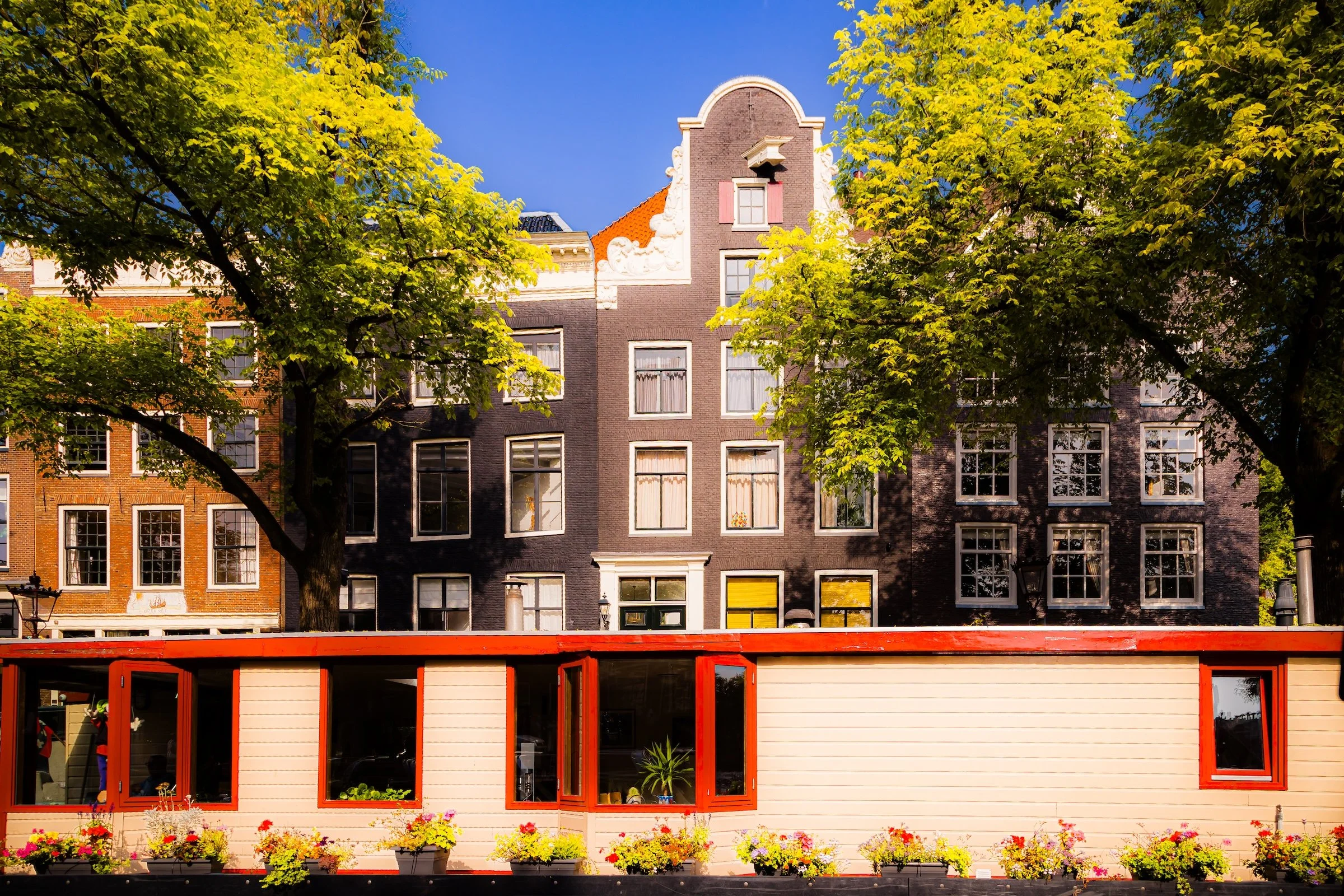
Canal District — Amsterdam — The Netherlands — Canal-Side Goldleaf
The leaves flare into yellow-green brilliance, while the street and canal edge hold darker, steadier tones beneath. That contrast—glow above, calm below—creates the sense of a scene brushed in luminous paint, not simply lit.
Airlight and Long Glow:
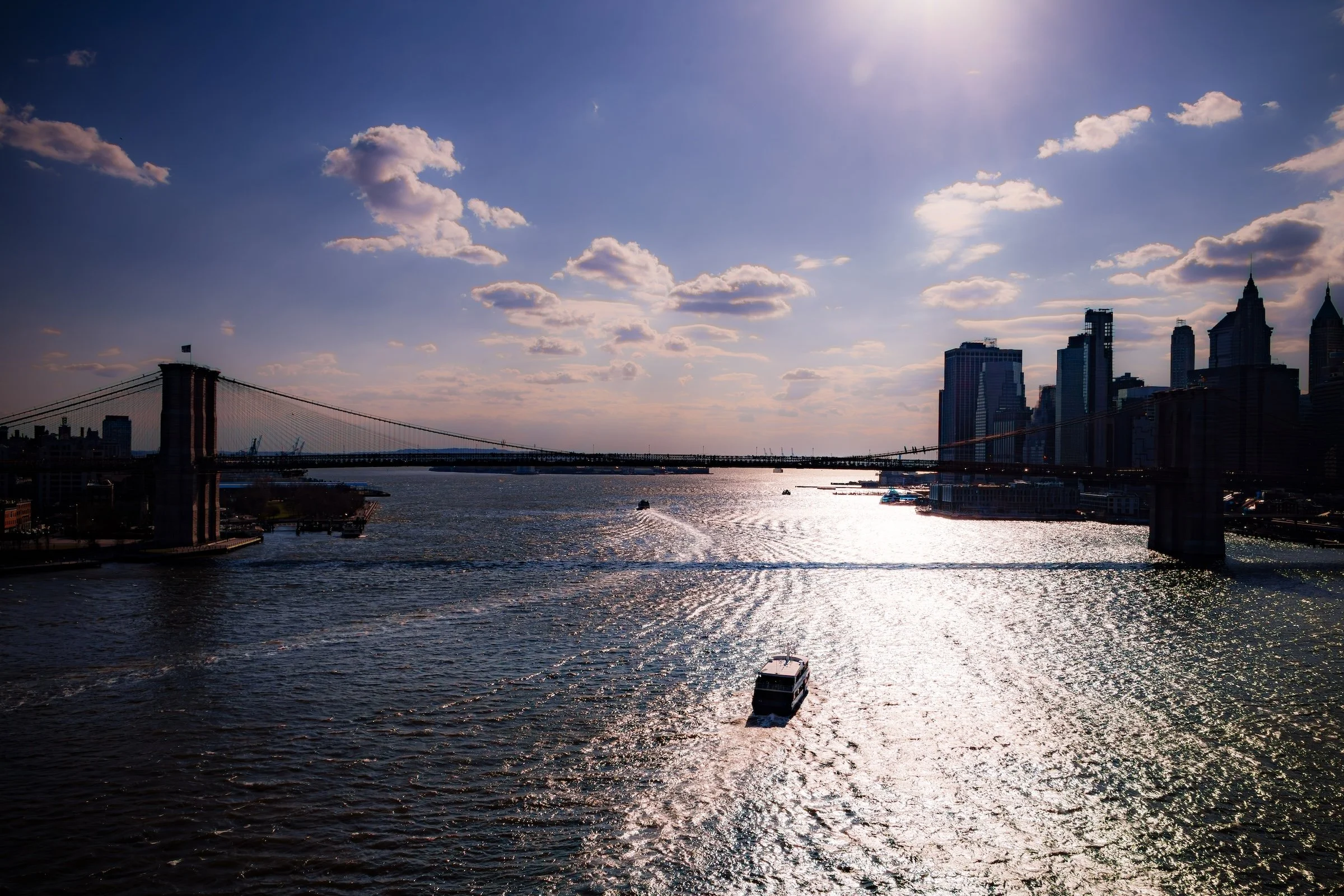
Sometimes the “paint” is in the air: haze, distance, gentle diffusion, and light that wraps instead of striking—creating scenes that feel softened, layered, and cinematic.
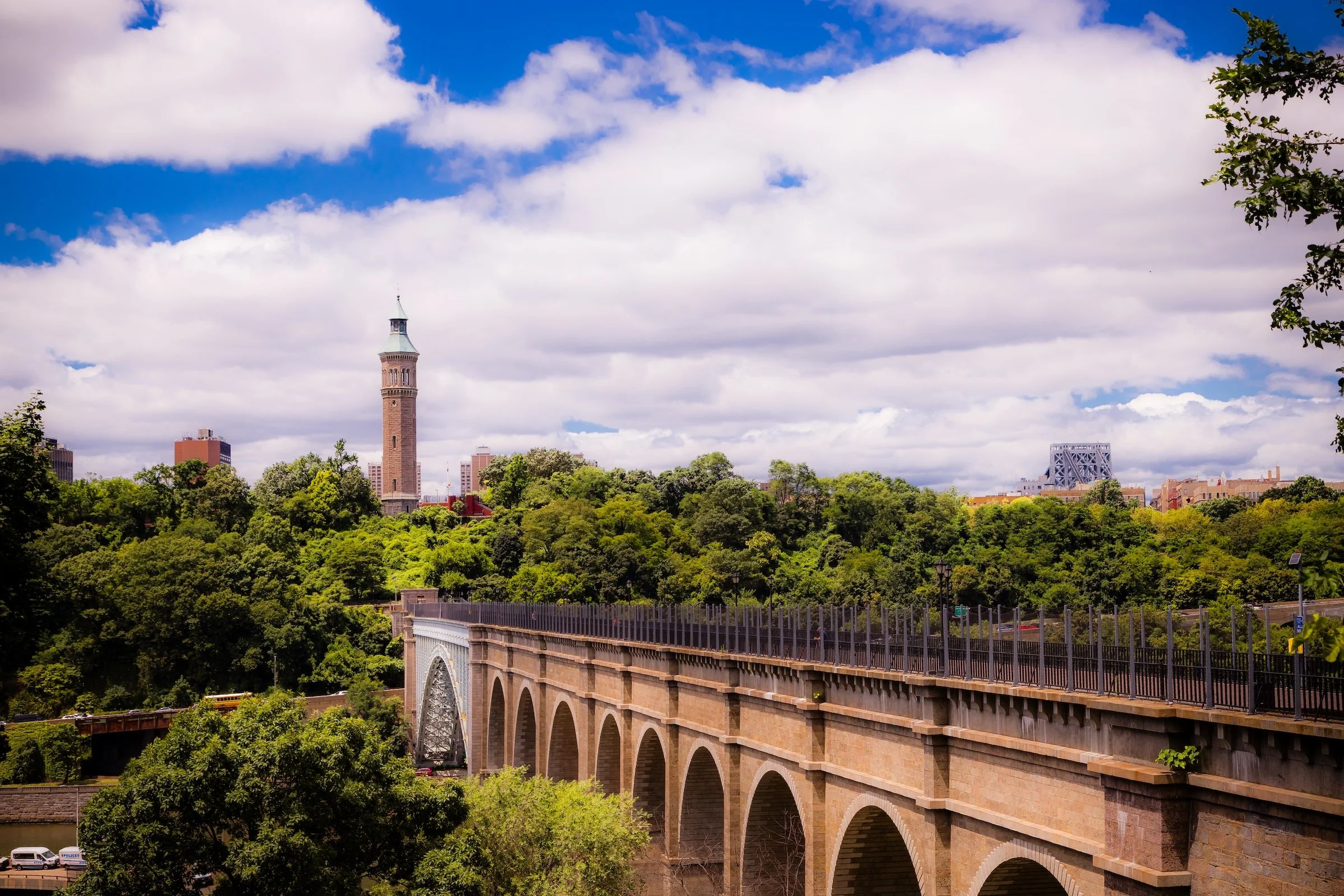
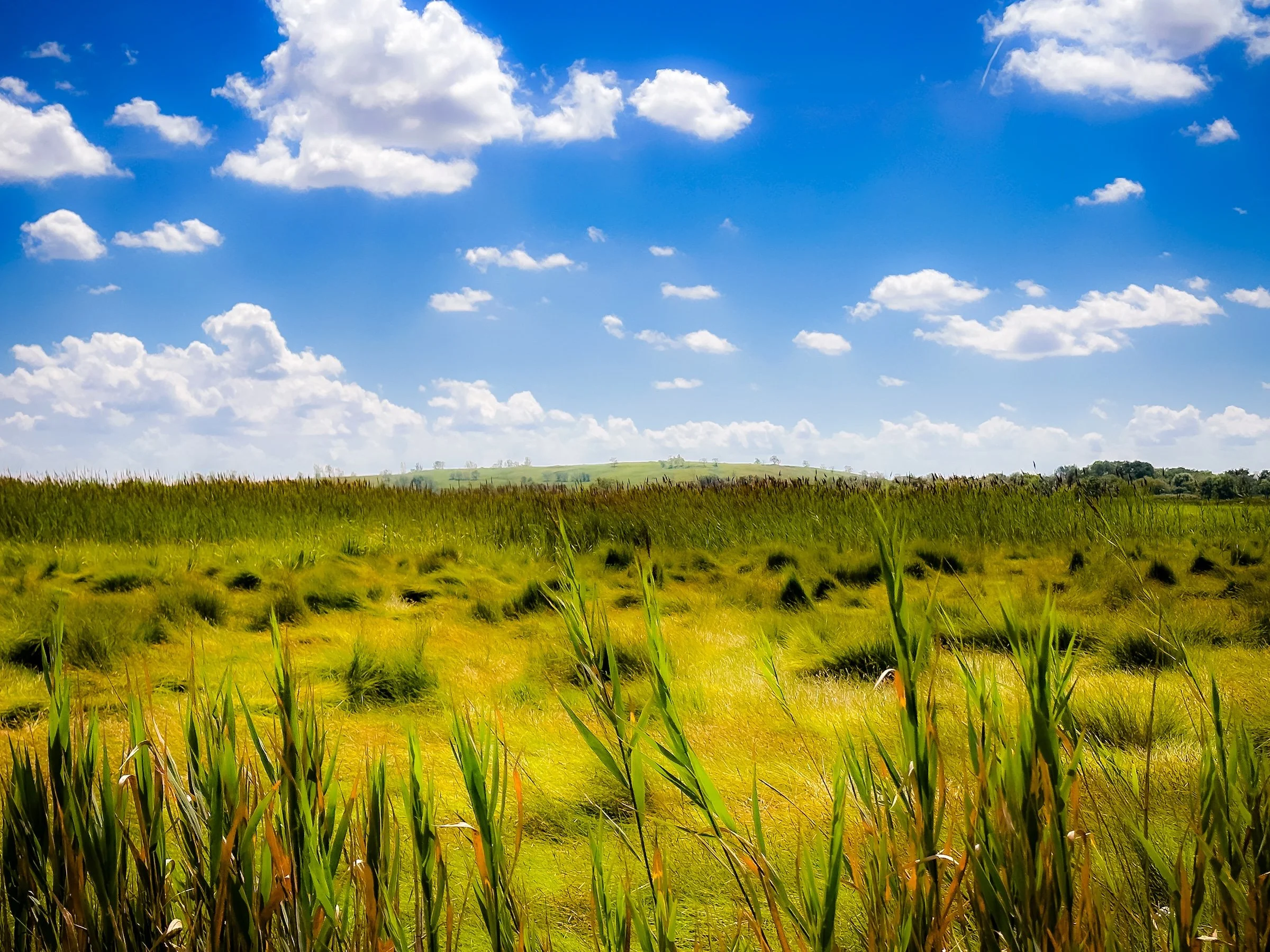
Highbridge — The Bronx — Highbridge Horizon
The sky and clouds become a giant painted backdrop, and the bridge reads like a deliberate stroke across the lower half. The light isn’t dramatic—it’s expansive—turning the whole scene into a wide, calm, tonal painting.
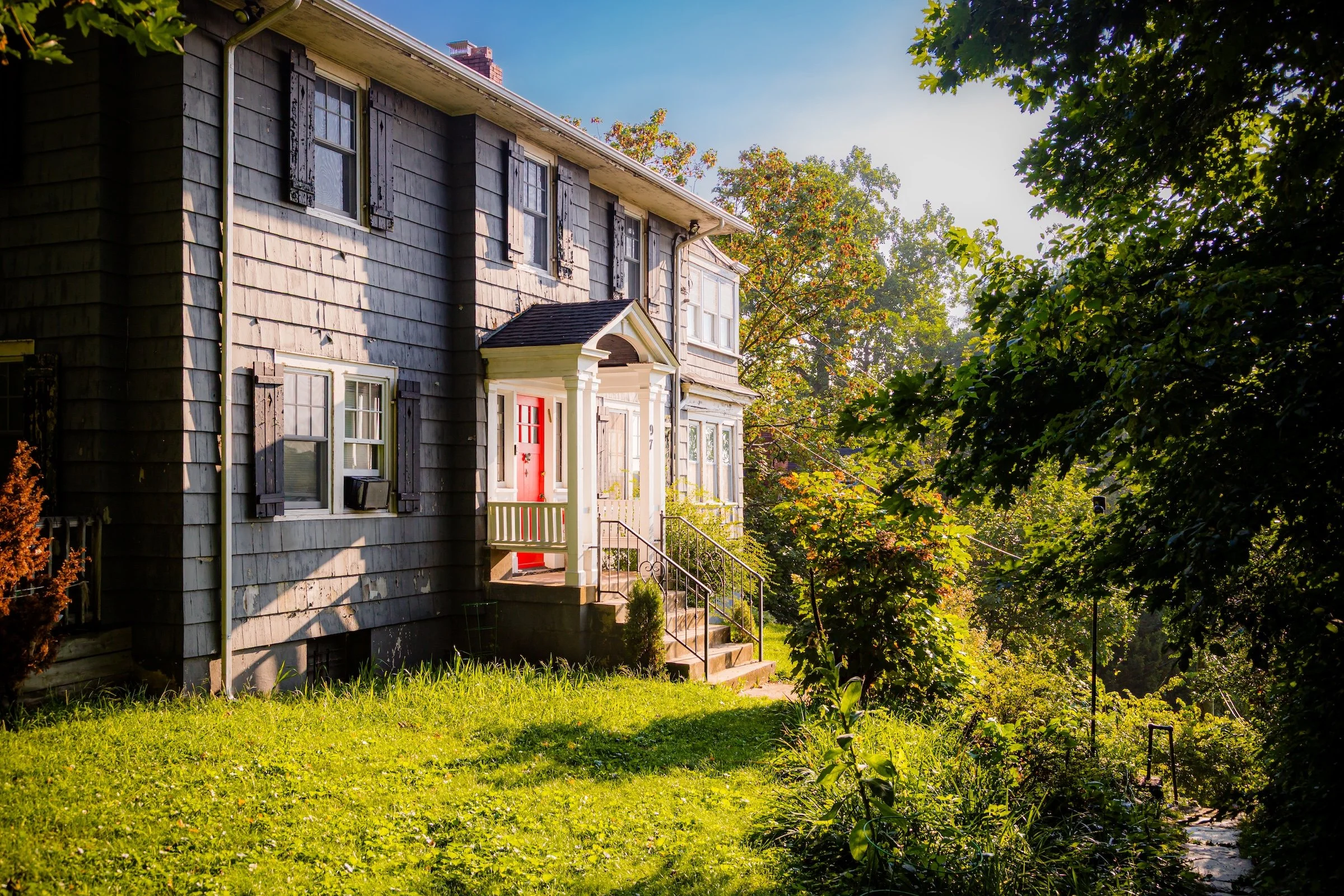
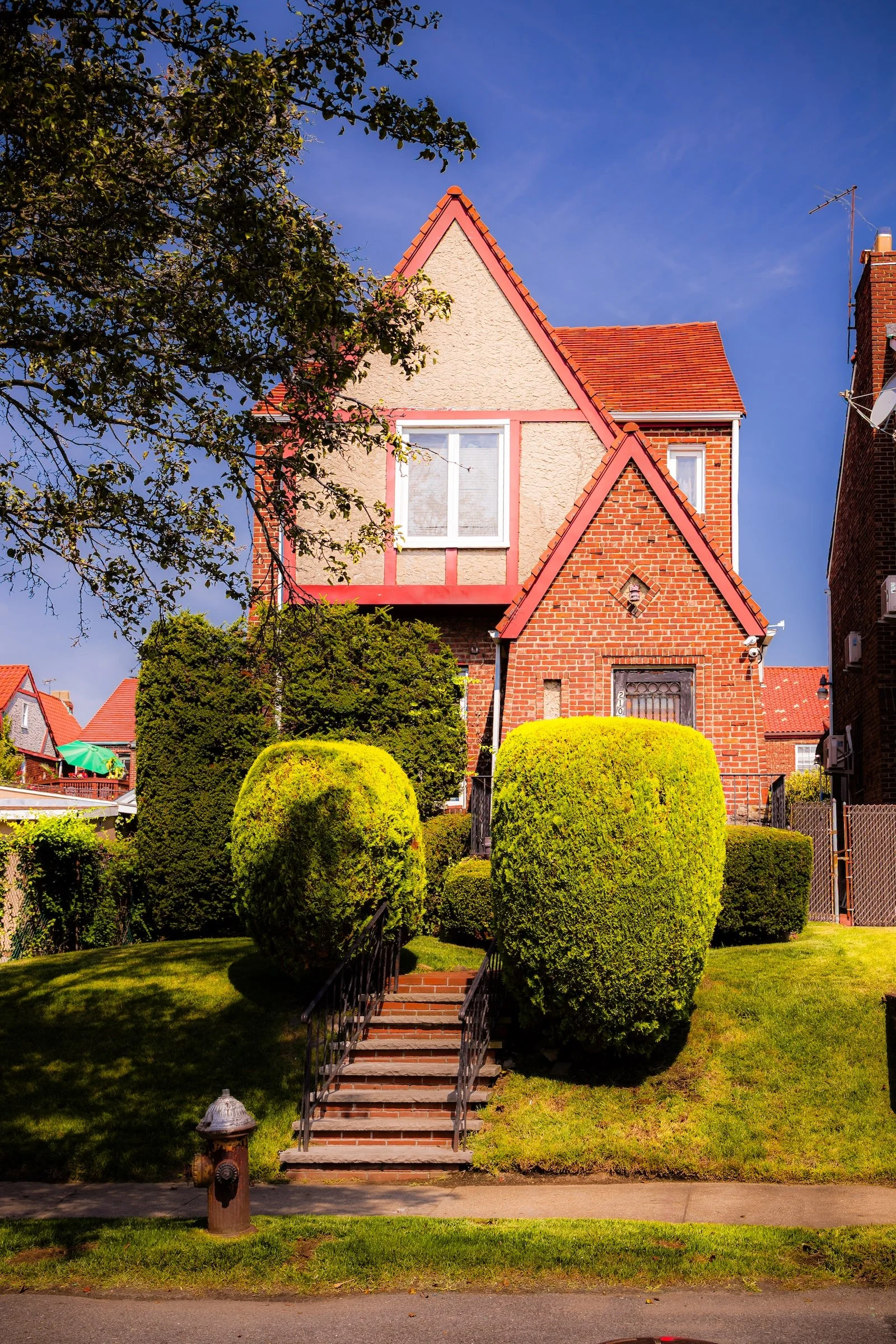
Brighton Heights — Staten Island — Red Door Radiance
The late light transforms the hillside into a warm stage, and that red door becomes a single “accent color” like a painter’s focal mark. The surrounding greens and shadows hold the composition together so the highlight feels intentional, not lucky.
Painting With Light Gallery



Explore Further