
CONCOURSE
The Bronx
Geographic Setting
Bounded by East 167th Street to the north, Grand Concourse to the east, East 149th Street to the south, the Harlem River to the west, and Jerome Avenue curving along its northwest edge, Concourse occupies one of the most architecturally striking and symbolically important sections of the Bronx. It lies atop a high plateau overlooking the Harlem River valley—an elevated urban boulevard district conceived as both gateway and civic showcase for the borough. At its heart runs the Grand Concourse, the four-mile Beaux-Arts boulevard completed in 1909 that lent its name and spirit to the neighborhood.
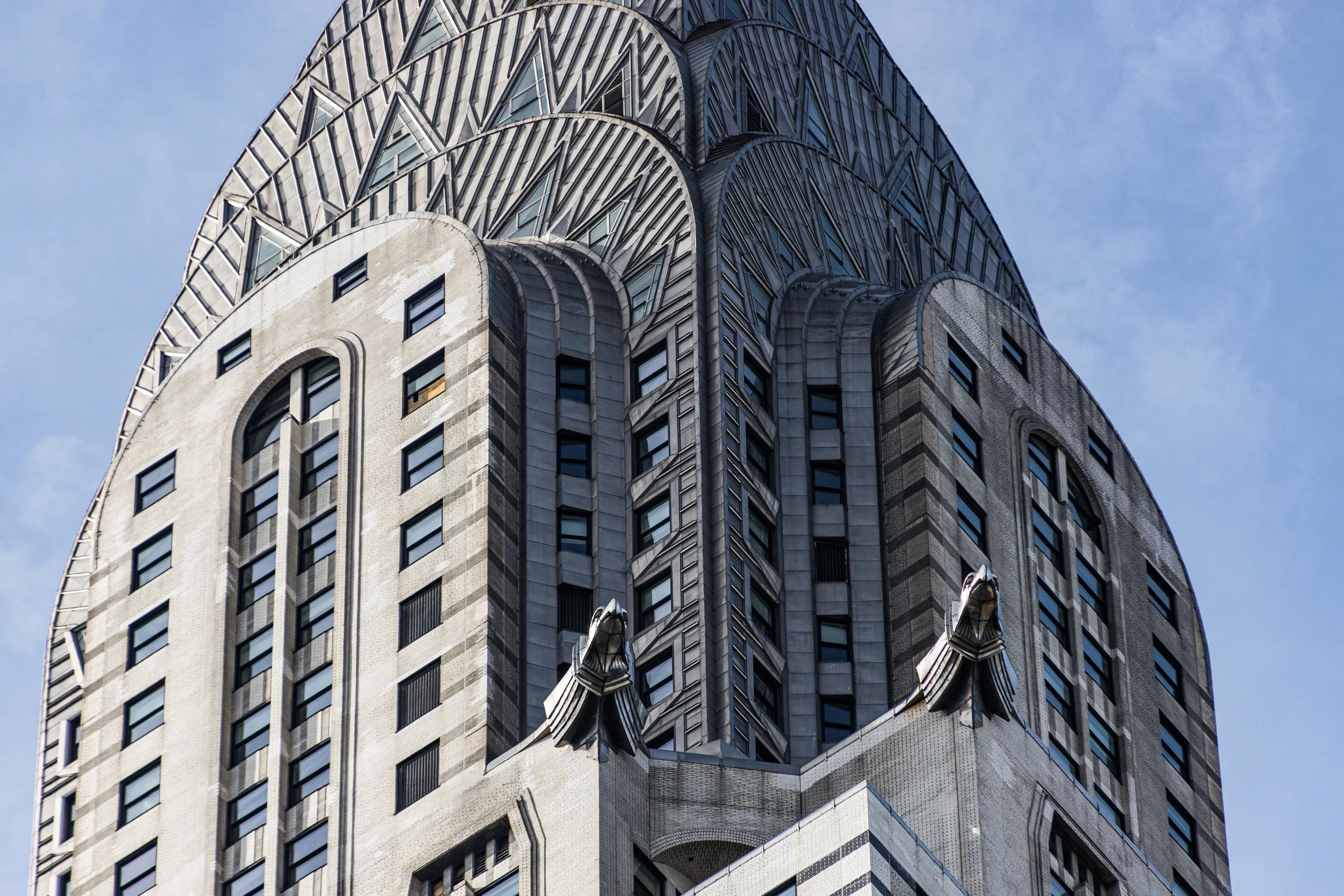
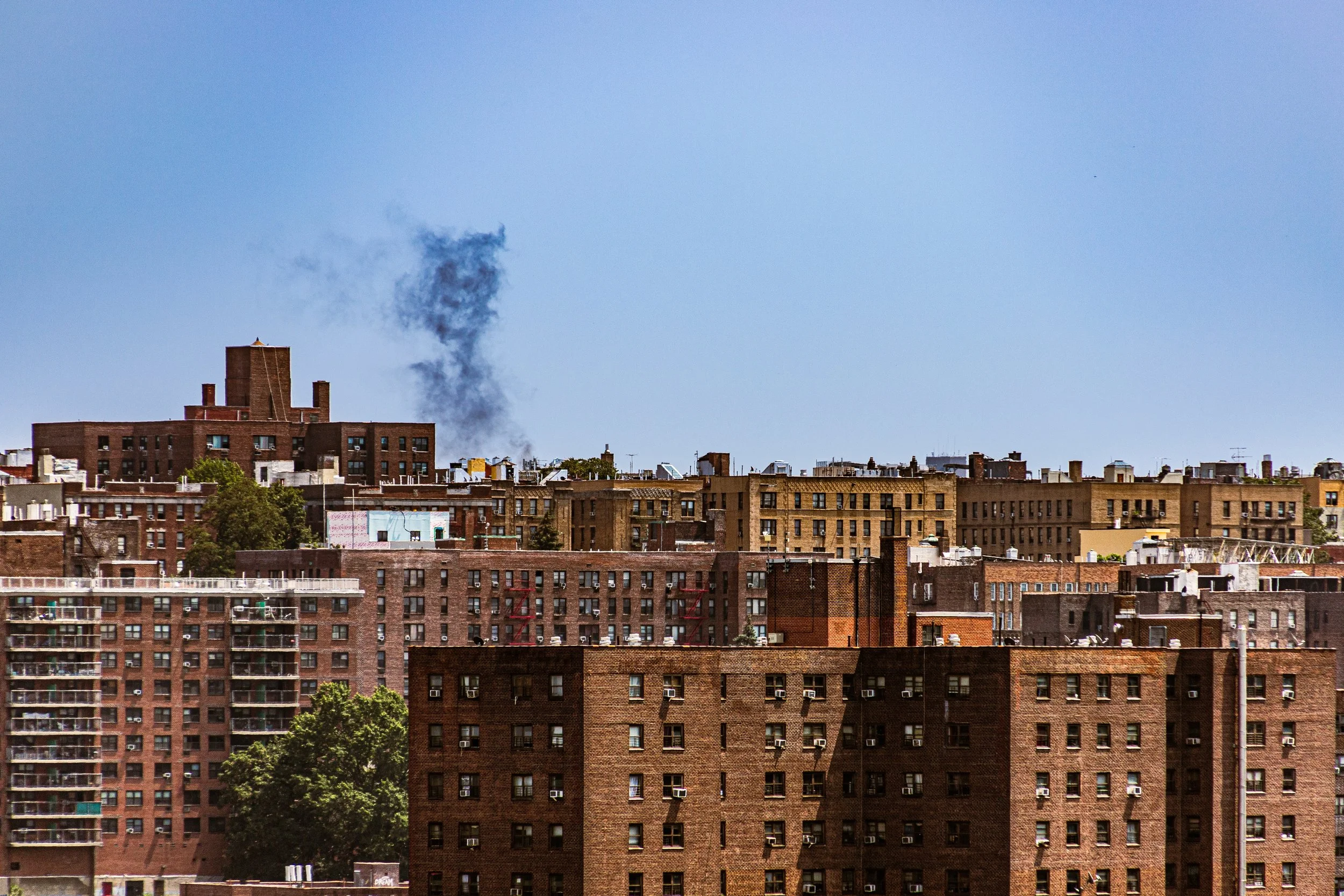
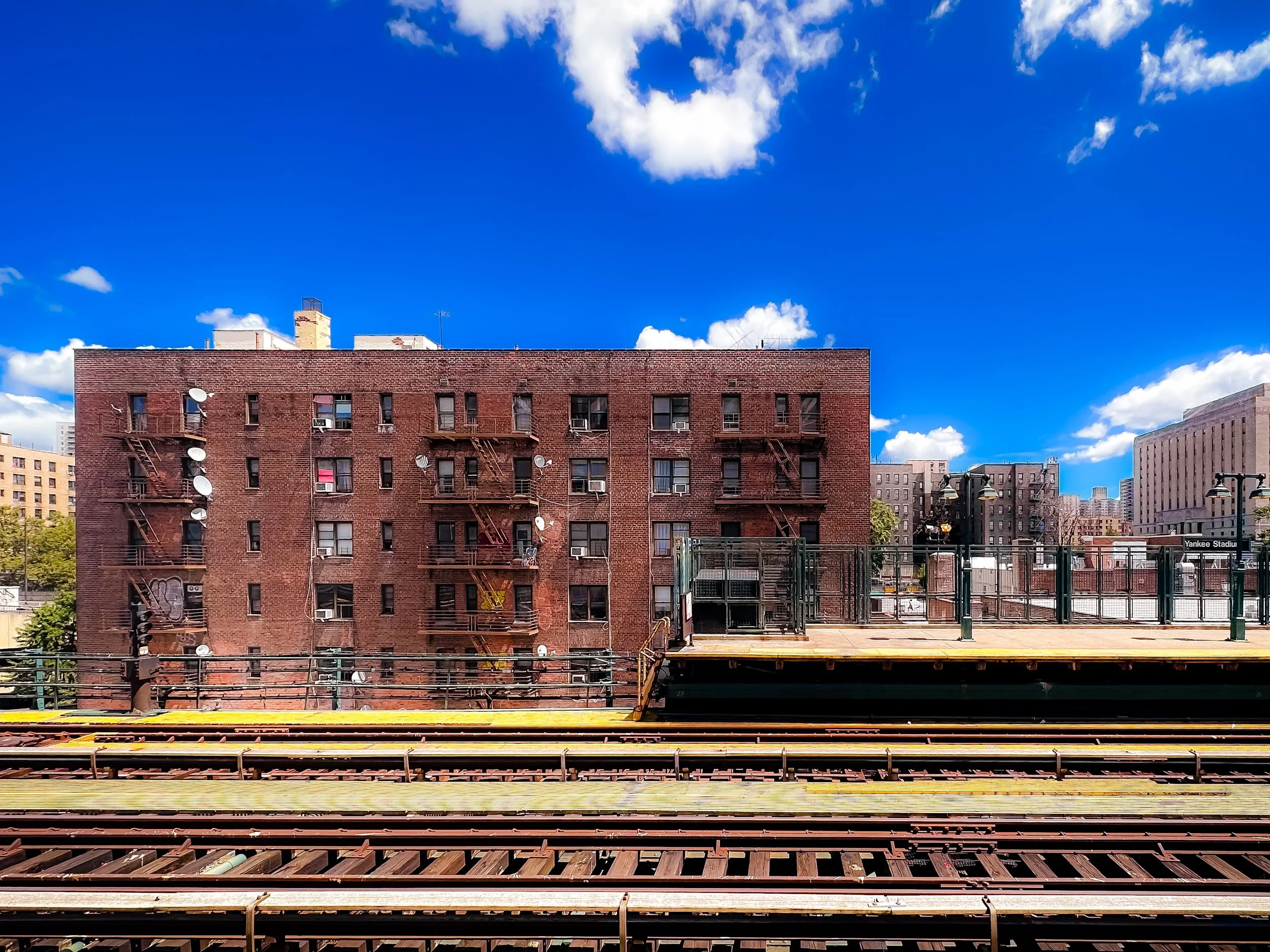
The district’s western slope descends toward the Harlem River Drive and the Major Deegan Expressway, where bridges—the 145th Street, Macombs Dam, and 155th Street Bridges—link the Bronx to Manhattan. To the east and north rise continuous rows of Art Deco apartment buildings, their limestone, terra-cotta, and brick façades forming a canyon of ornamentation unparalleled in New York. The Concourse neighborhood is also home to several of the Bronx’s civic landmarks: the Bronx County Courthouse, the Bronx Museum of the Arts, and the historic precincts around Yankee Stadium.
Today, Concourse remains a dense, walkable neighborhood blending monumental architecture, local commerce, and everyday Bronx life—an urban landscape where grand design meets enduring community.
Etymology
The name “Concourse” comes directly from the Grand Concourse, the boulevard that defines and organizes the area. The word itself—concourse, meaning a broad public thoroughfare or gathering place—embodied the city’s early 20th-century civic optimism. Designed by engineer Louis Aloys Risse, the Grand Concourse was inspired by the Champs-Élysées in Paris, envisioned as a ceremonial route connecting the northern borough to the rest of New York City.
Over time, “Concourse” came to describe not only the boulevard but the surrounding neighborhood—particularly the residential and civic district west of the street, overlooking the river. The name thus evolved from a specific infrastructure project into an identity of its own: The Concourse, a place of broad vistas, grandeur, and belonging.
The Neighborhood
Origins through the 19th Century
Before urbanization, the land that became Concourse was part of the rural Town of Morrisania, owned largely by the Morris family, whose estate encompassed vast tracts of the South Bronx. The ridgeline above the Harlem River offered panoramic views and clean air, dotted with farms and the occasional estate home. The arrival of the Harlem Railroad in the mid-19th century and the construction of bridges across the Harlem River began to link the area to Manhattan, but the terrain remained largely pastoral.
In the 1890s, Bronx Borough Engineer Louis Risse proposed the construction of a grand boulevard to connect the growing residential districts of the Bronx with Manhattan’s business core. The Grand Concourse, begun in 1894 and completed in 1909, transformed the landscape. Lined with newly laid streets and broad medians, it invited dense urban development while promising a quality of life associated with parks and promenades. This infrastructural vision effectively created the modern Bronx—and the neighborhood that bears its name.
Early 20th Century: The Boulevard of Dreams
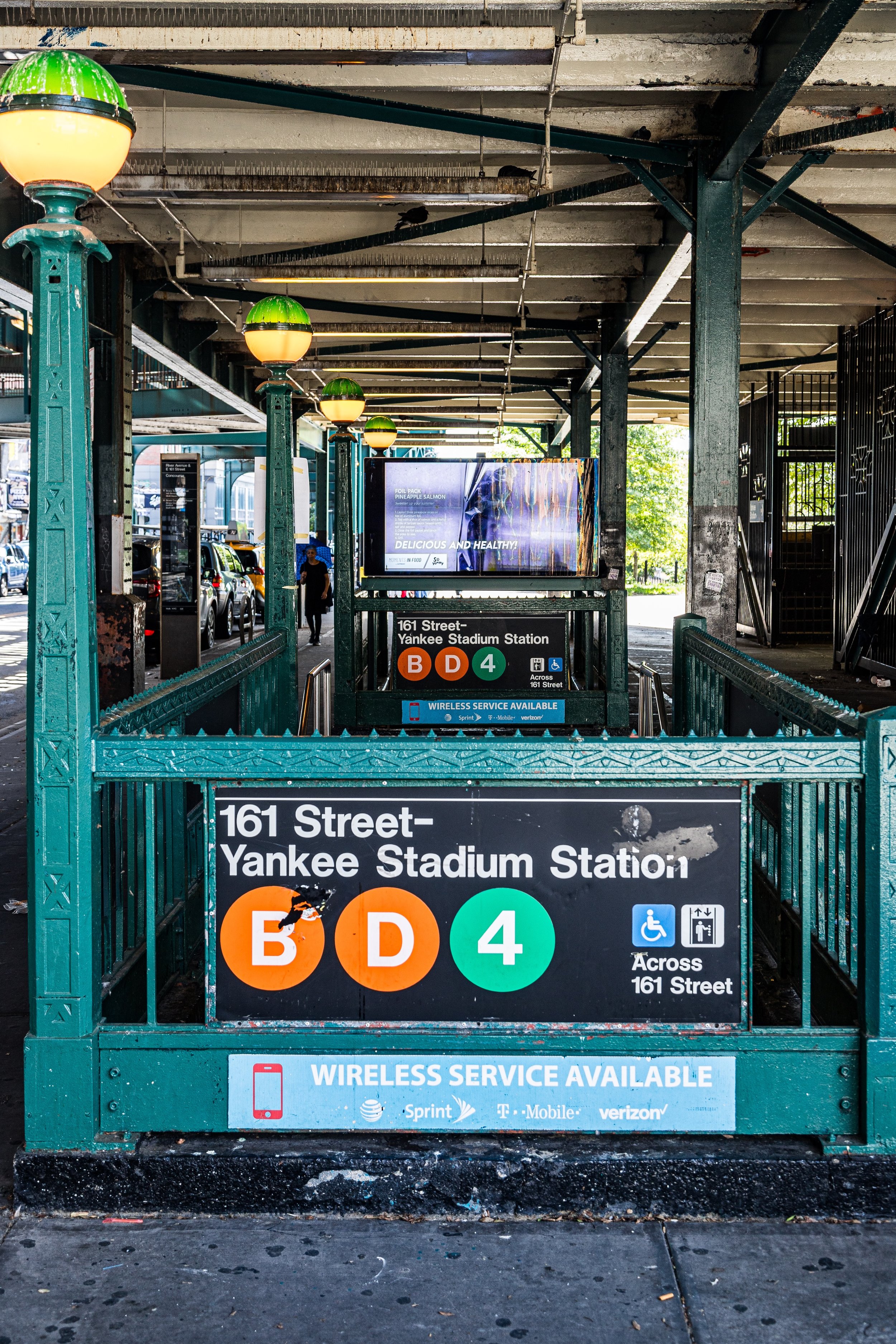
The first decades of the 20th century brought explosive growth. Developers erected Renaissance Revival and Art Deco apartment buildings along and west of the Grand Concourse, catering to a middle-class population—predominantly Jewish, Italian, and Irish families—seeking space, air, and prestige. The neighborhood quickly became known as the “Park Avenue of the Bronx.” Wide sidewalks, landscaped medians, and proximity to the Jerome Avenue subway line (4 train) and the Concourse IND line (B/D trains) made it both elegant and convenient.
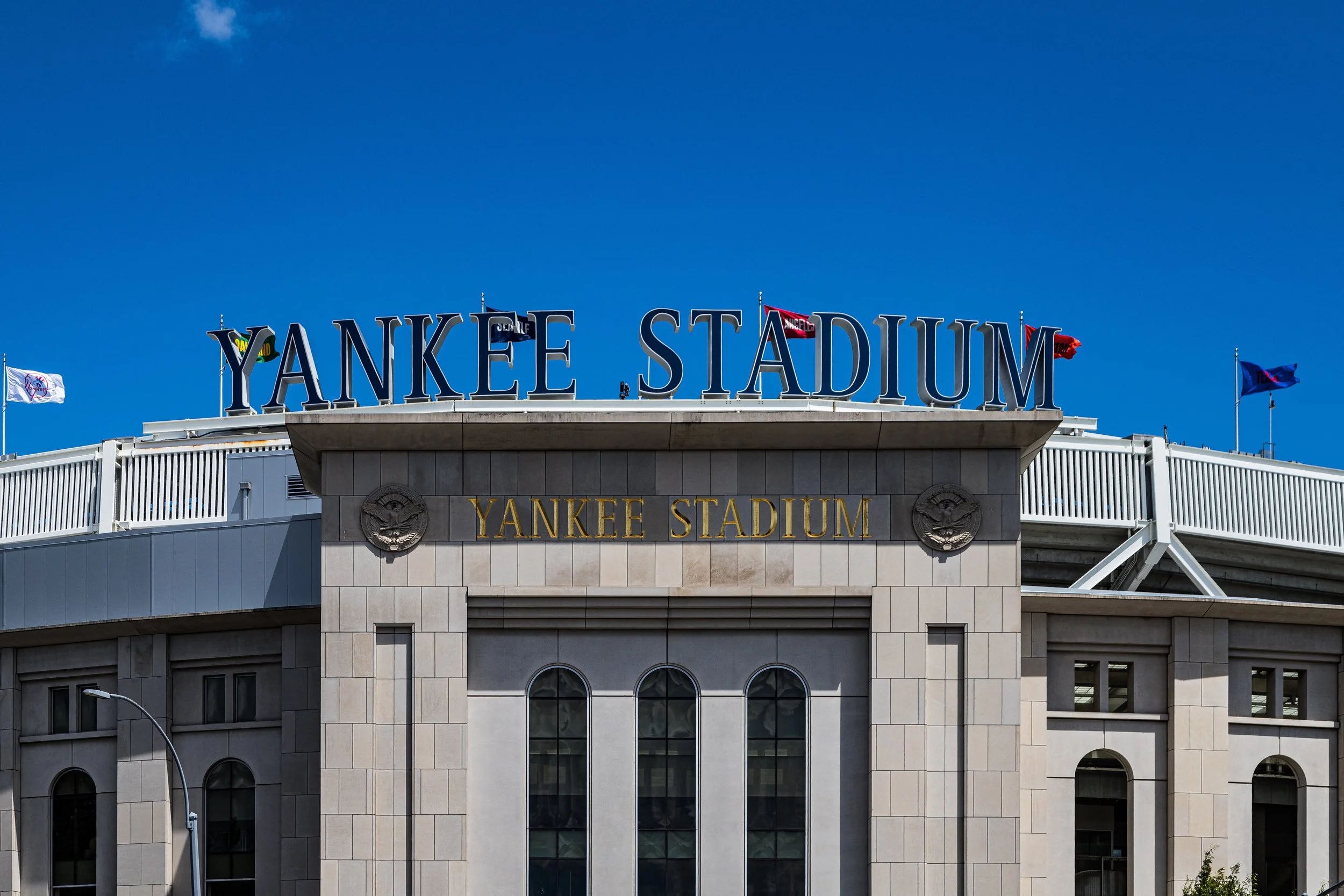
The Bronx Borough Courthouse (constructed 1931–34), with its monumental granite façade and relief sculptures, became a centerpiece of civic architecture. Around it rose schools, theaters, and small businesses. The completion of Yankee Stadium in 1923 anchored the southern edge of the neighborhood, linking Concourse forever to the mythology of New York baseball.
The interwar years were Concourse’s golden age. Block after block filled with Art Deco masterpieces, their geometric motifs, glass-block lobbies, and terrazzo floors embodying the optimism of a borough in full bloom. Residents took pride in polished brass doorways and marble foyers. From roof decks, one could see the Bronx spreading out like a new metropolis.
Concourse Video Coming Soon
Mid–Late 20th Century: Decline and Persistence
The postwar years brought profound change. As highways cut through the Bronx and middle-class families moved to the suburbs, Concourse’s once-luxury apartments became more affordable to new migrants—first Puerto Rican families in the 1950s–1960s, then African-American and later Dominican and West African residents. The Cross Bronx Expressway, completed in 1963, ran just north of East 167th Street, severing parts of the neighborhood from Mount Eden and fueling disinvestment.
By the 1970s, the South Bronx faced abandonment, fires, and economic collapse. Many Concourse buildings fell into disrepair, yet the district never fully emptied. Tenants organized to maintain their properties, churches sustained block stability, and the area’s monumental architecture, though weathered, continued to inspire loyalty. The Bronx Museum of the Arts, established in 1971 within the former Bronx County Courthouse Annex, became a beacon of cultural life amid decline.
Despite hardship, the Concourse remained symbolically central—the place where the Bronx’s resilience and creative spirit endured even in its darkest decades.
21st Century: Restoration and Cultural Renaissance
In the new century, Concourse has experienced a striking architectural and cultural revival. Major restorations have returned many Art Deco apartment buildings to their original brilliance, their mosaic lobbies and decorative façades now protected as part of the Grand Concourse Historic District (designated 2011).
Public investment has followed. The Bronx Museum of the Arts has expanded its programming and facilities, while new affordable and mixed-income housing developments have risen on formerly vacant lots. Streetscapes have been upgraded with bike lanes, plantings, and restored medians. The area around 161st Street and River Avenue—anchored by the new Yankee Stadium (opened 2009)—has been reimagined as a civic plaza linking baseball, culture, and community.
Today, Concourse is a vibrant crossroads of heritage and renewal. Longtime Puerto Rican and Dominican residents coexist with younger professionals, artists, and immigrants from Africa and Latin America. The sound of Latin music mingles with the echo of baseball crowds, and the blend of old and new architecture symbolizes the Bronx’s continuing transformation.
Concourse Photo Gallery
Spirit and Legacy
The spirit of Concourse is one of enduring grandeur and grounded pride. Built as a vision of urban beauty, weathered by neglect, and reborn through collective determination, it stands as a monument not just to architecture but to the resilience of the Bronx itself.
New York City
Use this custom Google map to explore where every neighborhood in all five boroughs of New York City is located.
The Five Boroughs
One of New York City’s unique qualities is its organization in to 5 boroughs: Manhattan, Brooklyn, Queens, The Bronx, and Staten Island. These boroughs are part pragmatic administrative districts, and part vestiges of the region’s past. Each borough is an entire county in New York State - in fact, Brooklyn is, officially, Kings County, while Staten Island is, officially Richmond County. But that’s not the whole story …
Initially, New York City was located on the southern tip of Manhattan (now the Financial District) that was once the Dutch colony of New Amsterdam. Across the East River, another city was rising: Brooklyn. In time, the city planners realized that unification between the rapidly rising cities would create commercial and industrial opportunities - through streamlined administration of the region.
So powerful was the pull of unification between New York and Brooklyn that three more counties were pulled into the unification: The Bronx, Queens, and Staten Island. And on January 1, 1898, the City of New York unified two cities and three counties into one Greater City of New York - containing the five boroughs we know today.
But because each borough developed differently and distinctly until unification, their neighborhoods likewise uniquely developed. Today, there are nearly 390 neighborhoods, each with their own histories, cultures, cuisines, and personalities - and each with residents who are fiercely proud of their corner of The Big Apple.