
Wedge Geometry
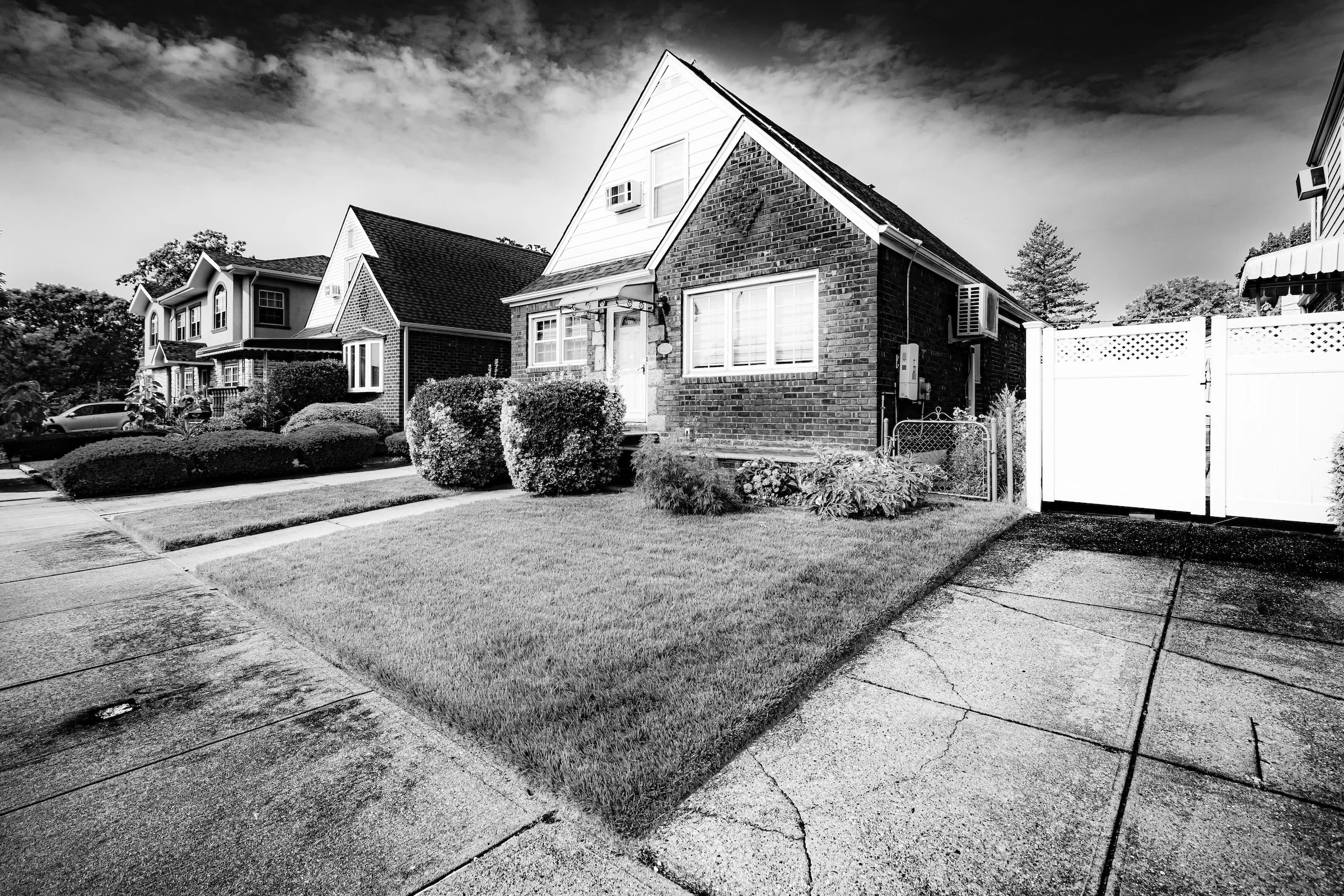
Wedge Geometry is the practice of composing photographs around wedge-shaped spatial tension—where sidewalks, curbs, lawns, walls, corners, rooflines, or converging architectural edges create a strong directional shape that organizes the frame. The image may still contain triangles, but the deeper logic is broader than that: it is about how a wedge of space, surface, or structure can steer the eye and give the composition both force and clarity.

The Power of Lines
The Power of Lines is the practice of using lines—literal or implied—to organize a photograph. Lines pull the viewer’s eye, define depth, create rhythm, and turn everyday streetscapes into compositions with intention.
Repetitions & Patterns
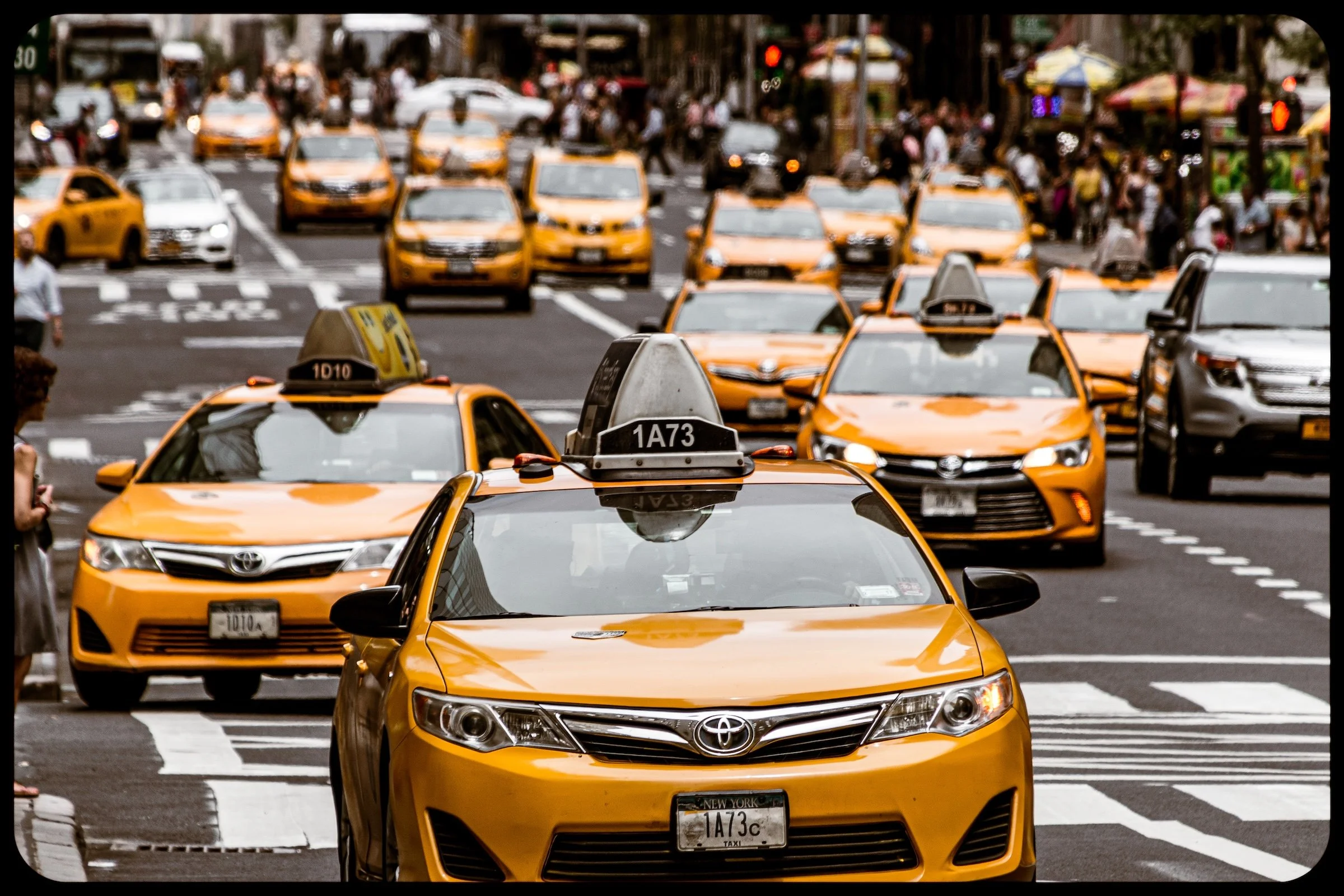
A compositional strategy that uses repeated forms—shapes, colors, lines, textures, architectural modules, or moving elements—to create rhythm in the frame. In Repetitions & Patterns, the subject is often the structure itself: grids of windows, recurring arches, repeated stoops, aligned rooftops, or a chorus of taxis. Variation matters here: the best patterns include small breaks (a different color, a missing element, a single interruption) that make the repetition feel alive instead of mechanical.
Vanishing Points
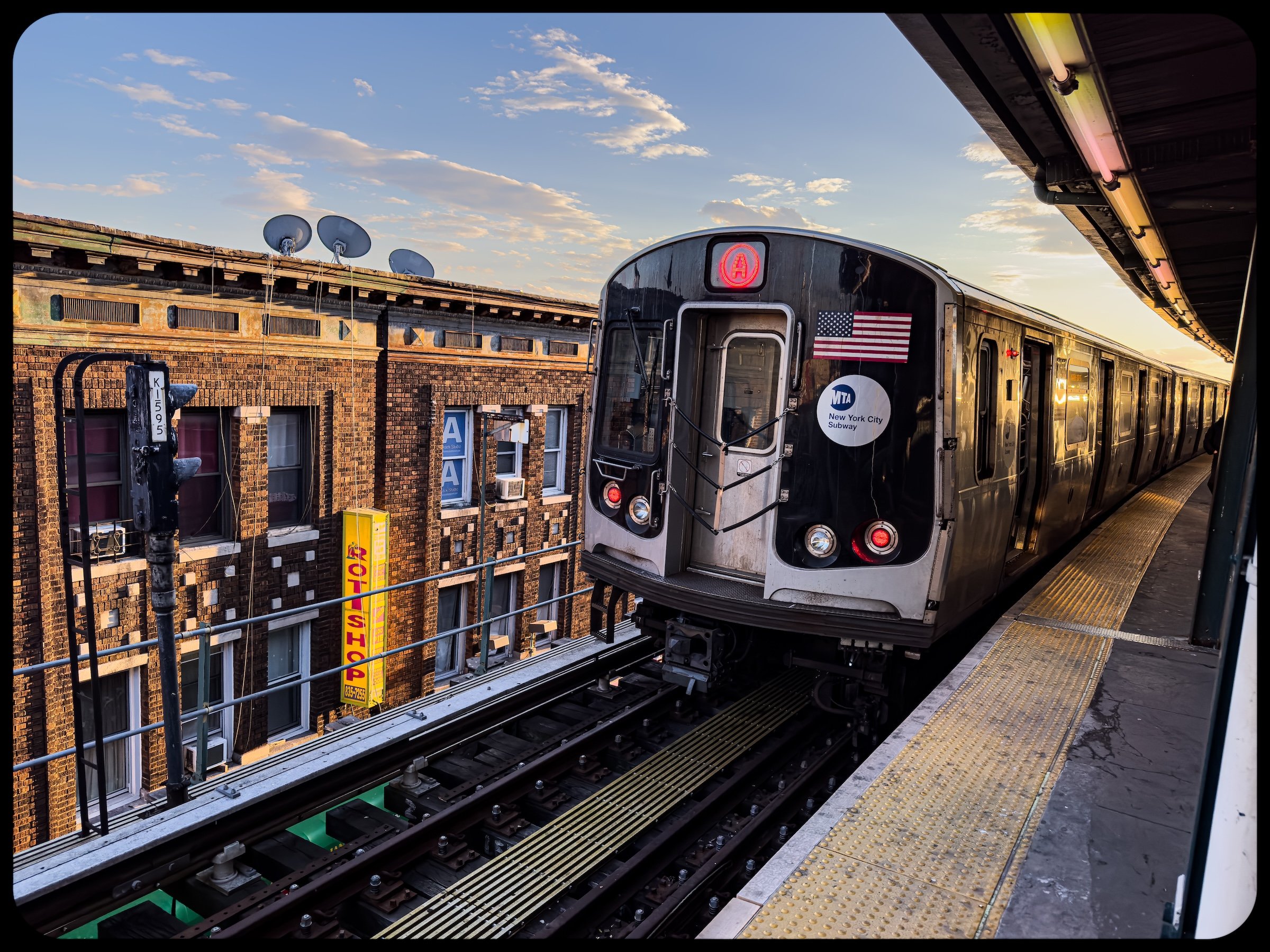
Vanishing Points is the practice of composing a photograph around a point of convergence—where parallel lines (tracks, curbs, facades, canals, fences, shadows) appear to meet in the distance. It’s the visual spell that turns a street or corridor into a story with a destination.

Geometric City
Geometric City is the practice of photographing the built environment as shape-first design—where buildings become grids, diagonals, tessellations, curves, and repeating modules. The city stops being “a place” and starts behaving like a living diagram: planes of glass, stacked windows, rigid columns, spirals of steel, and improbable angles that turn perspective into pattern.
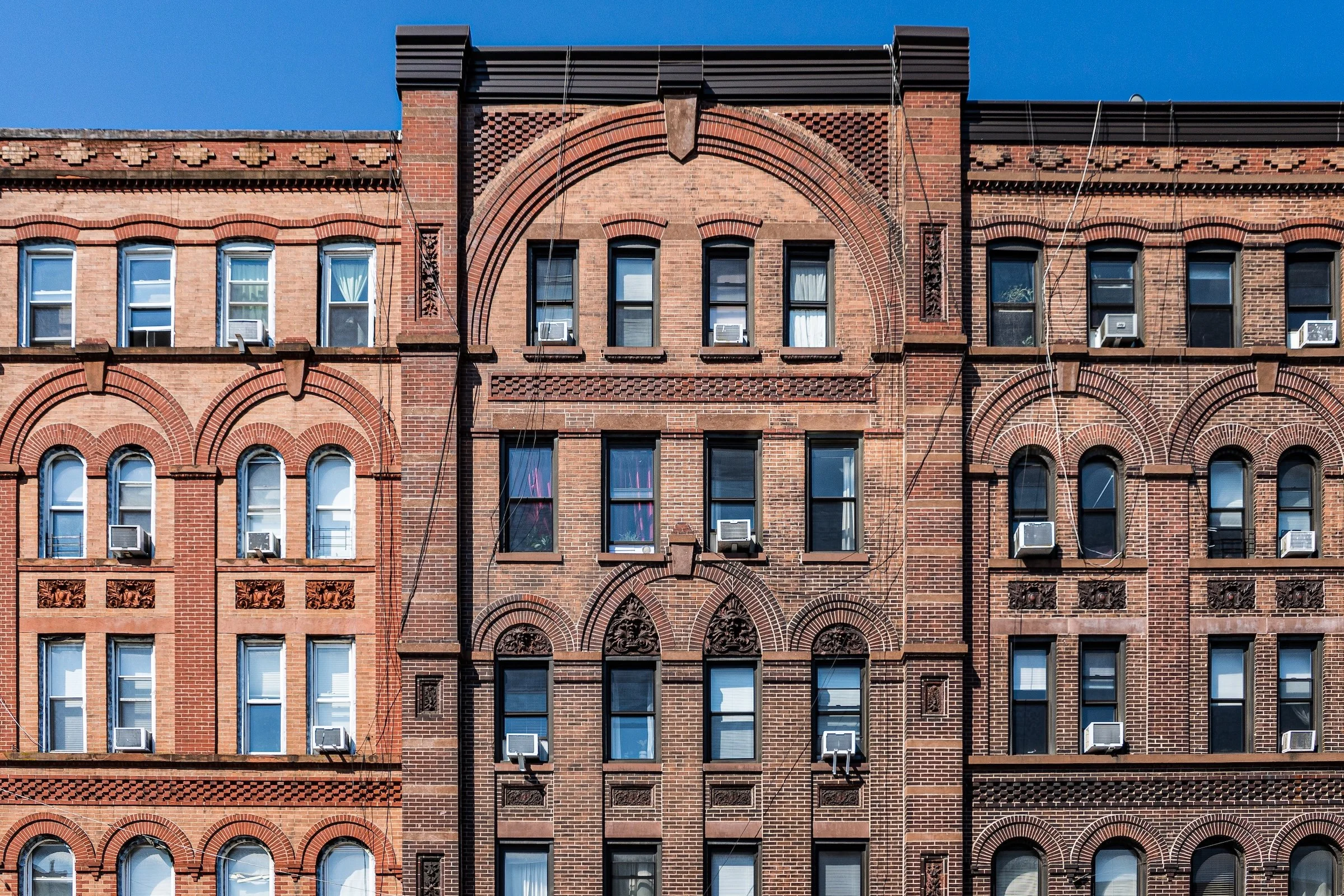
Upright Alignment
Upright Alignment is the practice of photographing architecture so it stands straight—verticals stay vertical, horizons stay level, and the building reads like a composed portrait rather than a collapsing snapshot. It’s the “square-up” instinct: the frame becomes an act of respect for structure.
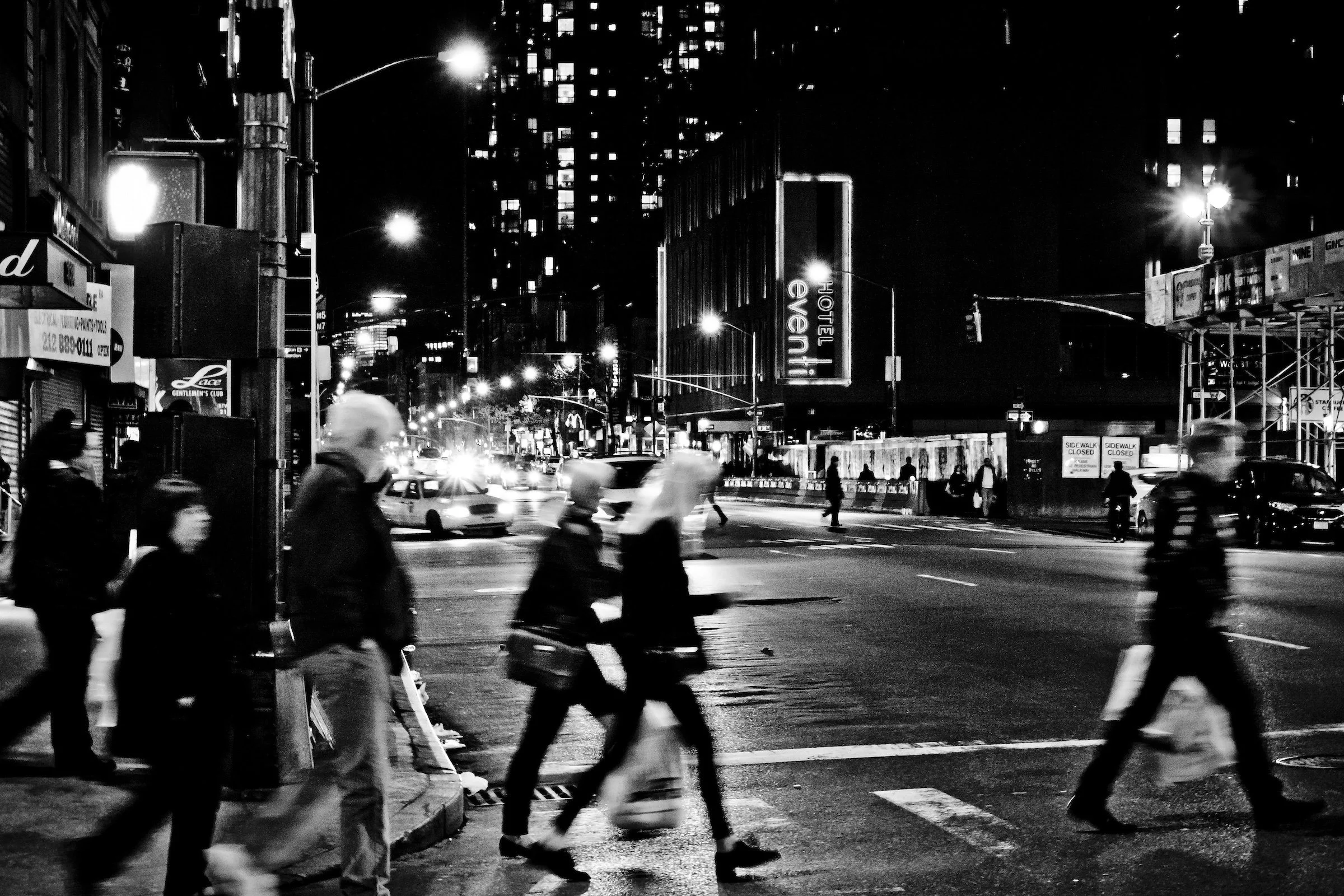
Crosswalk Cadence
Crosswalk Cadence is the use of crosswalks, lane markings, and street striping as rhythmic structure—visual beats that organize motion, guide the eye, and turn intersections into choreography. The subject may be a cyclist, a crowd, a building, or pure pattern, but the cadence comes from the street’s graphic language.

Abstractions
Abstractions turn the city into pure visual language—shape, color, texture, rhythm—so the image can stand on its own even if the viewer never identifies the literal subject.