
NORTH CORONA
Queens
Geographic Setting
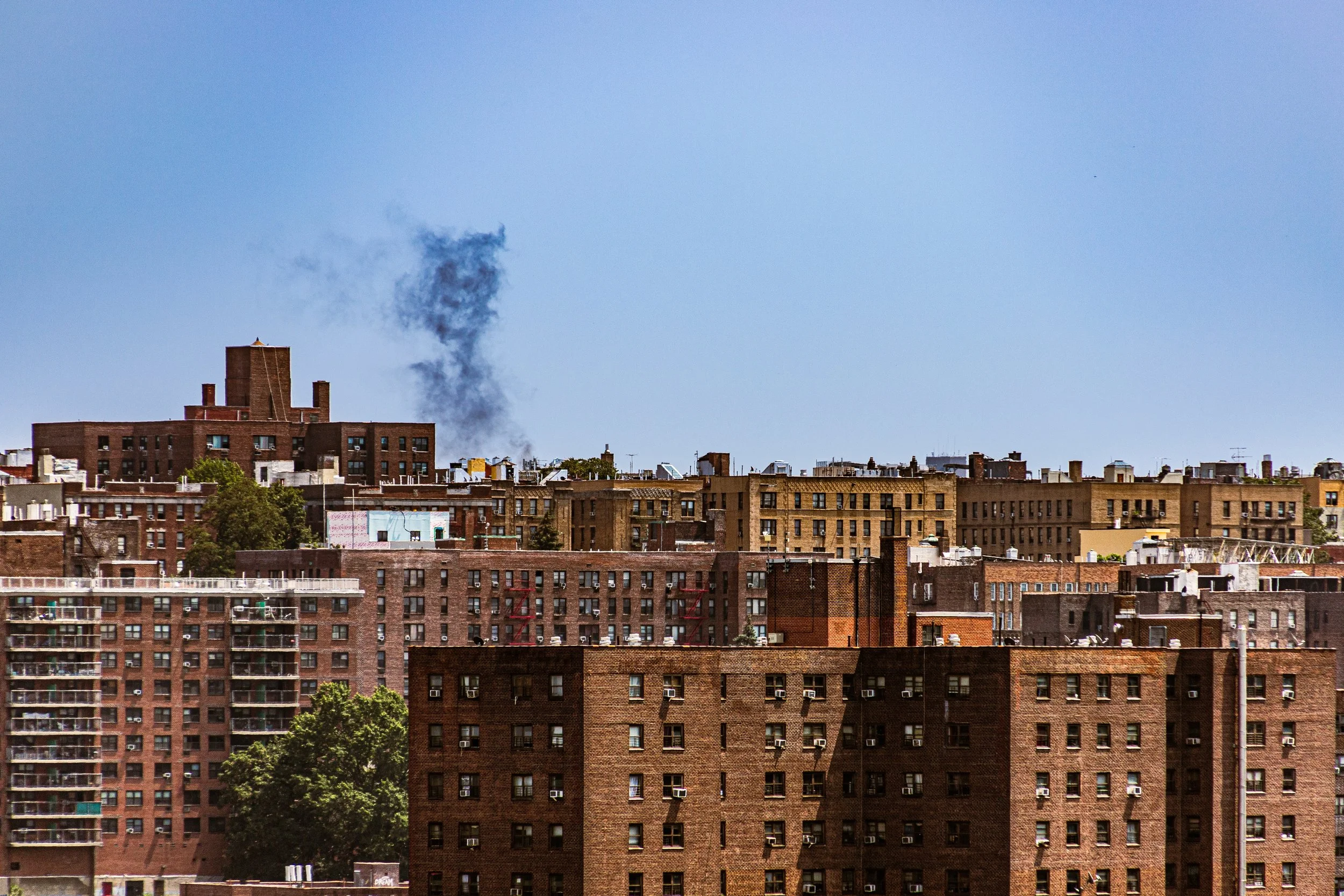
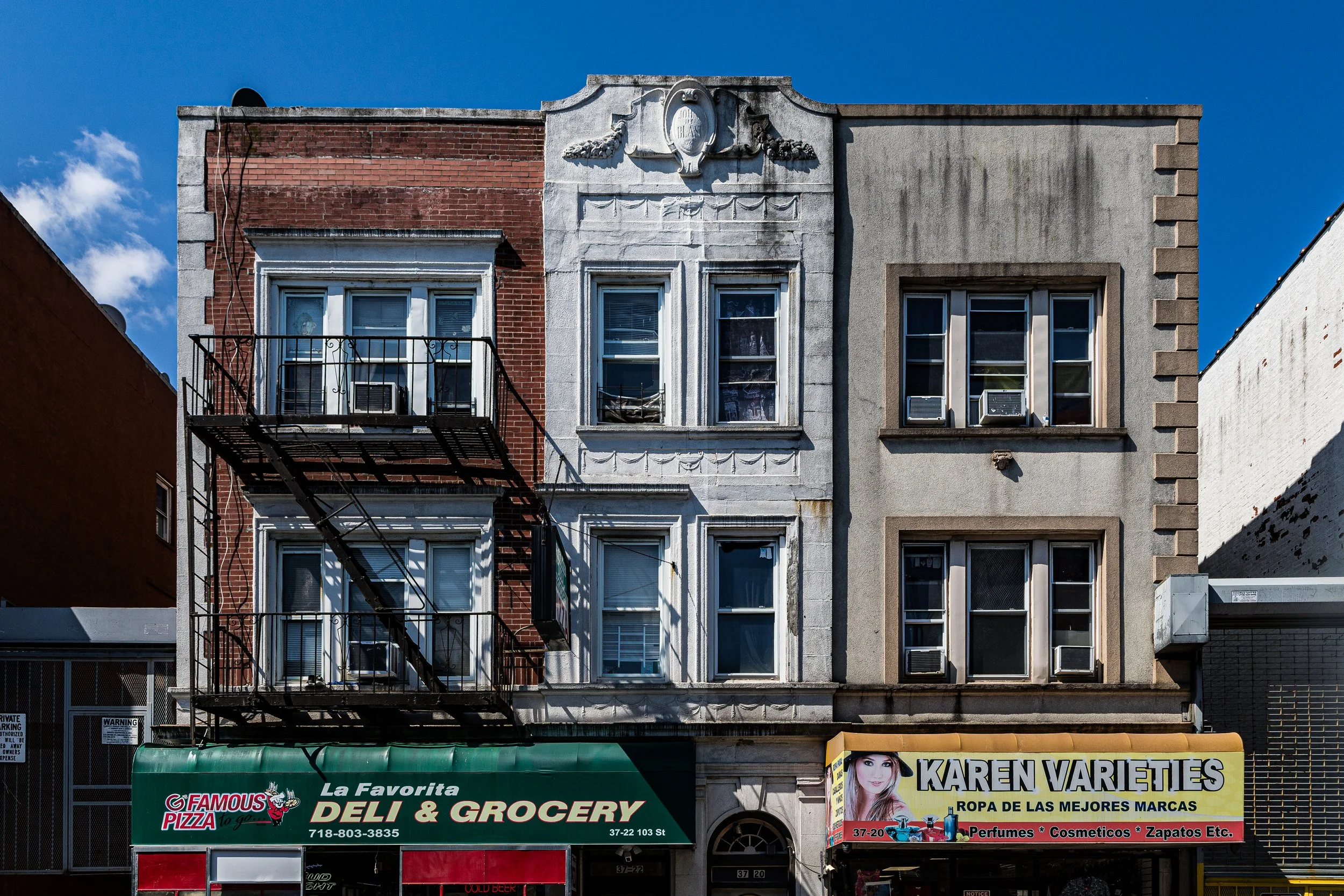
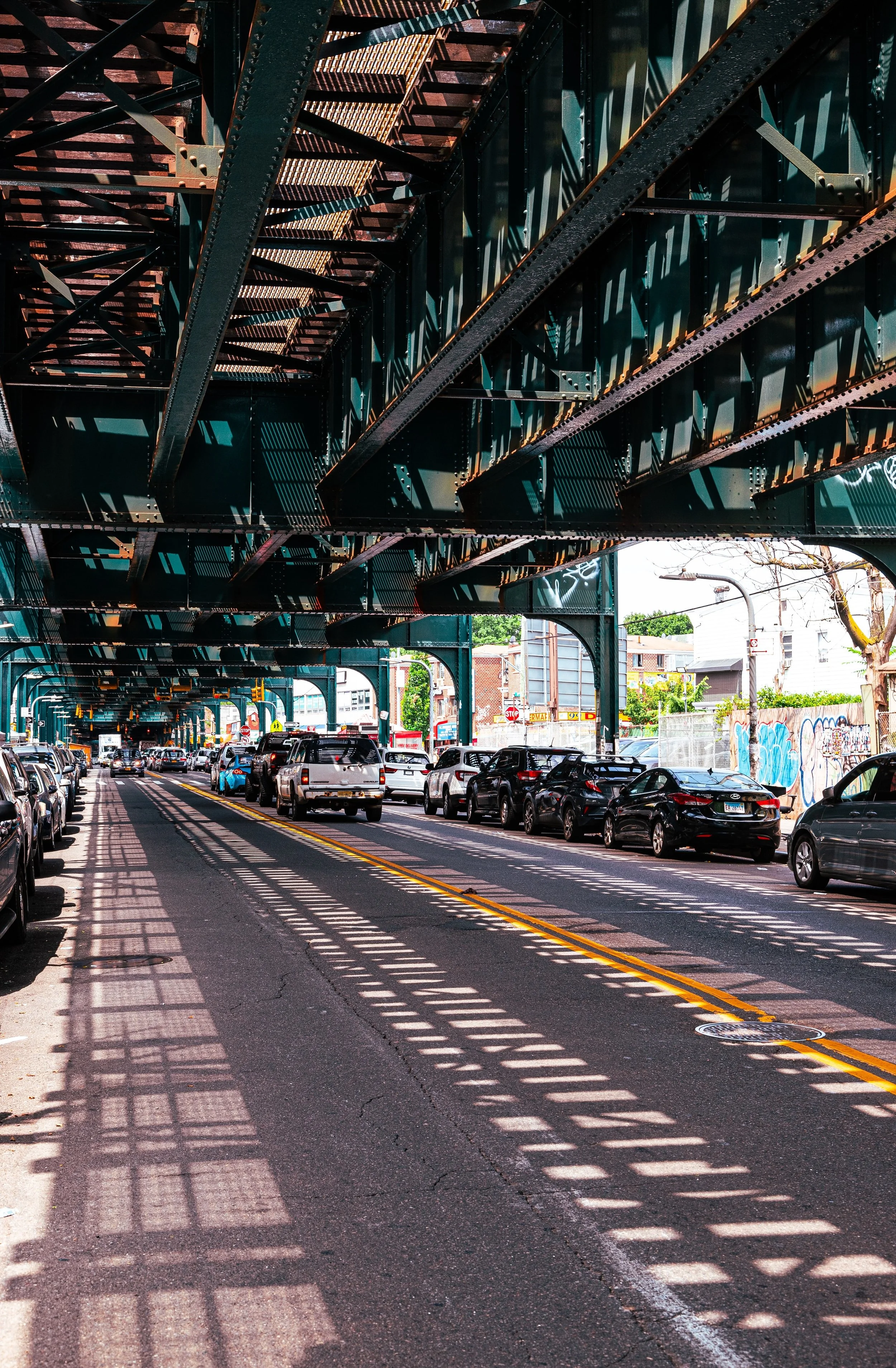
Bounded by Junction Boulevard to the west, Northern Boulevard to the north, the Grand Central Parkway to the east, and 45th Avenue to the south, North Corona lies at the cultural and geographic heart of north-central Queens. Set between Jackson Heights, East Elmhurst, and Flushing Meadows–Corona Park, it forms a dense, vibrant residential district shaped by a century of immigration, music, and community pride. Its streets—lined with brick rowhouses, prewar apartment buildings, and corner bodegas—echo the hum of daily life in one of New York’s most storied neighborhoods.
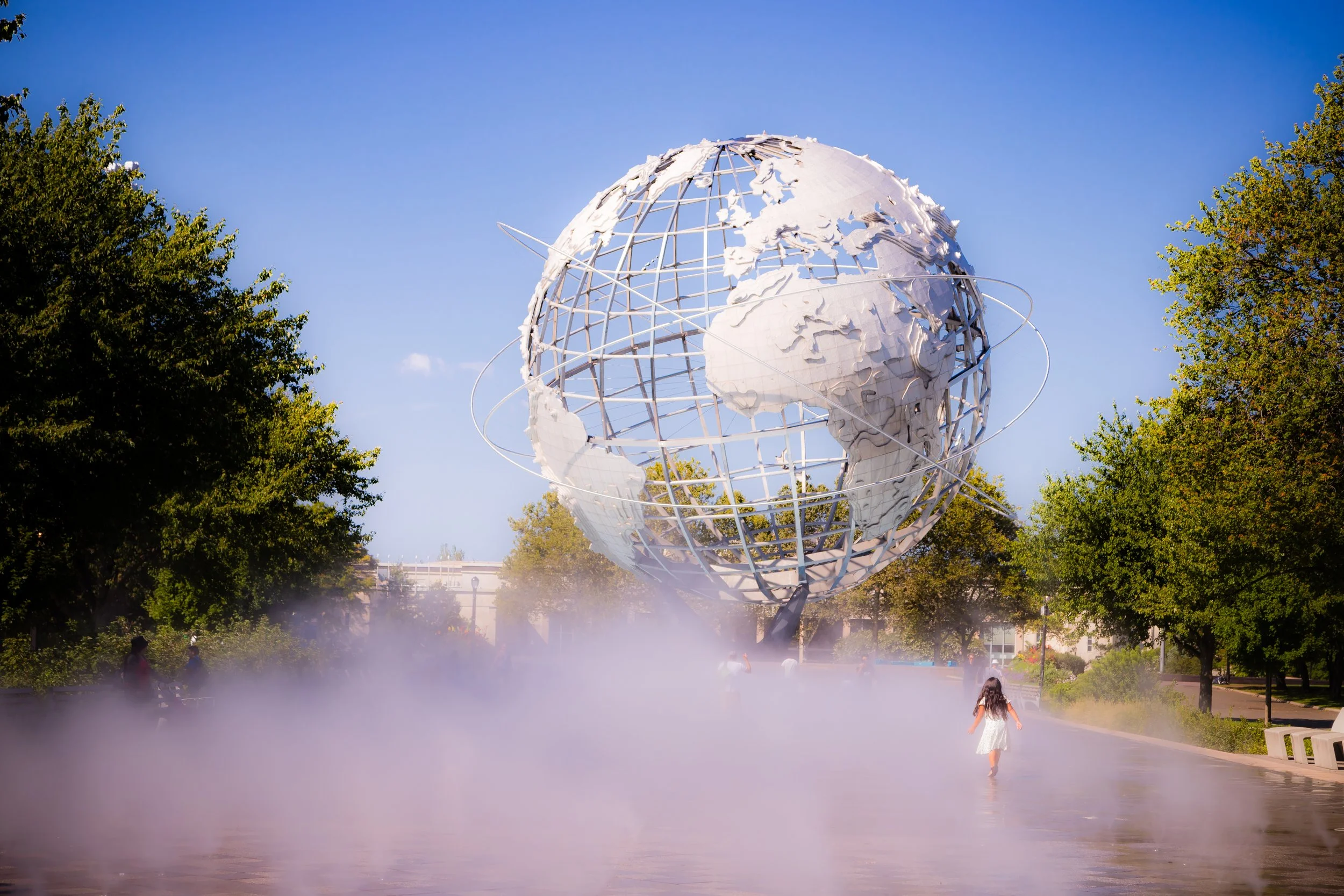
The neighborhood’s topography rises gently toward Northern Boulevard, where small businesses, restaurants, and auto shops cluster along one of Queens’ oldest commercial arteries. South of Northern Boulevard, side streets like Corona Avenue, 108th Street, and Roosevelt Avenue pulse with commerce and movement, connecting the neighborhood to the 7 train and the markets of Corona proper. To the east, the greenery of Flushing Meadows–Corona Park softens the urban grid, offering open air, lakes, and the distant silhouette of the Unisphere—a reminder that even amid density, North Corona retains a connection to space and light.
Architecturally and socially, North Corona is quintessential Queens: a compact world of immigrant energy and long-standing community ties.
Etymology and Origins
The name “Corona”—from the Latin for crown—was adopted in 1872 by a group of developers who sought to rebrand a modest village originally known as West Flushing. The new name symbolized ambition and distinction, positioning the area as a “crown of Queens County.” Though North Corona did not yet exist as a distinct subdivision, its identity began taking shape as rail and trolley lines extended eastward from Jackson Heights in the late 19th century.
The Neighborhood
19th–Early 20th Century: Suburban Roots and Civic Aspiration
By the 1890s, Corona’s tree-lined streets and large detached homes had earned it the nickname “the Crown of Queens.” North Corona, closest to Jackson Avenue (today’s Northern Boulevard), developed as a genteel residential district of wooden houses, churches, and small shops. The opening of the Corona Avenue trolley and the expansion of rail service drew families seeking fresh air and affordable land. Churches such as St. Leo’s Roman Catholic (founded 1888) and Our Lady of Sorrows (founded 1892) anchored the early community, while civic groups promoted beautification and infrastructure improvements.
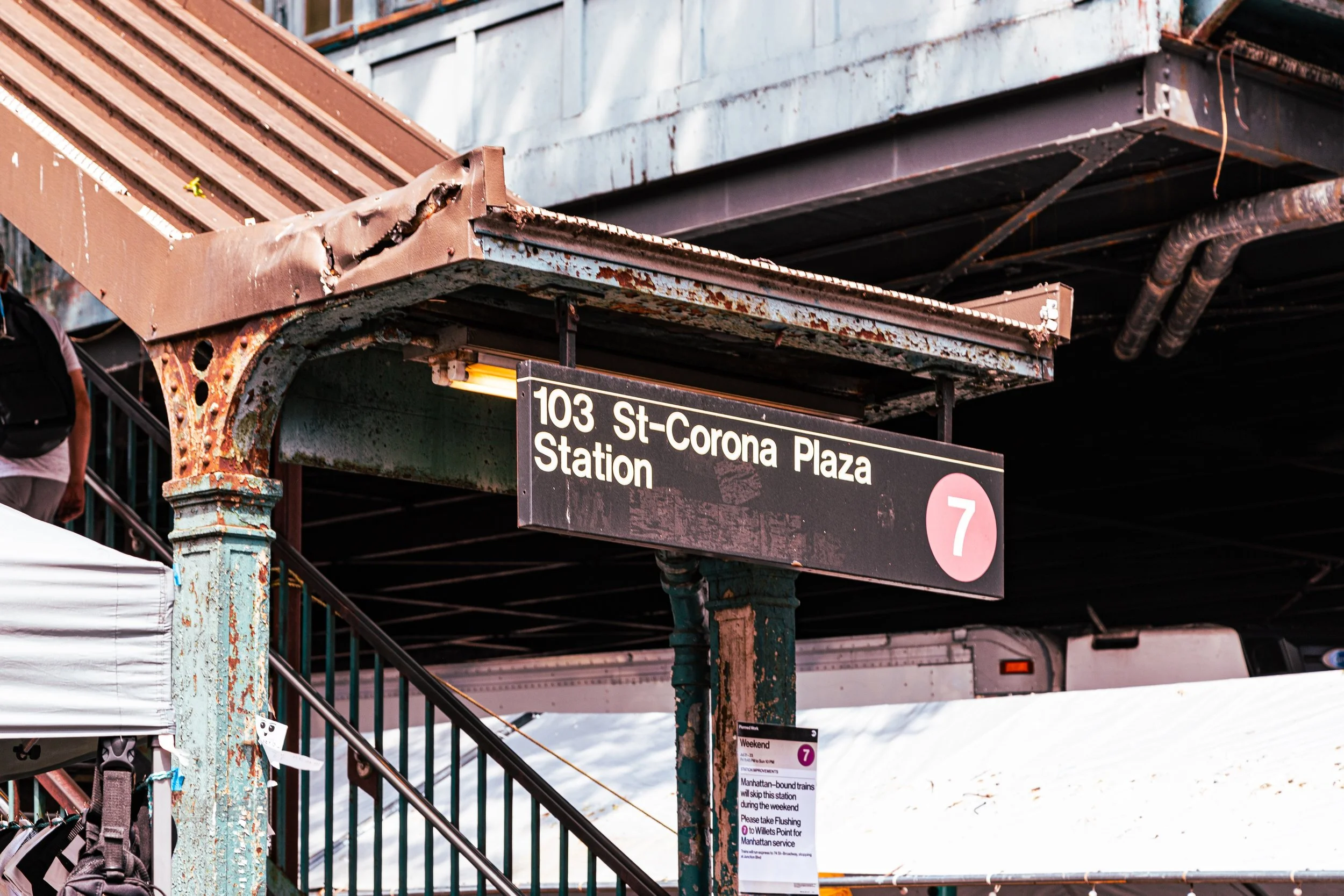
The early 20th century brought dense urbanization: modest apartment houses replaced older villas, and immigrant families—primarily Italian, Irish, and Jewish—filled the area’s growing housing stock. By the 1920s, Corona was a thriving working- and middle-class neighborhood, home to craftsmen, teachers, and small merchants. The IRT Flushing Line (7 train), completed to Corona in 1917, linked the area directly to Manhattan, firmly integrating it into the city’s daily rhythms.
Mid-20th Century: Jazz, Parks, and the American Story
The 1930s and 1940s marked North Corona’s cultural flowering. The nearby 1939–40 World’s Fair in Flushing Meadows transformed the surrounding landscape, and the neighborhood’s proximity to the fairgrounds brought both visitors and vitality. During this period, Corona became known for its rich musical heritage—most famously as home to jazz legend Louis Armstrong, who moved to 107th Street in 1943. His modest brick house became a neighborhood landmark long before its conversion into a museum in 2003.
The mid-century decades saw Corona evolve into a symbol of working-class stability. Its tree-lined blocks, brick rowhouses, and family-run stores fostered a cohesive community. Immigrants from Italy and Eastern Europe coexisted with African American families arriving from Harlem, many employed at nearby LaGuardia Airport and in the industrial zones of Long Island City. Flushing Meadows Park, redeveloped for the 1964–65 World’s Fair, further enriched community life, offering recreation and civic pride.
North Corona Video Coming Soon
Late 20th Century: The Latin American Transformation
From the 1970s onward, a wave of immigration from Puerto Rico, the Dominican Republic, Ecuador, Colombia, and Mexico reshaped North Corona into one of New York City’s most vibrant Latino communities. Spanish became the neighborhood’s lingua franca, and its streets filled with new rhythms, flavors, and enterprises.
Mom-and-pop shops along Junction Boulevard, 108th Street, and Northern Boulevard became lifelines of cultural continuity—panaderías, bodegas, and taquerías serving traditional dishes and hosting informal gatherings. Community organizations such as Centro Corona, founded in the late 20th century, emerged to support immigrant families with legal aid, education, and youth programs.
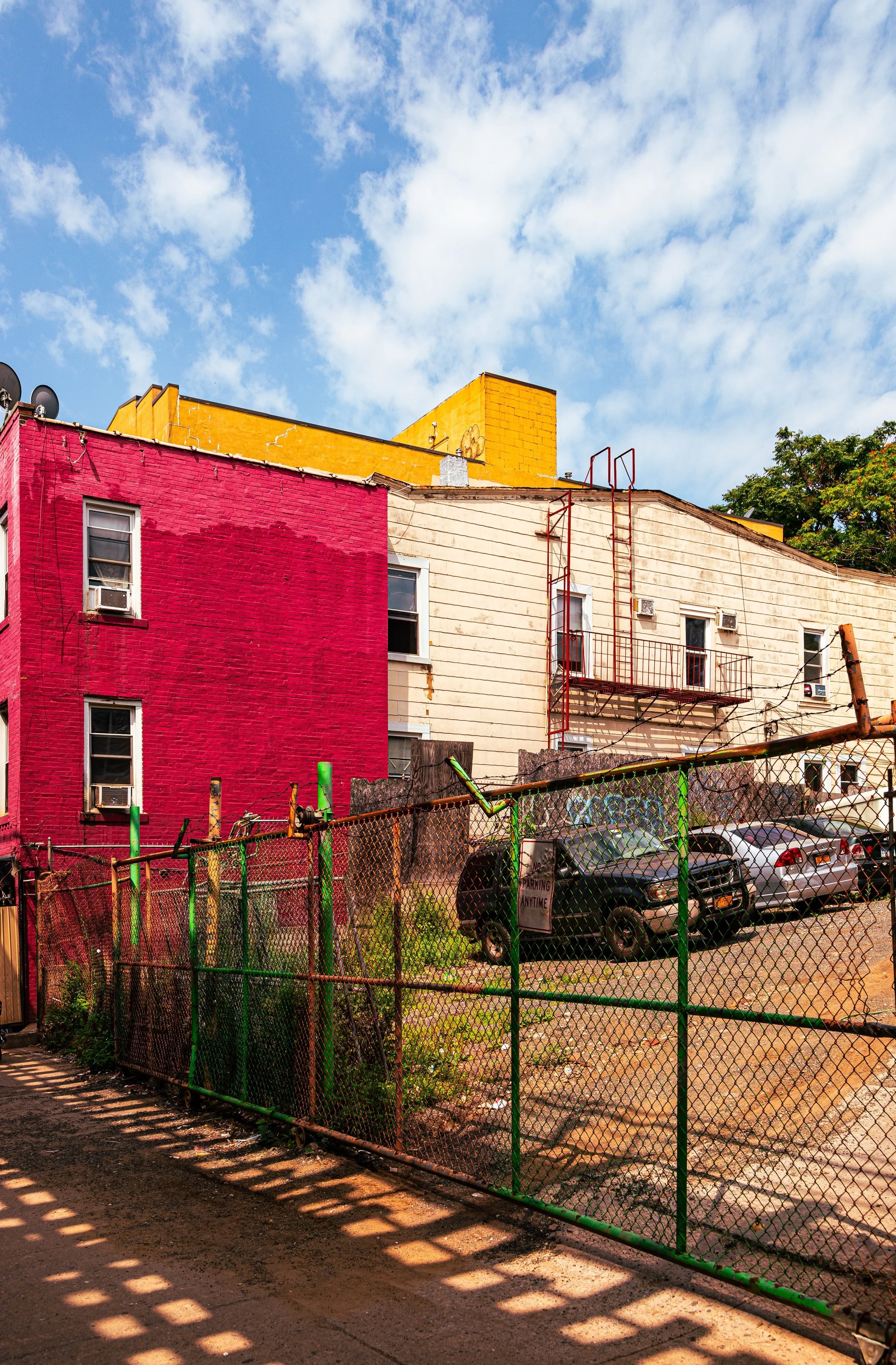
The transformation also reinvigorated the built environment: older Italian and Jewish-owned homes passed to new Latino families who renovated and maintained them, preserving the neighborhood’s architectural continuity while infusing it with color and vitality. Festivals like the Our Lady of Sorrows procession and annual block parties turned the streets into open-air celebrations of faith and identity.
21st Century: Renewal, Diversity, and Enduring Community
In the 21st century, North Corona continues to thrive as a microcosm of global Queens. While still predominantly Latino, the neighborhood has welcomed new residents from Bangladesh, China, and South Asia, further enriching its cultural landscape. The area’s schools—P.S. 92, I.S. 61 Leonardo da Vinci, and others—serve multilingual student bodies that reflect this ongoing evolution.
Economic and civic reinvestment have helped sustain community life. Streetscape improvements along Junction Boulevard have brought new lighting, trees, and pedestrian spaces, while organizations like the Queens Museum and Louis Armstrong House Museum continue to celebrate the neighborhood’s cultural contributions. Proximity to LaGuardia Airport and major roadways ensures accessibility while posing ongoing challenges of traffic and air quality—issues that local activists address through environmental and planning initiatives.
Despite urban pressures, North Corona retains a strong sense of belonging. Extended families occupy multi-generational homes, neighbors gather on stoops in the evening, and local businesses—many decades old—remain cornerstones of the community. The echoes of Armstrong’s trumpet still linger in the neighborhood’s collective memory, linking past and present through music, migration, and resilience.
North Corona Photo Gallery
Spirit and Legacy
North Corona’s spirit lies in its capacity for renewal. From farmland to immigrant suburb, from jazz sanctuary to Latin American stronghold, it has absorbed waves of change while preserving a foundation of community and pride. It is a neighborhood that sings—its rhythms found in church bells, children’s laughter, and salsa spilling from corner radios.
New York City
Use this custom Google map to explore where every neighborhood in all five boroughs of New York City is located.
The Five Boroughs
One of New York City’s unique qualities is its organization in to 5 boroughs: Manhattan, Brooklyn, Queens, The Bronx, and Staten Island. These boroughs are part pragmatic administrative districts, and part vestiges of the region’s past. Each borough is an entire county in New York State - in fact, Brooklyn is, officially, Kings County, while Staten Island is, officially Richmond County. But that’s not the whole story …
Initially, New York City was located on the southern tip of Manhattan (now the Financial District) that was once the Dutch colony of New Amsterdam. Across the East River, another city was rising: Brooklyn. In time, the city planners realized that unification between the rapidly rising cities would create commercial and industrial opportunities - through streamlined administration of the region.
So powerful was the pull of unification between New York and Brooklyn that three more counties were pulled into the unification: The Bronx, Queens, and Staten Island. And on January 1, 1898, the City of New York unified two cities and three counties into one Greater City of New York - containing the five boroughs we know today.
But because each borough developed differently and distinctly until unification, their neighborhoods likewise uniquely developed. Today, there are nearly 390 neighborhoods, each with their own histories, cultures, cuisines, and personalities - and each with residents who are fiercely proud of their corner of The Big Apple.