
REGO PARK
Queens
Geographic Setting
Bounded by Metropolitan Avenue to the south, Woodhaven Boulevard to the west, the Long Island Expressway (LIE) to the north, 102nd Street to the east, 67th Avenue to the southeast, and Selfridge Street forming its far southeastern edge, Rego Park lies in the heart of central Queens—an architecturally eclectic, deeply layered neighborhood that blends prewar garden apartments, postwar high-rises, and suburban-style homes into a distinctive urban fabric. Flanked by Forest Hills to the east and Elmhurst to the west, Rego Park serves as both a residential haven and a commercial crossroads, its streets marked by the rhythmic balance of tree-lined calm and bustling retail vitality.
The neighborhood’s spine, Queens Boulevard, bisects Rego Park from northeast to southwest, acting as both its commercial heart and geographic divider. Along this arterial stretch rise Art Deco and modernist apartment towers, shopping centers, and mid-century brick co-ops, while quieter side streets to the south and east reveal rows of Tudor- and Colonial-style single-family homes that recall the area’s early garden-suburb ambitions. The northern boundary, defined by the LIE, links residents directly to Manhattan and Long Island, while Woodhaven Boulevard and 63rd Drive serve as key conduits to transit and shopping.
Green space edges the neighborhood on its southern side—Flushing Meadows–Corona Park lies only a short walk away—while Rego Park’s position within the borough’s transportation nexus makes it one of Queens’ most connected yet residential enclaves.
Etymology and Origins
The name “Rego Park” is derived from the Real Good Construction Company (RE–GO), the firm that first developed the neighborhood in the 1920s. Seeking to create a well-planned, middle-class community near Forest Hills Gardens, the company purchased farmland once belonging to the Remsen and Werner families, both of whom had farmed the area since colonial times. The “Real Good” developers sought to emulate the ideals of the garden-city movement—modest homes with yards, curving streets, and access to transit—while appealing to New Yorkers seeking space, affordability, and permanence.
Prior to development, this land formed part of the old Cromwell family estate and surrounding farmland known as Whitepot, an early Dutch-English settlement that stretched across present-day Forest Hills, Rego Park, and Middle Village. The completion of the Queens Boulevard extension (1910s) and the arrival of the IND subway (1930s) transformed these agricultural tracts into prime real estate. The name “Rego Park,” registered in 1923, was chosen for its optimistic tone—a modern, upbeat brand for a modern borough.
The Neighborhood
Early 20th Century: The Planned Suburb Within the City
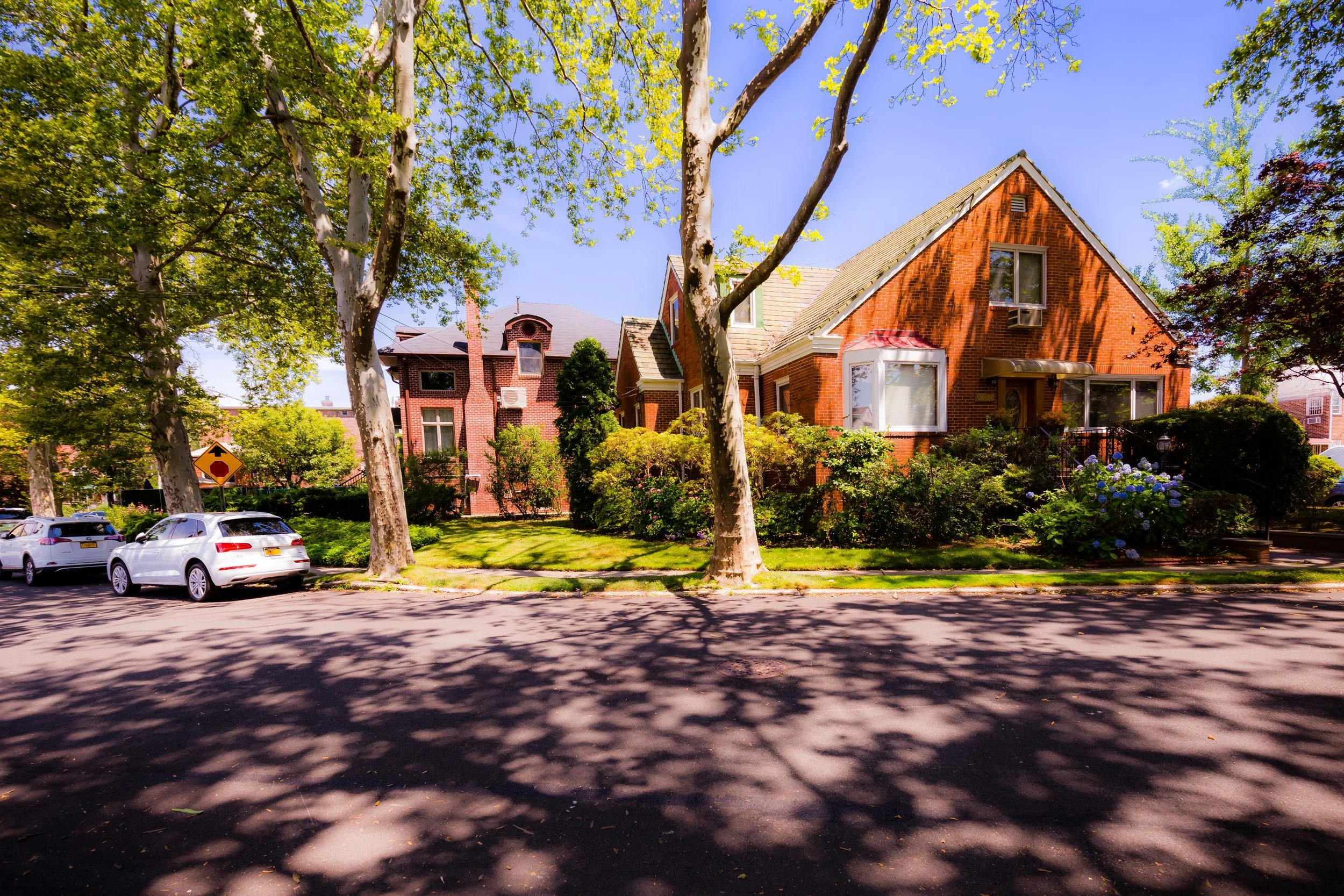
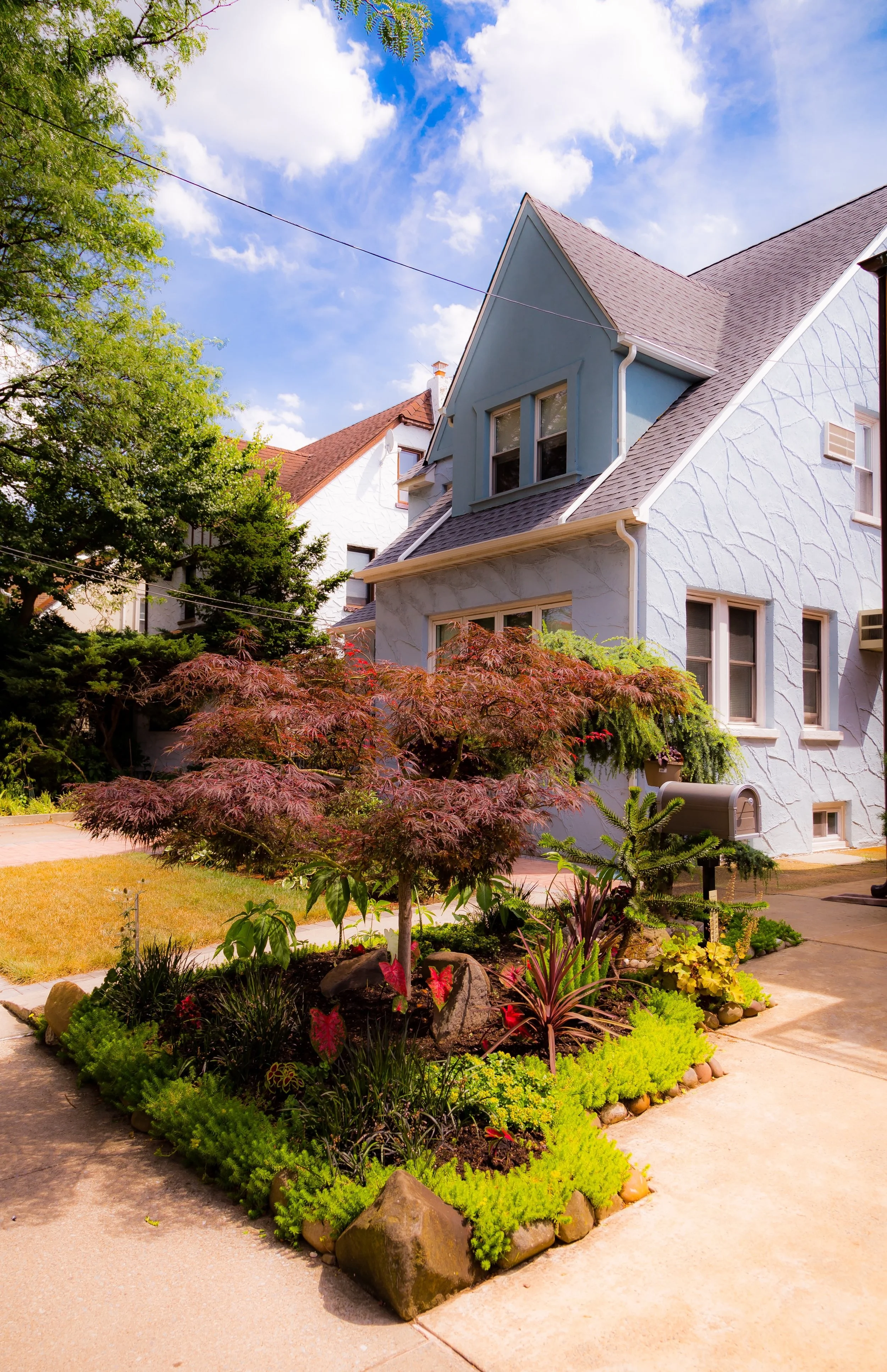
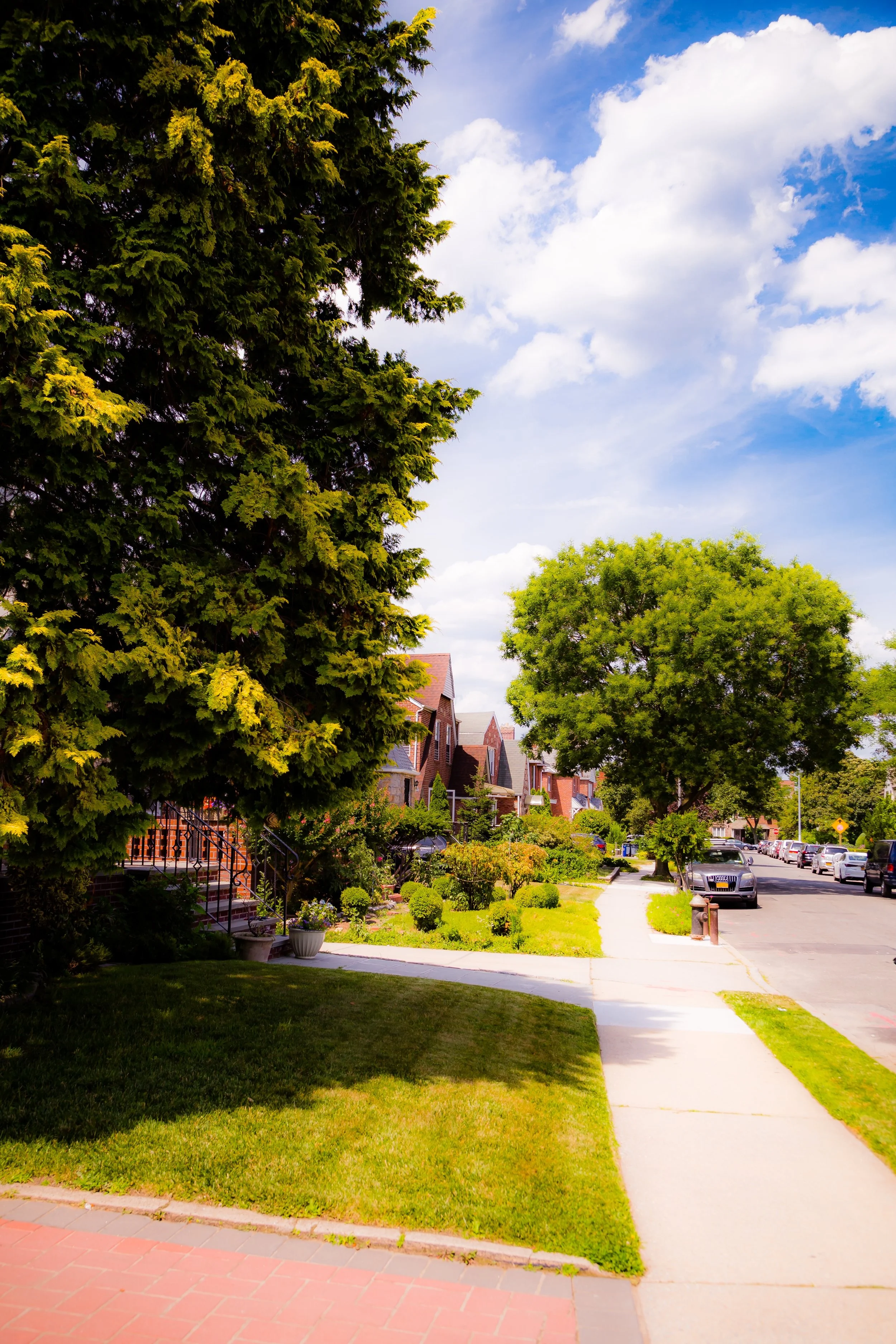
The first wave of development in Rego Park began in the 1920s and 1930s, when Real Good Construction Company built single-family brick and stucco houses along 63rd Drive, Wetherole Street, and Boelsen Crescent. These homes featured Tudor and Colonial details, pitched roofs, and landscaped front lawns—a suburban ideal nestled within New York City’s expanding grid.
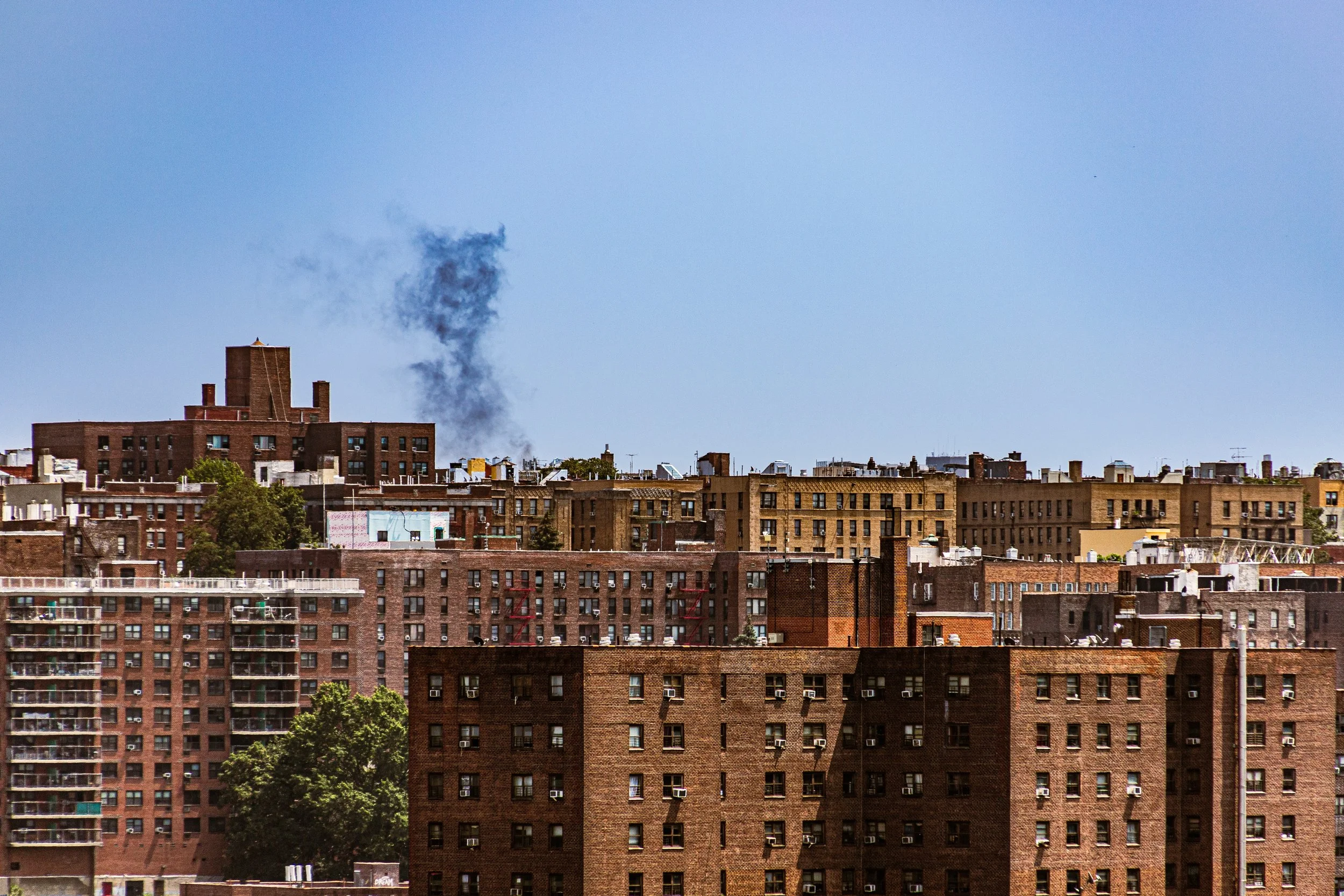
The arrival of the IND Queens Boulevard subway line (1936), with stations at 63rd Drive–Rego Park and 67th Avenue, transformed the area into a commuter hub. Residential demand soared as families from Brooklyn and Manhattan sought modern housing with easy access to Midtown. Developers responded with the construction of garden apartments—low-rise buildings grouped around shared courtyards—exemplified by the Rego Park Gardens, Wetherole Plaza, and Parkside Houses complexes.
This early Rego Park was cohesive, leafy, and self-contained. Queens Boulevard, often called “the Boulevard of Death” for its wide, fast traffic lanes, nonetheless became the neighborhood’s main promenade—lined with delicatessens, bakeries, movie theaters, and shops that reflected its largely Jewish- and Italian-American population. The area’s mixture of homeownership and rental housing fostered a stable, middle-class character that endured for decades.
Mid-20th Century: Growth, Commerce, and Community Life
After World War II, Rego Park expanded dramatically, transitioning from a small suburban enclave to a full-fledged urban neighborhood. In 1960, the opening of the Rego Park Center (later replaced by the modern Rego Center Mall) and the Alexander’s department store heralded a new era of commercial prominence. Queens Boulevard became one of the borough’s busiest retail corridors, anchoring the local economy with department stores, supermarkets, and cinemas.
Architecturally, the 1950s–1970s saw the rise of high-rise co-op buildings such as Park City Estates and Birchwood Towers, which brought modern amenities—doormen, elevators, landscaped plazas—to middle-class families. These developments, set back from Queens Boulevard, mirrored the era’s fascination with suburban-modernist planning, balancing vertical density with open space.
The community’s social life revolved around civic organizations, schools, and places of worship. Our Lady of the Angelus Roman Catholic Church, Rego Park Jewish Center, and Stephen A. Halsey Junior High School (I.S. 157) became enduring anchors of neighborhood identity. Block associations maintained the area’s cleanliness and safety, while mom-and-pop businesses—delis, kosher butchers, bakeries, and luncheonettes—created a tight-knit, small-town atmosphere within the metropolis.
Rego Park Photographic Video
Late 20th Century: Transition and Resilience
By the 1970s and 1980s, Rego Park—like much of Queens—began to diversify. As older Jewish and Italian residents moved eastward or retired, new waves of immigrants arrived from Russia, Israel, Central Asia, Latin America, and later China and Bangladesh. The neighborhood’s once homogenous identity gave way to a rich multicultural tapestry, reflected in its restaurants, groceries, and languages.
Commercially, the decline of traditional department stores was offset by smaller businesses and new retail complexes. The original Alexander’s closed in 1992, replaced first by the Rego Park Center I and II shopping malls (opened 2010s), which now house major national retailers. These developments rejuvenated Queens Boulevard and positioned Rego Park once again as a regional shopping destination.
Despite modernization, the neighborhood retained its essential characteristics: mid-rise density, quiet side streets, and accessible transit. Residents—many of them second- and third-generation New Yorkers—worked to maintain the stability that had defined Rego Park since its founding. Civic pride remained strong, embodied in long-standing institutions like the Rego Park Green Alliance and the Queens Community Board 6, which oversee local environmental and zoning issues.
21st Century: Diversity, Development, and Everyday Vitality
In the 21st century, Rego Park has become one of Queens’ most cosmopolitan yet cohesive neighborhoods. Its population includes Bukharian Jewish, Chinese, Uzbek, Tajik, Georgian, Latino, and South Asian families, alongside older European-American residents—a microcosm of global Queens. On Queens Boulevard, halal markets stand beside kosher bakeries and Asian groceries; restaurants serve everything from borscht to biryani to bánh mì.
New residential developments—glass-clad condominiums and renovated co-ops—coexist with the neighborhood’s older architectural fabric. Yet Rego Park continues to prize livability over spectacle. Green spaces like Lost Battalion Hall Recreation Center, Horace Harding Playground, and the Kissena Park Corridor nearby give residents access to recreation, while Rego Center Mall and Queens Center Mall provide unmatched shopping convenience.
Transit connectivity remains one of the neighborhood’s great strengths: the R and M trains at 63rd Drive–Rego Park, frequent buses along Woodhaven Boulevard, and proximity to the Long Island Expressway all link residents to every corner of the city.
Rego Park’s character today is one of multicultural continuity—an urban village within the borough’s commercial core, where high-rise towers and family homes share the same skyline and where diversity has become the defining legacy of community itself.
Rego Park Photo Gallery
Spirit and Legacy
Rego Park’s legacy lies in its balance of transformation and tradition. Born from an optimistic real estate vision, it has evolved through nearly a century of change while preserving the human scale and civic spirit that first defined it. Its streets tell the story of New York’s 20th-century middle class—immigrants who found stability, built homes, opened shops, and raised generations here—and of the new arrivals who continue that story in their own languages and cuisines.
New York City
Use this custom Google map to explore where every neighborhood in all five boroughs of New York City is located.
The Five Boroughs
One of New York City’s unique qualities is its organization in to 5 boroughs: Manhattan, Brooklyn, Queens, The Bronx, and Staten Island. These boroughs are part pragmatic administrative districts, and part vestiges of the region’s past. Each borough is an entire county in New York State - in fact, Brooklyn is, officially, Kings County, while Staten Island is, officially Richmond County. But that’s not the whole story …
Initially, New York City was located on the southern tip of Manhattan (now the Financial District) that was once the Dutch colony of New Amsterdam. Across the East River, another city was rising: Brooklyn. In time, the city planners realized that unification between the rapidly rising cities would create commercial and industrial opportunities - through streamlined administration of the region.
So powerful was the pull of unification between New York and Brooklyn that three more counties were pulled into the unification: The Bronx, Queens, and Staten Island. And on January 1, 1898, the City of New York unified two cities and three counties into one Greater City of New York - containing the five boroughs we know today.
But because each borough developed differently and distinctly until unification, their neighborhoods likewise uniquely developed. Today, there are nearly 390 neighborhoods, each with their own histories, cultures, cuisines, and personalities - and each with residents who are fiercely proud of their corner of The Big Apple.