

MOUNT EDEN
The Bronx
Geographic Setting
Bounded by the Cross Bronx Expressway to the north, Grand Concourse to the east, East 167th Street to the south, and the Edward L. Grant Highway to the west, Mount Eden occupies a steeply sloping section of the West Bronx, rising between the Harlem River valley and the upland plateau that forms the borough’s central spine. Perched quite literally “on the mount,” the neighborhood offers long vistas across Manhattan and the Bronx, with the Grand Concourse cutting a stately diagonal through its eastern edge and a dense lattice of side streets climbing its hilly interior.
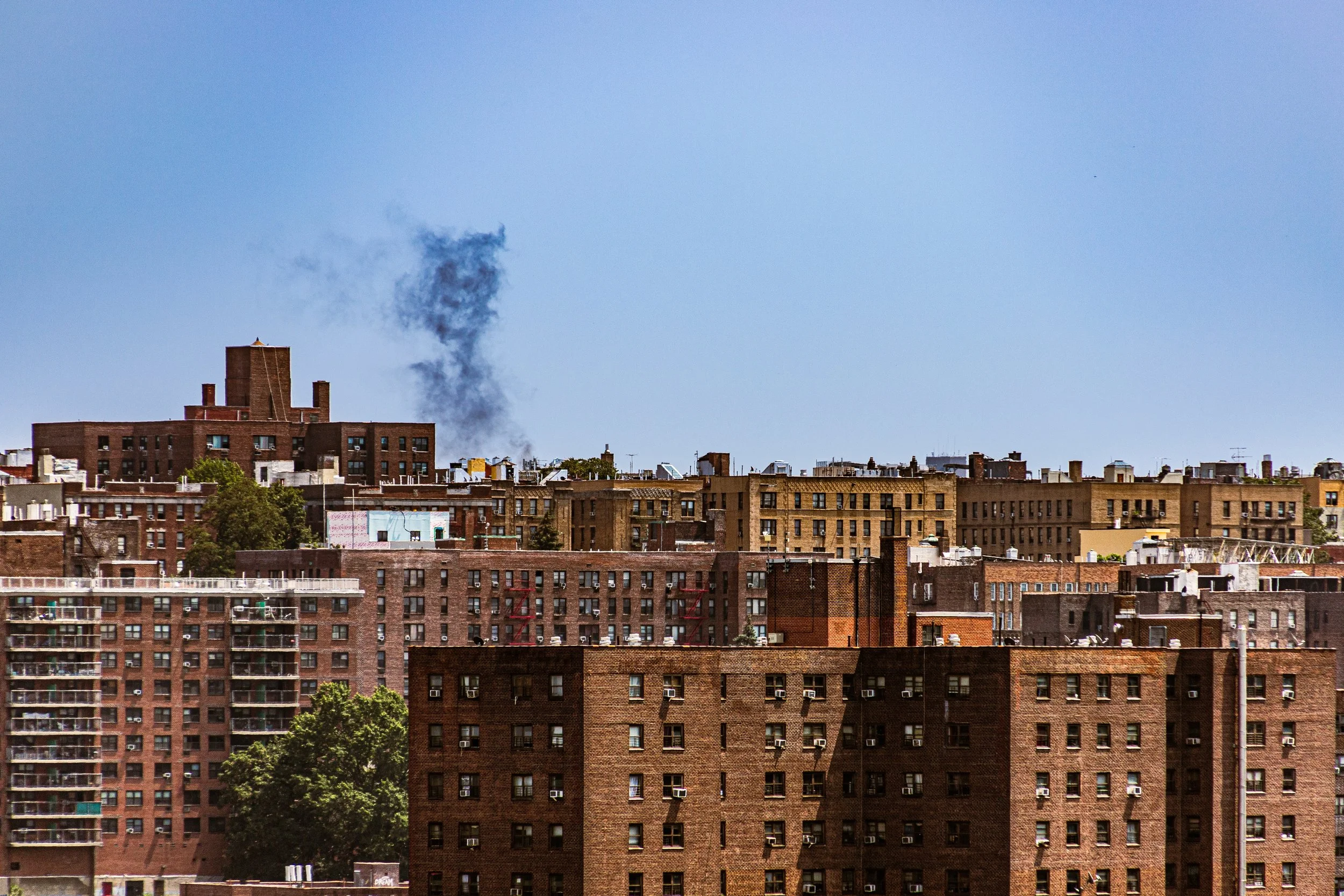
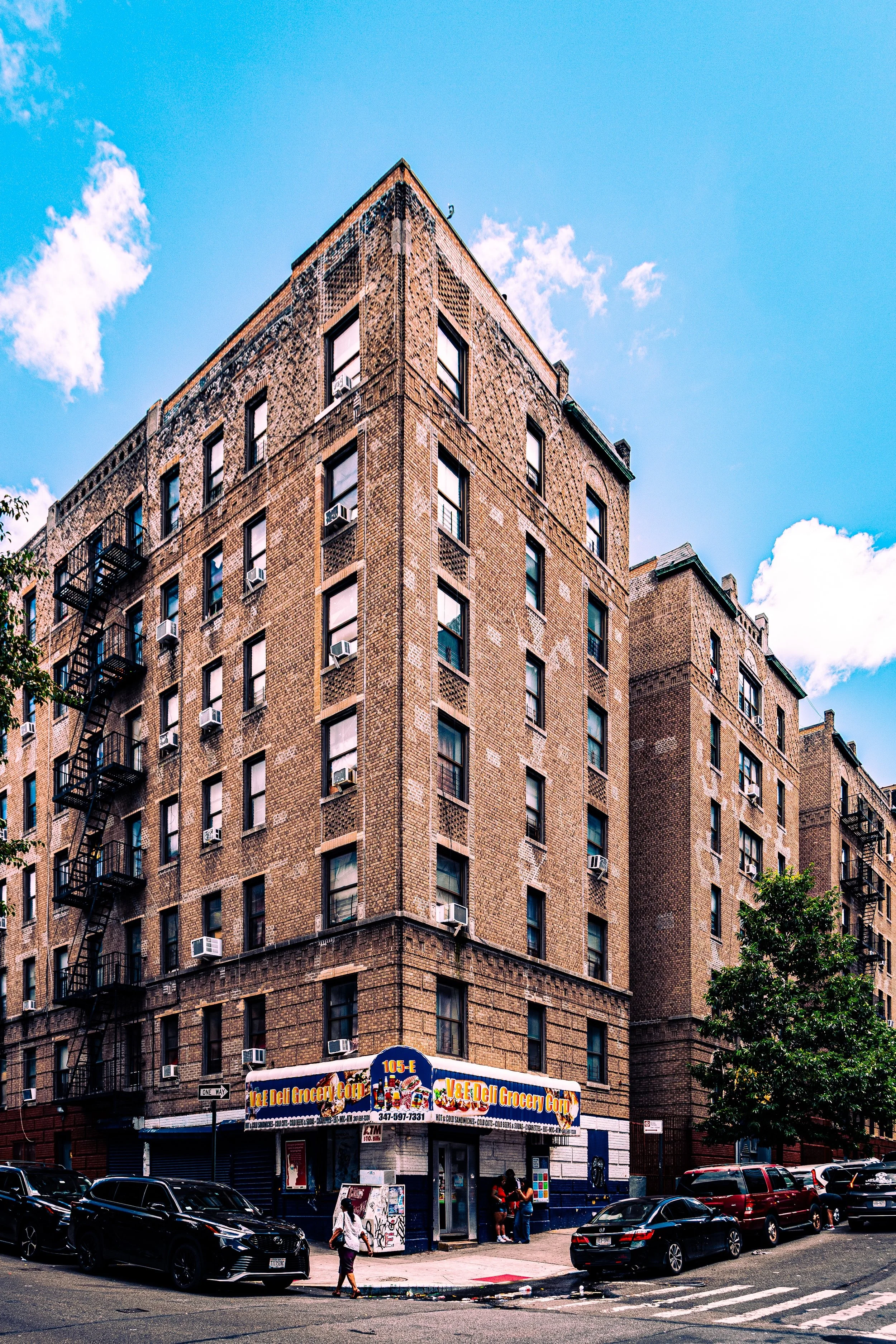
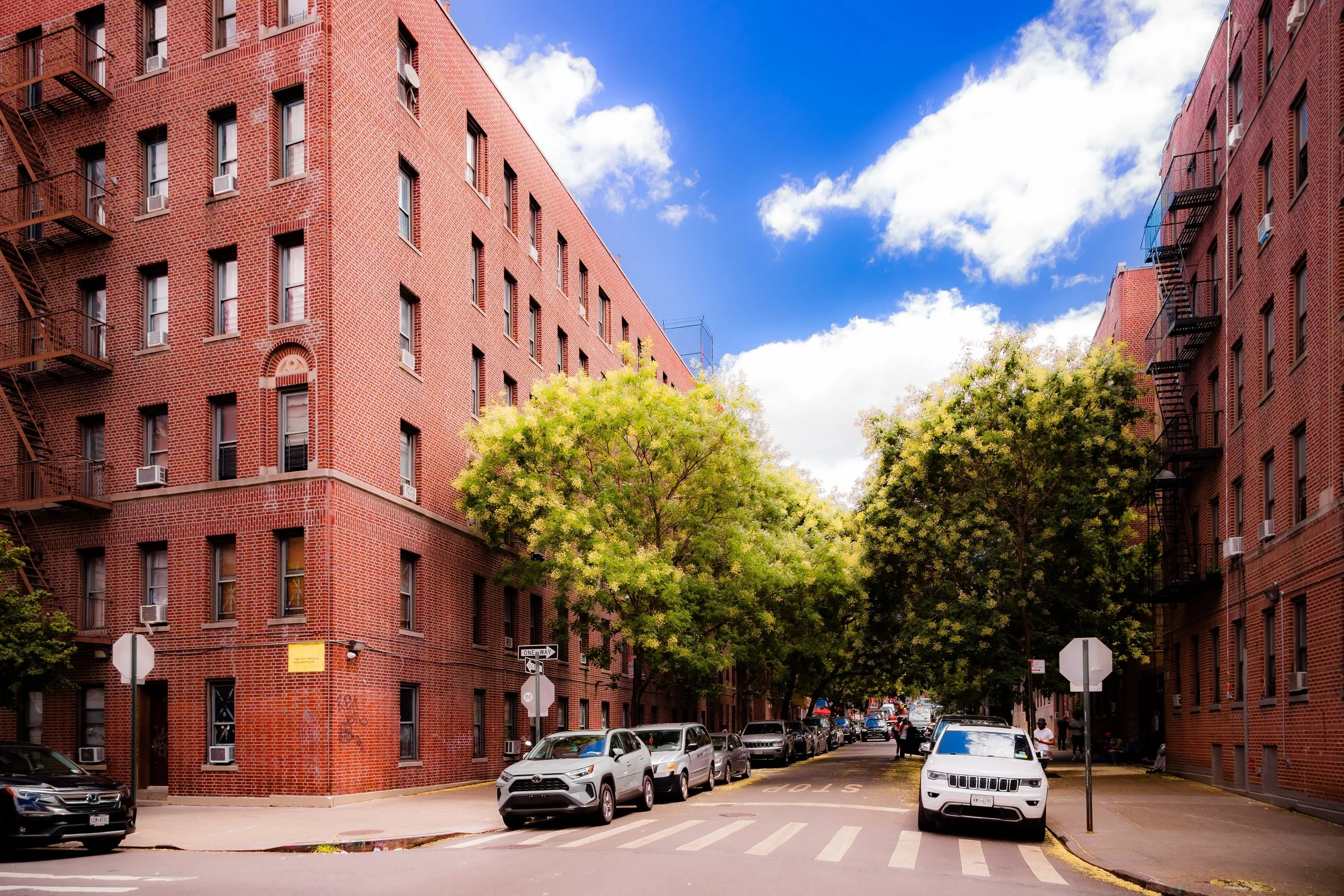
Mount Eden’s built form is emblematic of the Bronx’s early-20th-century grandeur: Art Deco apartment buildings, neo-Renaissance rowhouses, and prewar walk-ups crowd along avenues like Mount Eden Parkway, Anderson Avenue, and Shakespeare Avenue, many adorned with carved limestone entryways and ornate lobbies. At the neighborhood’s western edge, the Edward L. Grant Highway and the Major Deegan Expressway trace the old Harlem River escarpment, separating the community from the riverfront industrial zone below. Meanwhile, Grand Concourse—lined with wide medians, trees, and civic institutions—forms its cultural and architectural anchor, connecting Mount Eden north to the Bronx’s monumental civic district and south to the Harlem River bridges.
Despite its compact geography, Mount Eden has long carried an outsized significance: a microcosm of the Bronx’s evolution from leafy suburb to urban metropolis, from decline to revival.
Etymology
The name “Mount Eden” dates to the mid-19th century, when the area was still part of the rural Morrisania estate. Developers in the 1870s, eager to attract city dwellers seeking fresh air and elevation, coined the name for its topography and its aspirational overtones—“Mount” for its height above the Harlem valley, and “Eden” for its pastoral promise of beauty and peace.
The earliest recorded use of the name appears in real estate advertisements from the 1880s, describing “Mount Eden Heights,” a suburban enclave of villas and gardens accessible by the newly opened Harlem Railroad. The name persisted as the district urbanized, eventually defining one of the Bronx’s most characteristically residential neighborhoods.
The Neighborhood
Origins through the 19th Century
Before urbanization, the land that became Mount Eden was a rugged landscape of rocky hills, forests, and scattered farms belonging to the Morris family, whose estate dominated the South Bronx. The area’s commanding elevation made it an appealing retreat for wealthy New Yorkers during the mid-19th century, when improved transit links—particularly the Harlem River bridges and rail connections—opened the western Bronx to suburban development.
In the 1870s–1880s, the completion of the Jerome Avenue and Grand Concourse corridors transformed the area from farmland into a budding residential district. Developers marketed “Mount Eden Heights” as a healthful suburb overlooking the Harlem River, boasting clean air, scenic views, and proximity to Manhattan. The arrival of the Third Avenue Elevated Line (extended northward by 1887) accelerated growth, as did the incorporation of the Bronx into New York City in 1898, which brought paved roads, sewer lines, and civic amenities.
By the end of the 19th century, the district’s rural charm had given way to the steady grid of an urban neighborhood in formation—its name now a poetic relic of its pastoral past.
Early 20th Century: Apartment Boom and Urban Identity
Between 1900 and 1940, Mount Eden blossomed into a dense, thriving residential enclave. The construction of the IRT Jerome Avenue Line (4 train) and the Concourse Line (B/D trains) in the 1910s–1930s made the neighborhood one of the Bronx’s most transit-accessible areas. Developers responded with an apartment-building boom, replacing older wood-frame houses with five- and six-story Art Deco, Tudor Revival, and neo-Renaissance structures.
The population surged with Jewish, Irish, and Italian immigrants, many relocating from Manhattan’s Lower East Side. Mount Eden’s spacious apartments, wide streets, and proximity to Crotona Park and Claremont Park made it an attractive destination for upwardly mobile working-class families. The Grand Concourse, running along the neighborhood’s eastern border, became a showcase of Bronx elegance—lined with theatres, synagogues, and civic buildings that embodied the borough’s golden age.
During the interwar years, Mount Eden was a place of aspiration and community. Apartment lobbies gleamed with terrazzo floors and stained glass; public schools like P.S. 64 and neighborhood synagogues such as the Mount Eden Jewish Center anchored social life. Local businesses along Mount Eden Avenue thrived—bakeries, pharmacies, and tailors serving residents who considered the Bronx a step upward from the crowded tenements of old Manhattan.
Mount Eden Video Coming Soon
Mid–Late 20th Century: Displacement and Renewal
The stability of Mount Eden began to erode in the 1950s, as the forces reshaping much of the South and West Bronx took hold. Middle-class families moved to the suburbs, while discriminatory lending and redlining restricted investment. The construction of the Cross Bronx Expressway (1948–1972) to the north displaced hundreds of families and physically separated Mount Eden from adjacent neighborhoods like Tremont.
By the 1970s, the area faced severe disinvestment. Arson and abandonment afflicted parts of the neighborhood, particularly along Anderson and Mount Eden Avenues, as landlords walked away from aging buildings. The Bronx’s reputation plummeted, and Mount Eden—once a symbol of urban prosperity—became associated with blight. Yet even amid the fires and fiscal collapse, residents organized to reclaim their community.
Block associations, churches, and grassroots organizations worked with city agencies to stabilize housing and reopen schools. Community Board 4, formed during this period, became a key advocate for investment, safety, and housing rehabilitation. The neighborhood’s population shifted toward Puerto Rican, African-American, and later Dominican residents, who infused the area with new energy and cultural vibrancy. Music, murals, and block festivals replaced silence and decay.
21st Century: Revival and Redefinition
The 21st century has brought a steady revival to Mount Eden. Decades of community persistence, nonprofit investment, and public-private partnerships have transformed many of its once-derelict buildings into renovated affordable housing. Streets once marked by vacancy now hum with life—cafeterías, bodegas, and salons lining Mount Eden Parkway and Jerome Avenue, while long-standing churches and newer evangelical congregations serve an increasingly multicultural population.
The Jerome Avenue rezoning (2018) introduced new mixed-use development along the corridor, promising both economic opportunity and controversy over gentrification and displacement. Despite pressures, Mount Eden’s residents remain deeply engaged in shaping their neighborhood’s trajectory. Community gardens have replaced empty lots; playgrounds and schools have been rebuilt; and civic groups work tirelessly to balance growth with affordability.
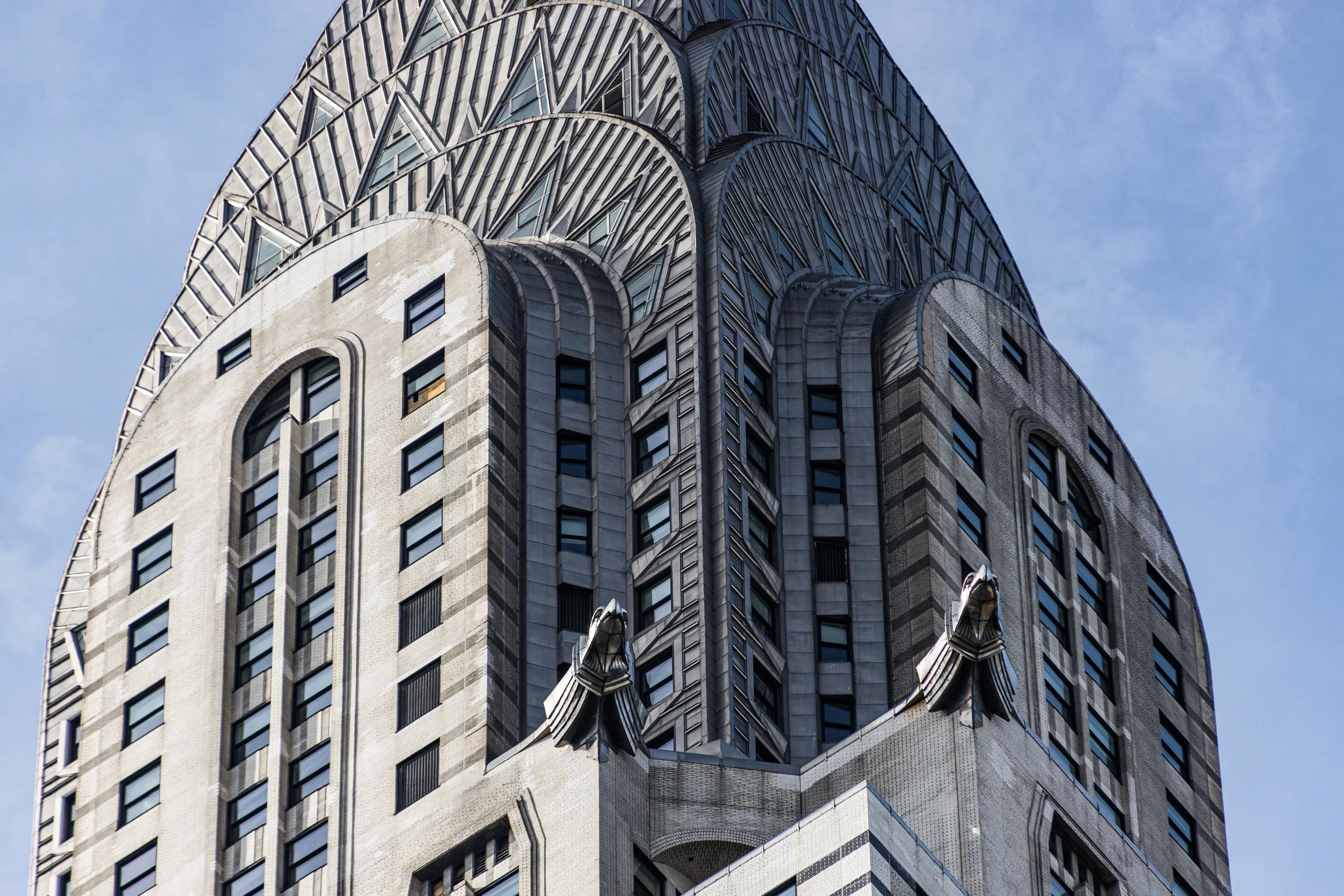
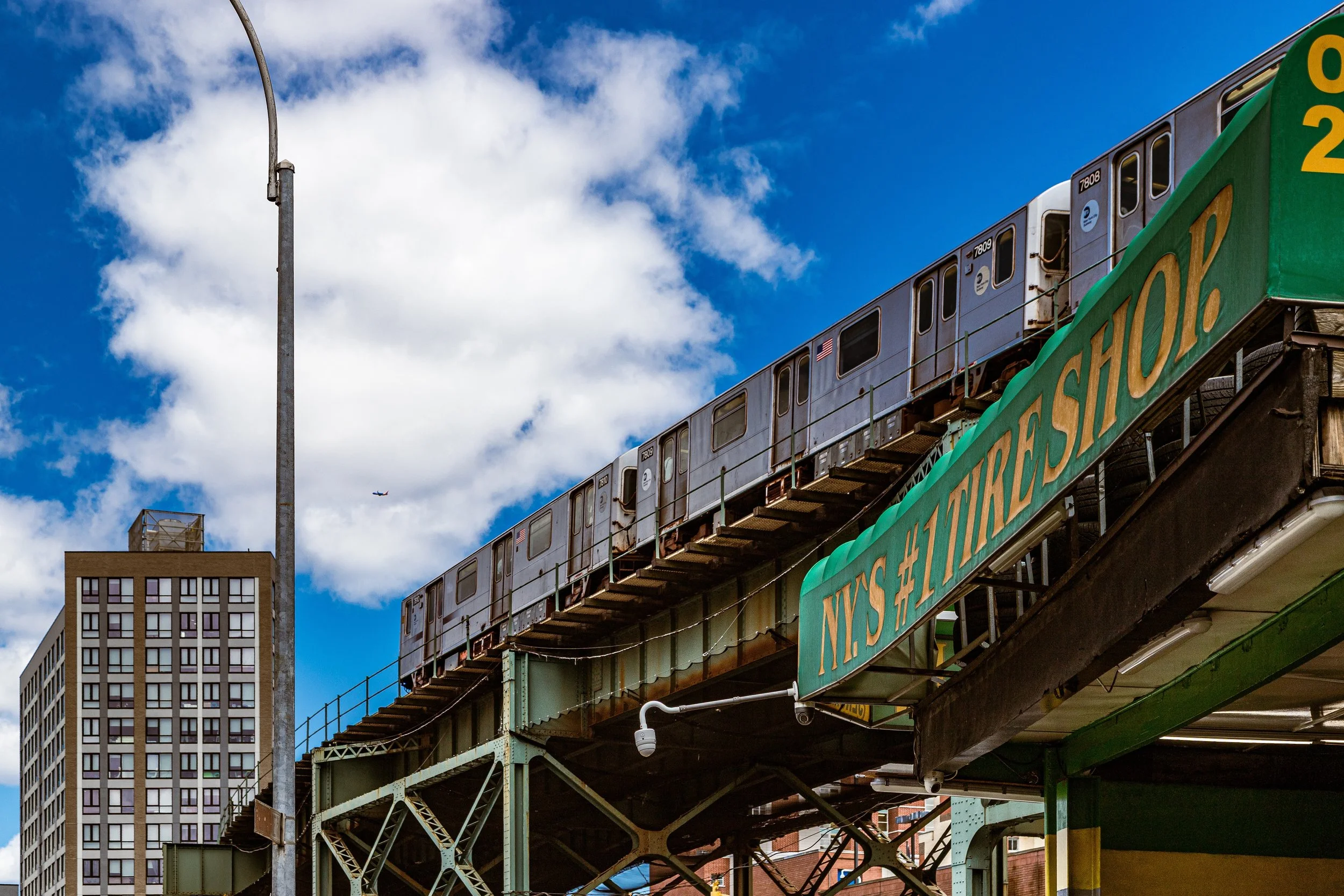
Architectural heritage also endures. Many of the Art Deco apartment buildings along Grand Concourse and Mount Eden Parkway have been restored, their distinctive façades and lobbies once again reflecting the pride of early-20th-century craftsmanship. The elevated 4 train, running high above Jerome Avenue, continues to define the soundscape—its rhythmic clatter a reminder of Mount Eden’s deep connection to the city’s lifeblood.
Mount Eden Photo Gallery
Spirit and Legacy
The spirit of Mount Eden is one of elevation—both literal and metaphorical. From its earliest days as a pastoral hilltop to its golden age of apartment living, through decline and rebirth, the neighborhood has embodied the Bronx’s perpetual striving upward.
Today, as children play beneath the shade of century-old trees and commuters stream toward the Mount Eden Avenue station, the neighborhood’s name feels once again fitting: “Eden” not as an untouched paradise, but as a hard-won one—a community that has reclaimed beauty and belonging through resilience.
New York City
Use this custom Google map to explore where every neighborhood in all five boroughs of New York City is located.
The Five Boroughs
One of New York City’s unique qualities is its organization in to 5 boroughs: Manhattan, Brooklyn, Queens, The Bronx, and Staten Island. These boroughs are part pragmatic administrative districts, and part vestiges of the region’s past. Each borough is an entire county in New York State - in fact, Brooklyn is, officially, Kings County, while Staten Island is, officially Richmond County. But that’s not the whole story …
Initially, New York City was located on the southern tip of Manhattan (now the Financial District) that was once the Dutch colony of New Amsterdam. Across the East River, another city was rising: Brooklyn. In time, the city planners realized that unification between the rapidly rising cities would create commercial and industrial opportunities - through streamlined administration of the region.
So powerful was the pull of unification between New York and Brooklyn that three more counties were pulled into the unification: The Bronx, Queens, and Staten Island. And on January 1, 1898, the City of New York unified two cities and three counties into one Greater City of New York - containing the five boroughs we know today.
But because each borough developed differently and distinctly until unification, their neighborhoods likewise uniquely developed. Today, there are nearly 390 neighborhoods, each with their own histories, cultures, cuisines, and personalities - and each with residents who are fiercely proud of their corner of The Big Apple.