
PROSPECT PARK SOUTH
Brooklyn
Geographic Setting
Bounded by Caton Avenue to the north, Cortelyou Road to the south, Coney Island Avenue to the west, and the Brighton Line (Q train) to the east, Prospect Park South stands as one of Brooklyn’s most distinguished planned suburban enclaves—a neighborhood conceived at the turn of the 20th century as both a retreat from the city and a model of aesthetic urban design. Situated immediately south of Prospect Park and framed by Ditmas Park, Flatbush, and Kensington, its wide, tree-lined streets, landscaped medians, and grand detached houses form a serene world unto themselves.
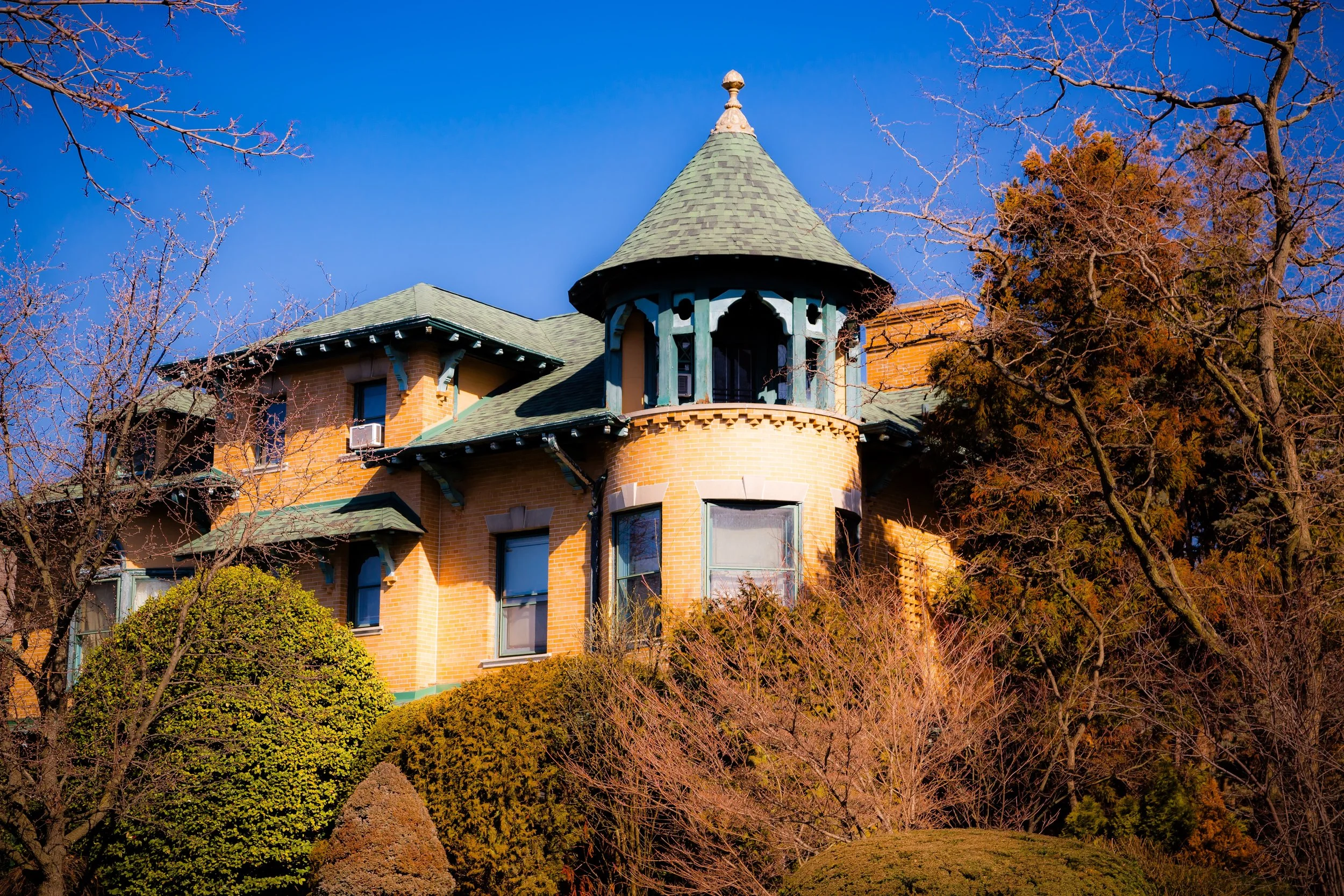
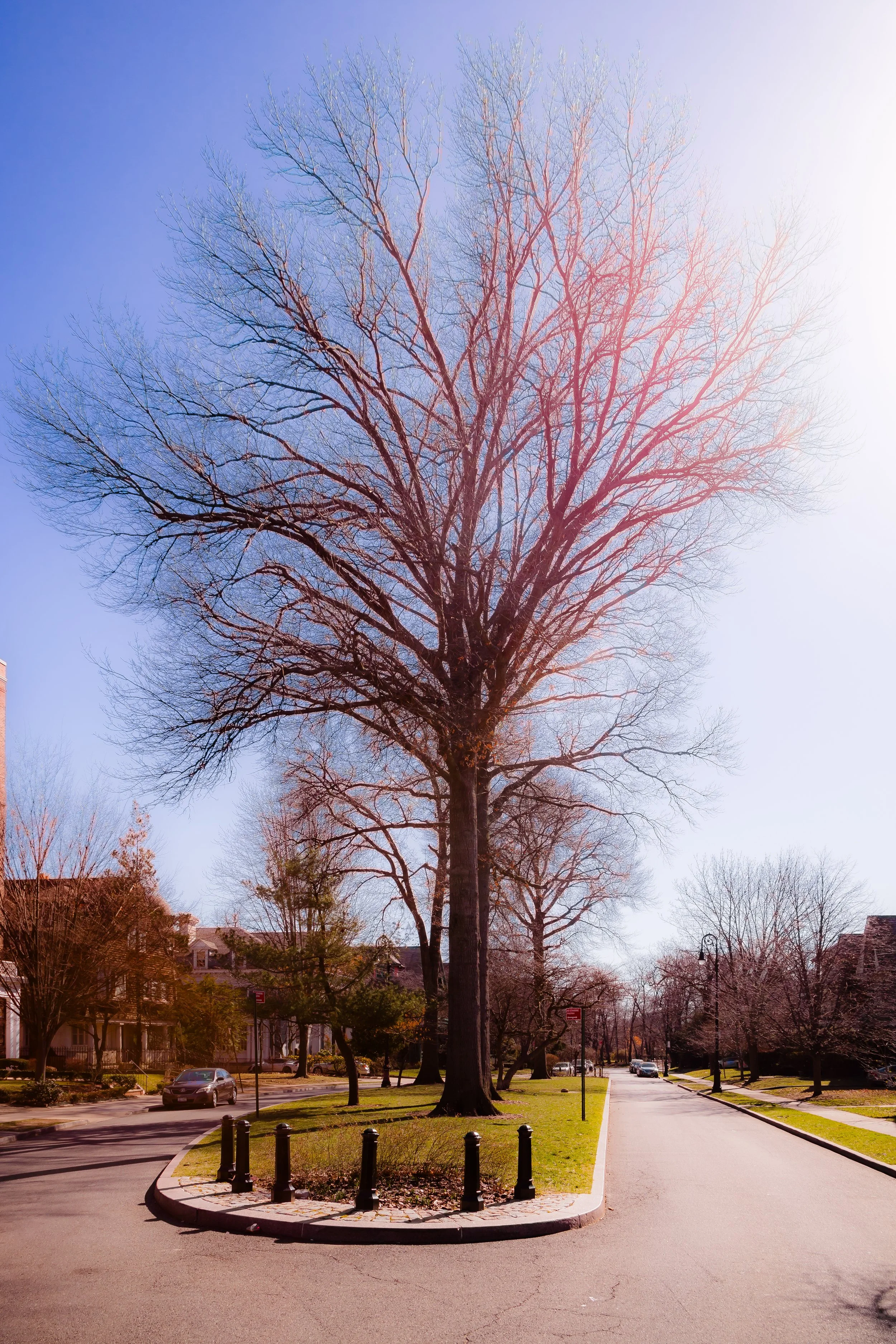
Unlike most of Brooklyn’s rowhouse neighborhoods, Prospect Park South is defined by its freestanding Victorian mansions—spacious, architecturally diverse homes set amid manicured lawns and shaded by towering maples and oaks. The neighborhood’s curving streets—Albemarle Road, Marlborough Road, Argyle Road, Rugby Road, and Buckingham Road—recall the meandering lanes of an English garden suburb, their names deliberately chosen to evoke refinement and pastoral calm. The Beverley Road and Cortelyou Road subway stations connect the district directly to Manhattan, while the Flatbush Avenue corridor lies just east, offering access to commerce and transit. Within these borders, Prospect Park South remains a masterpiece of residential planning—a vision of urban domesticity rendered in wood, stone, and green.
Etymology and Origins
The name Prospect Park South was coined by its founder, Dean Alvord, a visionary developer who purchased the land in 1899 from the estate of Cornelius Vanderveer, whose family had farmed the tract since the Dutch colonial era. Alvord, inspired by the City Beautiful movement and the garden suburbs of England, envisioned a “rural park within the city”—a place where Brooklyn’s growing professional class could enjoy the beauty and privacy of the countryside without sacrificing urban convenience.
In an 1899 prospectus, Alvord described his goal as “a residence park designed for those who appreciate artistic homes in an environment of refined taste.” He established Prospect Park South as a distinct, privately planned community with restrictive covenants controlling architectural style, lot size, building setbacks, and even the placement of trees and fences. The name itself was a deliberate invocation of proximity to Prospect Park, signaling both prestige and natural harmony.
The Neighborhood
Early 20th Century: The Model Suburb of Brooklyn
Development of Prospect Park South began immediately after its founding, guided by Alvord’s meticulous vision. He hired landscape architect John Aiken and civil engineer George E. Waring Jr. to design broad boulevards, graded lawns, and underground utilities—an innovation for the time. Albemarle Road, the grand central axis, was lined with double rows of elms and a broad landscaped median, setting a tone of elegance that persists to this day.
Alvord recruited leading architects—John J. Petit, Clarence True, John Slee, and Benjamin Driesler among them—to design one-of-a-kind houses that expressed individuality within a coherent aesthetic framework. The resulting homes—built between 1899 and 1910—display a dazzling array of styles: Colonial Revival, Queen Anne, Shingle, Dutch Colonial, Tudor, and Japanese-influenced Arts and Crafts. Many featured wraparound porches, Palladian windows, turrets, and ornate woodwork, each set amid landscaped gardens.
Alvord marketed the neighborhood to affluent professionals—lawyers, bankers, and business owners—who sought a genteel alternative to the dense rowhouse quarters of Park Slope and Brooklyn Heights. By the 1910s, Prospect Park South was hailed in architectural journals as one of the most successful examples of suburban planning in the United States.
Mid 20th Century: Change and Continuity
Through the 1920s–1930s, the neighborhood’s prestige endured, though Brooklyn’s rapid urbanization gradually encroached on its idyllic isolation. New apartment buildings rose nearby along Coney Island Avenue and Flatbush Avenue, while automobile traffic replaced carriages on Albemarle Road. Yet Prospect Park South itself retained its residential exclusivity thanks to active homeowner associations and the durability of Alvord’s original covenants.
By the 1950s, as the borough’s demographics shifted, many of the original families moved to the suburbs, and the large homes were subdivided into apartments or boardinghouses. Still, the neighborhood’s underlying architectural integrity remained remarkably intact. During this period, Caribbean, Irish, and Jewish families began moving into the area, drawn by its spacious homes and proximity to transit.
The neighborhood weathered New York’s mid-century challenges better than most, avoiding the widespread disinvestment that afflicted other parts of Flatbush. Its quiet, residential character—and the protective pride of its residents—ensured continuity even amid urban change.
Prospect Park South Photographic Video
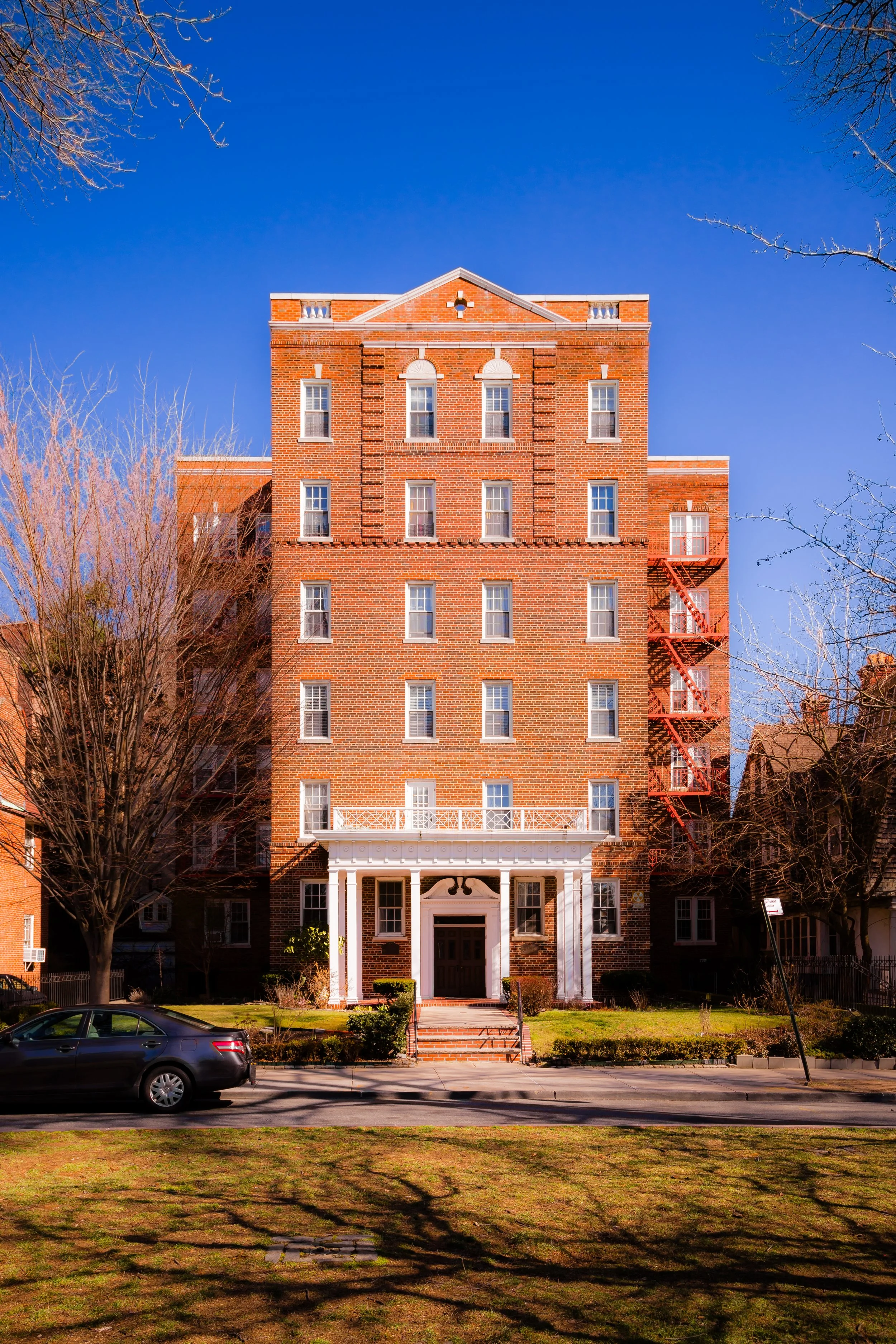
Late 20th Century: Rediscovery and Preservation
The 1970s–1980s marked the beginning of a preservation renaissance. Recognizing the exceptional architectural value of the neighborhood, residents formed the Prospect Park South Association, which lobbied successfully for official recognition. In 1979, the New York City Landmarks Preservation Commission designated Prospect Park South a Historic District, citing its “coherent yet diverse ensemble of suburban architecture” and its role as “a prototype for planned residential communities across the nation.”
Homeowners and preservationists undertook meticulous restorations, returning houses to their original splendor—stripping paint to reveal cedar shingles, recreating leaded-glass windows, and restoring ornamental porches. The result was a neighborhood reborn: once again admired for the same beauty and intentionality that defined its creation nearly a century earlier.
As Brooklyn’s cultural profile rose in the 1990s–2000s, Prospect Park South drew artists, professionals, and families seeking architectural grandeur within reach of the city’s center. Its quiet streets and expansive houses—often priced below their Park Slope counterparts—became a symbol of “undiscovered Brooklyn” elegance.
21st Century: Preservation, Diversity, and Neighborhood Pride
In the 21st century, Prospect Park South stands as one of New York’s most striking residential enclaves—its architecture almost miraculously preserved. The neighborhood remains home to a diverse population that reflects the broader mosaic of Flatbush and Kensington: Caribbean, South Asian, Jewish, and European-descended families share its historic homes, often restoring them with care while maintaining the sense of community envisioned by Alvord more than a century ago.
The Prospect Park South Association continues to advocate for preservation and neighborhood maintenance, while civic projects have improved streetscapes and reinforced environmental sustainability. The community’s proximity to Prospect Park, Cortelyou Road’s restaurant district, and Newkirk Plaza’s transit hub keeps it both connected and insulated—urban in access, suburban in feel.
Architectural tourism remains part of its identity: visitors stroll down Albemarle Road to admire the Japanese House (1902) at 131 Buckingham Road, an exotic landmark of wood and terra cotta, or the grand Colonial Revival mansions on Rugby and Argyle Roads. In spring and fall, the canopy of century-old trees casts dappled light across the lawns, giving the area an almost cinematic calm.
Prospect Park South Photo Gallery
Spirit and Legacy
The spirit of Prospect Park South lies in its marriage of artistry and planning—a place where architecture, landscape, and community form a deliberate harmony. Conceived as an ideal residential park, it has remained true to that vision across generations, surviving not through isolation but through care, stewardship, and adaptability.
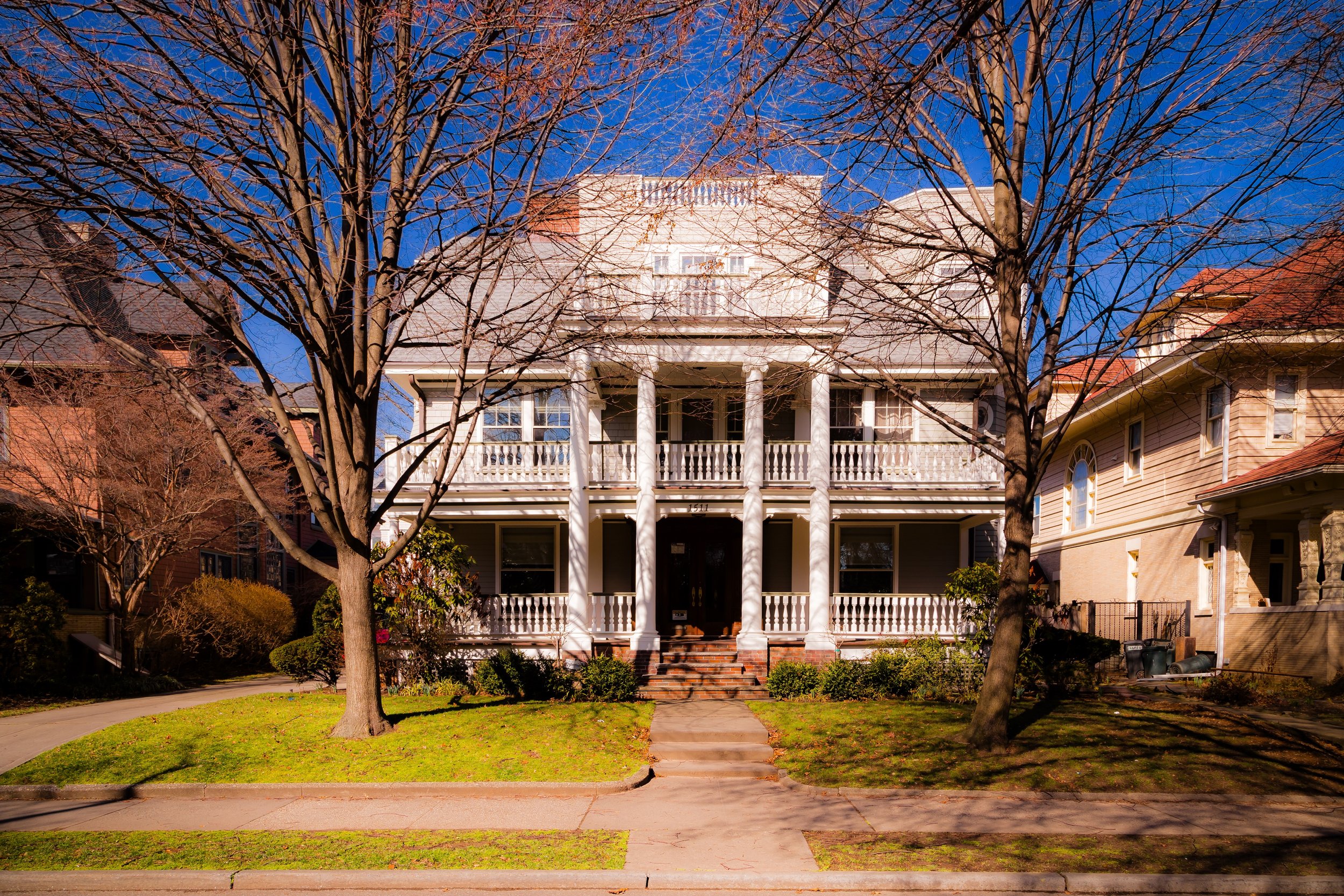
New York City
Use this custom Google map to explore where every neighborhood in all five boroughs of New York City is located.
The Five Boroughs
One of New York City’s unique qualities is its organization in to 5 boroughs: Manhattan, Brooklyn, Queens, The Bronx, and Staten Island. These boroughs are part pragmatic administrative districts, and part vestiges of the region’s past. Each borough is an entire county in New York State - in fact, Brooklyn is, officially, Kings County, while Staten Island is, officially Richmond County. But that’s not the whole story …
Initially, New York City was located on the southern tip of Manhattan (now the Financial District) that was once the Dutch colony of New Amsterdam. Across the East River, another city was rising: Brooklyn. In time, the city planners realized that unification between the rapidly rising cities would create commercial and industrial opportunities - through streamlined administration of the region.
So powerful was the pull of unification between New York and Brooklyn that three more counties were pulled into the unification: The Bronx, Queens, and Staten Island. And on January 1, 1898, the City of New York unified two cities and three counties into one Greater City of New York - containing the five boroughs we know today.
But because each borough developed differently and distinctly until unification, their neighborhoods likewise uniquely developed. Today, there are nearly 390 neighborhoods, each with their own histories, cultures, cuisines, and personalities - and each with residents who are fiercely proud of their corner of The Big Apple.