
ROSSVILLE
Staten Island
Geographic Setting
Bounded by Alverson Avenue to the east, Woodrow Road to the south, and the West Shore Expressway to the west, Rossville lies within Staten Island’s southwest interior—a landscape of quiet streets, rolling woodlands, and broad open spaces that reveal the borough’s deep rural past even amid modern suburban growth. Situated between Arden Heights to the northeast and Woodrow to the south, the neighborhood extends toward the tidal marshlands of Fresh Kills to the west and the wooded uplands near Bloomingdale Road to the east.
The community’s heart centers on Arthur Kill Road, which winds like a thread through centuries of history—from colonial farms and ferries to modern homes and parks. While the area today features tree-lined subdivisions and civic spaces such as Rossville A.M.E. Zion Church and Bloomingdale Park, its geography still bears the quiet contours of its agricultural and maritime origins. Few places on Staten Island embody such a layered relationship between land and memory: a place once defined by ferrymen and freedmen, by farms and factories, now reimagined as a residential enclave rooted in heritage and renewal.
Etymology
The name Rossville honors William Ross, a Staten Island merchant and ferry operator who, in the early 19th century, built a landing and storehouse along the Arthur Kill shoreline to serve local farmers and travelers. His enterprise—known as Ross’s Landing—became the nucleus of the small village that would bear his name.
Originally part of the larger township of Westfield, the area was referred to as “Old Blazing Star Ferry,” after the colonial ferry crossing that once linked Staten Island to New Jersey. By the mid-1800s, the name Rossville had supplanted the older term, reflecting both the community’s growing identity and the personal legacy of its founder. The name endures today as a quiet reminder of Staten Island’s transformation from rural frontier to suburban borough.
The Neighborhood
Origins through the 19th Century
Rossville’s roots stretch deep into the 17th century, when Dutch and English settlers established farms along the Arthur Kill. Fertile soil, fresh water, and proximity to navigable waterways made the area ideal for agriculture and trade. By the mid-1700s, a small community had taken shape near what is now Arthur Kill Road, centered around Blazing Star Ferry, which provided passage across the Arthur Kill to Woodbridge, New Jersey. The ferry, chartered in 1752, became an essential artery of commerce linking Staten Island’s agricultural hinterland to mainland markets.
In the late 18th and early 19th centuries, Rossville’s population grew modestly, composed largely of farmers, craftsmen, and ferrymen. The surrounding countryside was dotted with orchards, hayfields, and tidal meadows used for grazing. In 1817, William Ross purchased land near the ferry landing and established a store, tavern, and dock, giving rise to the name Ross’s Landing. His enterprise prospered, and by the 1830s, the area had become a small but thriving village with its own post office, blacksmith shop, and general store.
Rossville also holds a profound place in African American history. In the early 19th century, the area became home to one of Staten Island’s first free Black communities, known as Sandy Ground—a settlement founded by freedmen and oyster harvesters who migrated north from Maryland, Delaware, and Virginia. These settlers purchased land, built homes, and established churches, including the Rossville A.M.E. Zion Church (1850), which remains one of the oldest African Methodist Episcopal congregations in the United States. The Sandy Ground community thrived through self-reliance and the oyster trade, forming a remarkable enclave of freedom and entrepreneurship long before the Civil War.
Early 20th Century: Decline and Preservation
By the turn of the 20th century, Rossville’s prominence as a ferry and trading hub had waned. The rise of industrial shipping and the construction of larger ports along the Kill Van Kull shifted maritime commerce northward, while new rail and road networks reoriented Staten Island’s economy. The Blazing Star Ferry ceased operation in the early 1900s, leaving Rossville increasingly isolated. Its rural character persisted, defined by farms, scattered homes, and the enduring presence of the Sandy Ground community.
Despite economic decline, Rossville retained its sense of continuity and close-knit identity. The Rossville A.M.E. Zion Church continued to serve as both spiritual and cultural center, and many descendants of Sandy Ground’s founding families remained in the area. During this period, the church’s cemetery became a resting place for generations of Black Staten Islanders, including several who had been born into slavery.
The 1930s and 1940s brought modest change—new houses along Arthur Kill Road, improved roads, and the beginnings of suburban infill—but Rossville’s rural landscape and historical landmarks largely survived. While much of Staten Island was transforming into commuter suburbia, Rossville remained a pocket of quiet endurance, its story etched in weathered headstones and marshland horizons.

Rossville Video Coming Soon
Mid–Late 20th Century: Transformation and Tragedy
The mid-20th century marked both loss and rebirth for Rossville. In 1963, a devastating brush fire swept through the community, destroying dozens of homes in the Sandy Ground area and displacing many long-established families. The fire marked the symbolic end of Rossville’s 19th-century rural epoch, but it also galvanized efforts to preserve its legacy. In the aftermath, historians, residents, and preservationists founded the Sandy Ground Historical Society, dedicated to safeguarding the community’s history through archives, oral histories, and the restoration of surviving structures.
Simultaneously, Staten Island’s postwar boom transformed Rossville’s landscape. The completion of the West Shore Expressway (Route 440) in the 1970s and the Korean War Veterans Parkway improved accessibility, spurring suburban development on former farmland. Housing tracts and small commercial strips appeared along Woodrow Road and Arthur Kill Road, while nearby industrial zones expanded westward toward the Arthur Kill. Yet even amid this growth, pockets of open space and historic landholdings were preserved.
The creation of Bloomingdale Park and the protection of portions of the Fresh Kills wetlands ensured that Rossville would retain its balance of nature and settlement. In the same era, renewed recognition of Sandy Ground’s national significance brought visitors and scholars from across the country. The Sandy Ground Museum, founded in 1980, became the first museum in the United States dedicated to the heritage of a free Black community, cementing Rossville’s place in American history.
21st Century: Heritage, Suburbia, and Stewardship
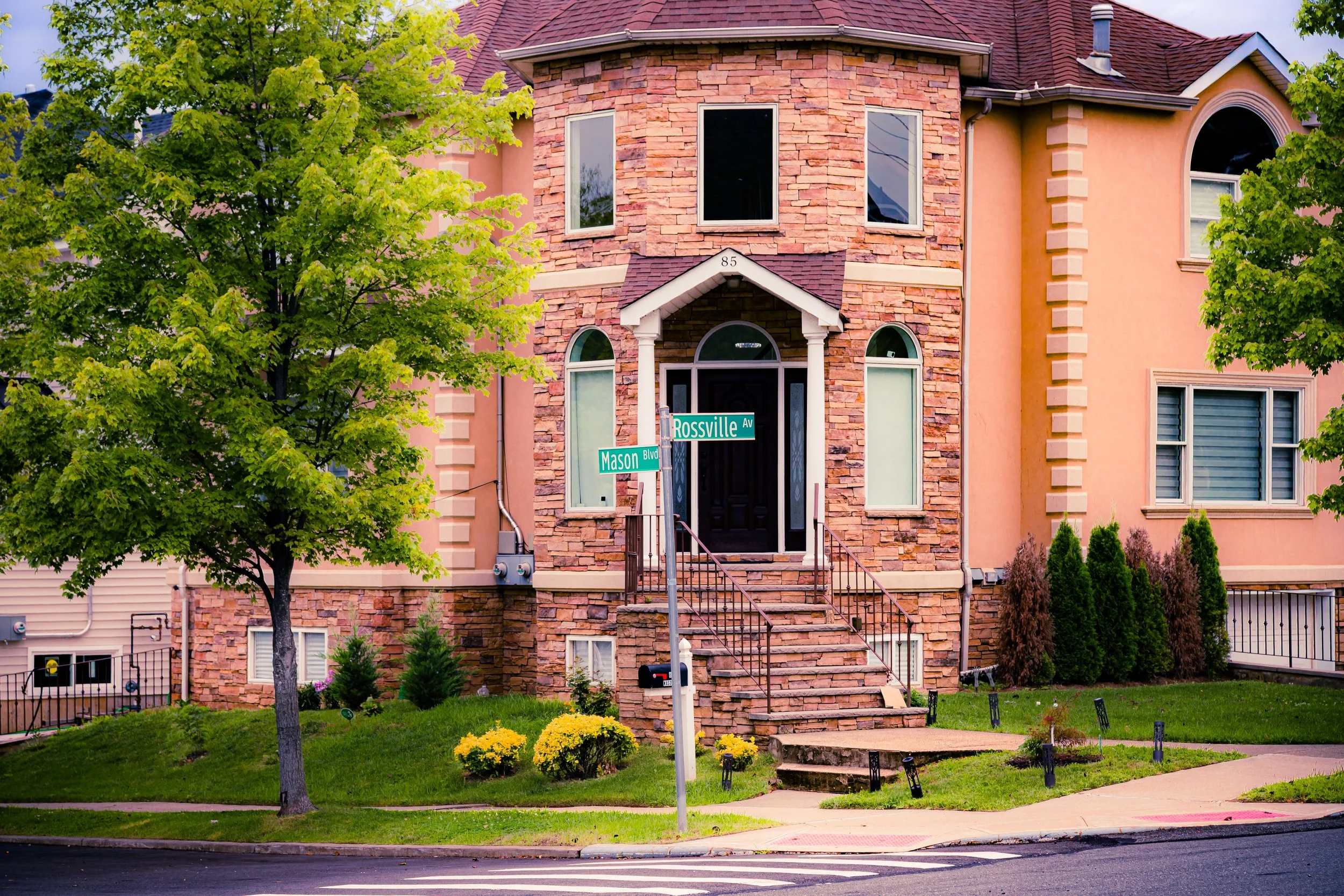
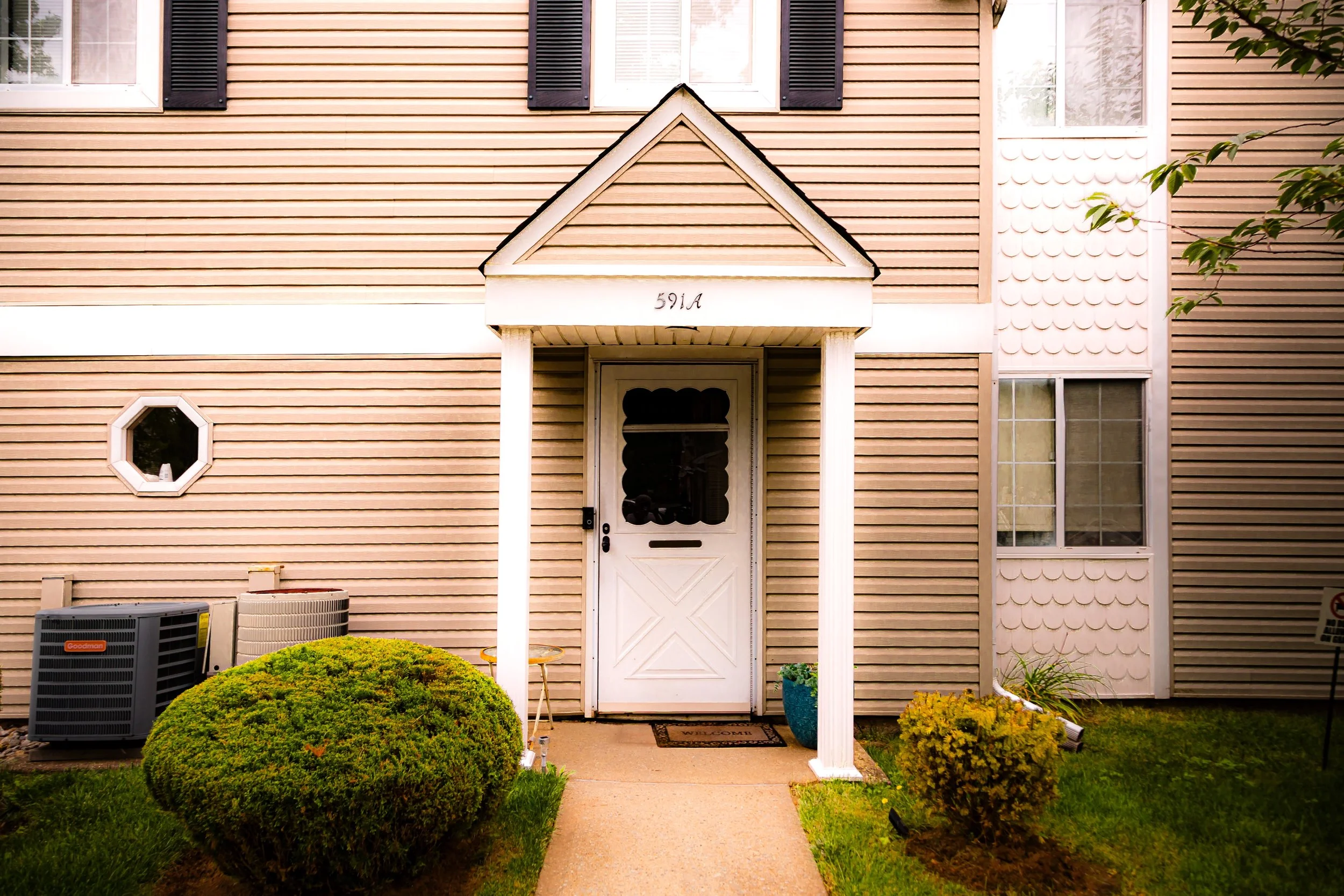
Today, Rossville stands as a unique fusion of suburban calm and historic depth. Its quiet residential streets, lined with modern single-family homes and townhouses, belie a heritage that stretches back over three centuries. Along Bloomingdale Road and Woodrow Road, broad parks, churches, and schools serve a growing population, while the Sandy Ground Historical Museum preserves the stories of those who made Rossville a beacon of freedom and self-determination.
Environmental stewardship has become central to the community’s modern identity. The neighborhood’s proximity to Fresh Kills Park, one of the largest ecological restoration projects in the world, links Rossville to Staten Island’s broader environmental future. Wetland conservation and green infrastructure projects along Alverson Avenue and Bloomingdale Park have improved flood resilience while preserving wildlife habitats.
Demographically, Rossville has become more diverse, reflecting Staten Island’s wider mosaic of cultures. Longtime families live alongside new arrivals from across the city, drawn by the area’s balance of open space, history, and accessibility. The spirit of civic engagement remains strong: community organizations advocate for responsible development, heritage education, and park conservation, ensuring that Rossville’s transformation continues to honor its roots.
Rossville Photo Gallery
Spirit and Legacy
The spirit of Rossville lies in its resilience and remembrance. From its beginnings as a ferry village to its role as the home of Sandy Ground’s free Black settlers, it has been a place where independence and community coexist. Its legacy is written not only in historic buildings or archival records, but in the continuity of care—neighbors tending gardens on land once plowed by farmers, schoolchildren learning about those who built freedom into the soil beneath their feet.
Rossville endures as a landscape of quiet power: suburban in appearance, but layered with the echoes of those who came before. It is a testament to Staten Island’s complexity—where the American story of struggle, migration, and renewal still lives within a few square miles of streets and fields.
New York City
Use this custom Google map to explore where every neighborhood in all five boroughs of New York City is located.
The Five Boroughs
One of New York City’s unique qualities is its organization in to 5 boroughs: Manhattan, Brooklyn, Queens, The Bronx, and Staten Island. These boroughs are part pragmatic administrative districts, and part vestiges of the region’s past. Each borough is an entire county in New York State - in fact, Brooklyn is, officially, Kings County, while Staten Island is, officially Richmond County. But that’s not the whole story …
Initially, New York City was located on the southern tip of Manhattan (now the Financial District) that was once the Dutch colony of New Amsterdam. Across the East River, another city was rising: Brooklyn. In time, the city planners realized that unification between the rapidly rising cities would create commercial and industrial opportunities - through streamlined administration of the region.
So powerful was the pull of unification between New York and Brooklyn that three more counties were pulled into the unification: The Bronx, Queens, and Staten Island. And on January 1, 1898, the City of New York unified two cities and three counties into one Greater City of New York - containing the five boroughs we know today.
But because each borough developed differently and distinctly until unification, their neighborhoods likewise uniquely developed. Today, there are nearly 390 neighborhoods, each with their own histories, cultures, cuisines, and personalities - and each with residents who are fiercely proud of their corner of The Big Apple.