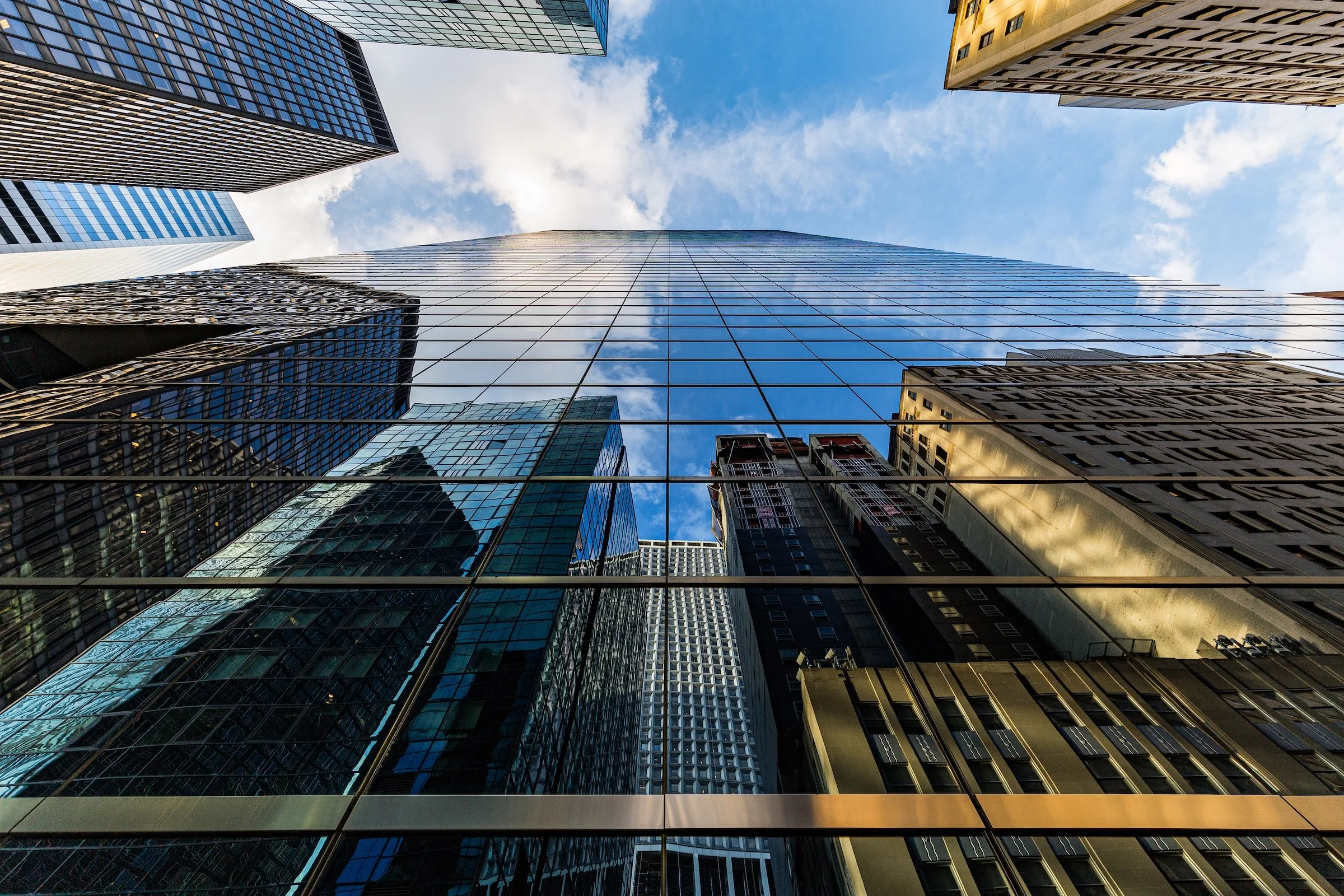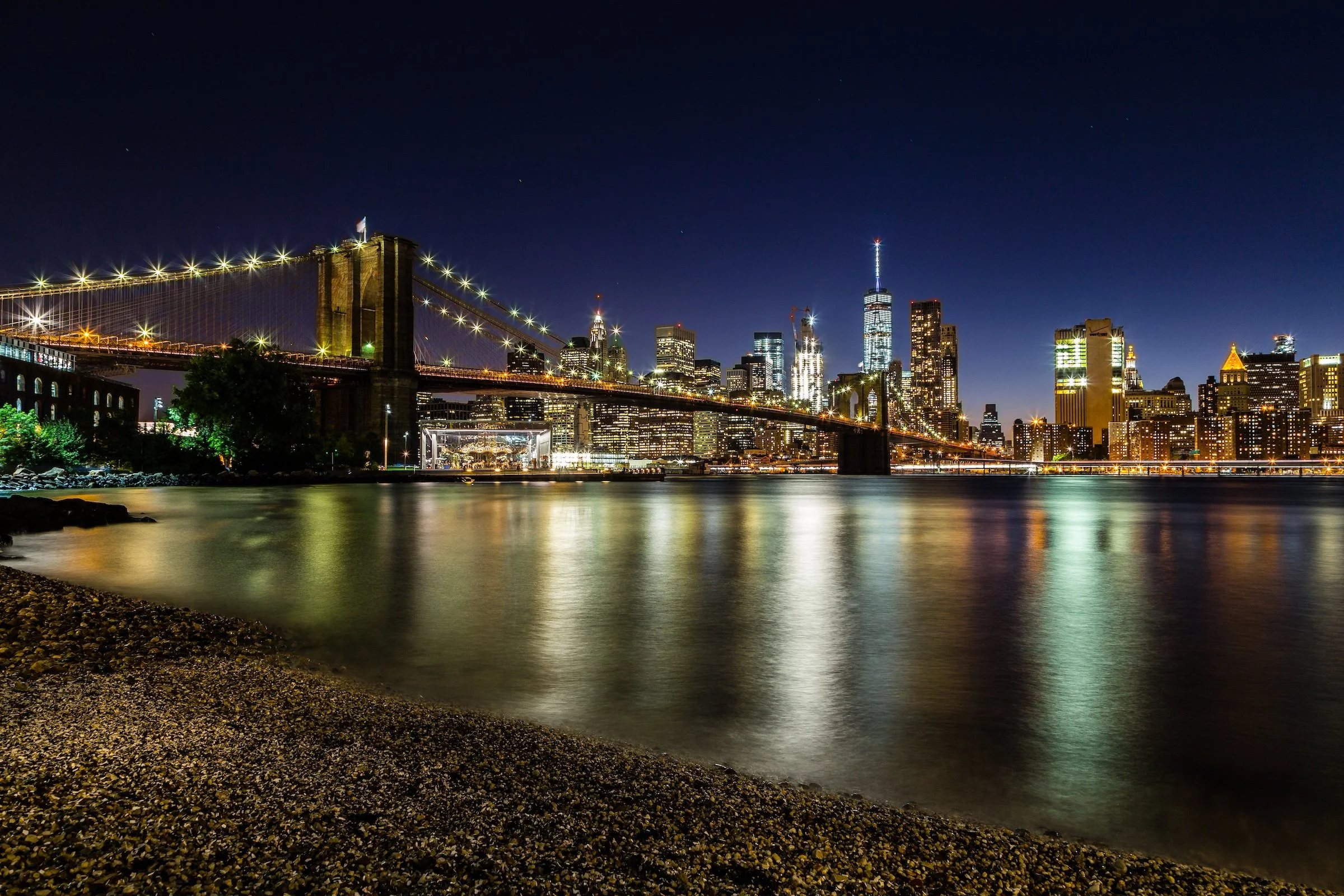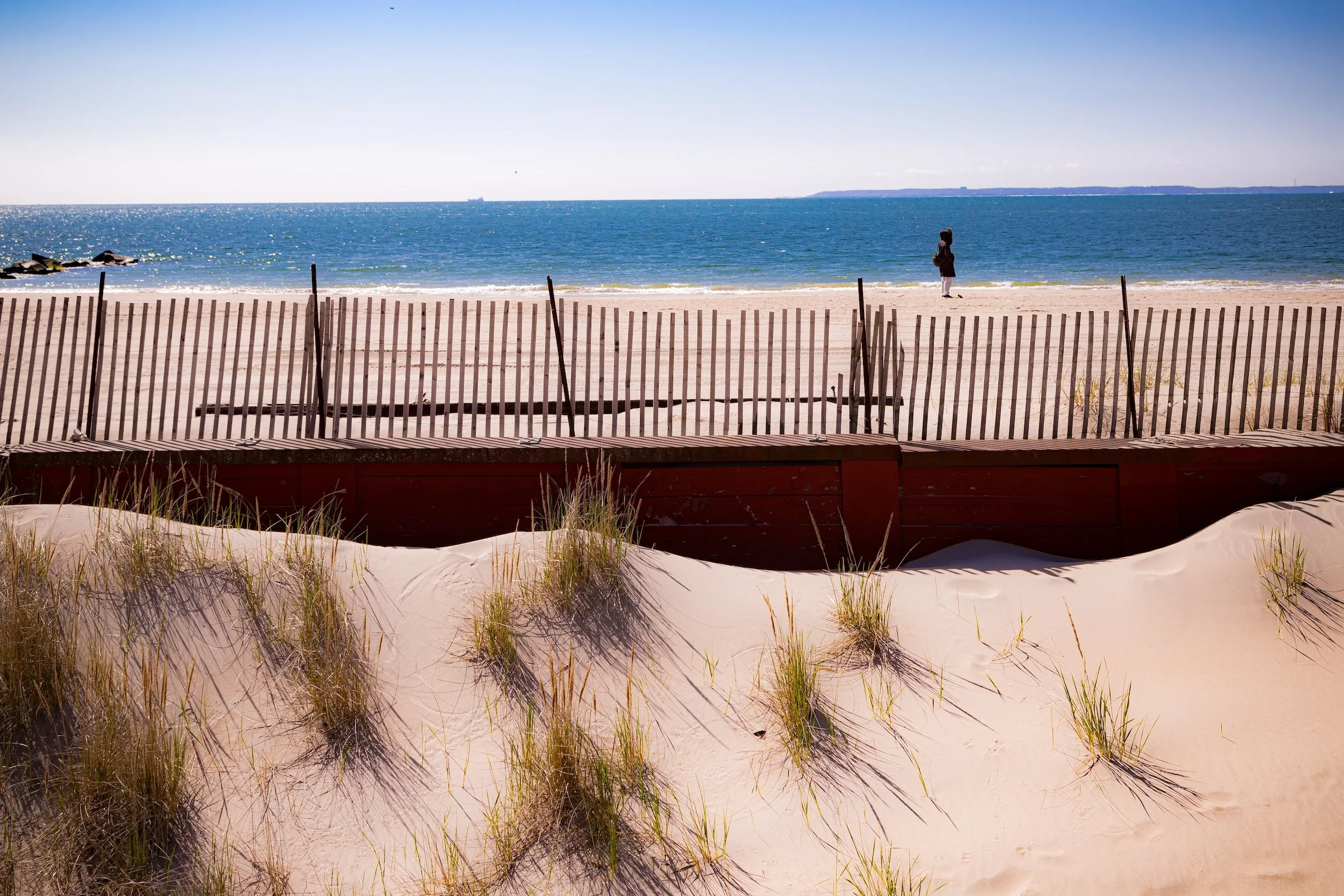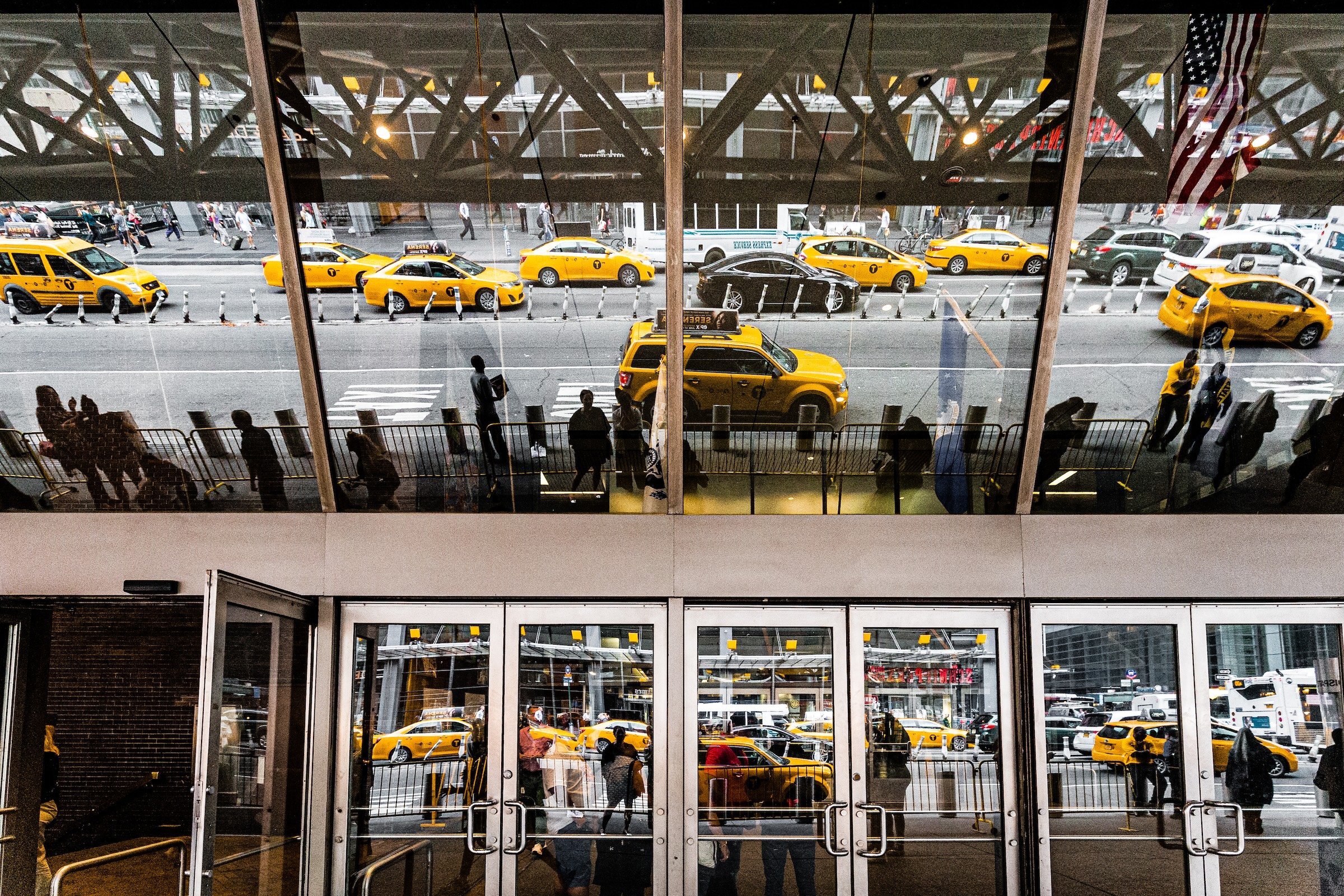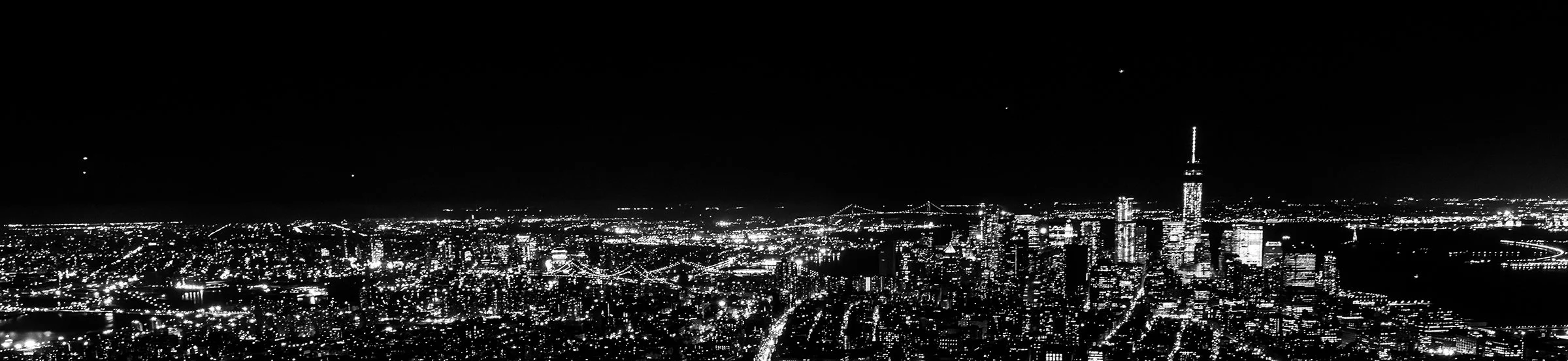

Financial District - Manhattan - Broad Financial Reflections
Definition
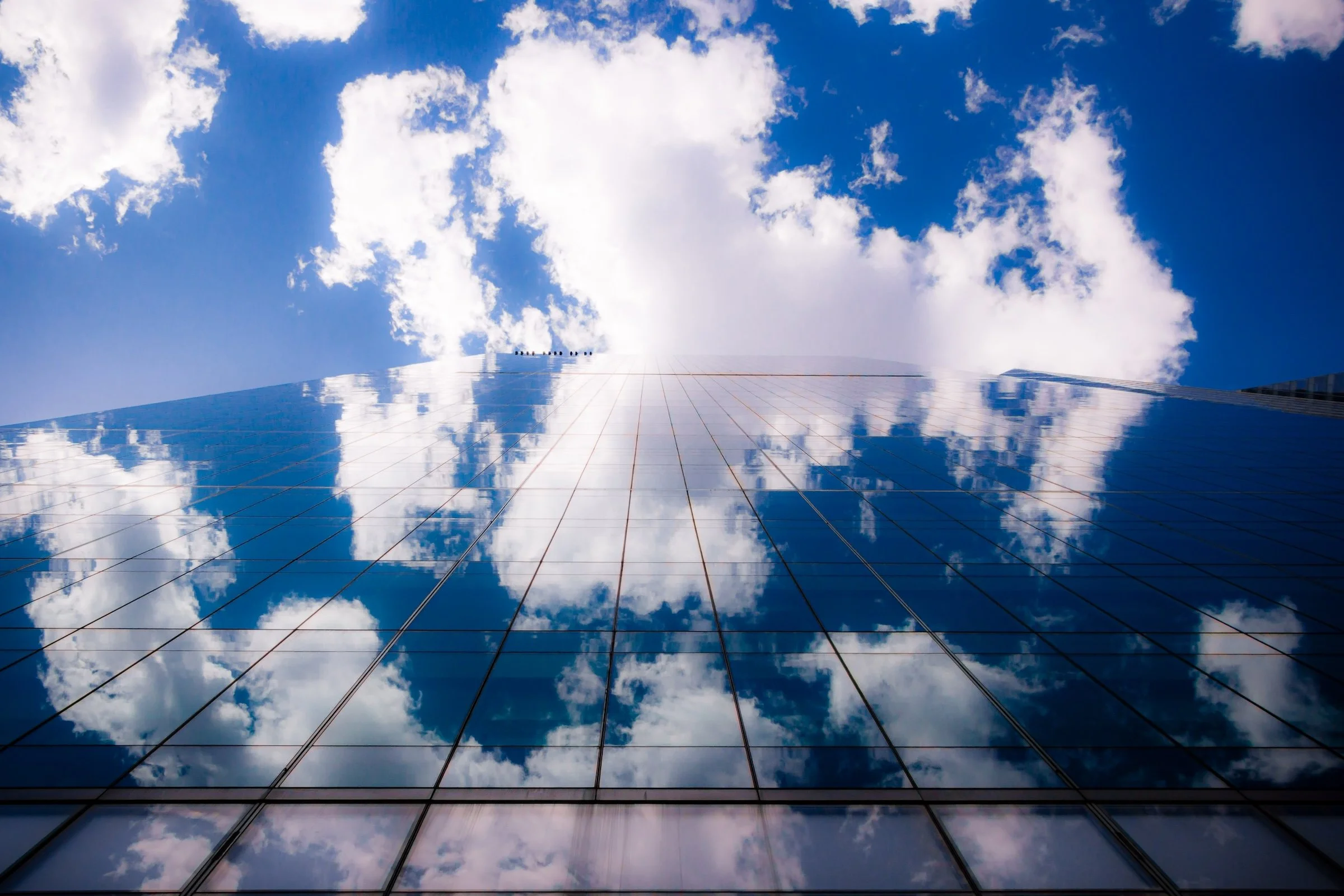
Reflected City is the practice of using large surfaces—glass, polished stone, metal, water, glossy paint—to capture a second scene inside the first. The world becomes a double exposure you didn’t manufacture: skyline inside a window grid, trees rippling across a façade, a street folded into chrome.
Usage
Use this strategy when you want the city (or landscape) to quote itself—to show place as both subject and echo. Reflections are especially powerful when they create:
A “scene-within-a-scene” (a building containing another building)
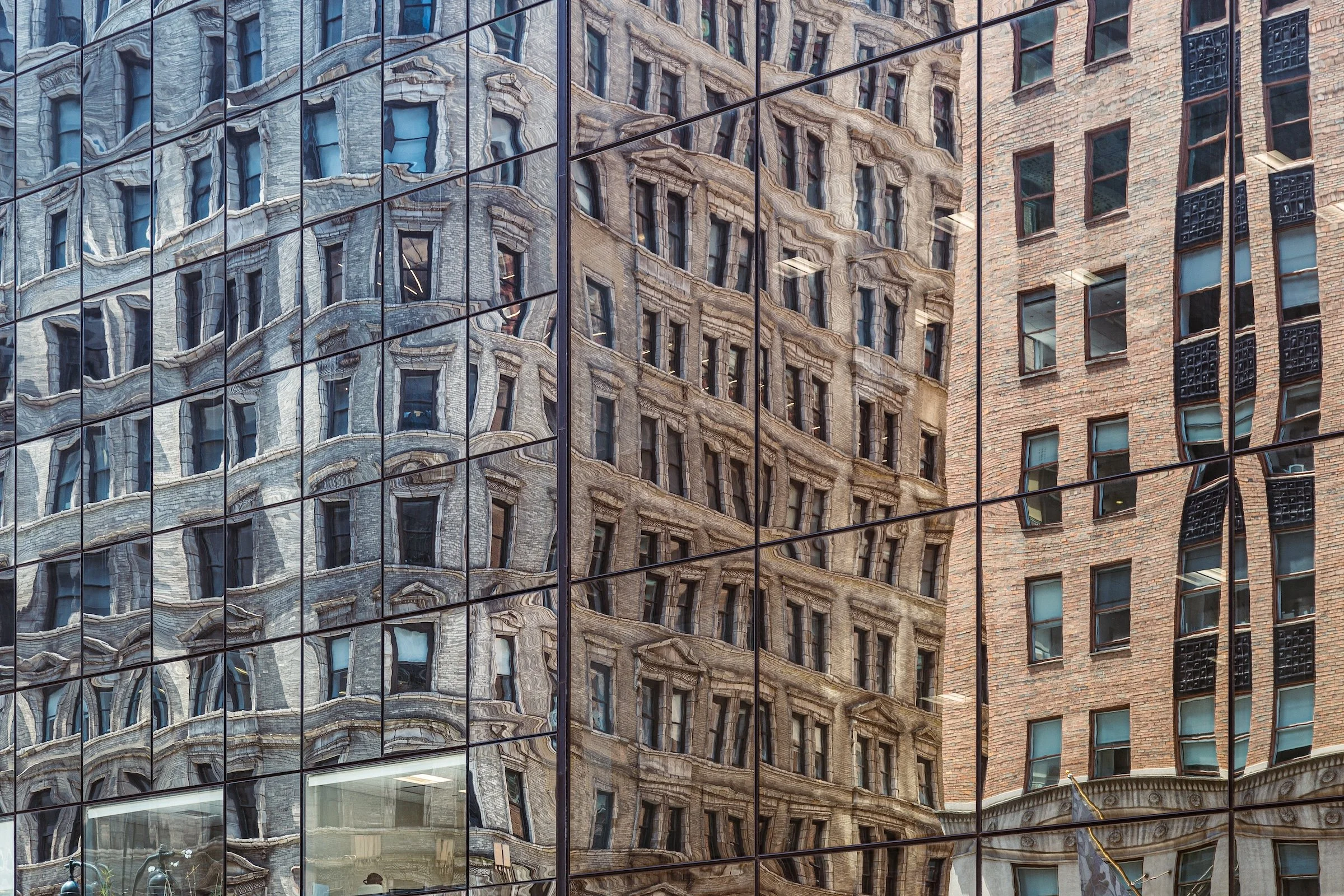
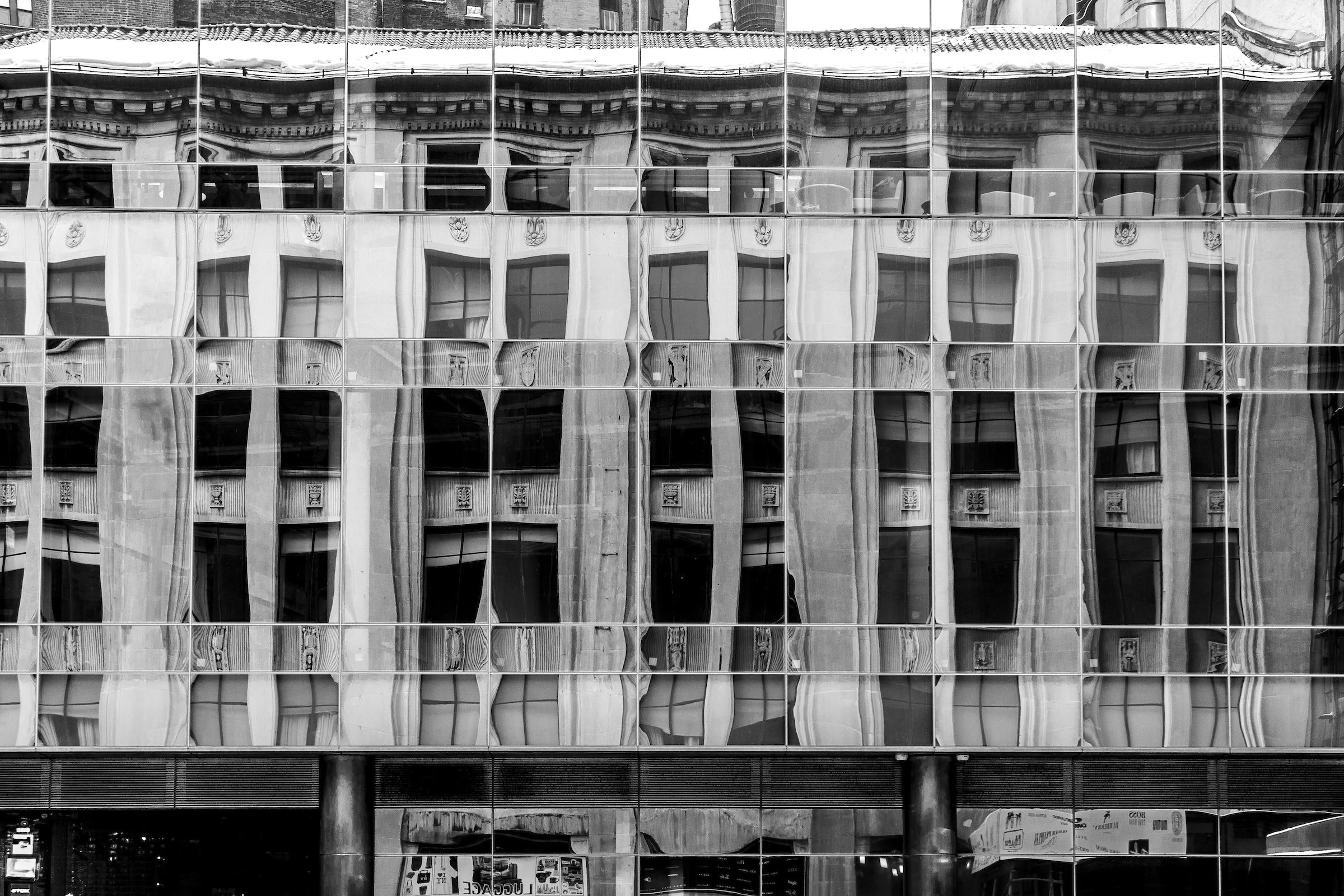
A distortion (wavy, stretched, broken, tiled)
A surreal alignment (two worlds meeting on a seam)
In Depth
Reflections work because they turn reality into composition. Instead of choosing one subject, you’re selecting a relationship: the reflected subject, the reflective surface, and the boundary between them.
Three traits tend to make the strongest reflection frames:
1) A readable reflective surface
Big panes, clean water, polished metal, or even slightly imperfect glass that bends lines in interesting ways.
2) A strong “anchor” layer
You need something stable to hold the image—mullions, window grids, a frame edge, a shoreline, a façade pattern—so the viewer doesn’t get lost.
3) A clear moment of reconciliation
The best reflections resolve into an intentional design: a tower centered in a grid, a tree crown filling the upper third, a skyline stretched like paint across glass.
A few quick ways to spot it in the field:
Look for “mirror scale.” The bigger the surface, the more it behaves like a secondary sky.
Walk laterally. Reflections change dramatically with small shifts left/right—treat it like tuning a radio.
Expose for the reflection first. If the reflected scene is the point, protect its highlights and let the physical surface go darker.
Use the seam. The edge where reflection meets reality is where the image becomes photographic instead of just “a cool mirror.”
Below are ten launch examples showing Reflections in different forms: architectural mirroring, grid distortion, night-glass intensity, and water as a second city.
Monument Mirrors
These are reflections that upgrade an icon by making it feel discovered rather than declared.
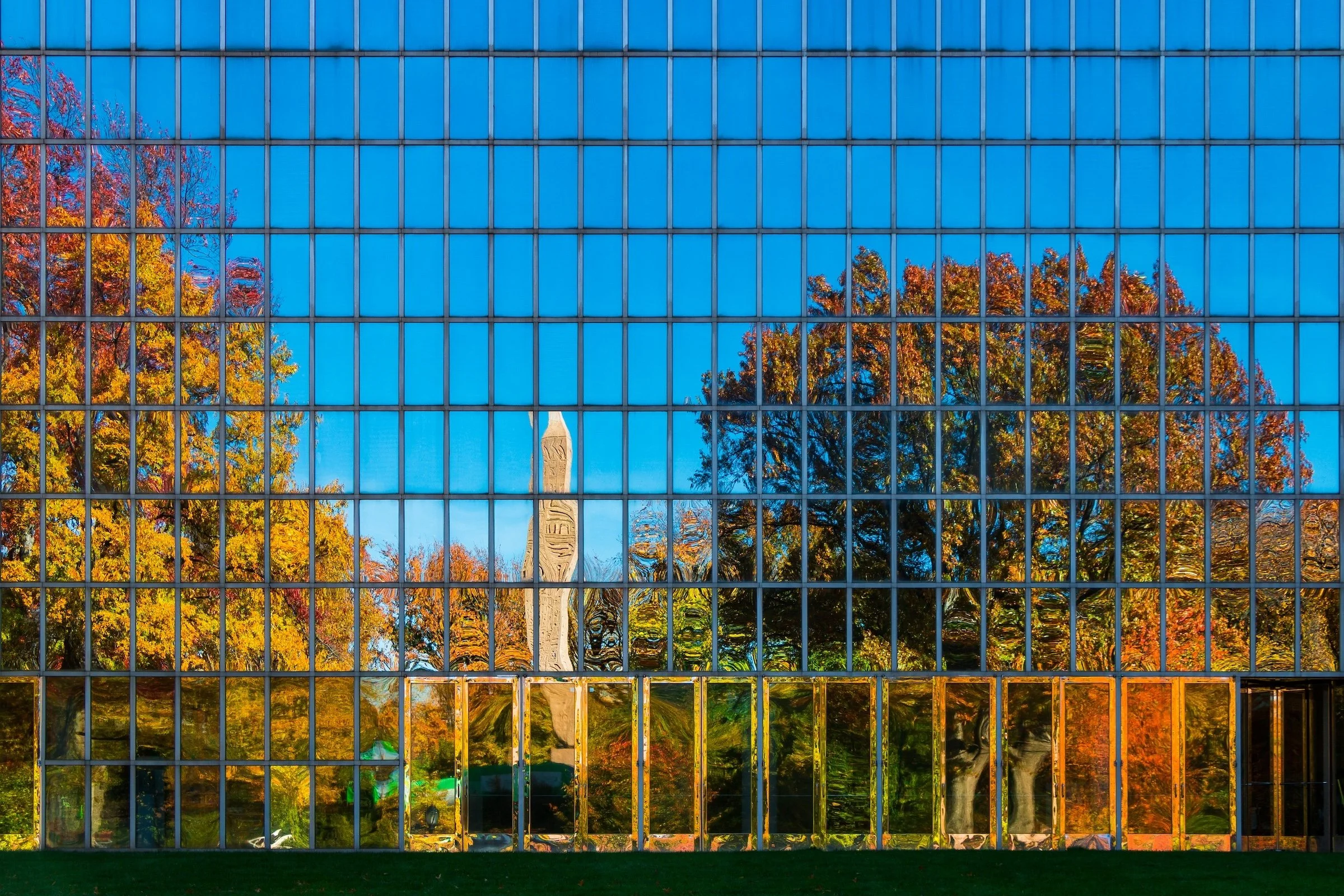
Central Park - Manhattan - Obelisk Reflection
A classic landmark becomes a quiet apparition. The reflection turns “object in a park” into “memory on a surface,” and the frame feels more like a found painting than a document.

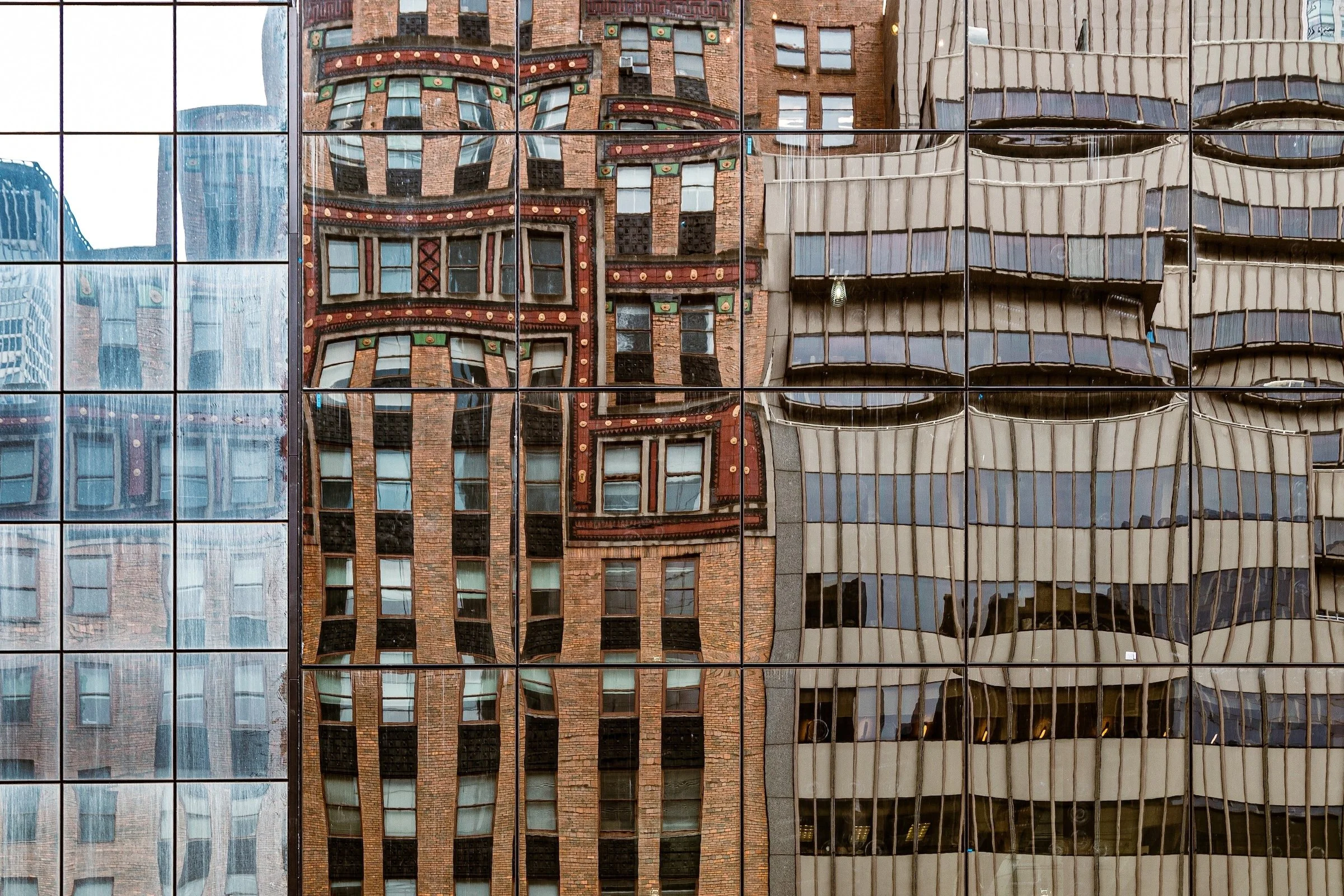
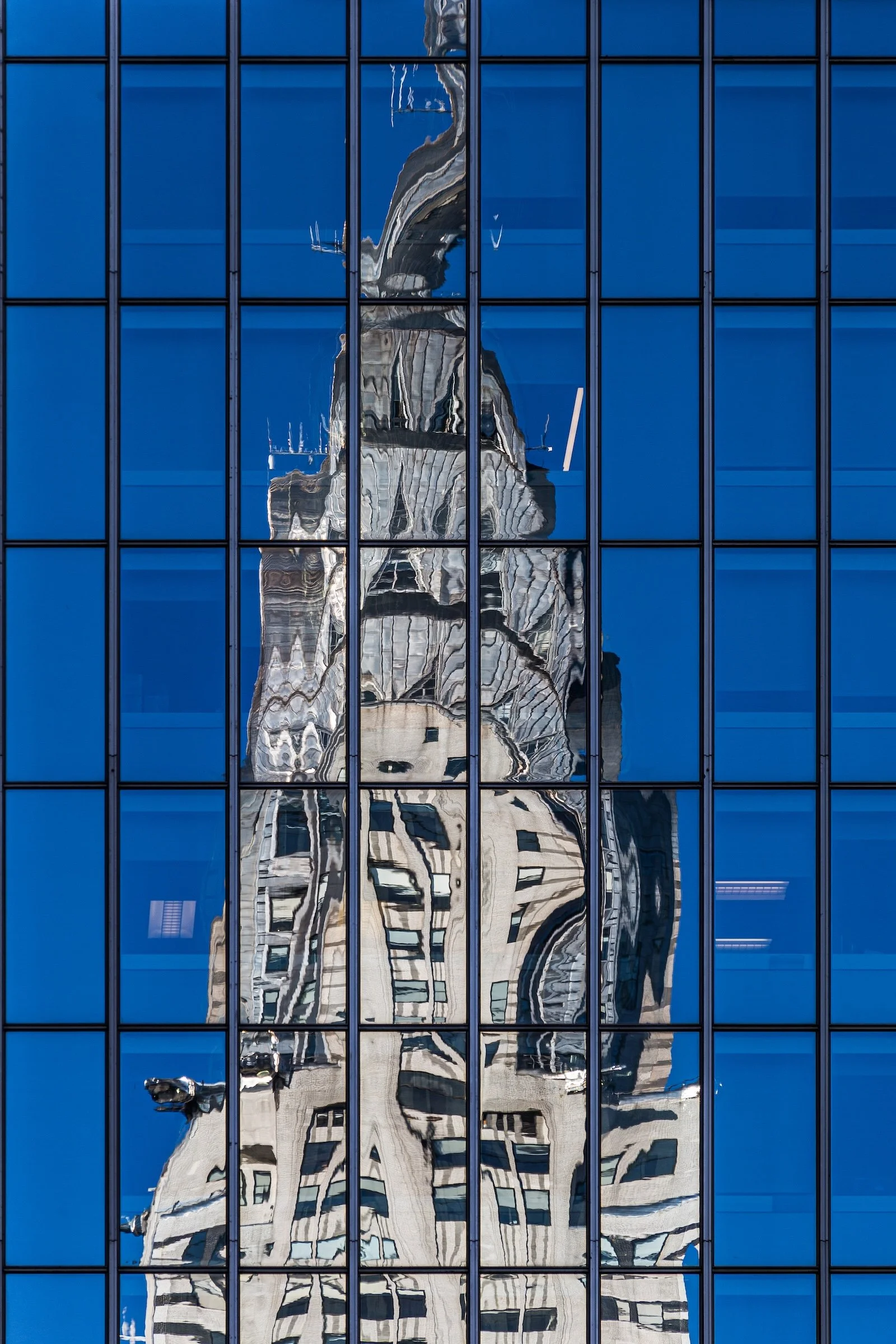
Civic Center - Manhattan - Woolworth Reflected
Woolworth already reads like a cathedral; reflected, it becomes even more mythic — a “city relic” caught in a modern pane. The technique here is essentially time-layering: old New York rendered through new New York.
Architectural Doppelgängers
Here the reflection isn’t a garnish — it’s the subject. You’re photographing the city’s second version.
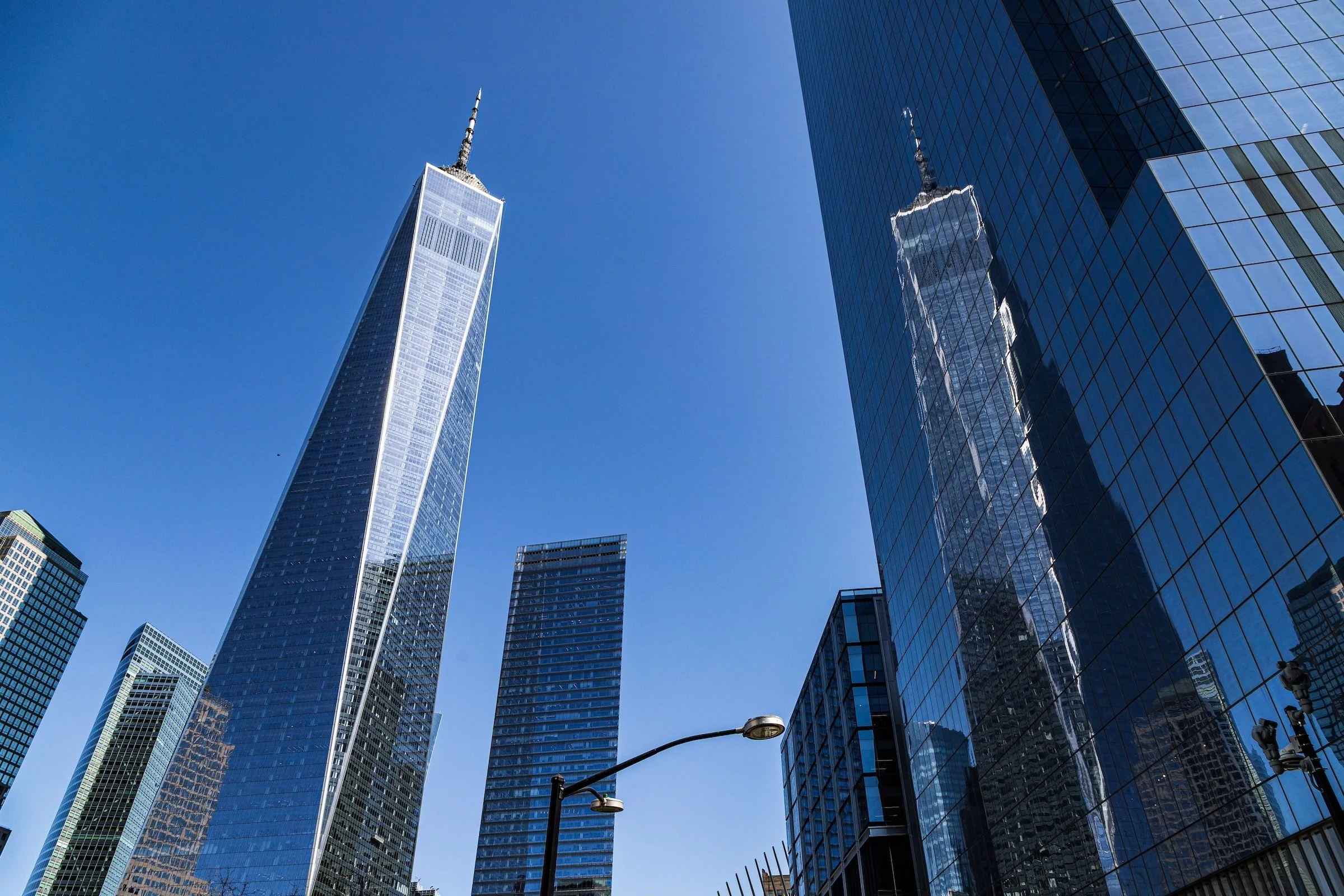
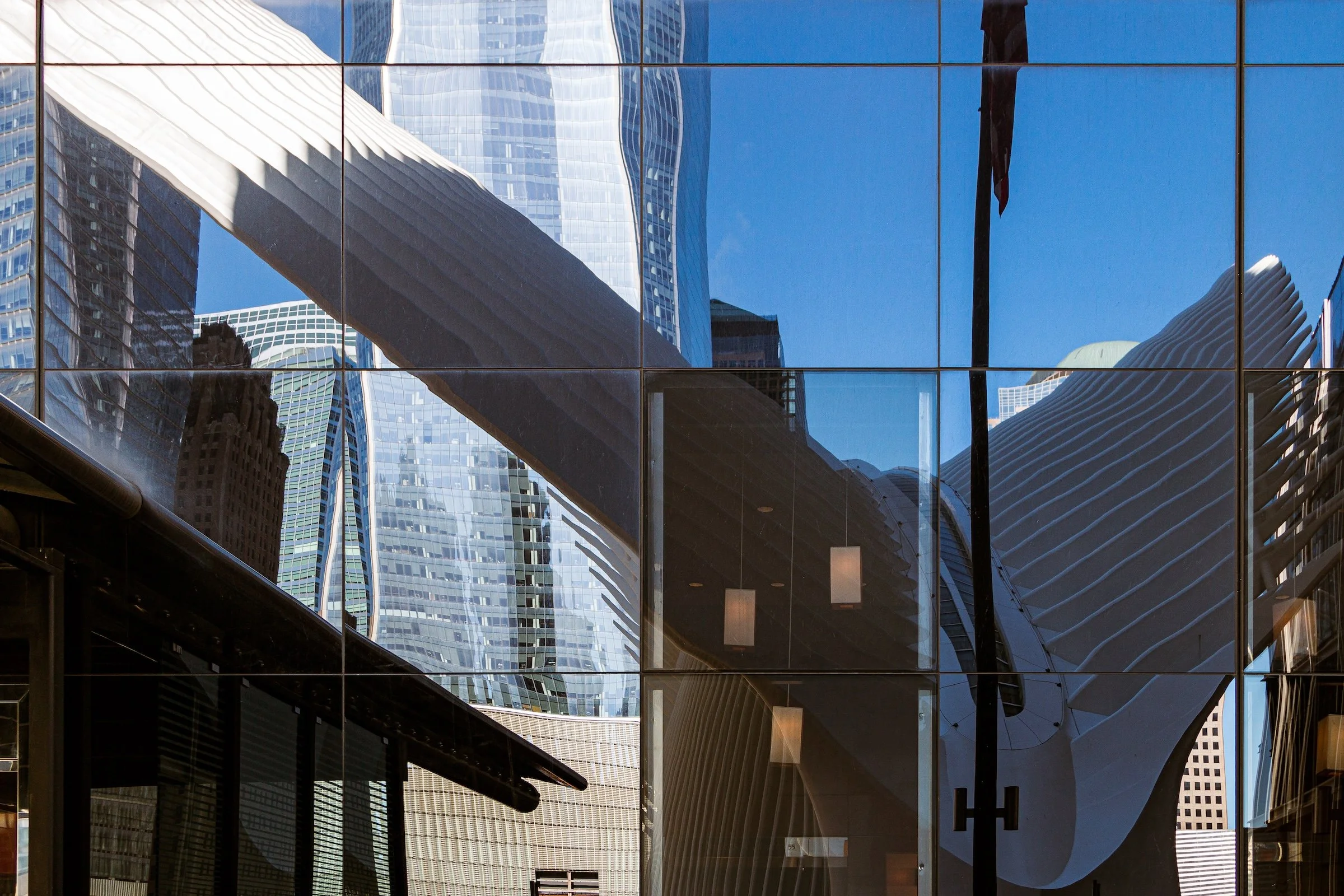
World Trade Center - Manhattan - A Tower's Twin
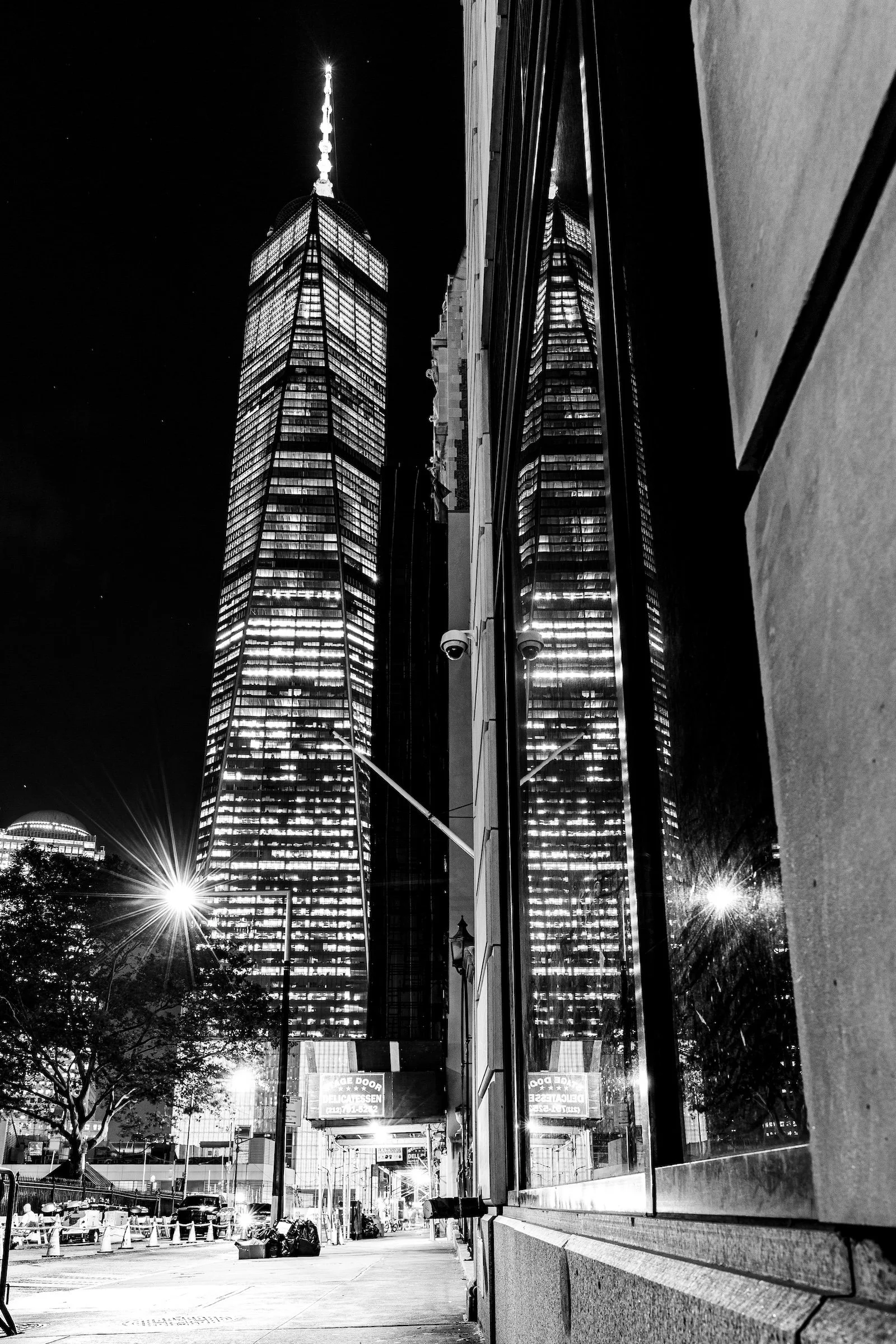
This is the purest expression of your “Second City” instinct: the skyline duplicated into a clean, graphic pairing. The strength is the near-symmetry — it reads as intentional, not accidental.
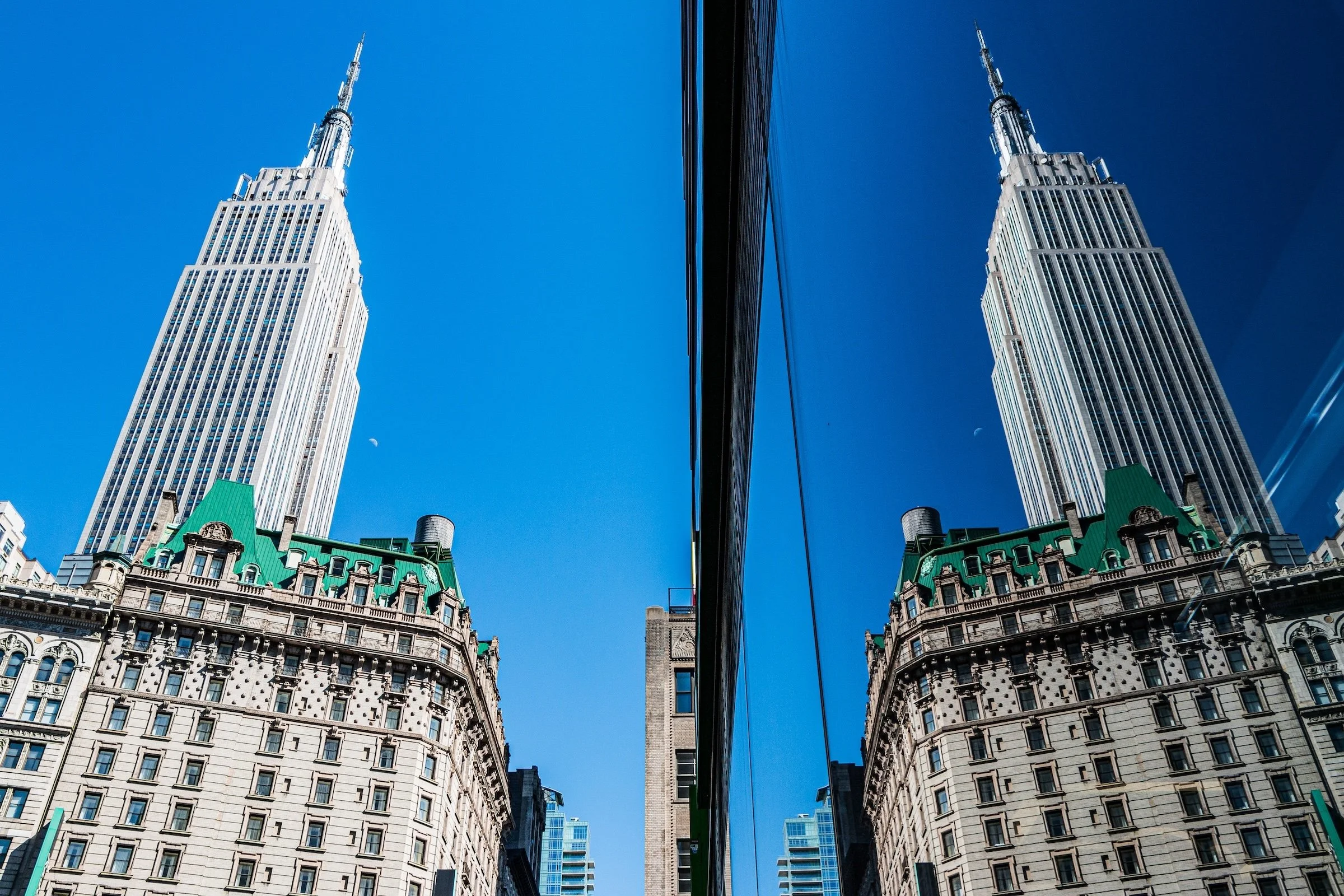
Empire District (Tenderloin) - Manhattan - Empire Reflections
This is a variation on the theme. Here, the “Second City” includes a transient companion: The moon. With the edge of the glass wall acting as a midline, this is one way to expand your reflective palette.
Distortion Studies
These are the “funhouse” branch — the city reinterpreted by seams, waviness, glass texture, and angle.
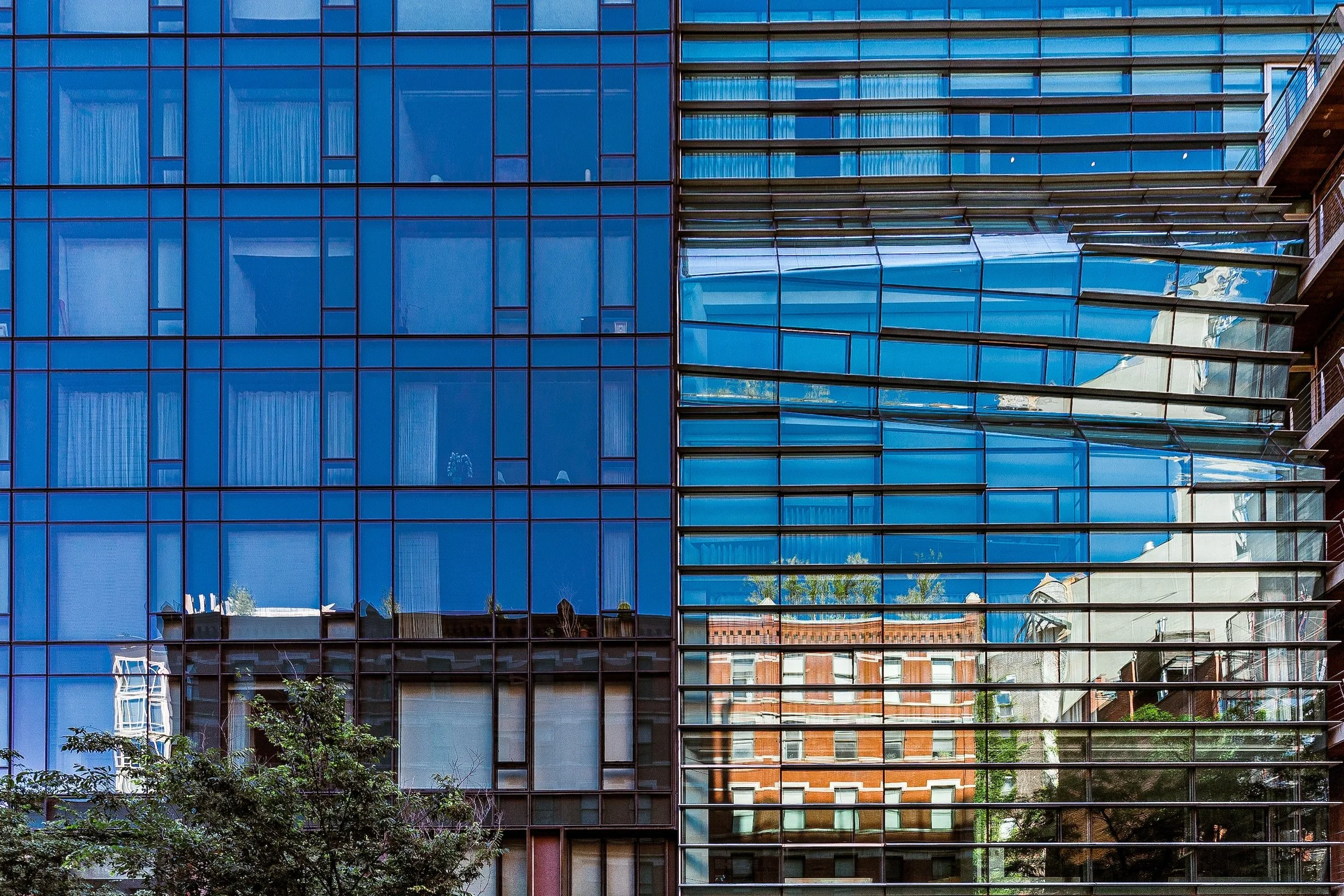
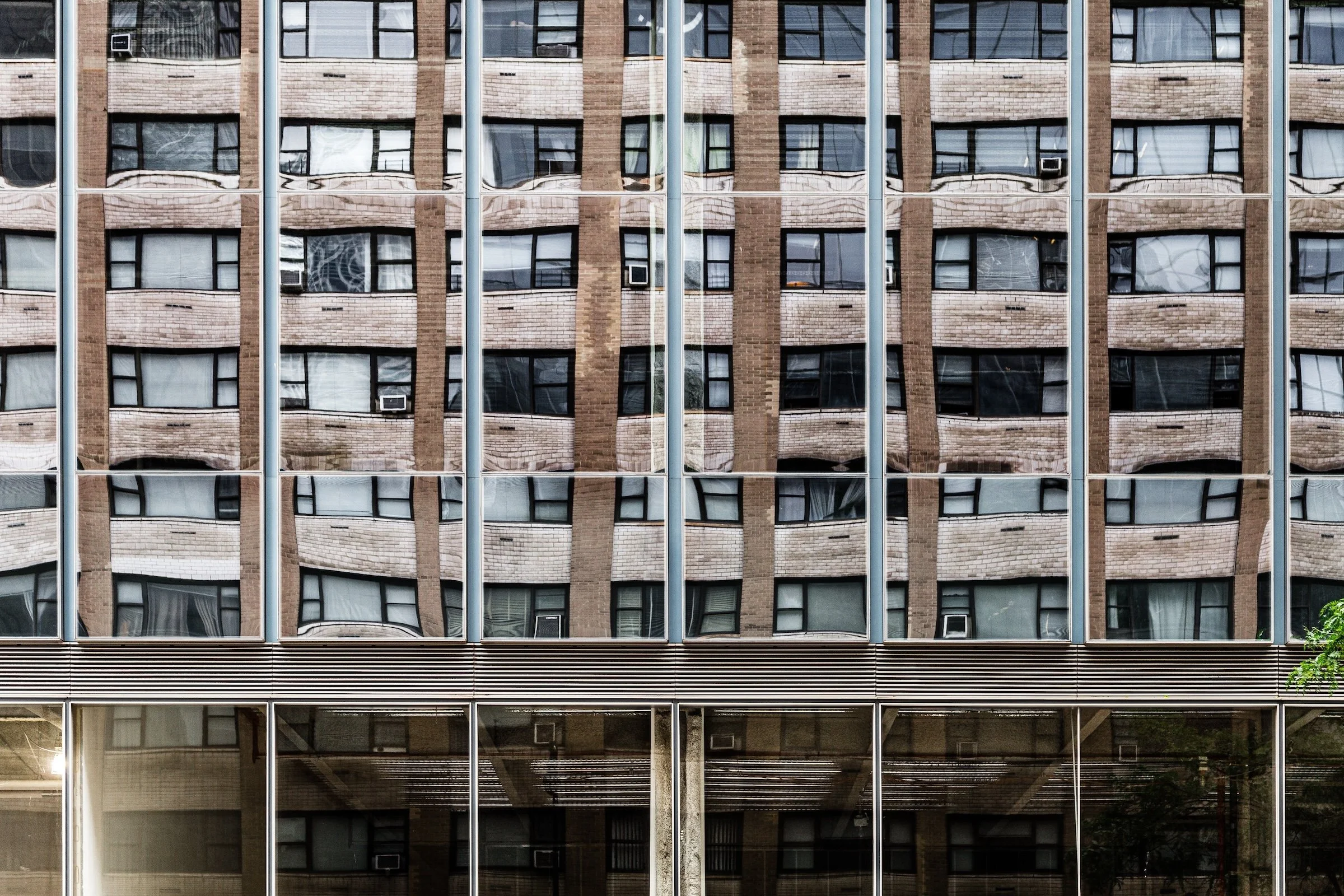
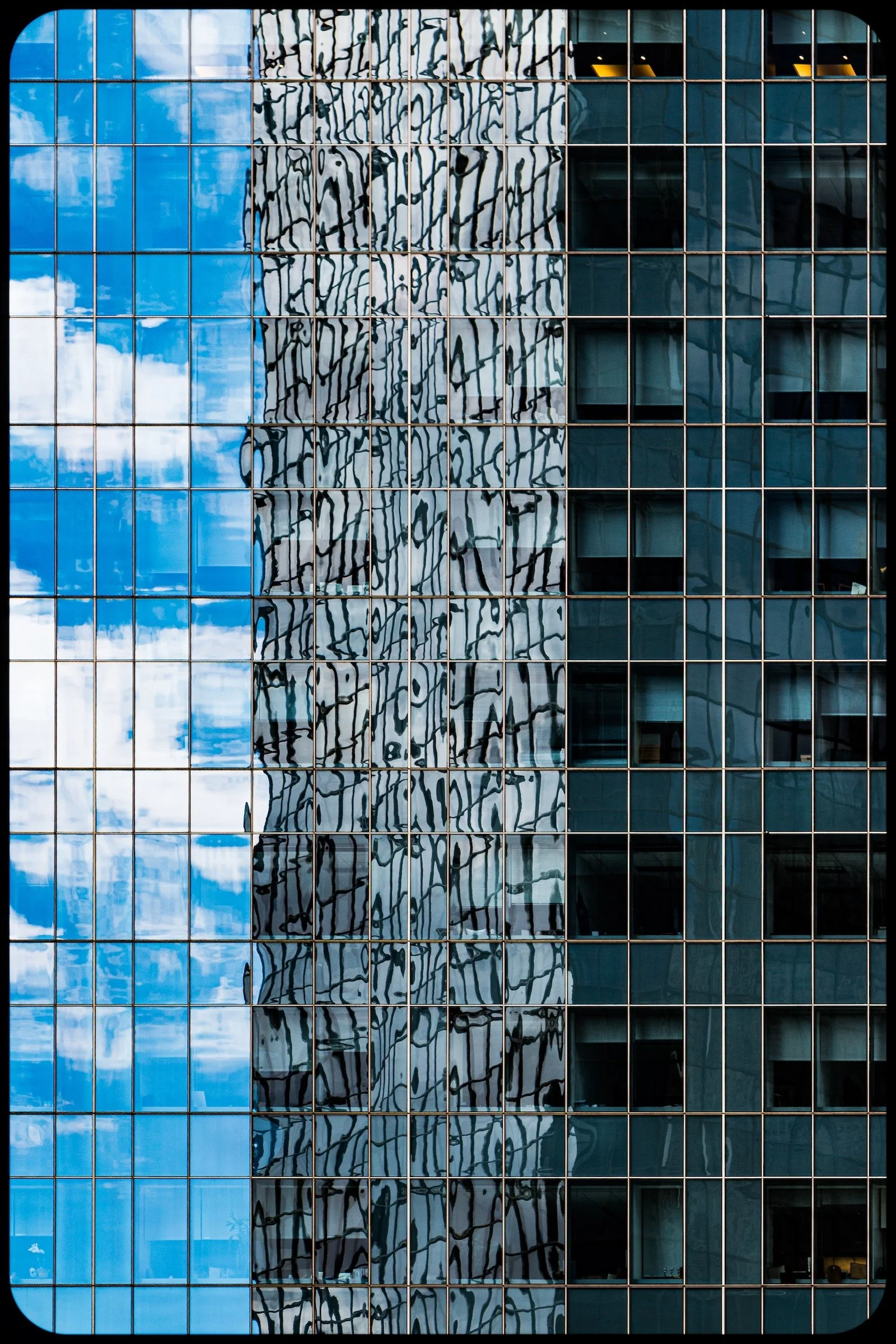
Hudson Square - Manhattan - 505 Greenwich - Reflected
A more contemporary, minimal take: less icon, more pattern and geometry. The reflection becomes a design element — calm, controlled, architectural.
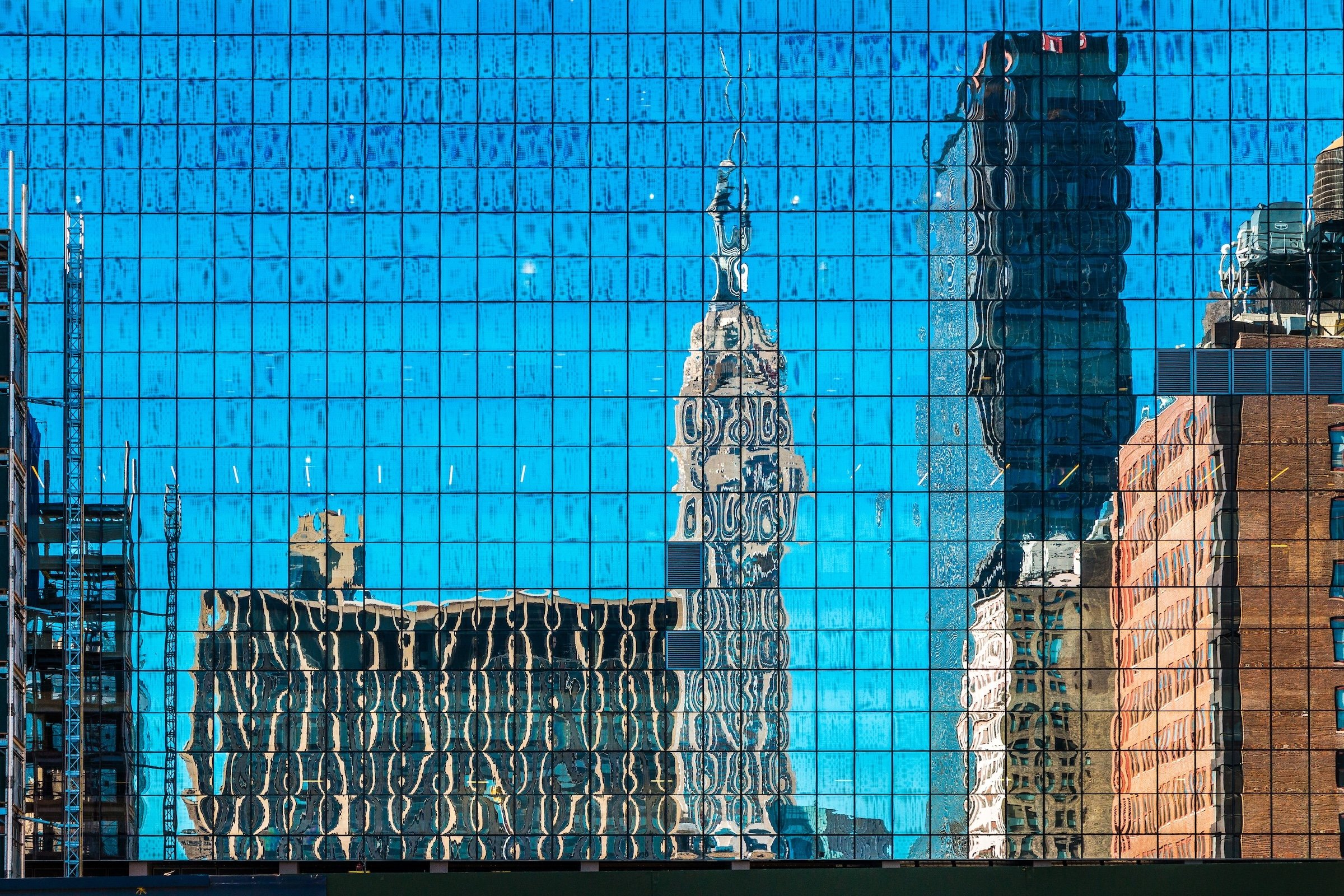
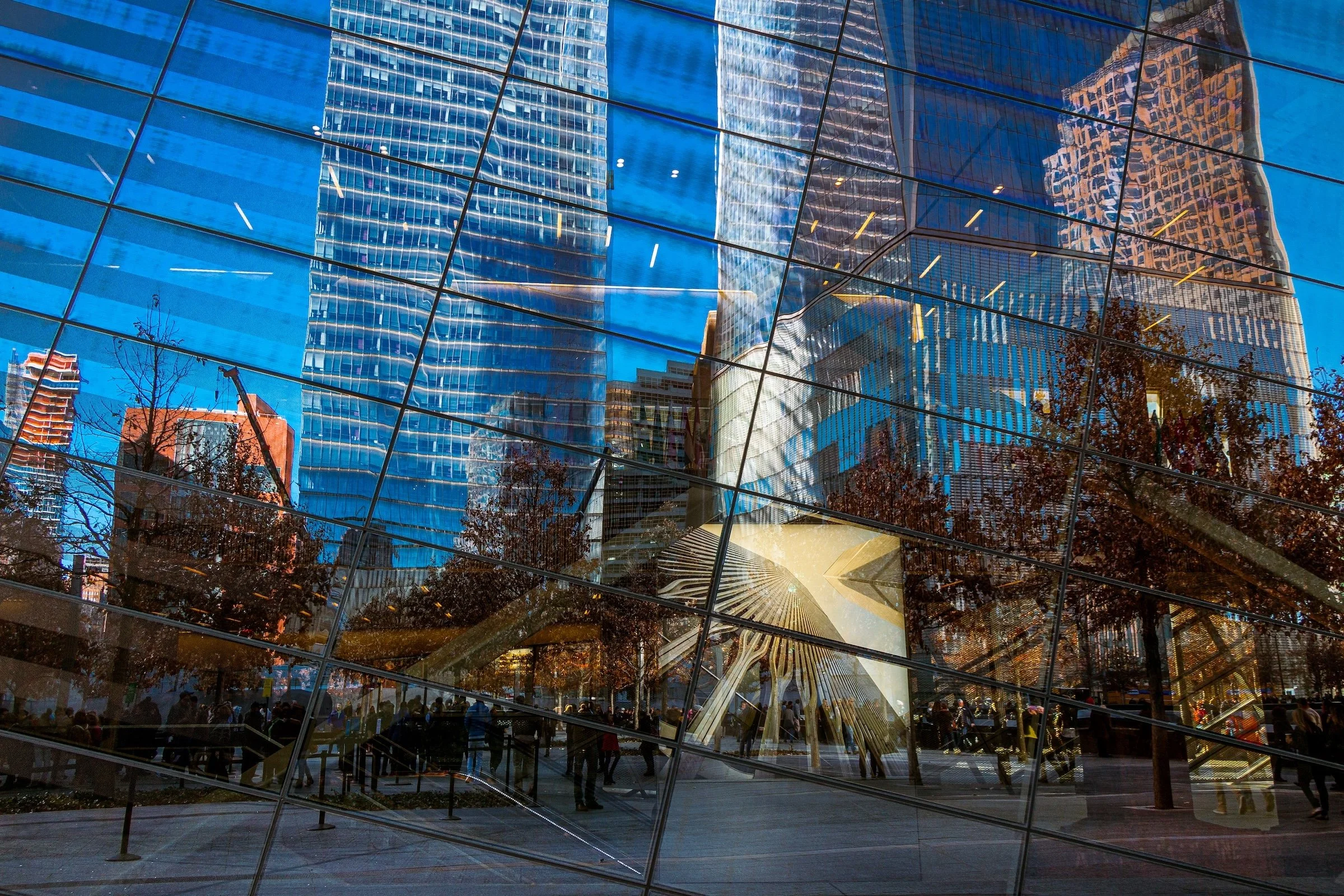
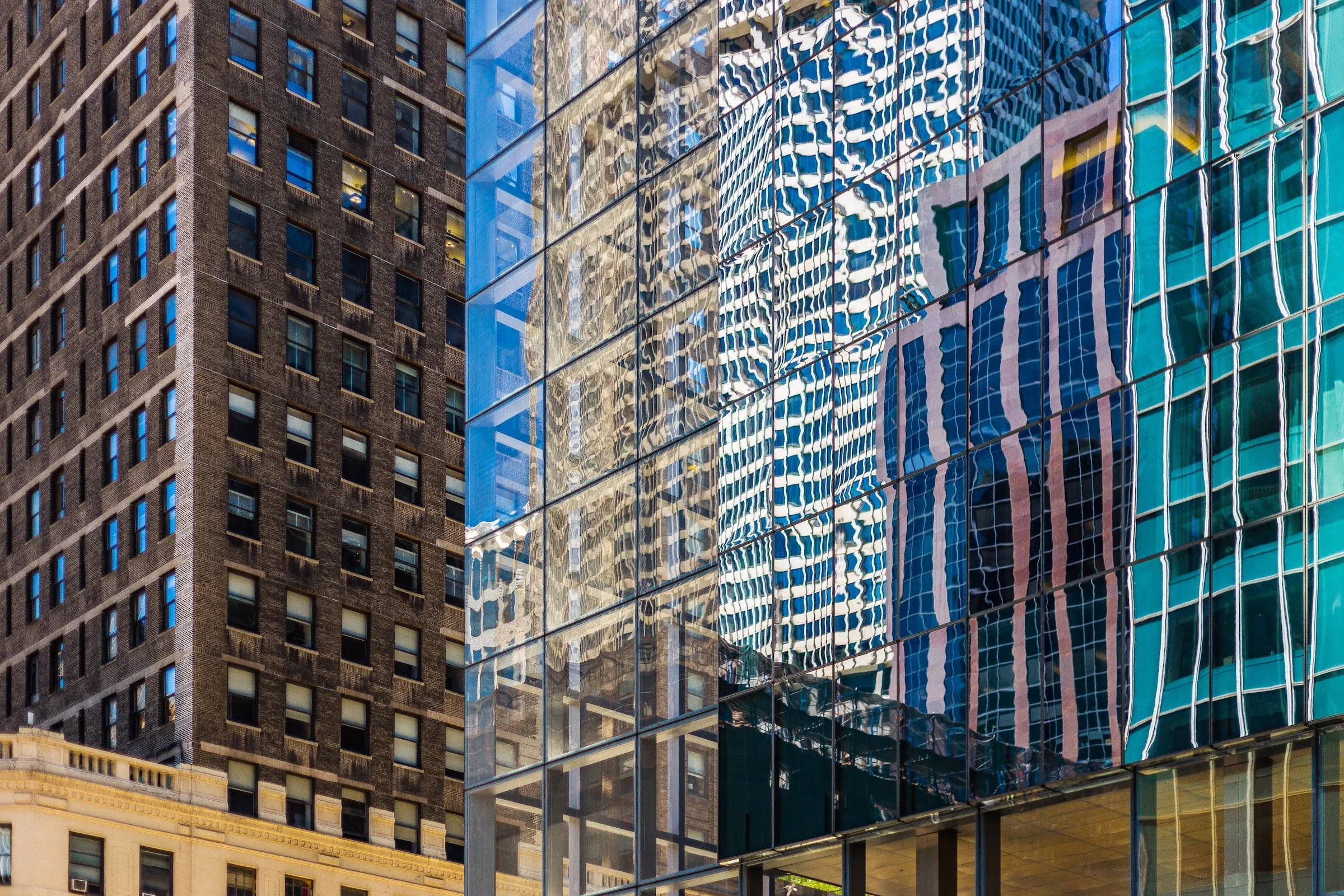
Hudson Yards - Manhattan - Manhattan West Reflections
Big modern surfaces that don’t just reflect — they remix. The warped grid and scale shifts turn the skyline into a living abstraction.
Night Mirrors
Reflections at night stop being “images of buildings” and start being “images of light systems.”
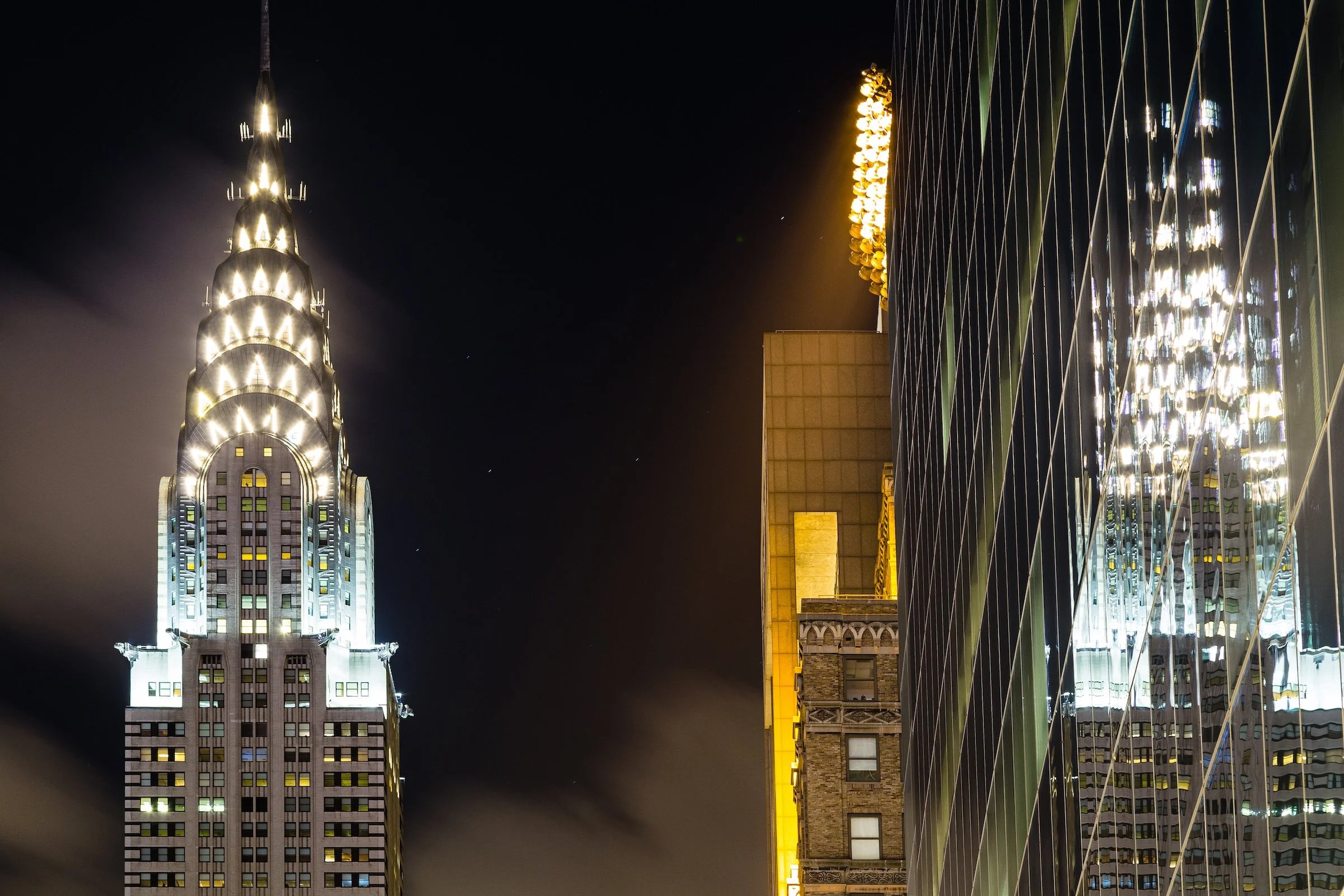
Midtown East - Manhattan - Chrysler Building At Night
The Chrysler glow + reflection reads like a doubled beacon. Night reflections simplify the city into bright hieroglyphs — more mood, less clutter.

Midtown East - Manhattan - Empire State Reflections
Similar category, but with a slightly different emotional register: Empire tends to feel steadier and more “signal tower.” Reflected, it becomes even more emblematic — almost like a stamp.
Water as Mirror
This one is its own flavor because water reflections feel geographic — they turn architecture into landscape.
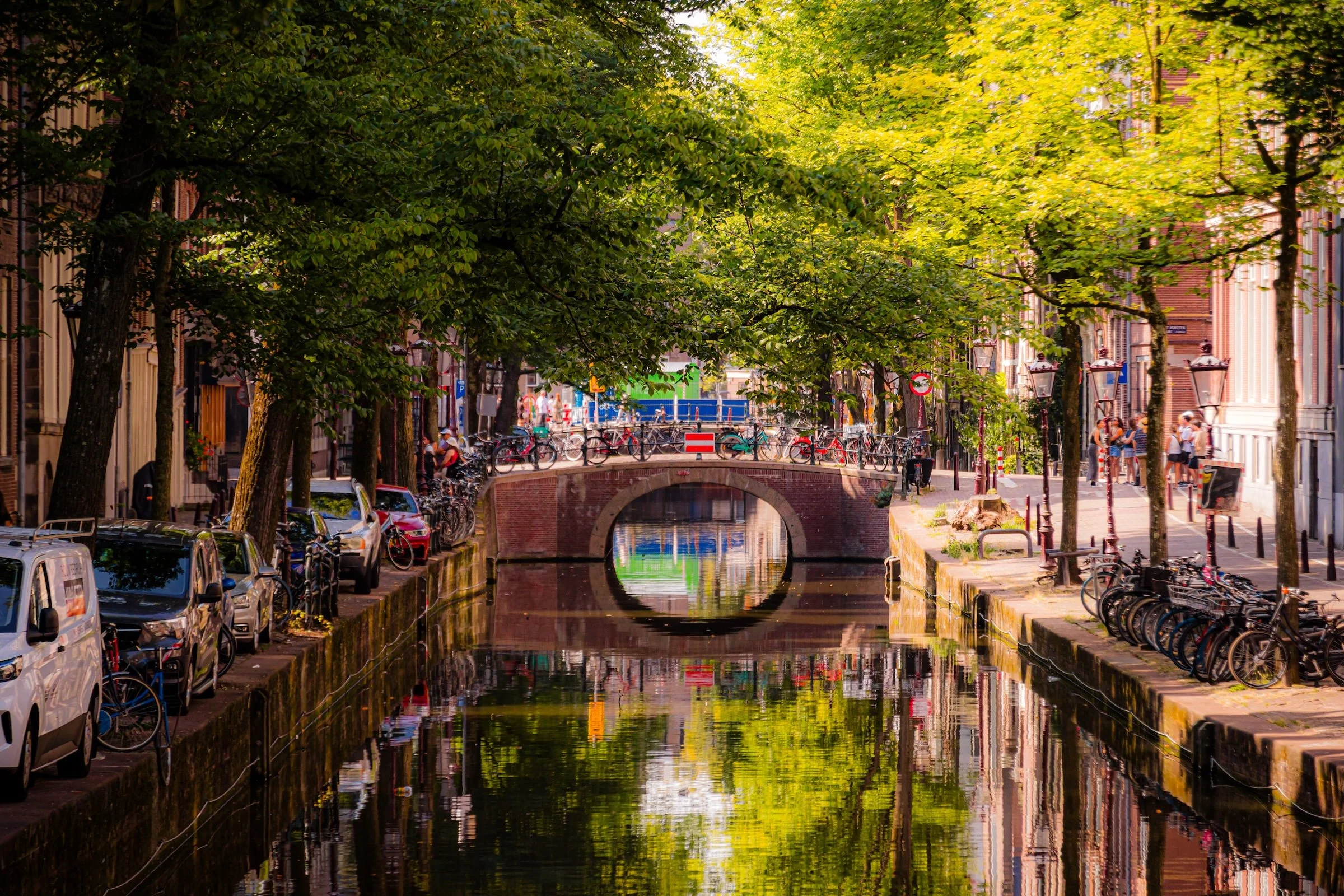
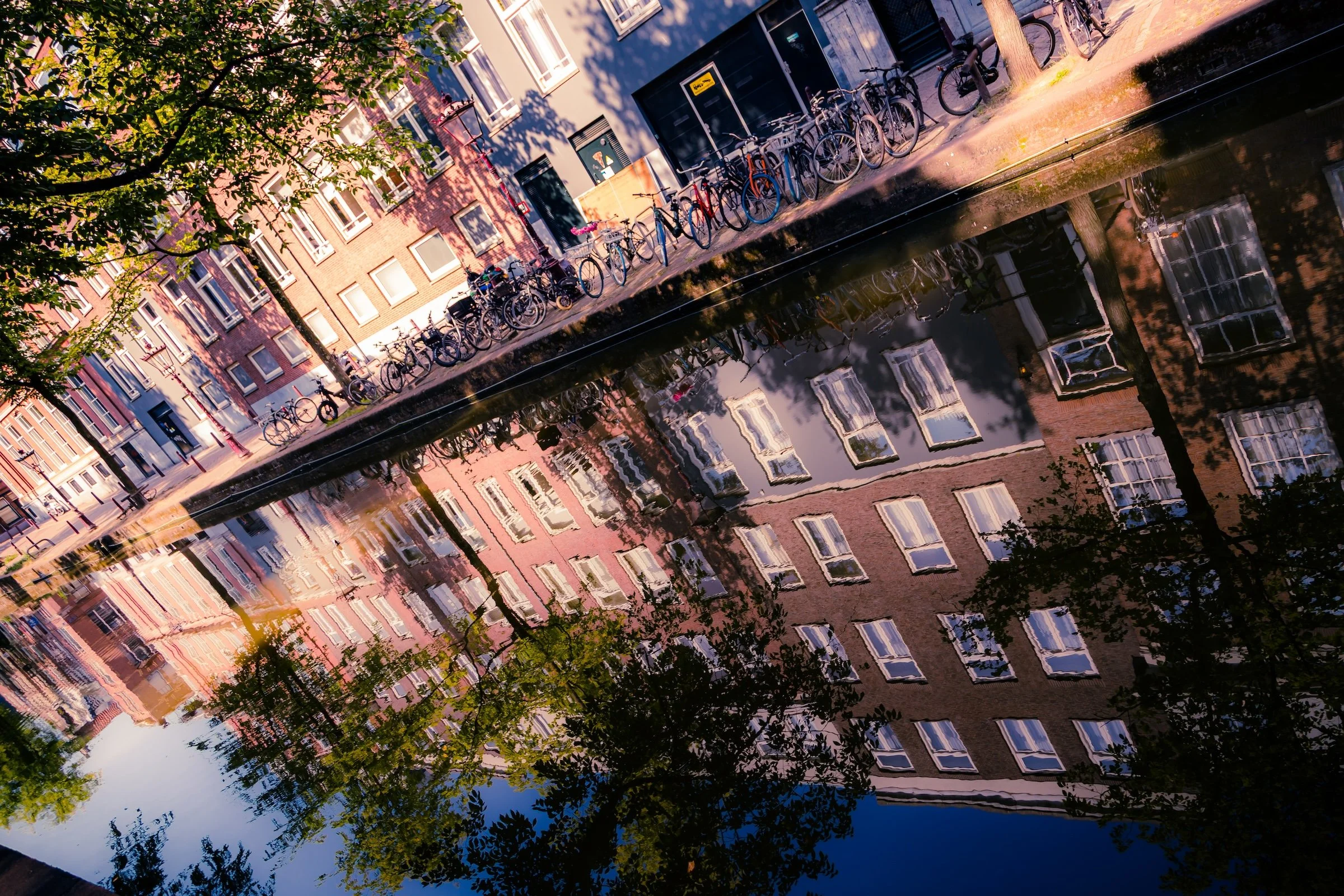
Red Light District - Amsterdam - Bridge and Tunnel
This is the “Reflected City” concept traveling well: the canal turns the frame into a hinge between worlds. The reflection isn’t just surface — it’s a second street, a second corridor, a second route through the scene.
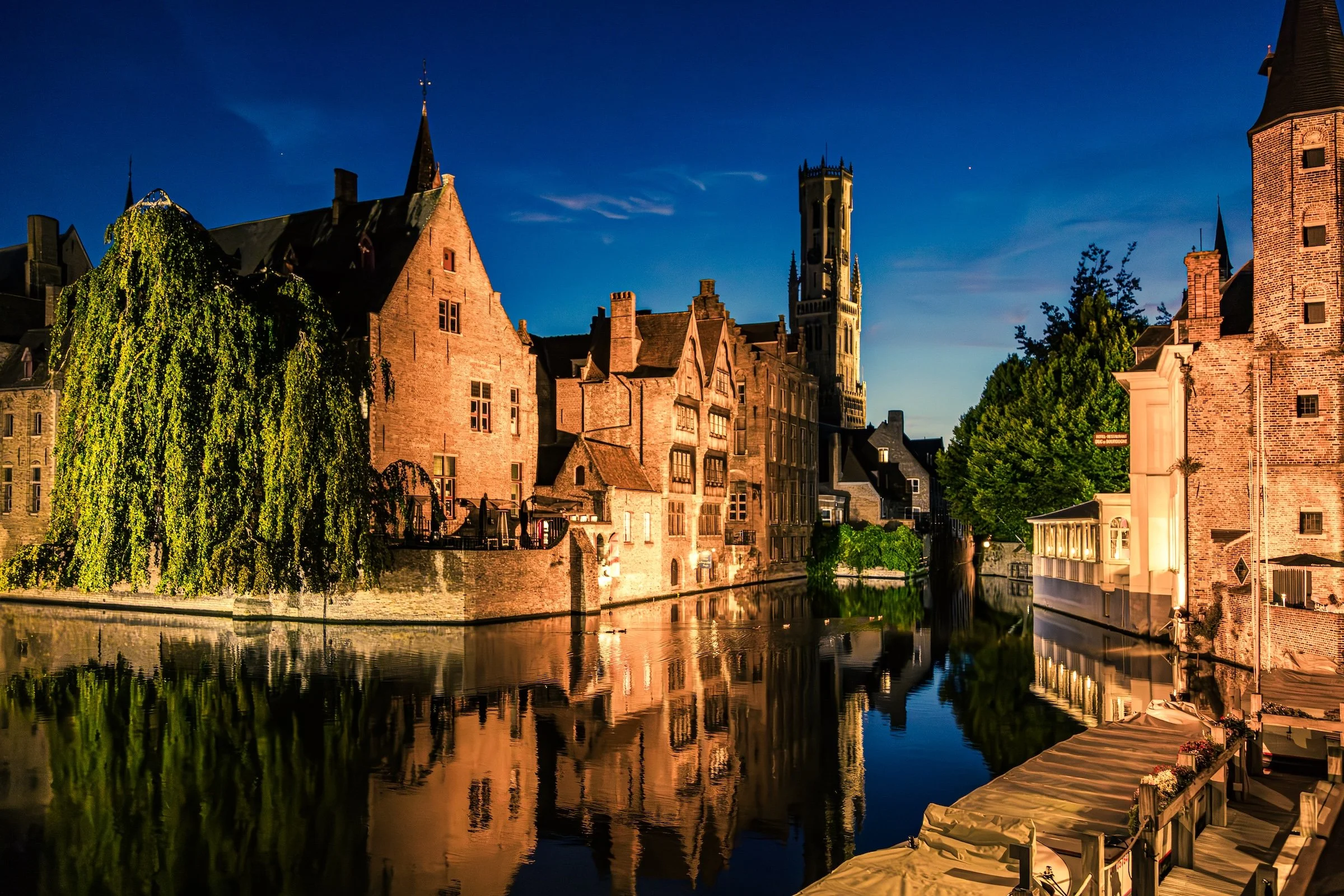
Magdalena Quarter - Brugge - Night Reflections
Here the surface isn’t just a vessel for the city’s reflections - it’s an element all its own. It is a character with as much import and immediacy as every other element in the frame.
Reflected City Gallery



Explore Further