
Horizon Harmonics
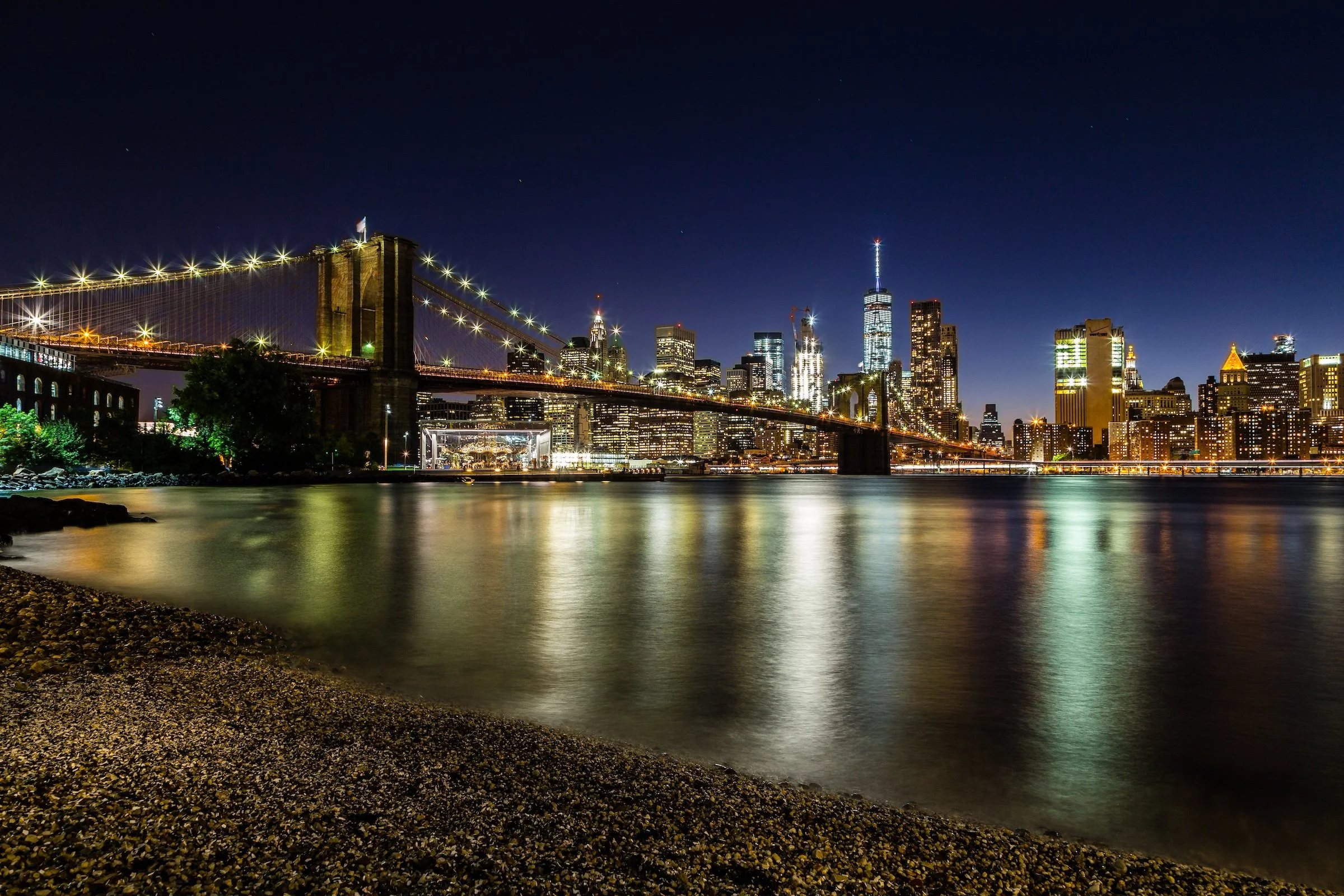
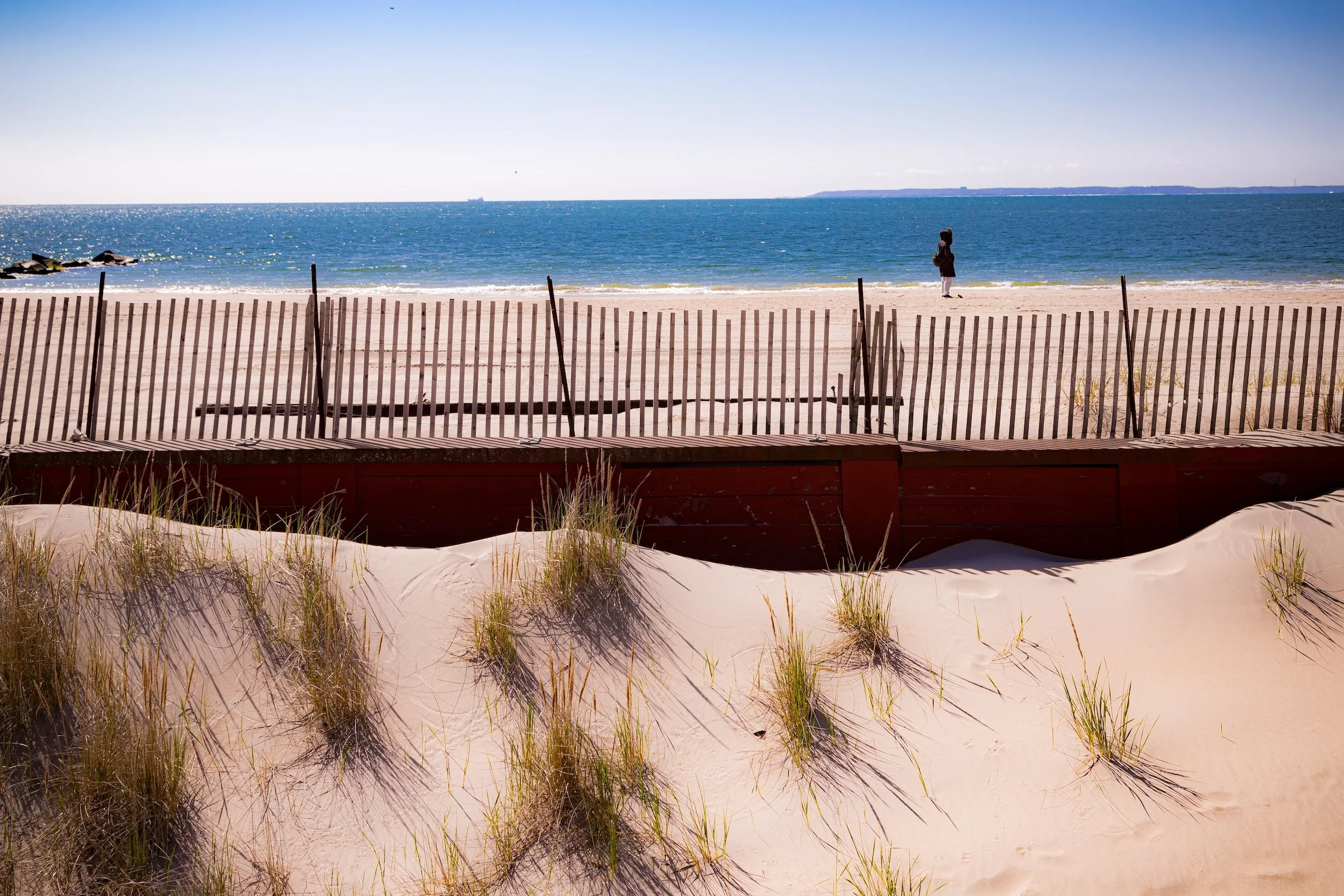
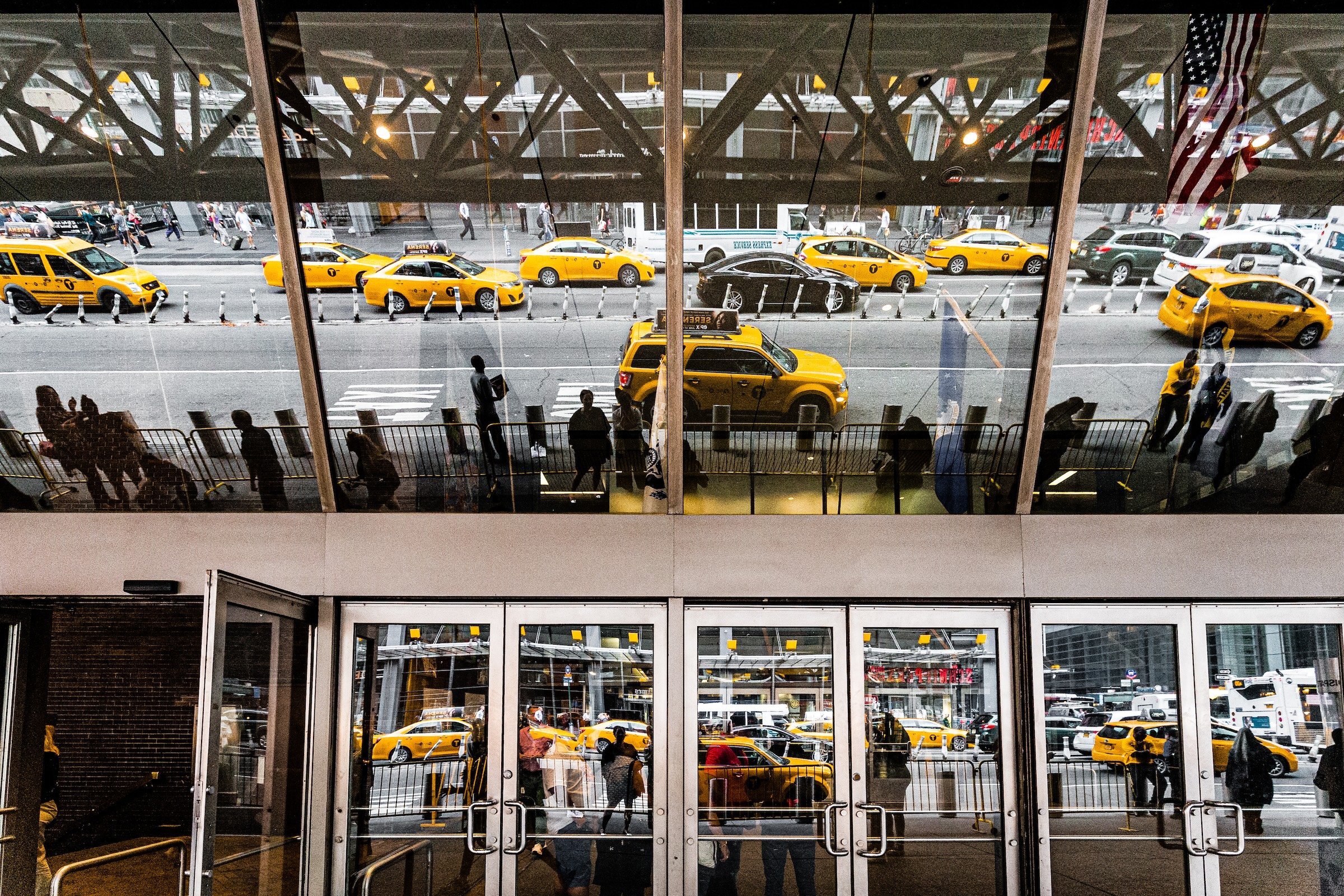
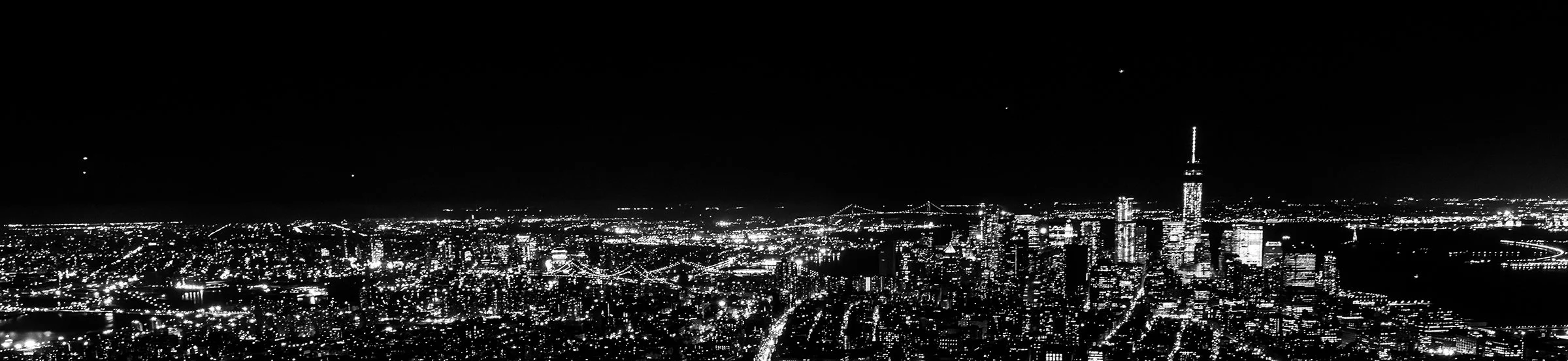
Coney Island - Brooklyn - Beach Waves
Definition:
A compositional approach built around layered horizons—shorelines, skylines, rooflines, bridge decks, cloud banks, and water bands—arranged so they feel like music: repeating lines, echoed edges, and visual rhythm across the frame.
Usage:
Use Horizon Harmonics to make wide scenes feel structured and intentional. It’s especially powerful in coastal NYC, bays, rivers, canals, and rooftop vantage points—anywhere the world naturally stacks into horizontal strata.
In Depth:
A “horizon” doesn’t have to be the ocean. In cities, horizons multiply: parapets, elevated tracks, distant building lines, parks, fences, even the edge where shadow meets sun.
Horizon Harmonics is about finding two or more horizontal layers and composing them so they:
Echo (parallel lines that feel related),
Counterpoint (one calm band against a jagged skyline),
Resolve (a final layer that quiets the frame).
Field habits that help:
Keep your frame level unless you’re intentionally using tilt as tension.
Let one horizon be the “melody” (dominant line) and others be accompaniment.
Watch for “band clarity”: separate layers with tone, color, or texture so they don’t mush together.
Use small scale anchors (a bird, person, buoy, boat) sparingly—like a single note in a sustained chord.
Below are ten examples showing horizons as bridges, bays, canals, and architectural layers—compositions that feel like they’re humming.
Waterline Rhythms:
Where water becomes the metronome and everything else arranges itself into bands.
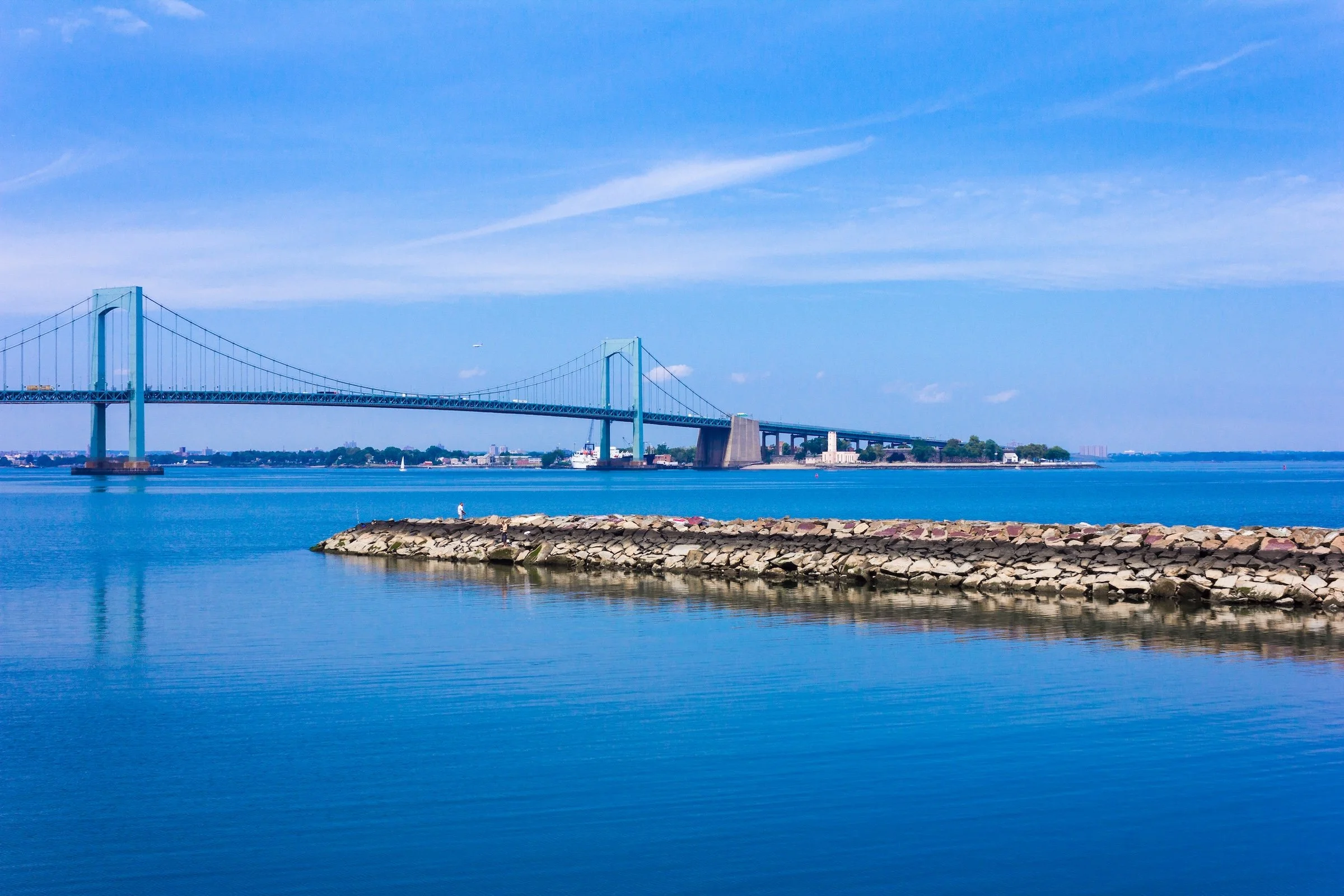
Bay Terrace - Queens - Throgs Neck Bridge
The bridge deck acts as the dominant horizon, while the waterline and distant land create supporting layers. The calmness comes from clean separation: sky / bridge / water—three clear tones.
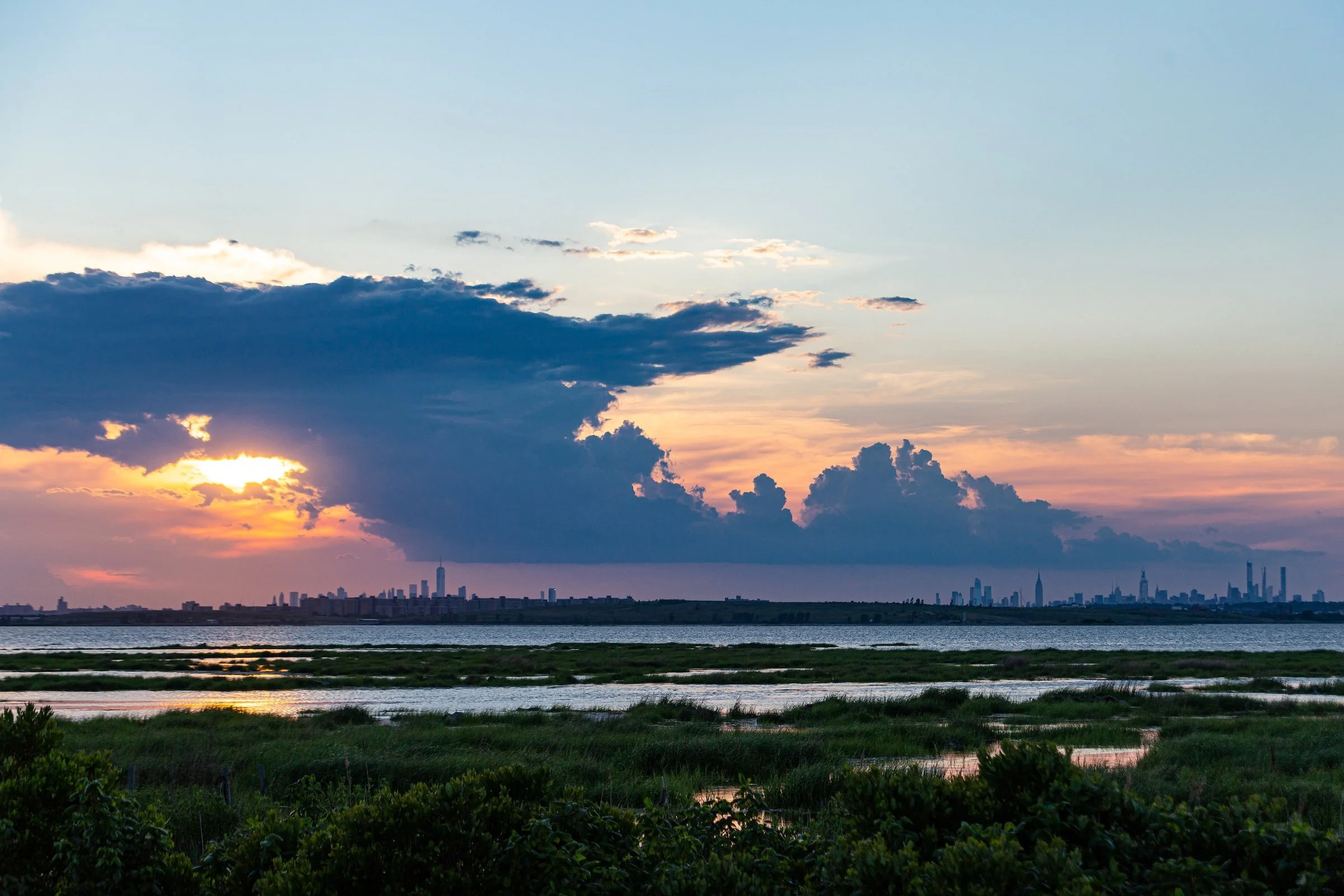
Broad Channel - Queens - Across Jamaica Bay.jpg
Whatever it is, the way you tell your story online can make all the difference.
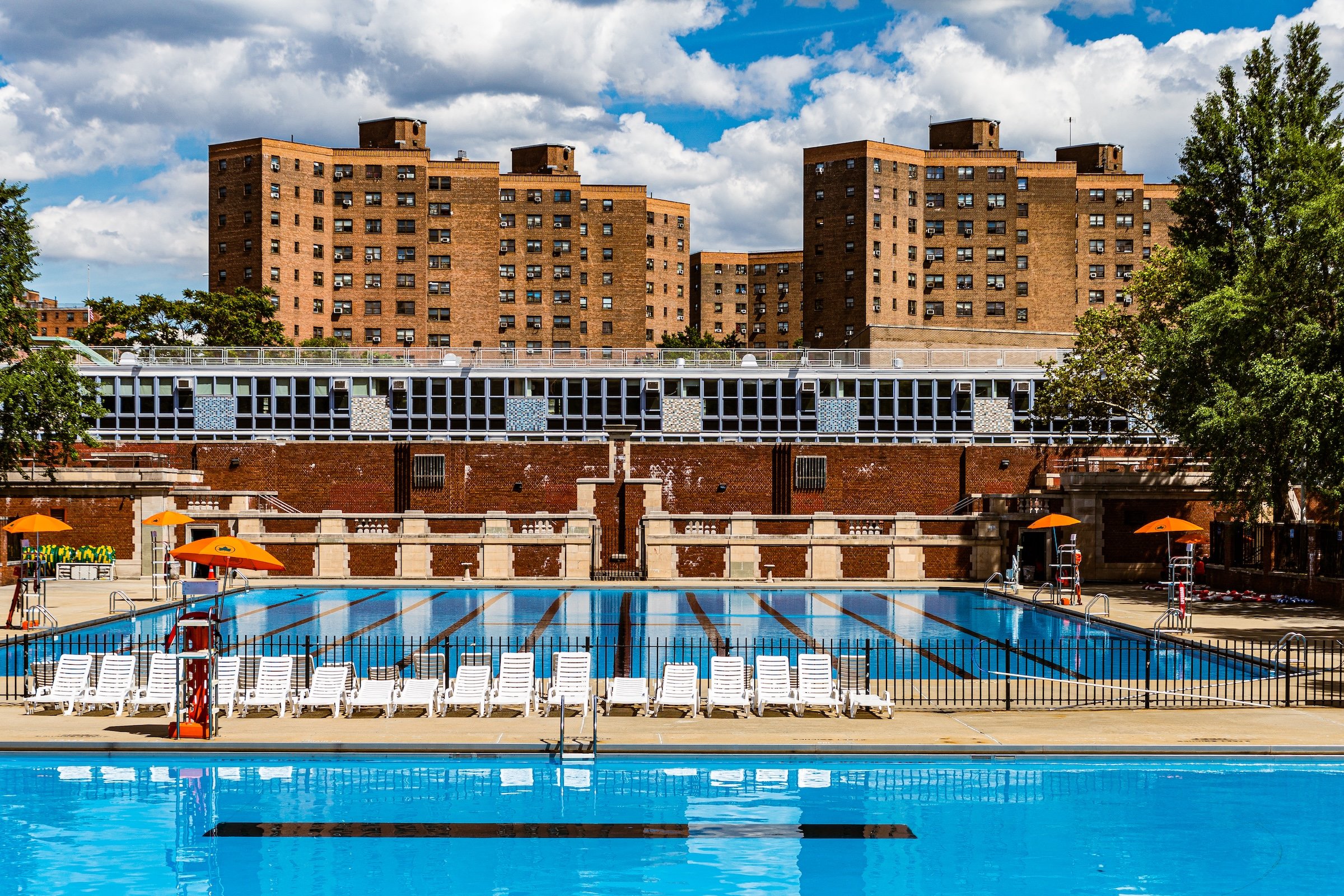
Lower East Side - Manhattan - Hamilton Fish Pool
A pool horizon is smaller but behaves the same: shoreline + reflected edge + distant trees/structures. When the water is calm, reflections become a second, inverted horizon—instant harmony.
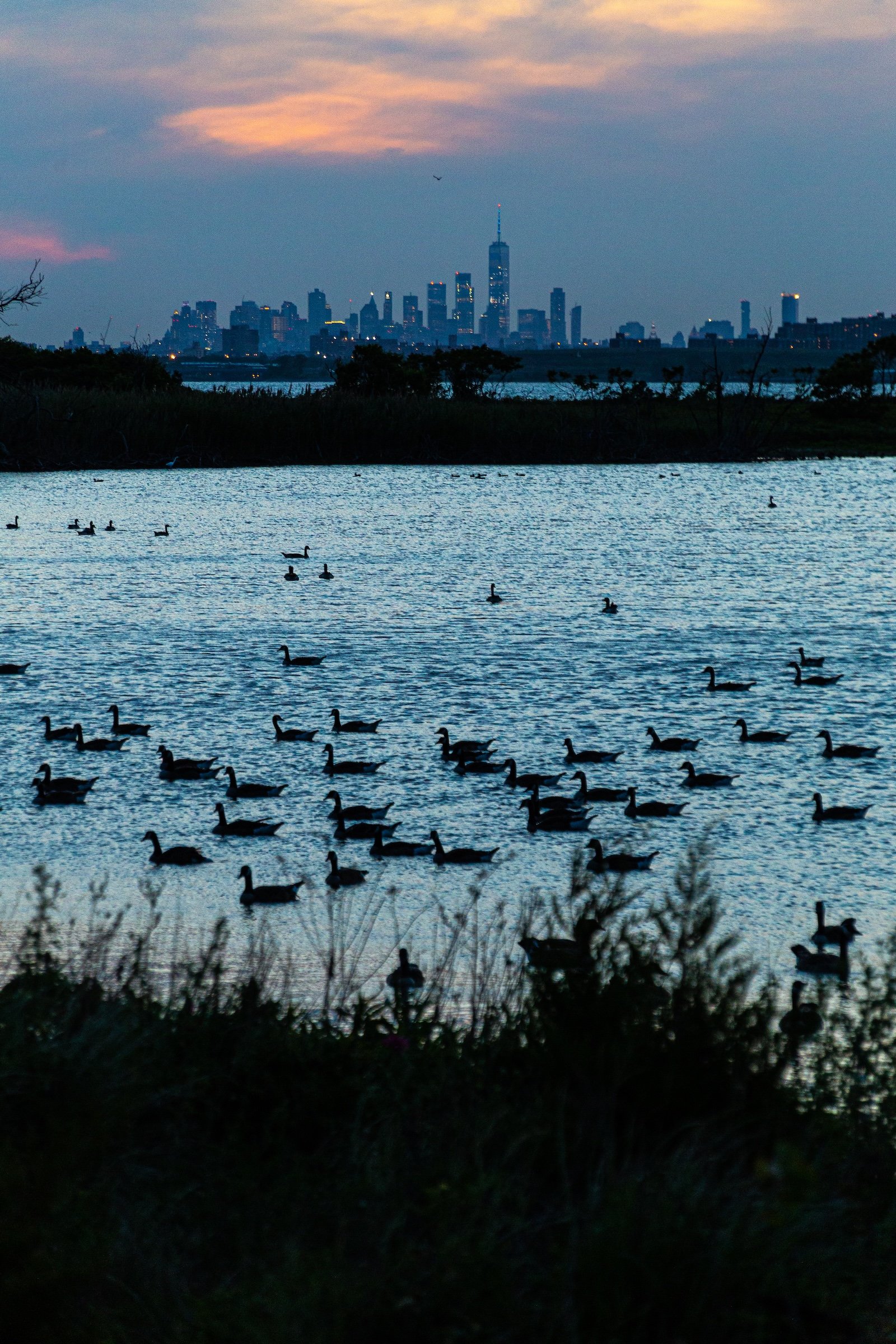
Broad Channel - Queens - Contrasts
This is Horizon Harmonics with drama: weather and light create multiple horizons inside the sky itself—cloud banks functioning like extra layers above the city line.
Skyline as Chorus:
Horizon lines made from buildings—jagged, rhythmic, and full of repeating vertical accents.
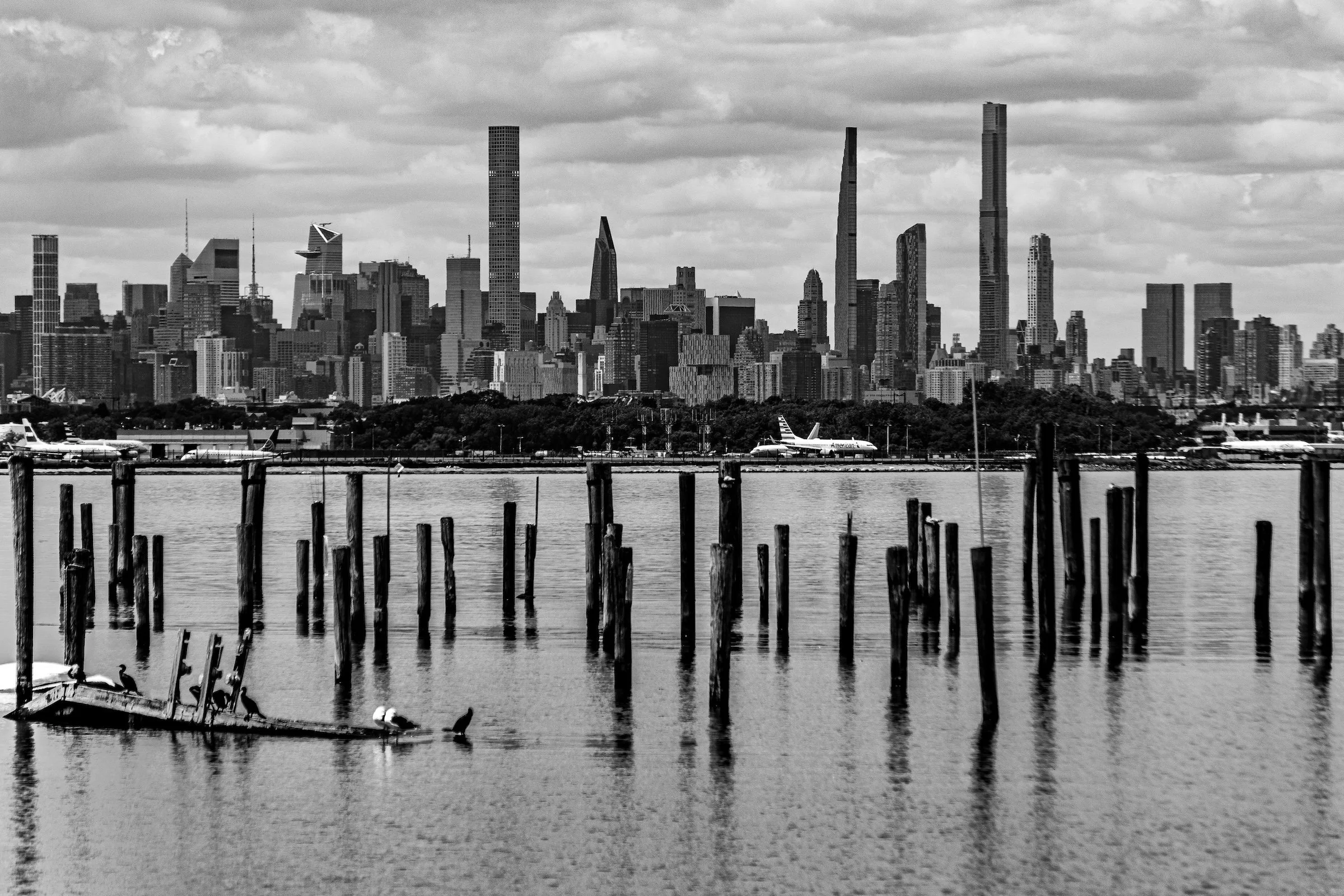
College Point - Queens - NYC Towers
The skyline is distant, but the mid-ground marsh/bay layers keep the frame from becoming “just a skyline photo.” The harmony comes from the soft, horizontal wetlands stabilizing the vertical city.
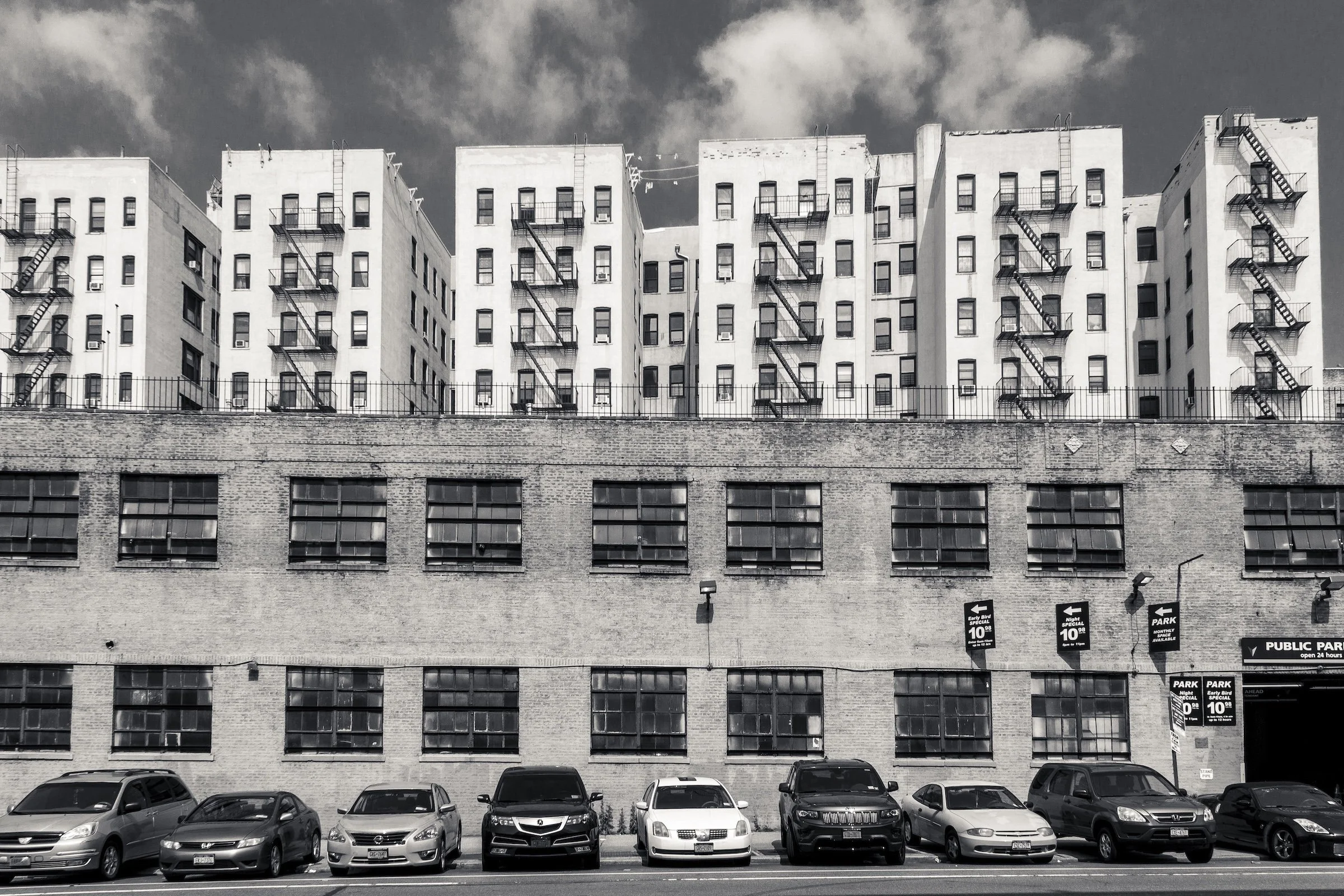
Hamilton Heights - Manhattan - Layers
This is a city version of stacked horizons: architectural bands, setbacks, and repeating ledges turning buildings into terraces of rhythm rather than a single mass.
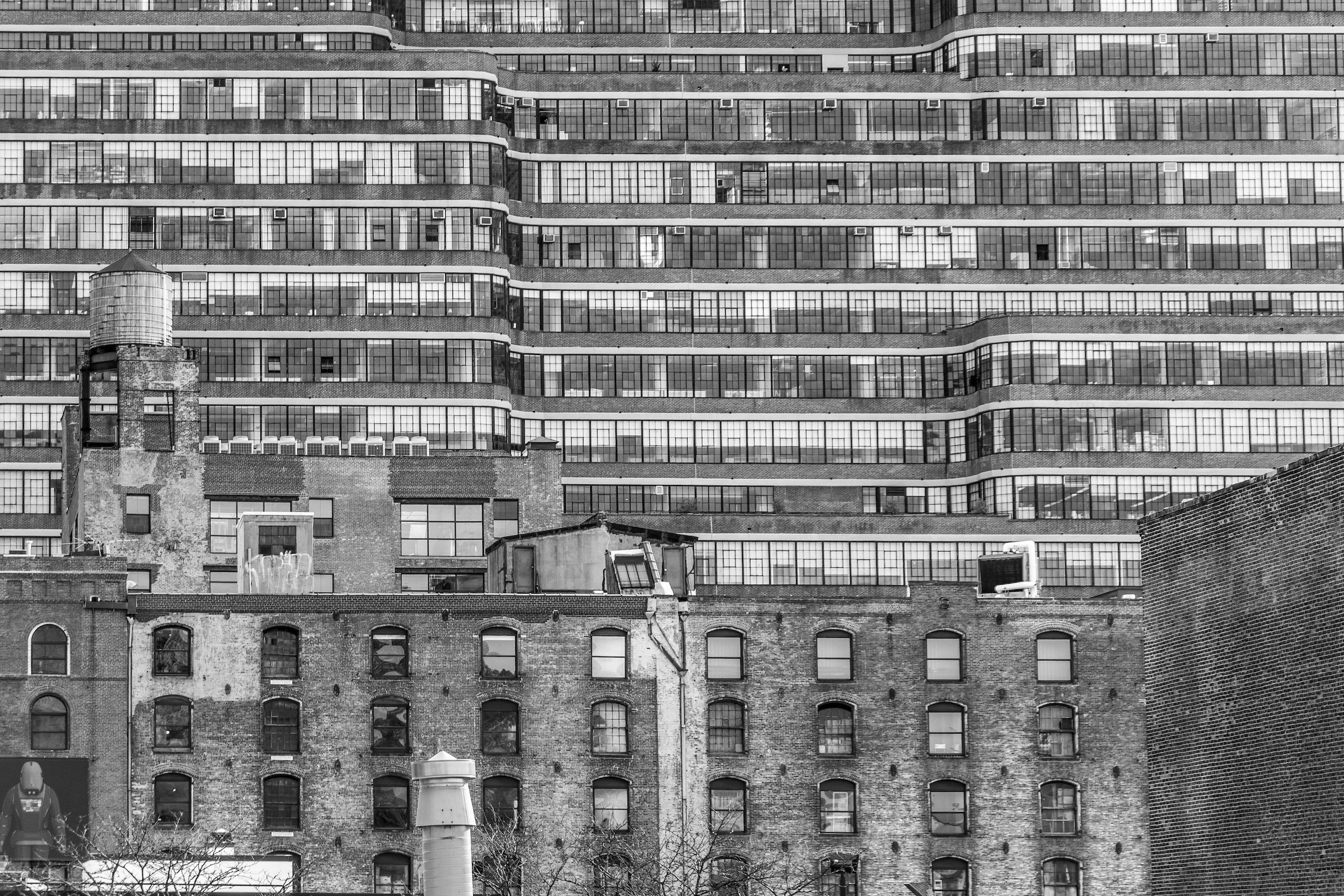
Hudson Yards - Manhattan - The Starret-Lehigh Building
Here, the “horizon” becomes industrial architecture—long horizontal runs and window bands. Horizon Harmonics doesn’t require nature; it requires repeated lateral structure.
Harmony In Layers:
Where human-made edges (canals, promenades, bulkheads) create crisp harmonic lines.
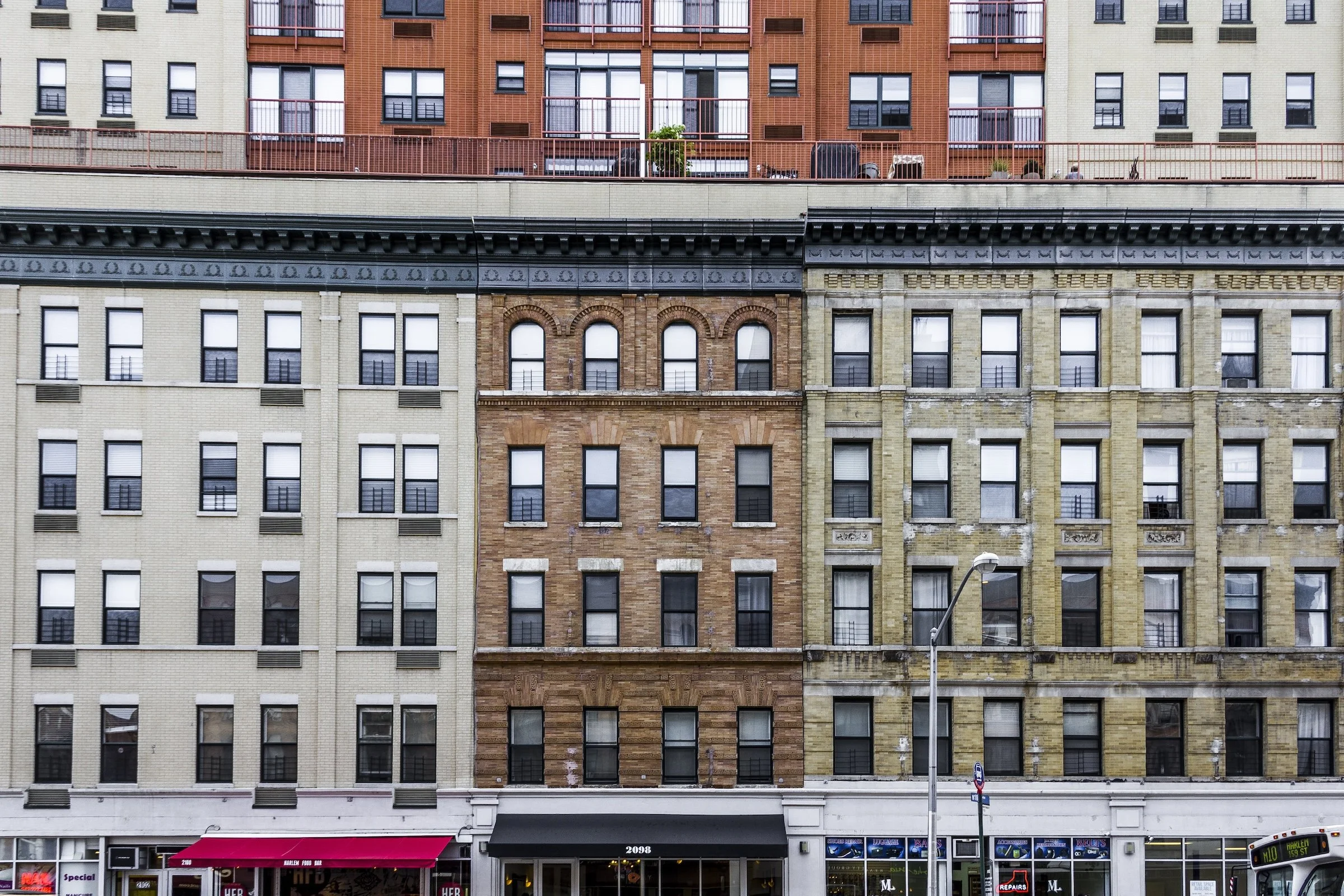
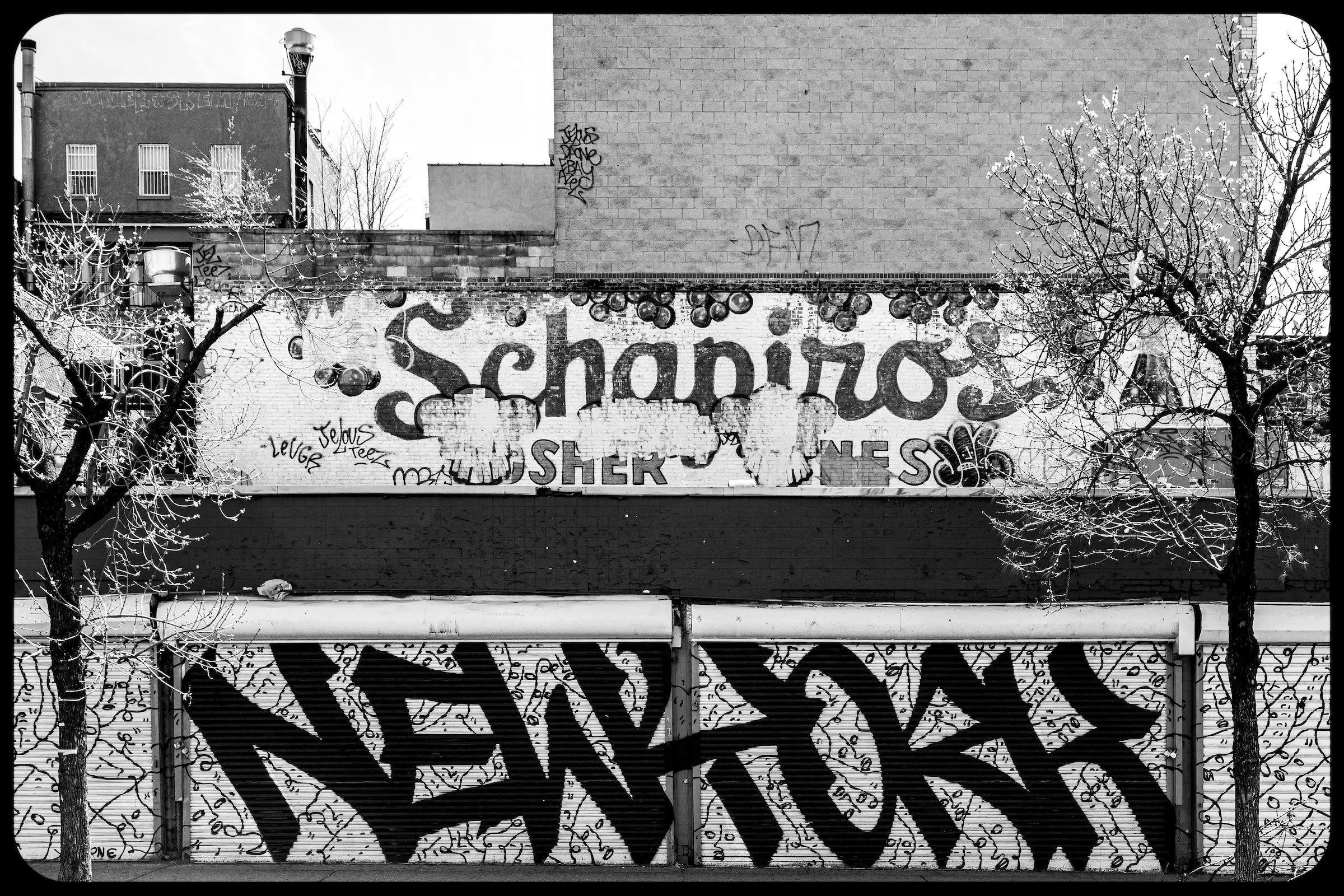
Lower East Side - Manhattan - Schapiro's
Urban signage and building edges become the “music staff.” The frame reads as layered stripes—storefront line, window line, roofline—each reinforcing the next.
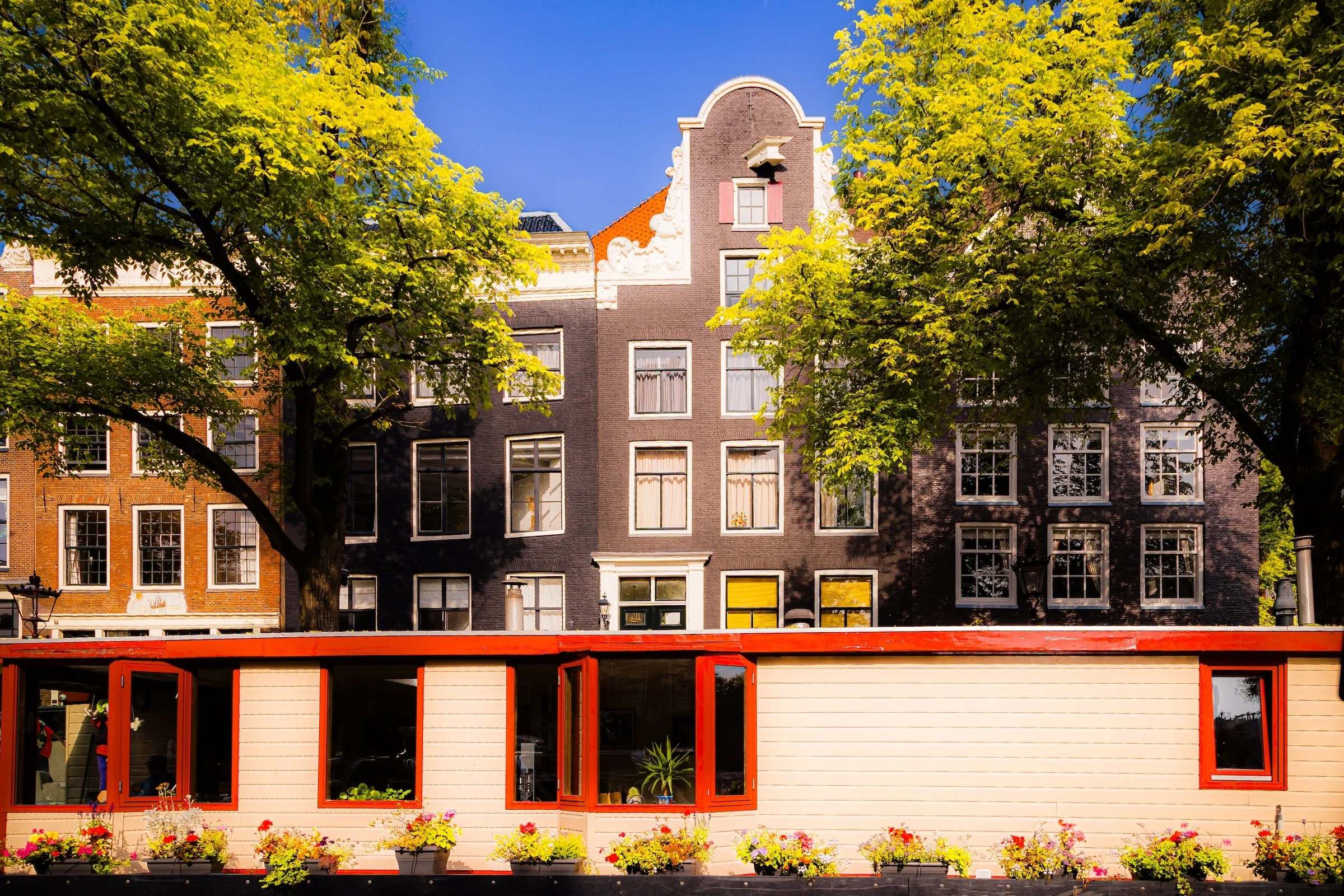
Canal District - Amsterdam - Planters in Bloom
A canal scene can be all rhythm: boat line, waterline, building base, rooftop line. The flowers add a gentle “high note” without breaking the layered calm.
Explore Further