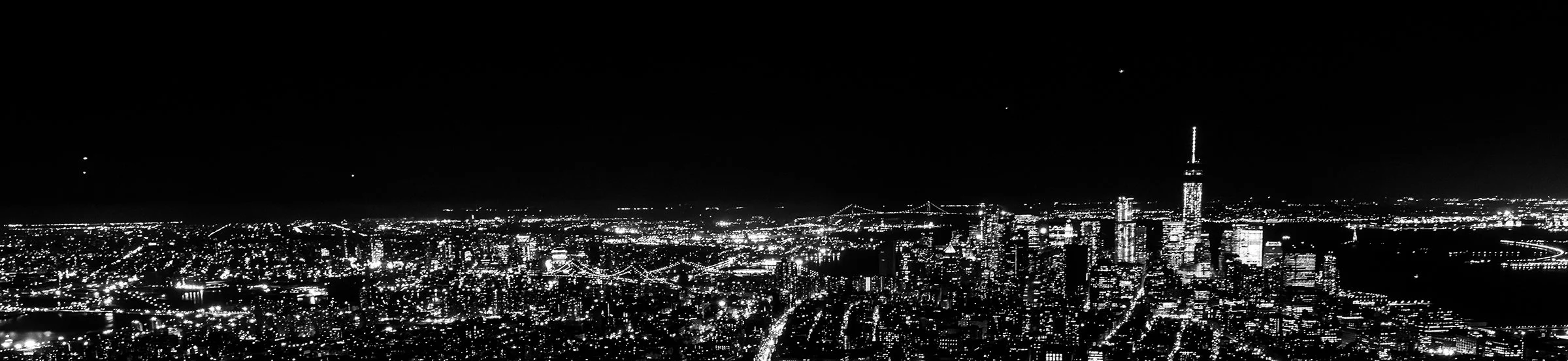

Altered Perspectives
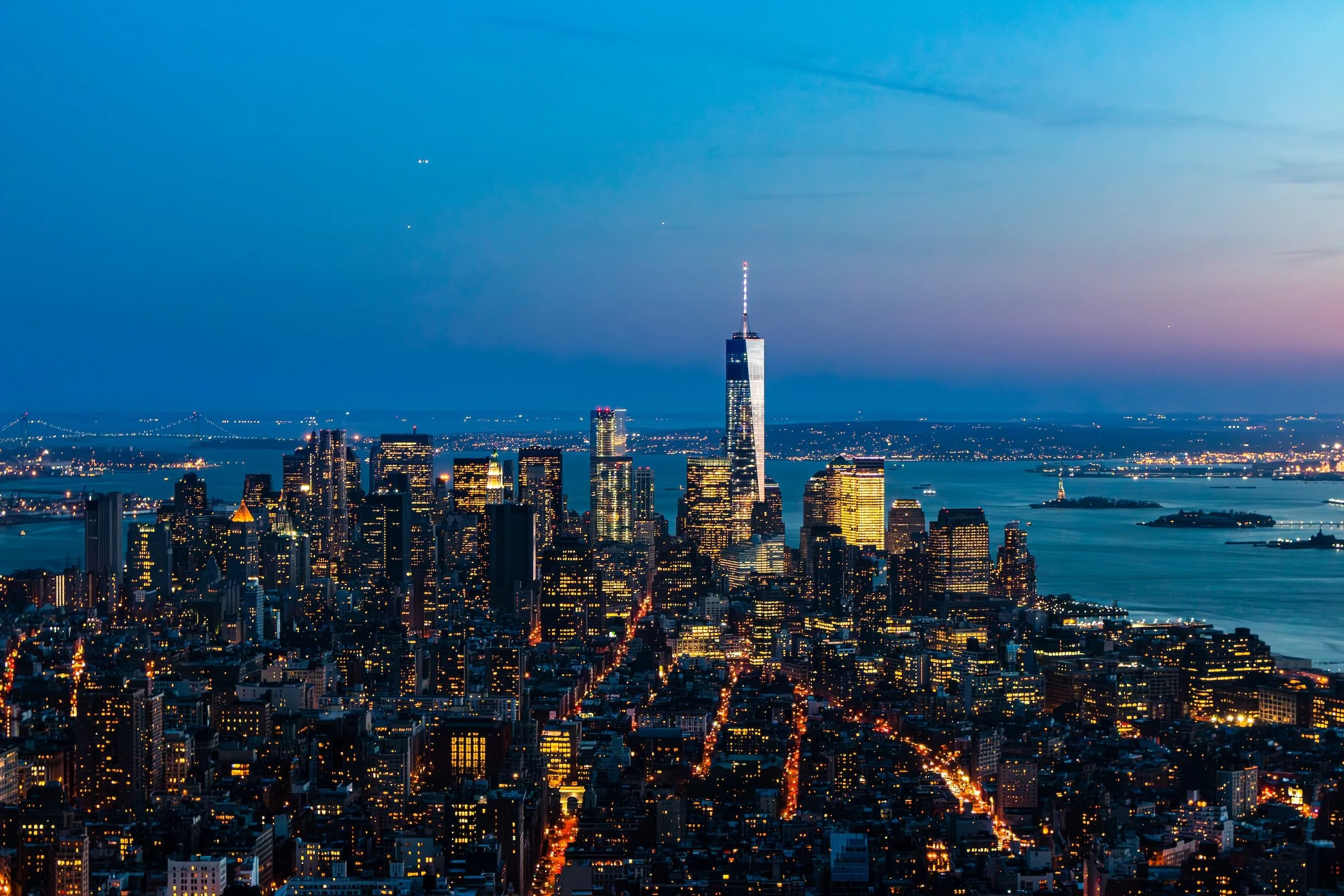
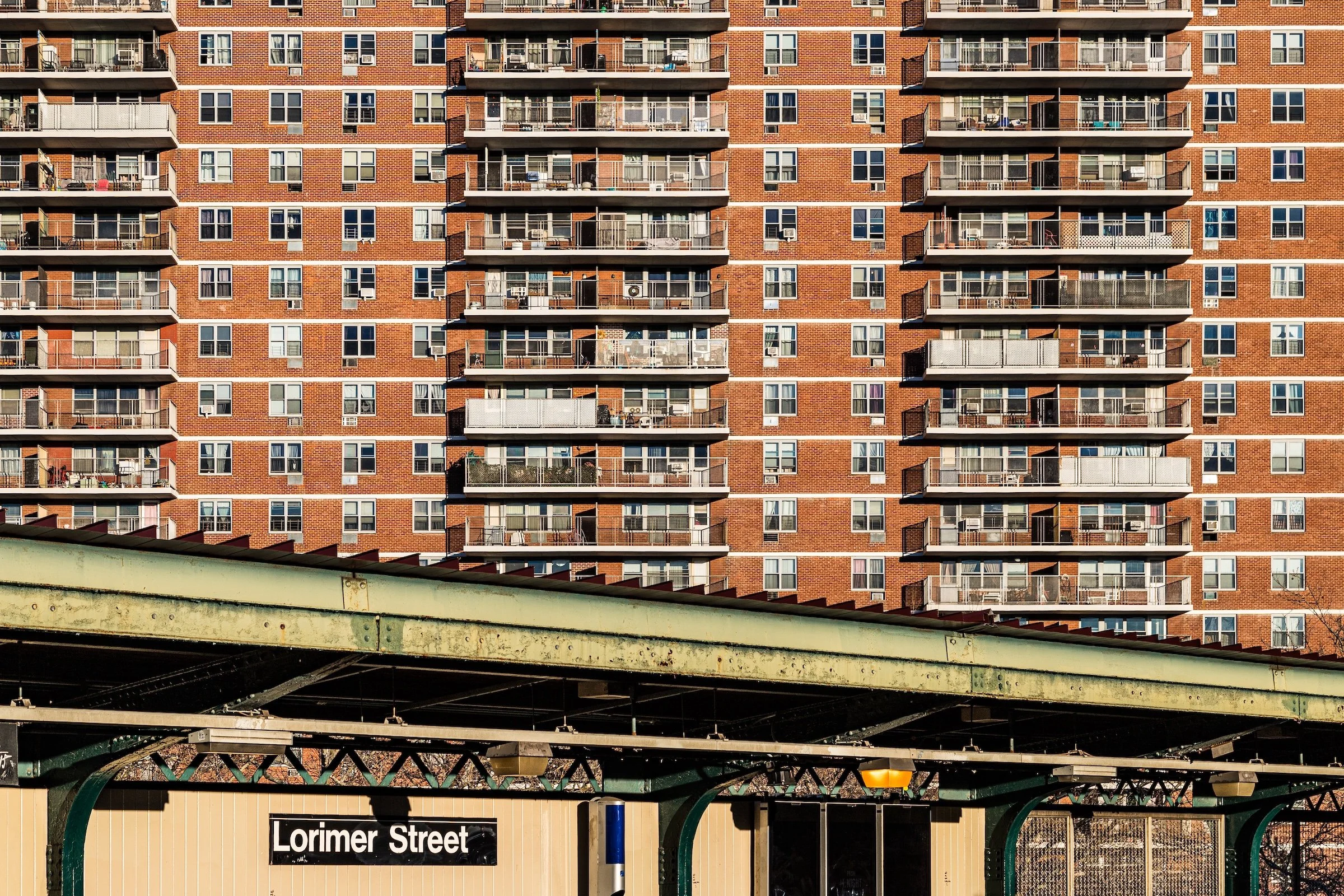
Empire District (Tenderloin) - Manhattan - Lower Manhattan Twilight
Definition:
A deliberate shift in vantage—low, high, tilted, compressed, or wide—that changes how the city “behaves” inside the frame. Altered Perspectives isn’t about the subject (a tower, a street, a skyline) so much as the position you choose to describe it: street-level immersion, upward vertigo, balcony-scale overview, or foreground-anchored compression.
Usage:
Use Altered Perspectives to rewire familiarity. A block you’ve walked a hundred times becomes new when photographed from the curb with a foreground anchor, from a bridge with the street laid flat, or from the base of a tower where the sky becomes negative space. It’s a compositional strategy for turning “I’ve seen this” into “Wait… what am I looking at?”
Altered Perspectives is one of the most reliable ways to break your own visual autopilot. Cities train us into a default view—eye level, normal lens, straight-on. The lexicon version of this idea is simple: change your relationship to the subject (height, distance, angle), and you change the story the photograph tells.
The effect can be subtle (a street-level frame that uses shallow depth to isolate one object) or dramatic (a tower shot from the base where geometry collapses into abstraction). Either way, the core move is the same: you’re not just recording the city—you’re repositioning it.
In Depth:
I’m using Altered Perspectives as an umbrella term for a cluster of repeatable choices that radically alter the viewer’s sense of scale, direction, and spatial truth.
This isn’t a “special effects” category. It’s a way of seeing that’s available anywhere: one step closer, one step lower, one flight higher, one lens choice longer, one angle more extreme. The city is the same; the experience of it is not.
A few quick ways to find Altered Perspectives in the field:
Change height before you change location. Curb, steps, subway entrance, pedestrian bridges, parking garages, observation decks.
Switch the relationship between foreground and background. Put something close and dominant in the frame and let the city become context.
Look for lines that only work from one position. Medians, lane lines, facades, bridges, corridors of light.
Let the sky become negative space. Especially in low-angle tower shots—treat the sky like a clean studio backdrop.
Use “tilt” intentionally. Not sloppy dutch angles—purposeful diagonals that reinforce motion, height, or compression.
Below are ten launch examples that show Altered Perspectives in different forms: elevated views that flatten the city into a map, street-level frames that compress distance, and low-angle towers that turn architecture into geometry. Each image includes a brief note on what the perspective shift is doing—and why it belongs in this category.
Elevated Overviews:
These frames change the city into a legible surface—streets become diagram, blocks become pattern, and movement becomes map-like.

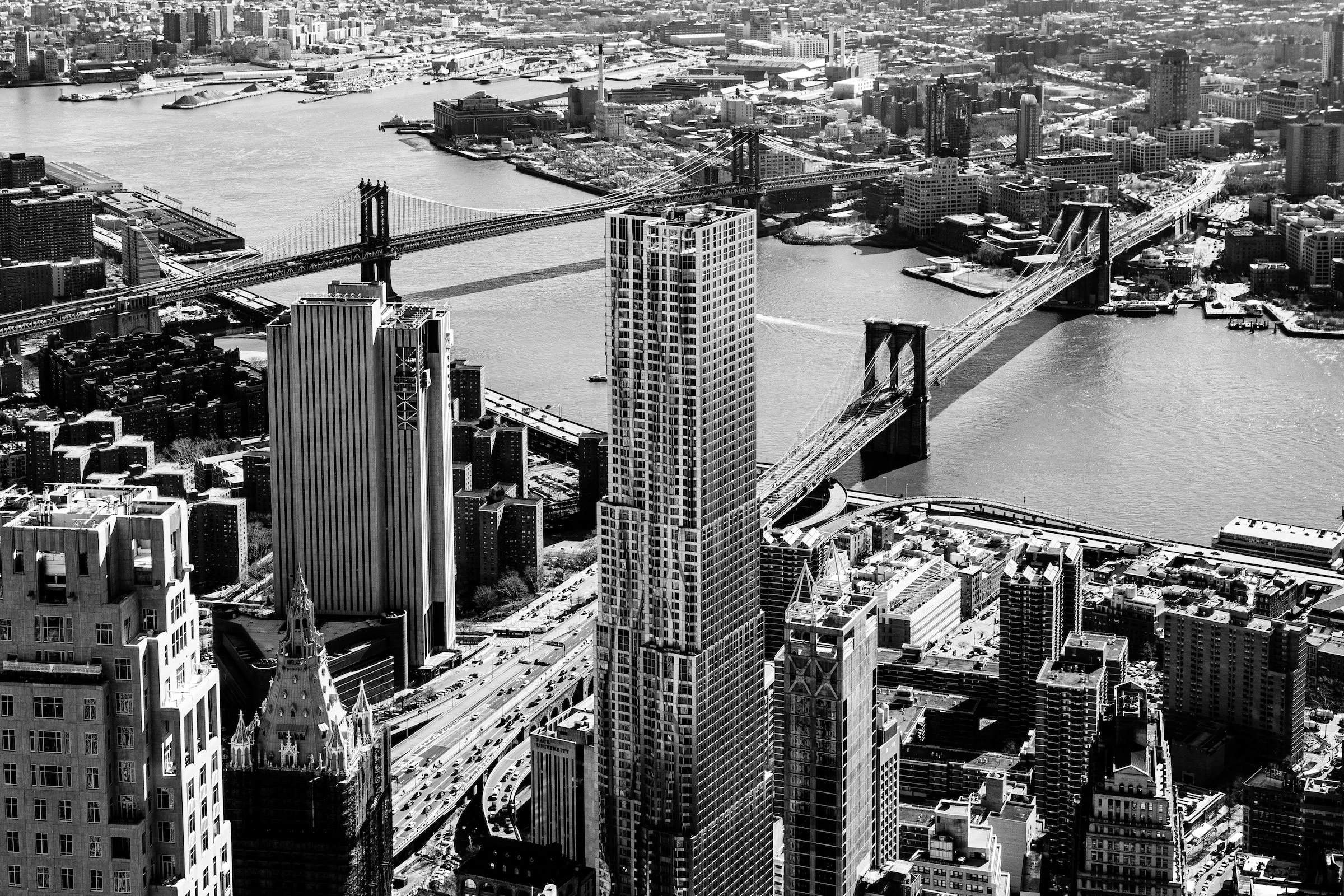
World Trade Center - Manhattan - The Two Bridges
The lifted viewpoint turns infrastructure into choreography—bridges as sweeping gestures, water as negative space, and the city as a layered grid. The perspective shift isn’t just “higher”—it’s a change in logic: the city reads like design.
Upward Vertigo:
These images are about mass, height, and the psychological “pull” of looking up—where the sky turns into a stage for architecture.
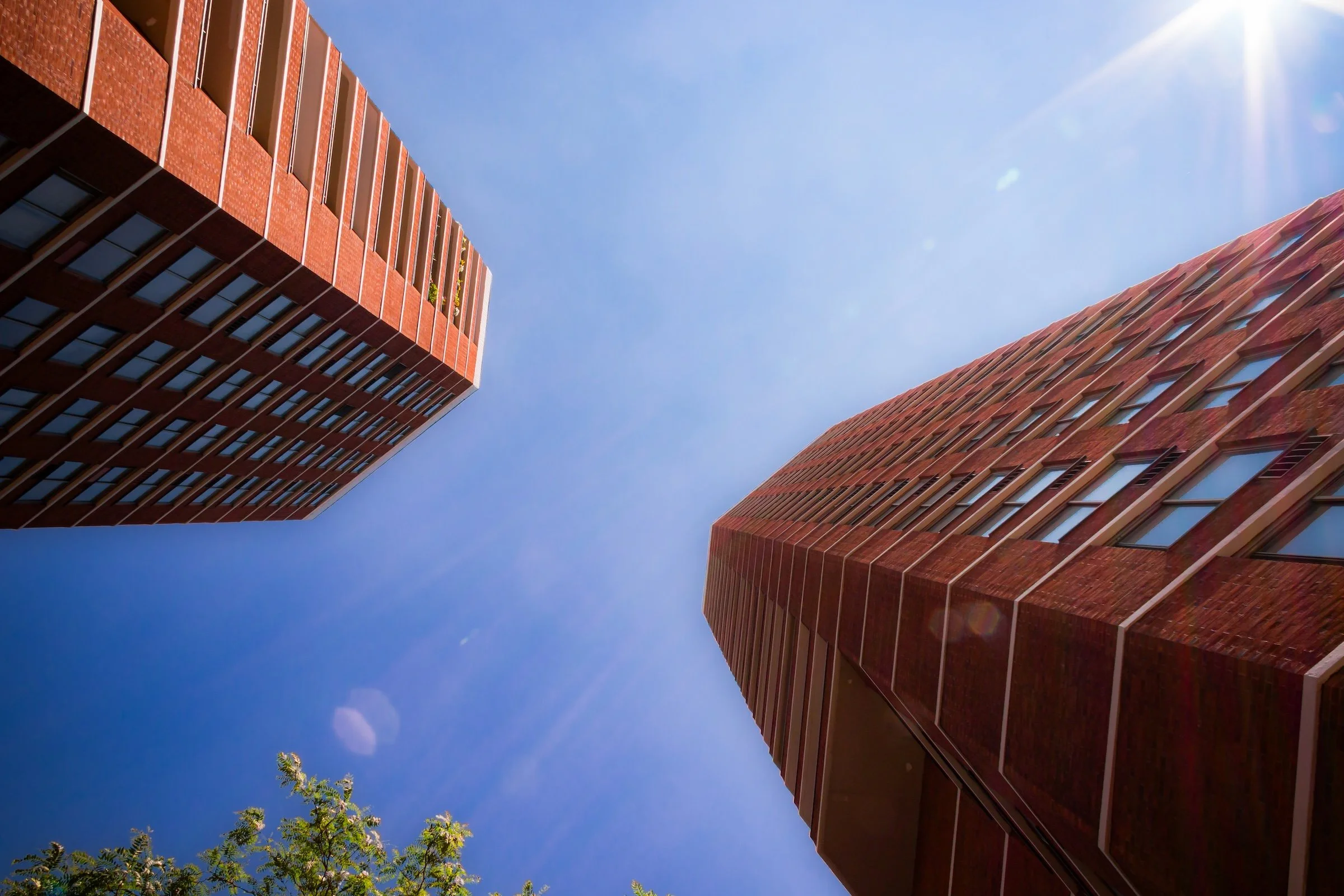
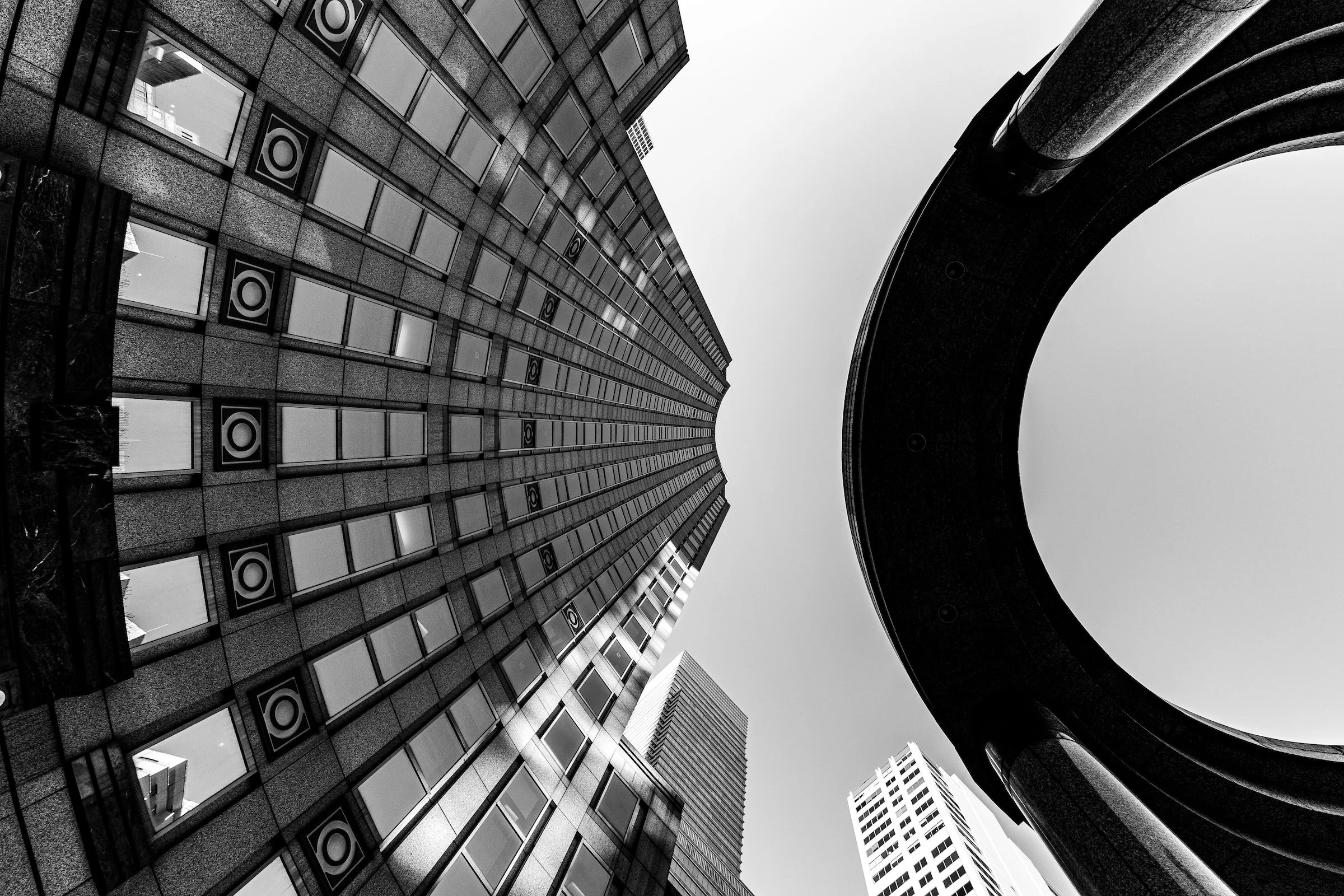
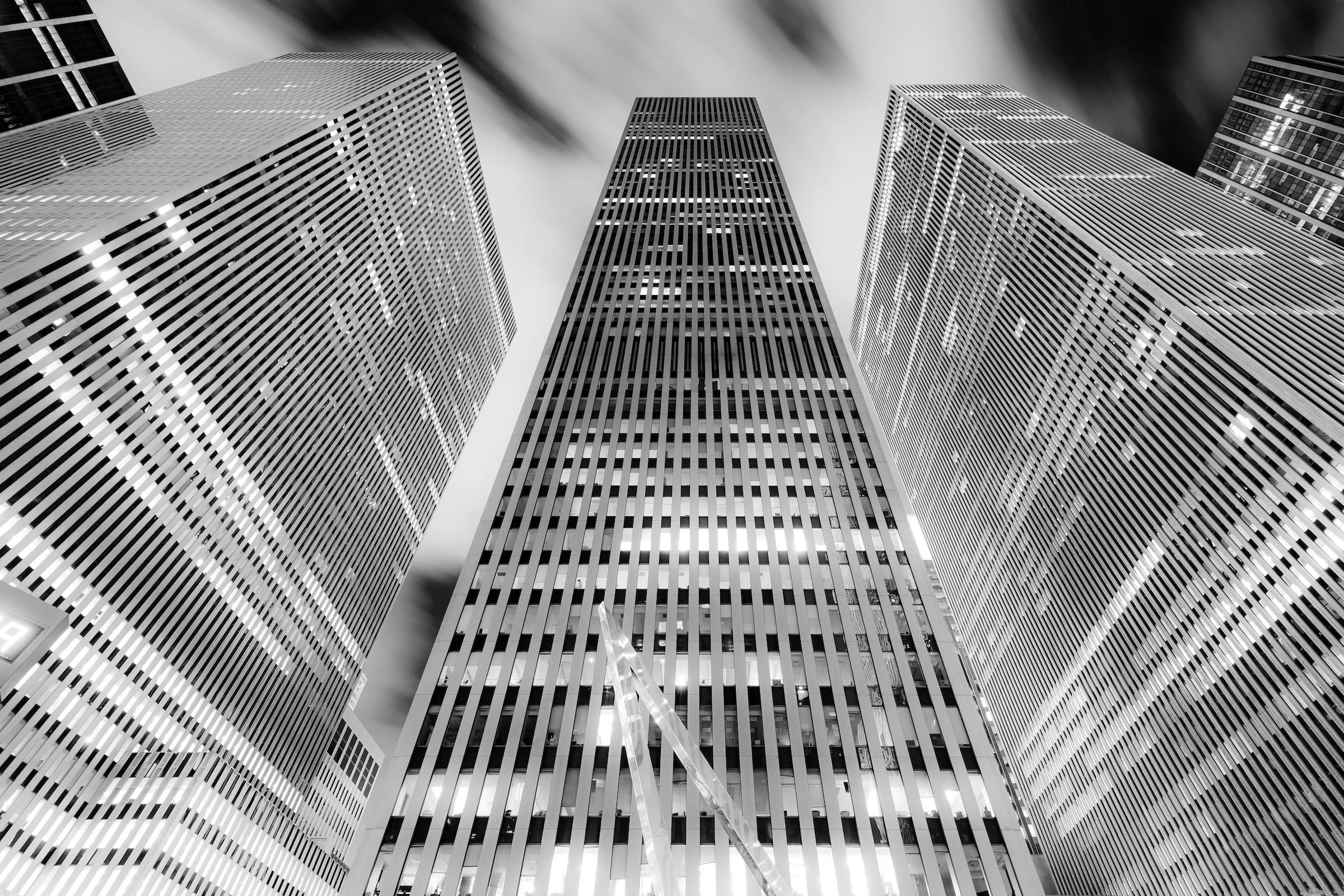
Midtown East - Manhattan - Tower Fifty Seven
A clean example of how upward perspective can turn a building into geometry. The building’s edges become arrows; the sky becomes a minimal field that makes the scale feel even more severe.
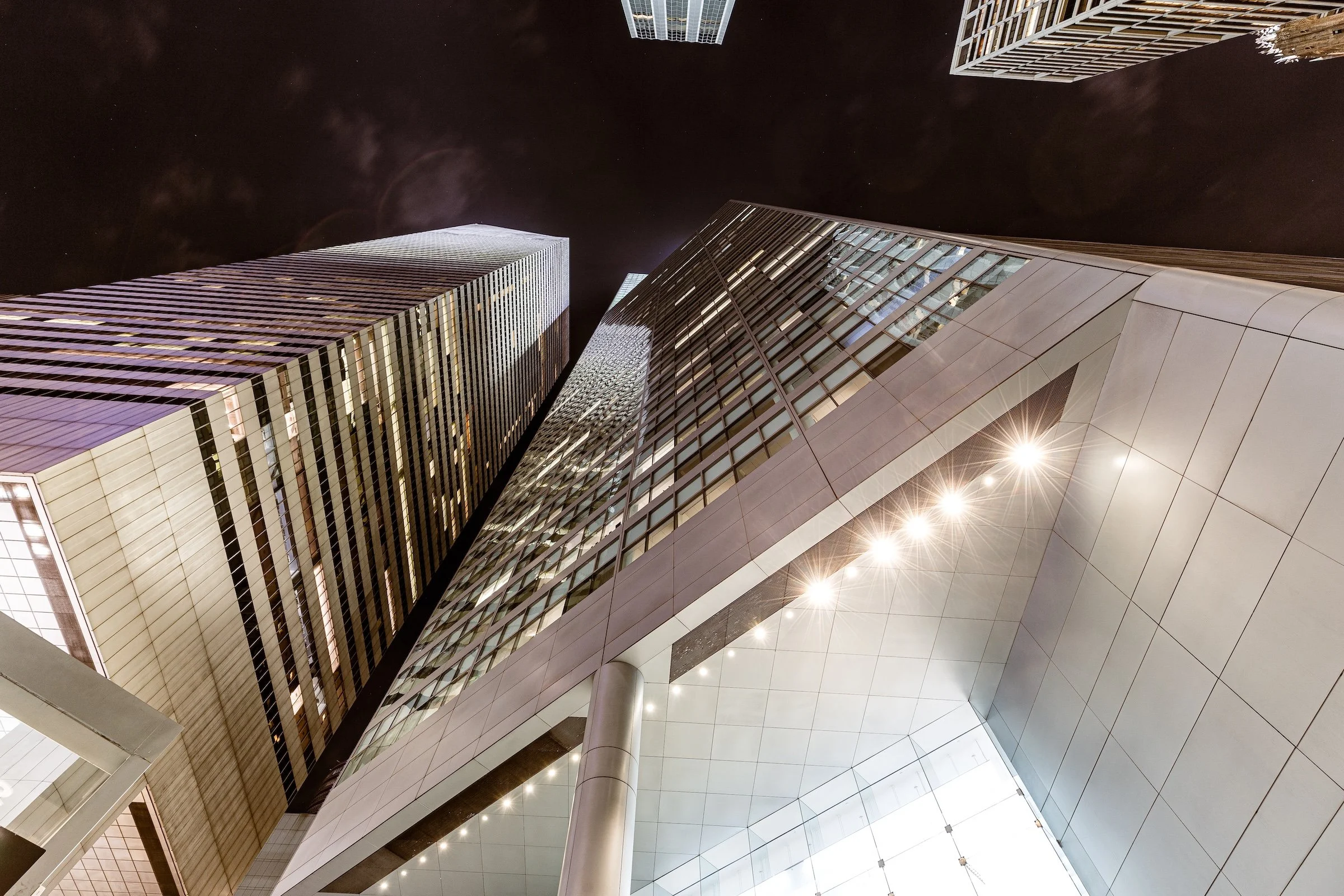
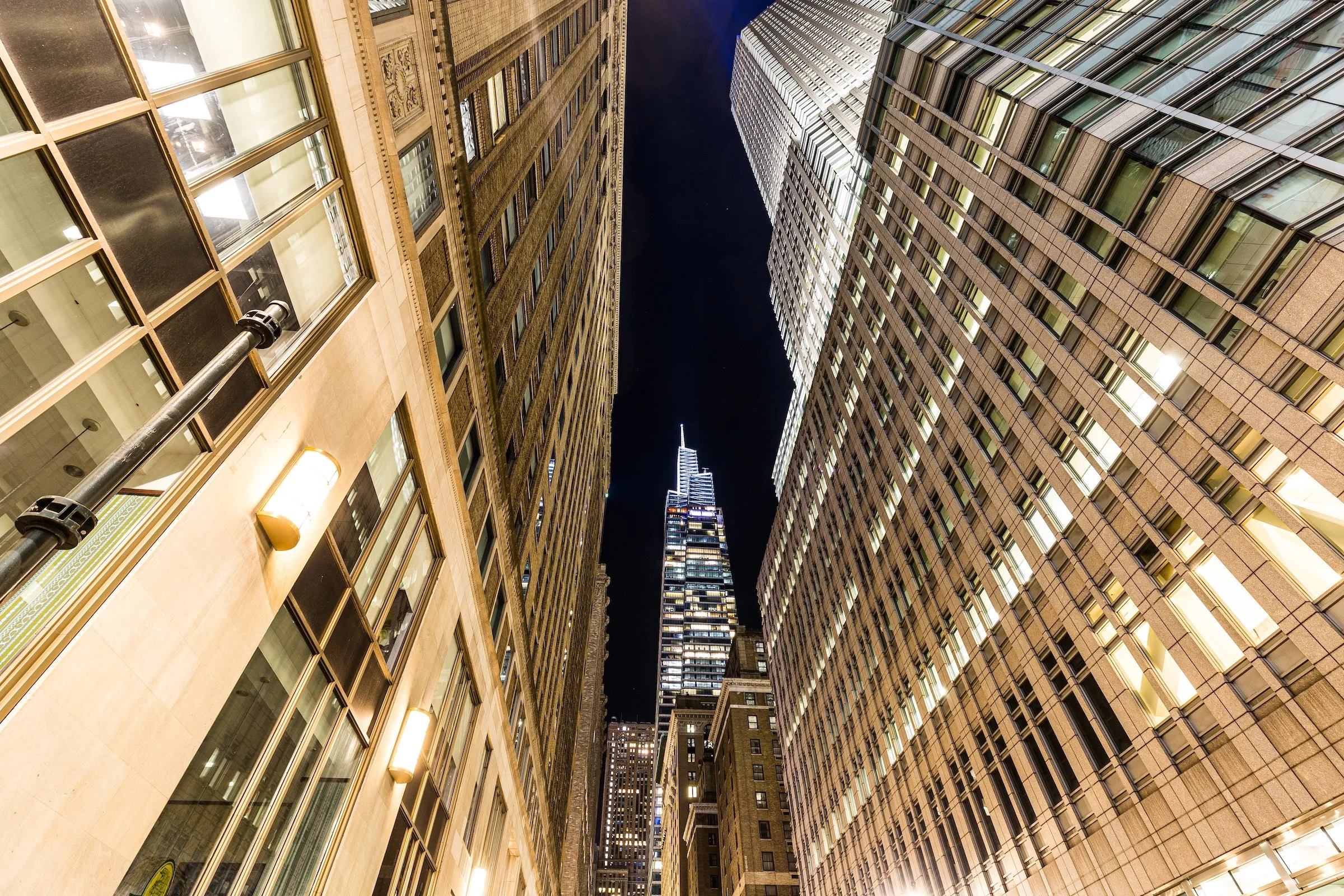
Midtown East - Manhattan - Citi At Night
Whatever it is, the way you tell your story online can make all the difference.
Night Corridors and Street-Level Compression:
These are street-level perspectives that alter scale through distance behavior—compression, leading lines, and the feeling of being pulled forward.

Garment - Fashion District - Manhattan - 36th & 8th At Night
Night plus a long corridor creates a tunneled sensation: the street becomes a channel, and the city feels taller, denser, and more theatrical. The altered perspective here is less about height and more about depth pressure.

Garment - Fashion District - Manhattan - Fashion Avenue and Tower at Night
The street becomes a runway for the eye, and the tower becomes the destination marker. It’s a perspective strategy that turns “a block” into a directed experience—foreground-to-background as narrative.
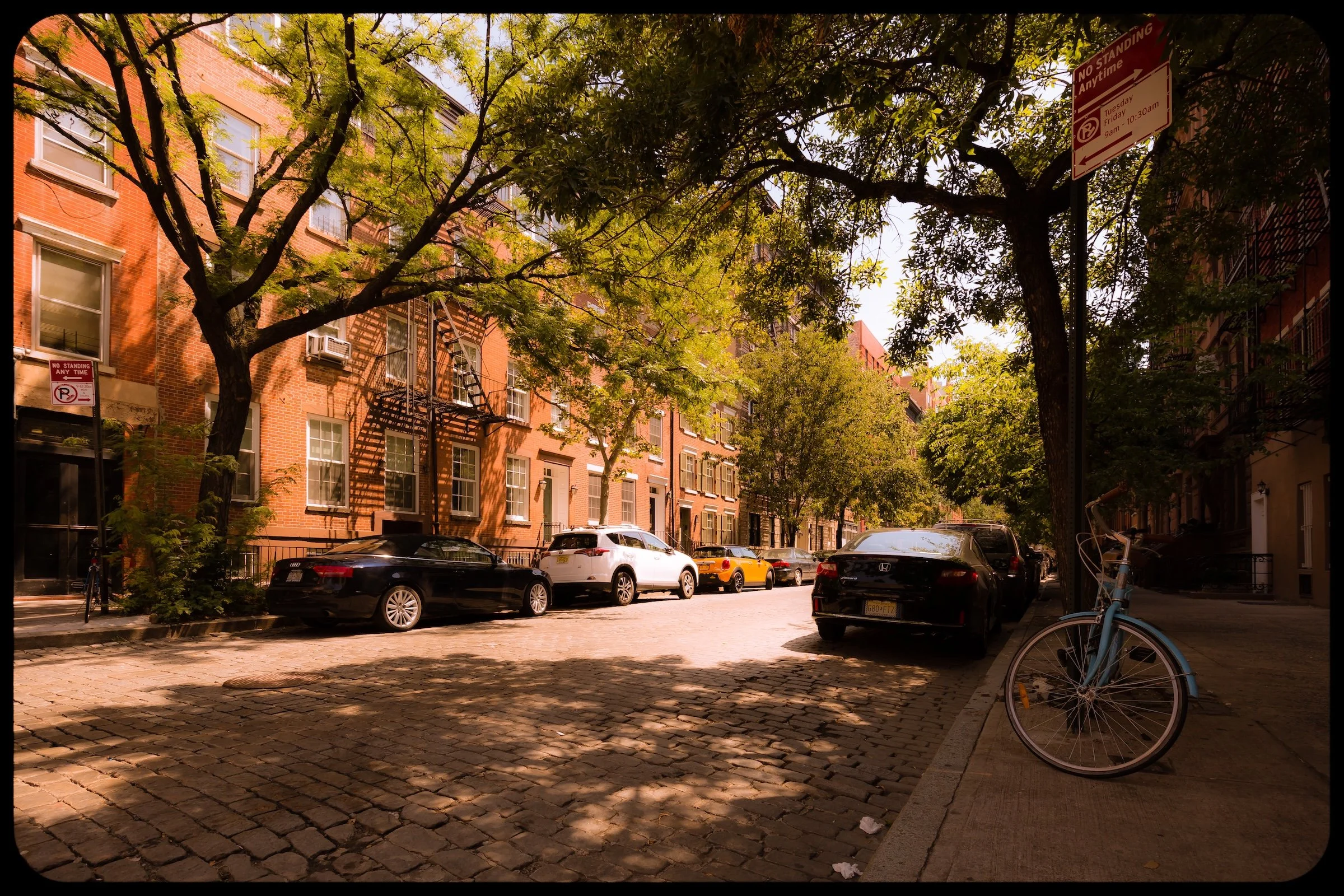
West Village - Manhattan - West 12th Street
A grounded street-level frame where the perspective shift is about presence. The block reads like a corridor of texture and quiet, and the viewer feels placed inside it—not hovering above it or staring up at it.
Foreground Anchors:
These frames use something close (often dominant) to reshape the meaning of what’s behind it—context becomes atmosphere rather than competition.
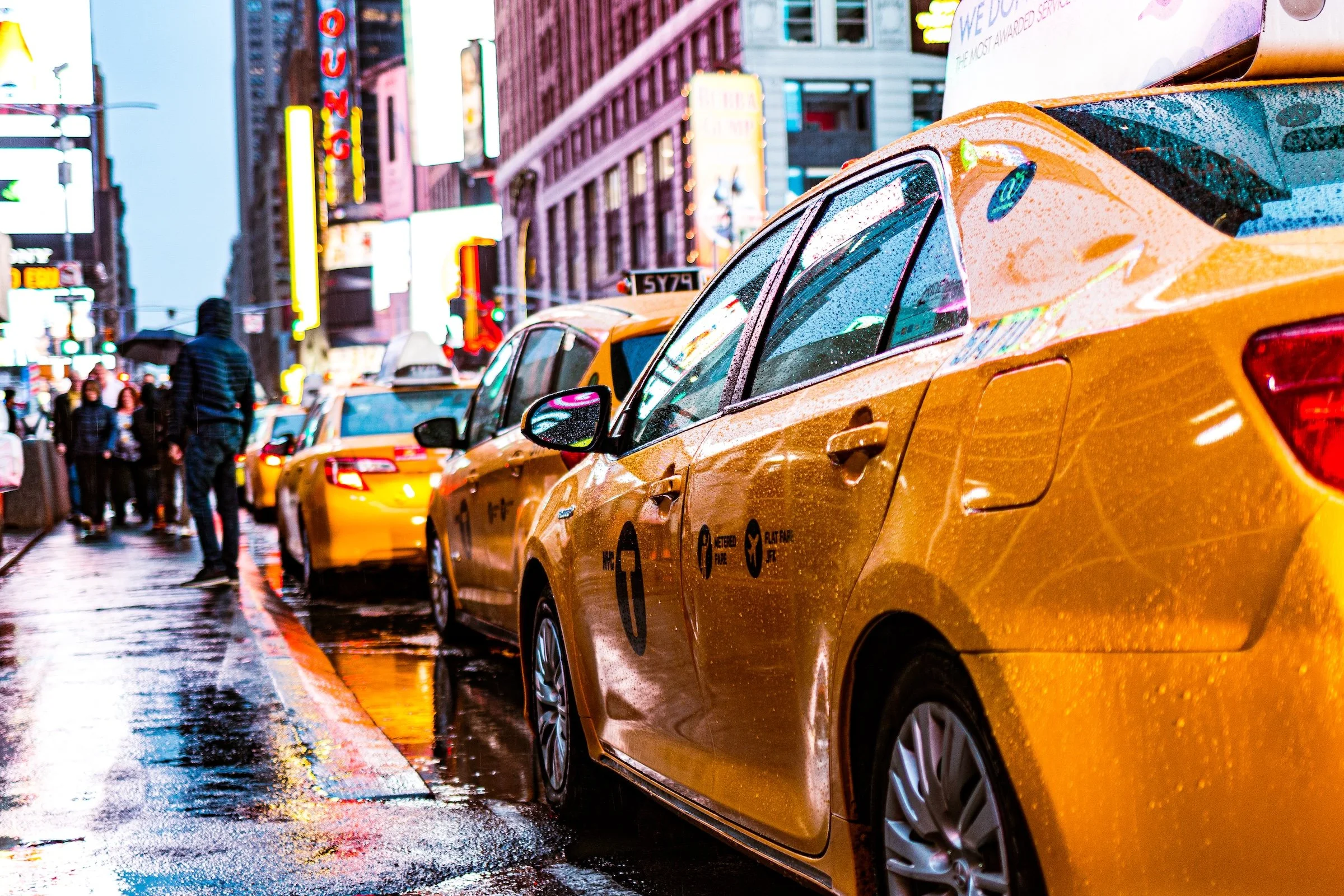
Theater District (Times Square) - Manhattan - Taxis In Rain
The close taxi presence and wet street reflections create a foreground-led perspective where the city becomes a luminous blur of signage and motion. It’s not “a street scene”—it’s a controlled distance hierarchy: near = tactile, far = electric.

Two Bridges - Manhattan - Lamplight
Lamplight acts like a mid-frame anchor, giving the viewer a stable “here” while the city extends beyond. The perspective shift creates mood by organizing depth—glow close, city far, and a corridor in between.
Explore Further