

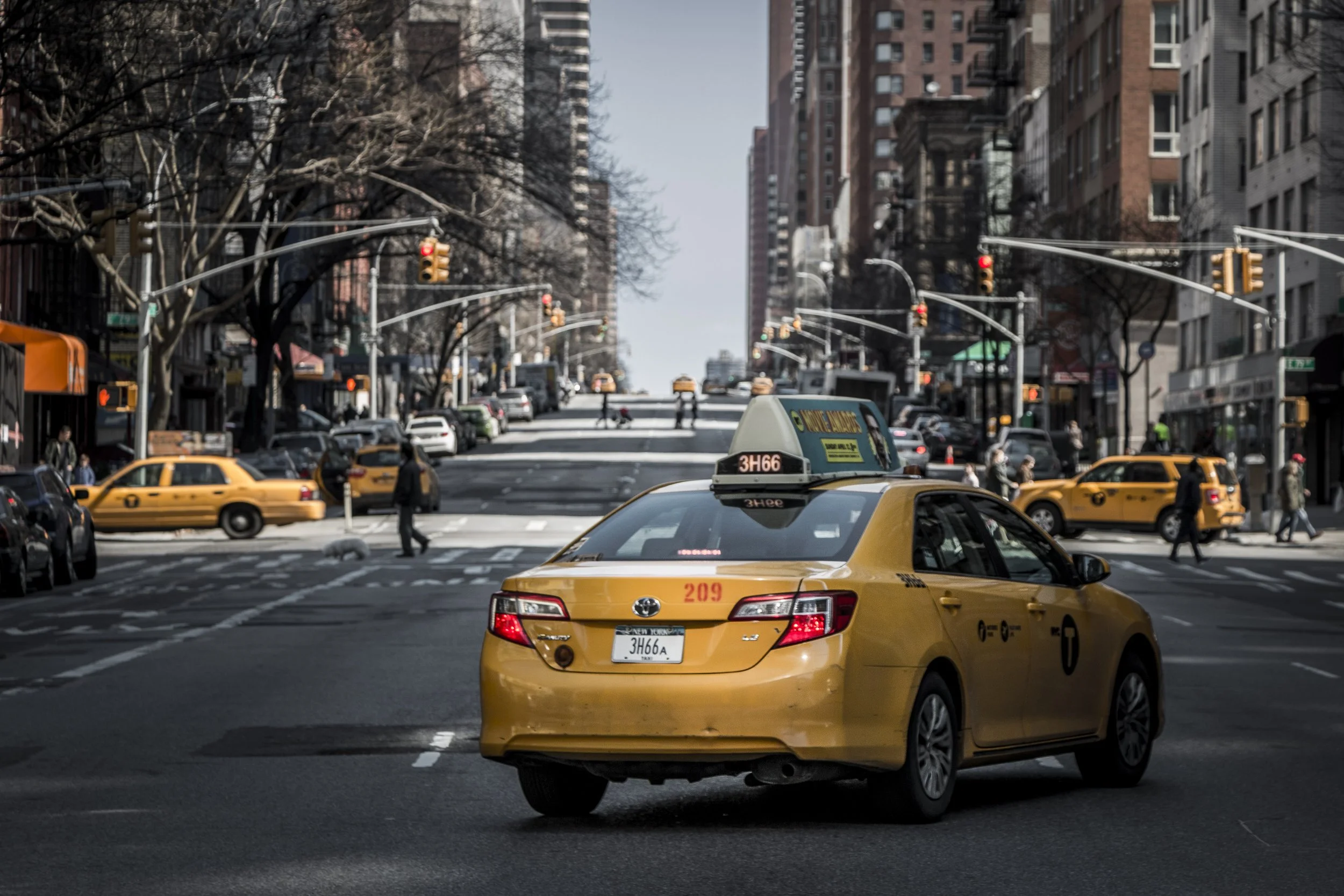
Streetscapes
Streetscapes are photographs in which the street itself becomes the subject: not simply a road or corridor, but a composed urban environment shaped by pavement, parked cars, curbs, lane markings, trees, buildings, traffic, light, and depth. A strong streetscape image captures the feel of moving through a place — the way a street holds space, organizes sightlines, and reveals the rhythm of neighborhood life block by block.
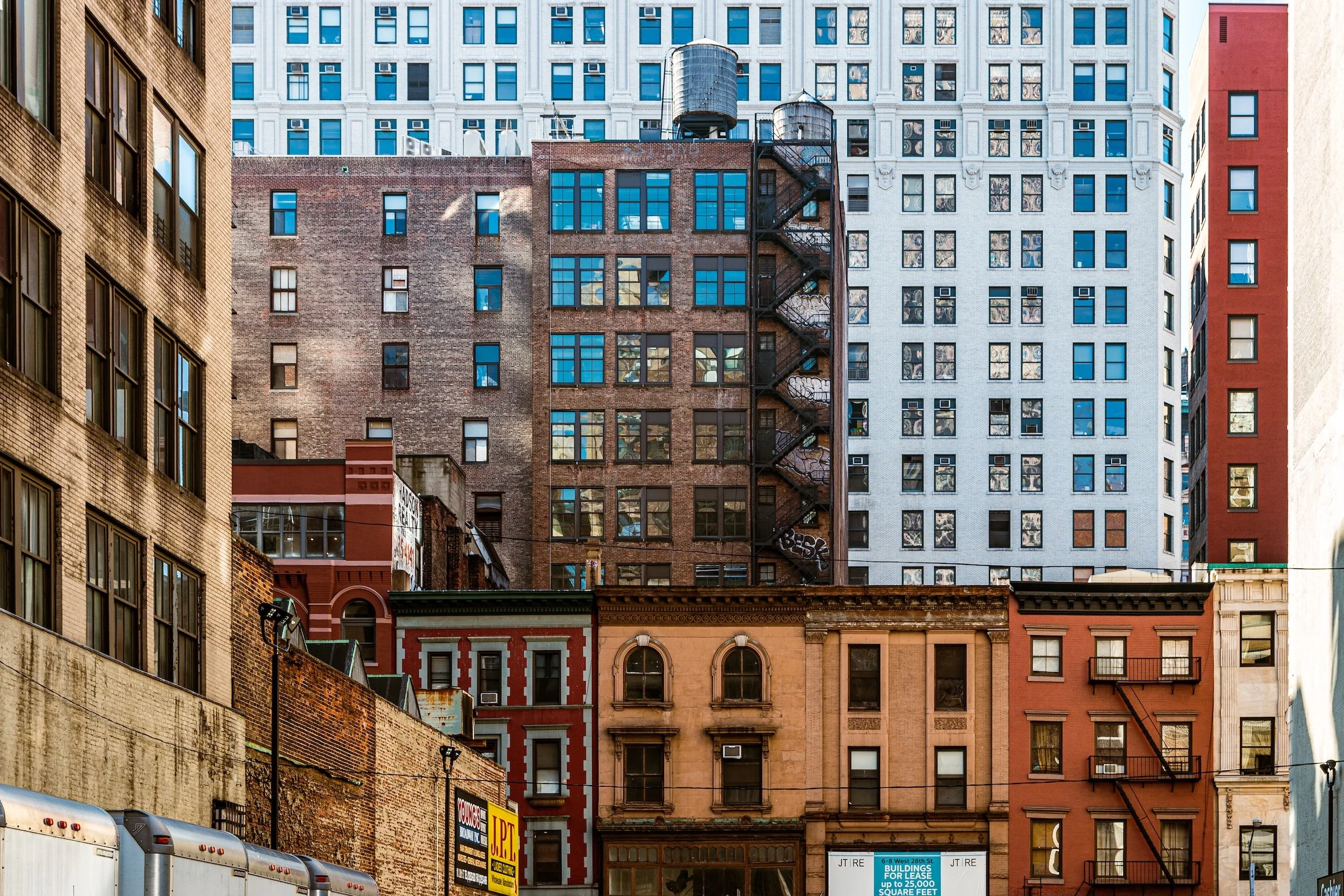
Receding Planes
A depth-building strategy where the frame is constructed from overlapping layers—walls, buildings, fences, lots, signs, trees—so that space steps backward in clear stages. Receding Planes emphasizes how the city is built: surfaces in front of surfaces, corridors inside corridors.
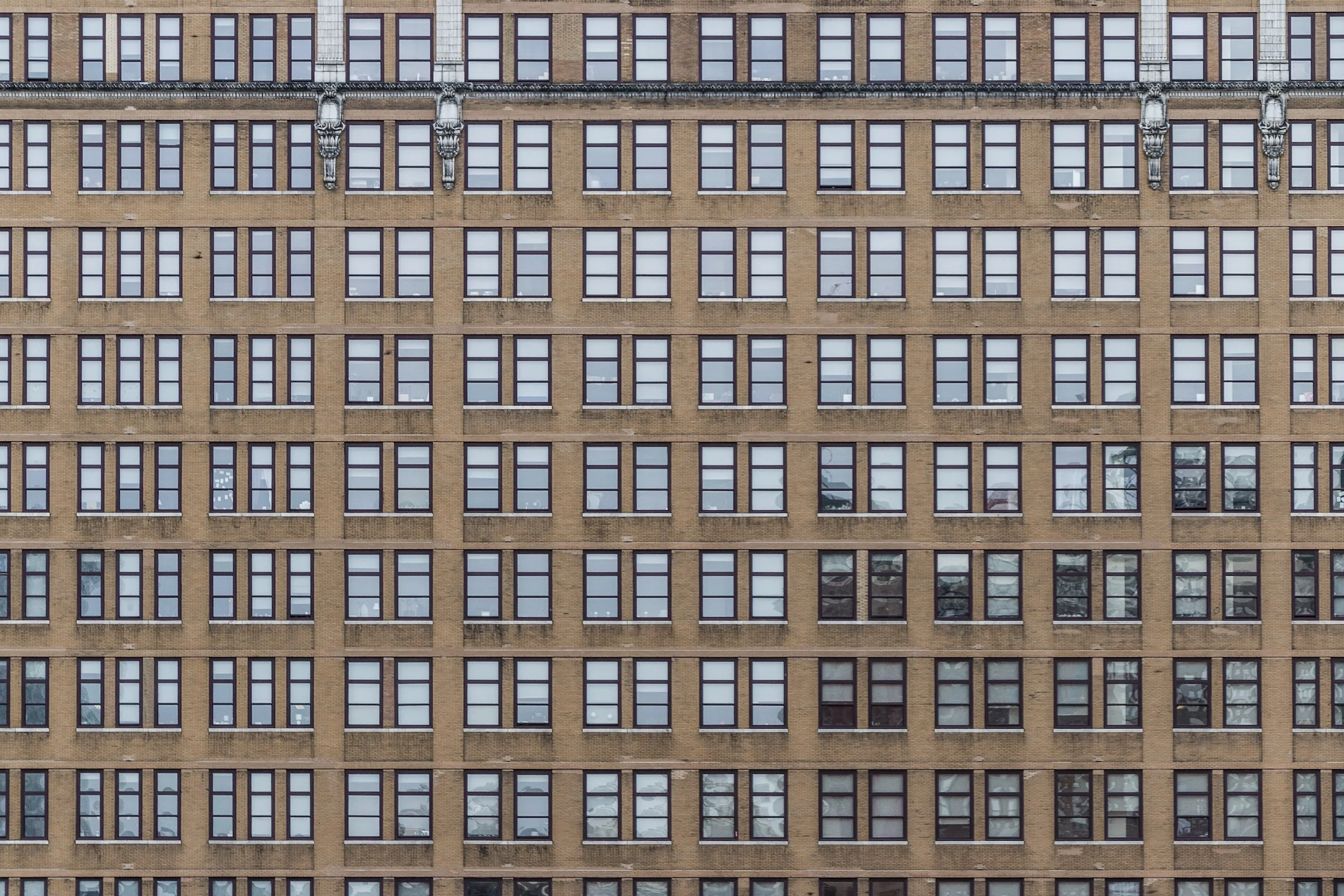
Glassy Eyes
Glassy Eyes is the practice of treating windows as the city’s gaze: repeating panes that read like pupils, grids that feel like a thousand watching eyes, and reflective glass that turns a building into a living surface. The subject isn’t “a building” so much as the expression created by its windows—orderly, anxious, playful, severe, curious.
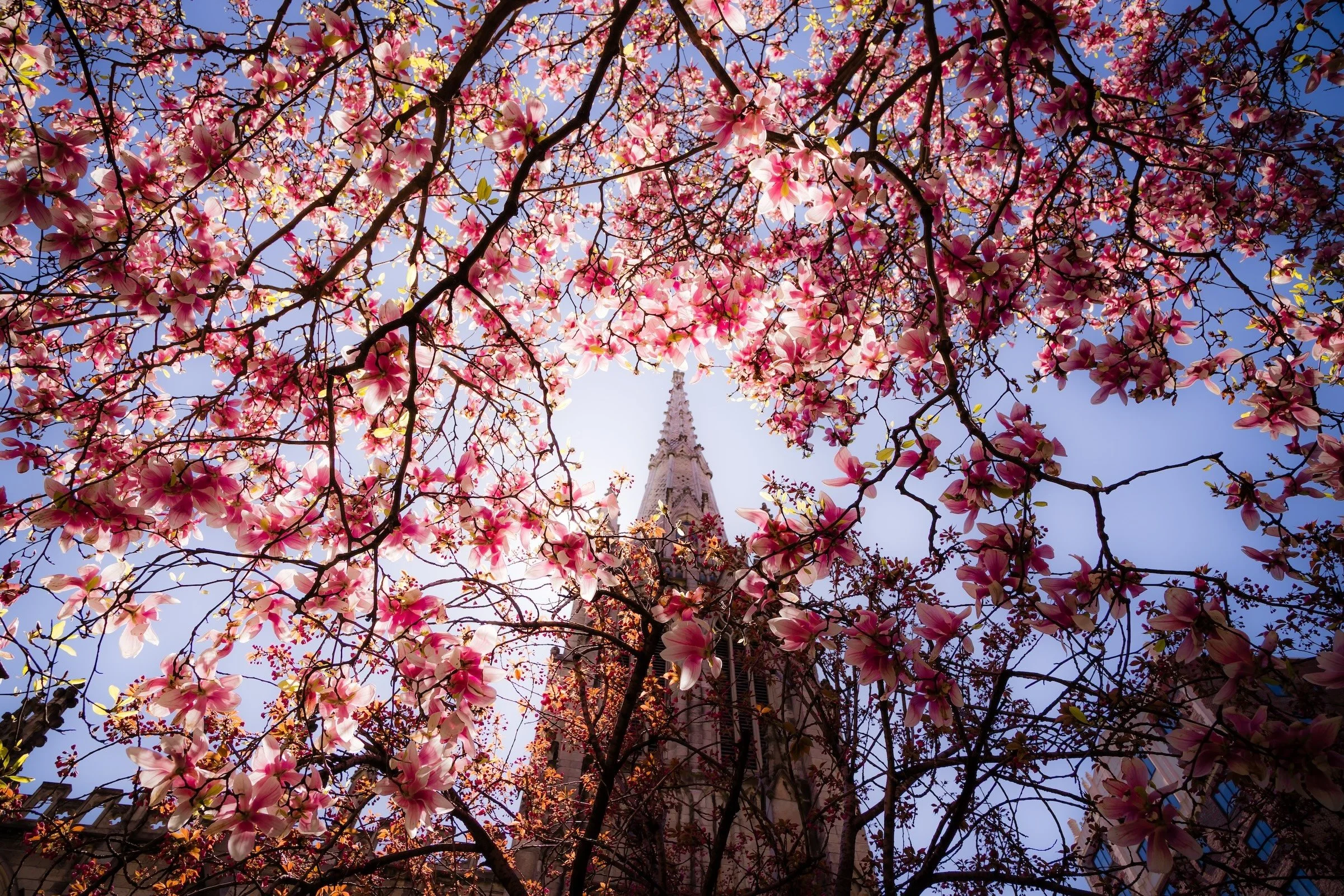
Custom Framing
Custom Framing is the deliberate use of a built or found “frame-within-the-frame” to shape what the viewer sees—branches, windows, arches, railings, doorways, architectural cutouts, even the negative space between buildings. The goal isn’t just to “surround” the subject, but to design a threshold: a controlled opening that directs attention, establishes depth, and turns the edge of the photograph into an active compositional tool.
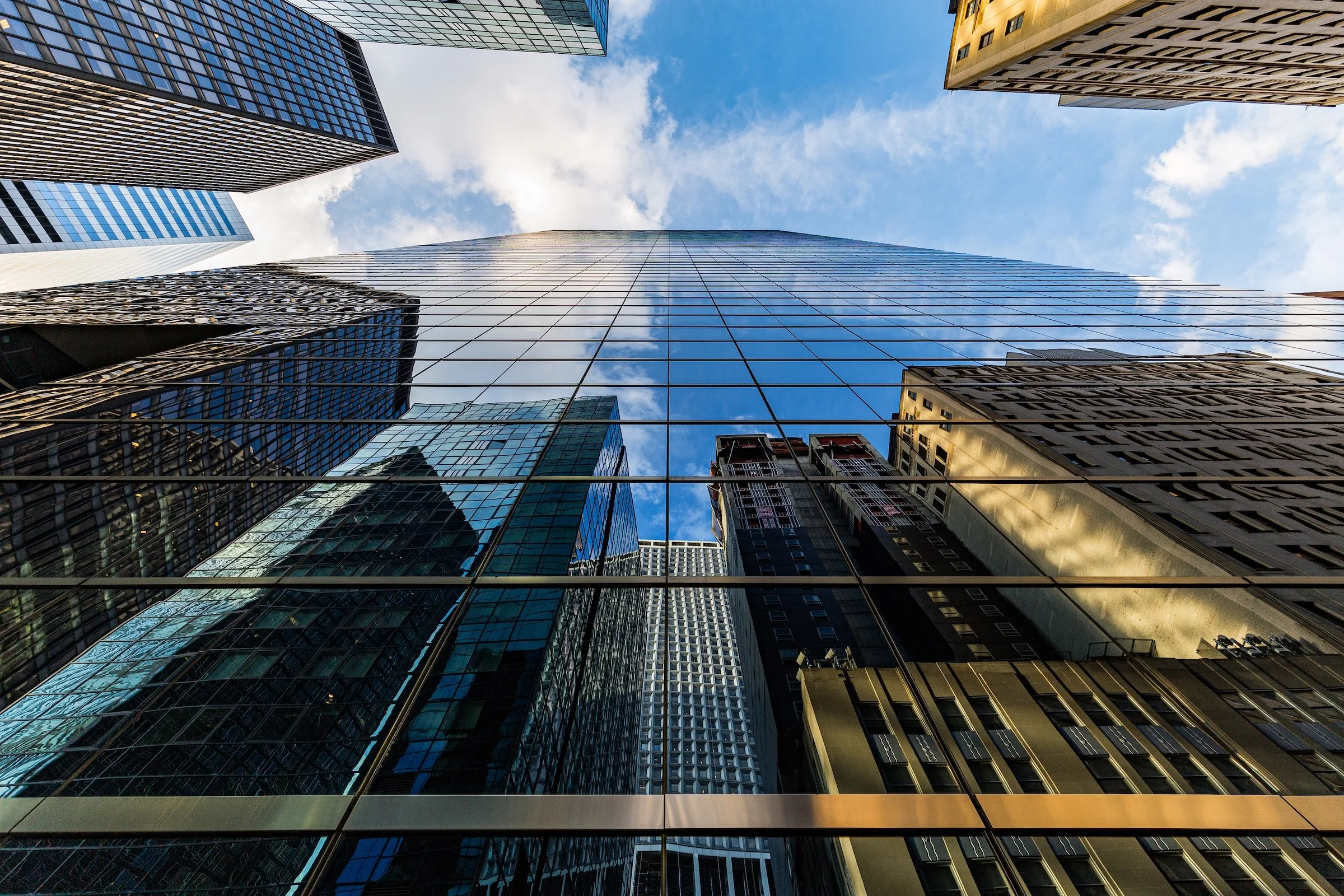
Reflected City
Reflected City is the practice of using large surfaces—glass, polished stone, metal, water, glossy paint—to capture a second scene inside the first. The world becomes a double exposure you didn’t manufacture: skyline inside a window grid, trees rippling across a façade, a street folded into chrome.
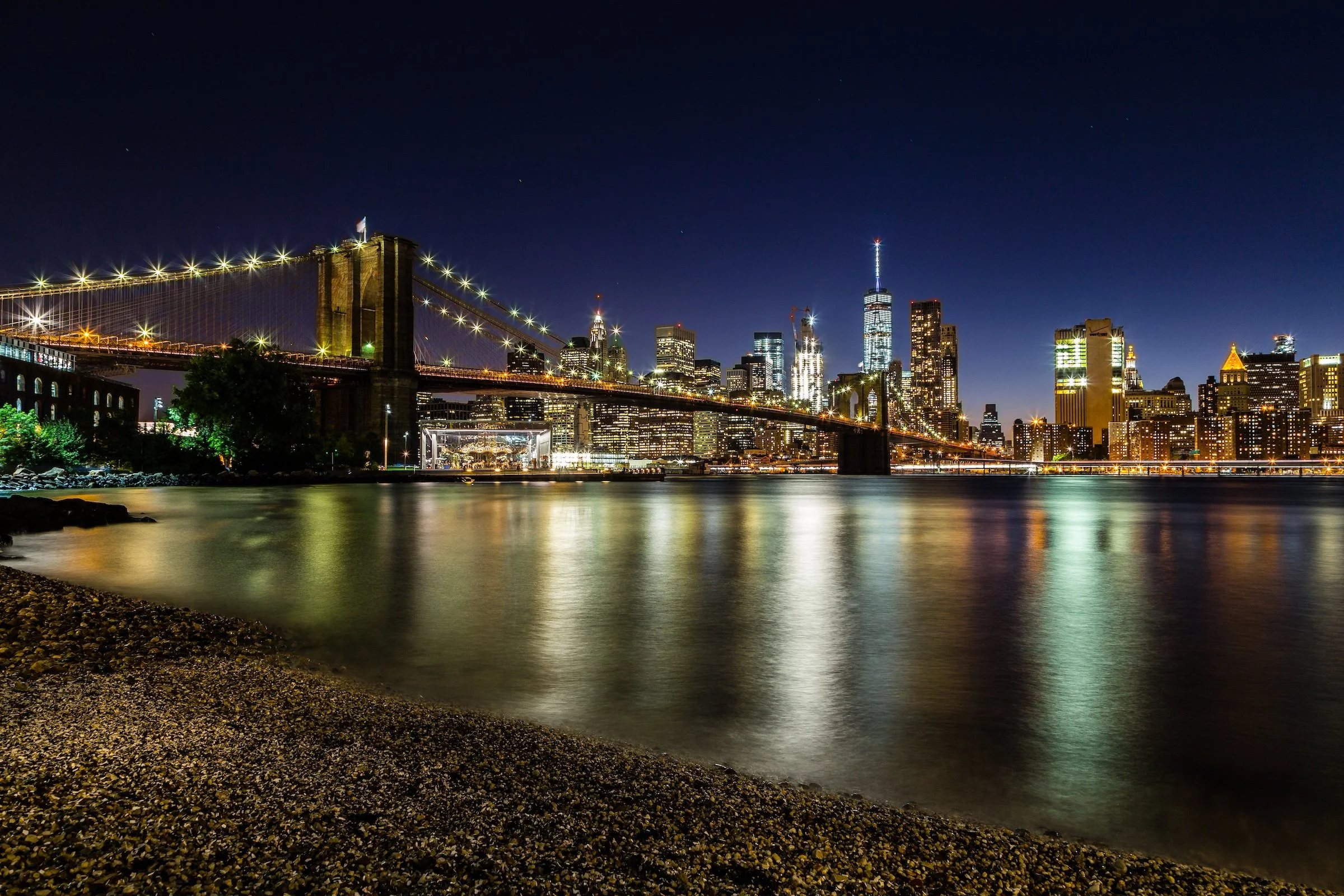
Long Exposure
A technique where slower shutter speeds (from fractions of a second to many seconds) transform movement into blur, streaks, and flow—turning crowds into mist, traffic into light trails, and water into glass.
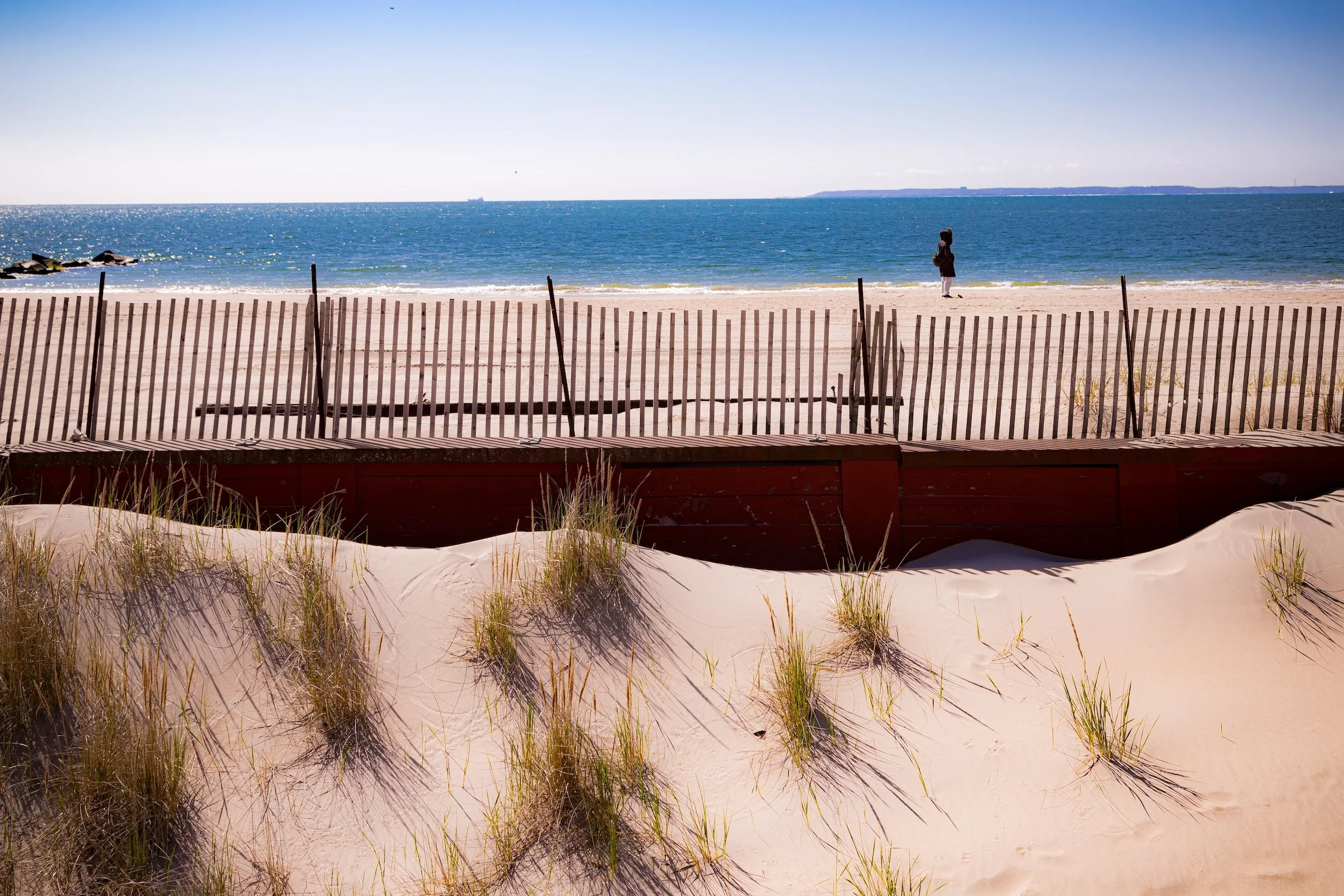
Horizon Harmonics
Most photographs rely on a single horizon to anchor the viewer. Horizon Harmonics is the practice of finding a "sequence" of horizons within a single frame—edges where color, material, or light shift abruptly. By aligning these secondary horizons so they run parallel, you create a visual "resonance" that gives the image a sense of immense, orderly scale.
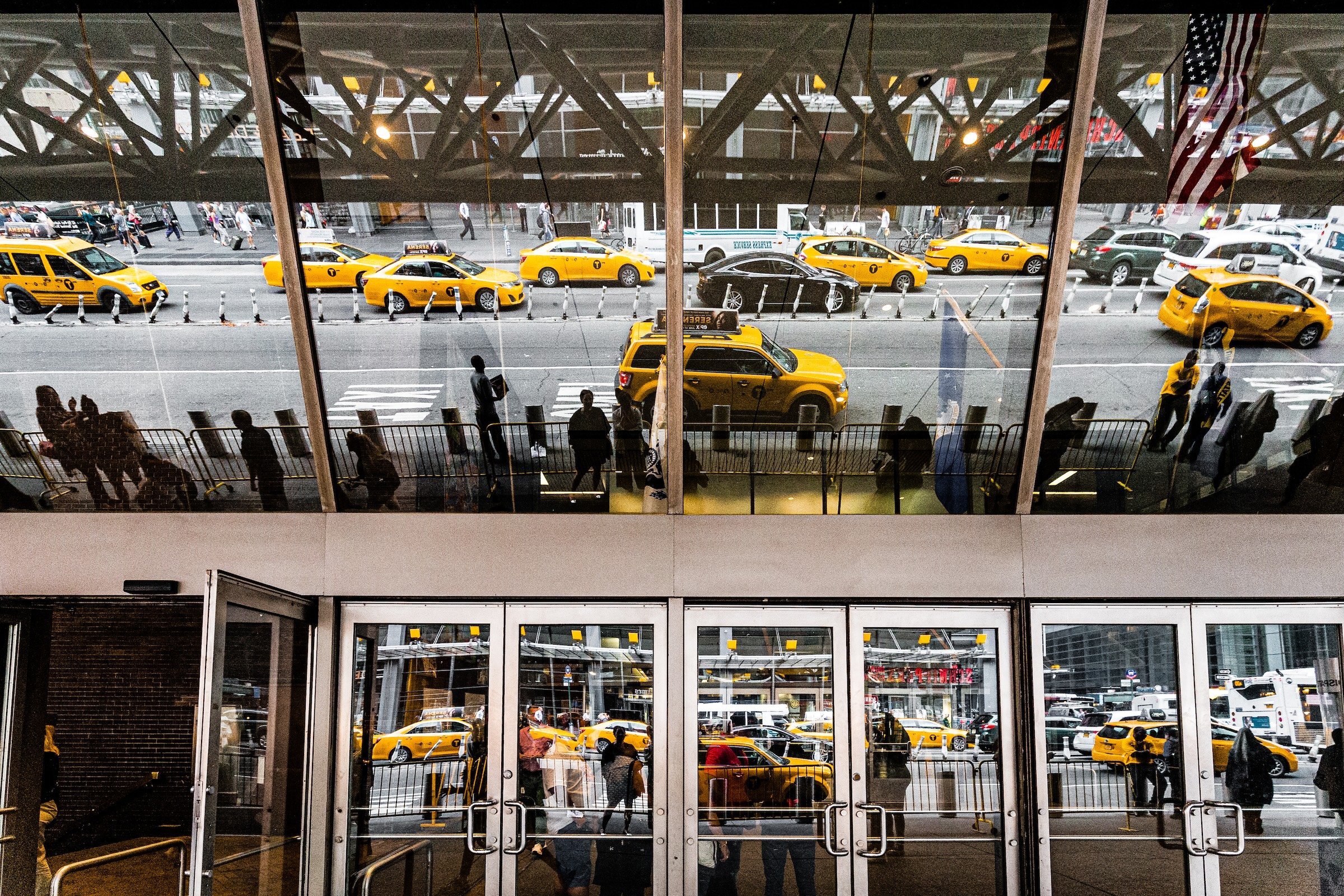
Urban Mosaic
Urban Mosaic is the practice of building a photograph from fragments—layers, reflections, frames, signage, repeated windows, and partial scenes—so the image reads like a collage of city moments rather than a single-subject view.