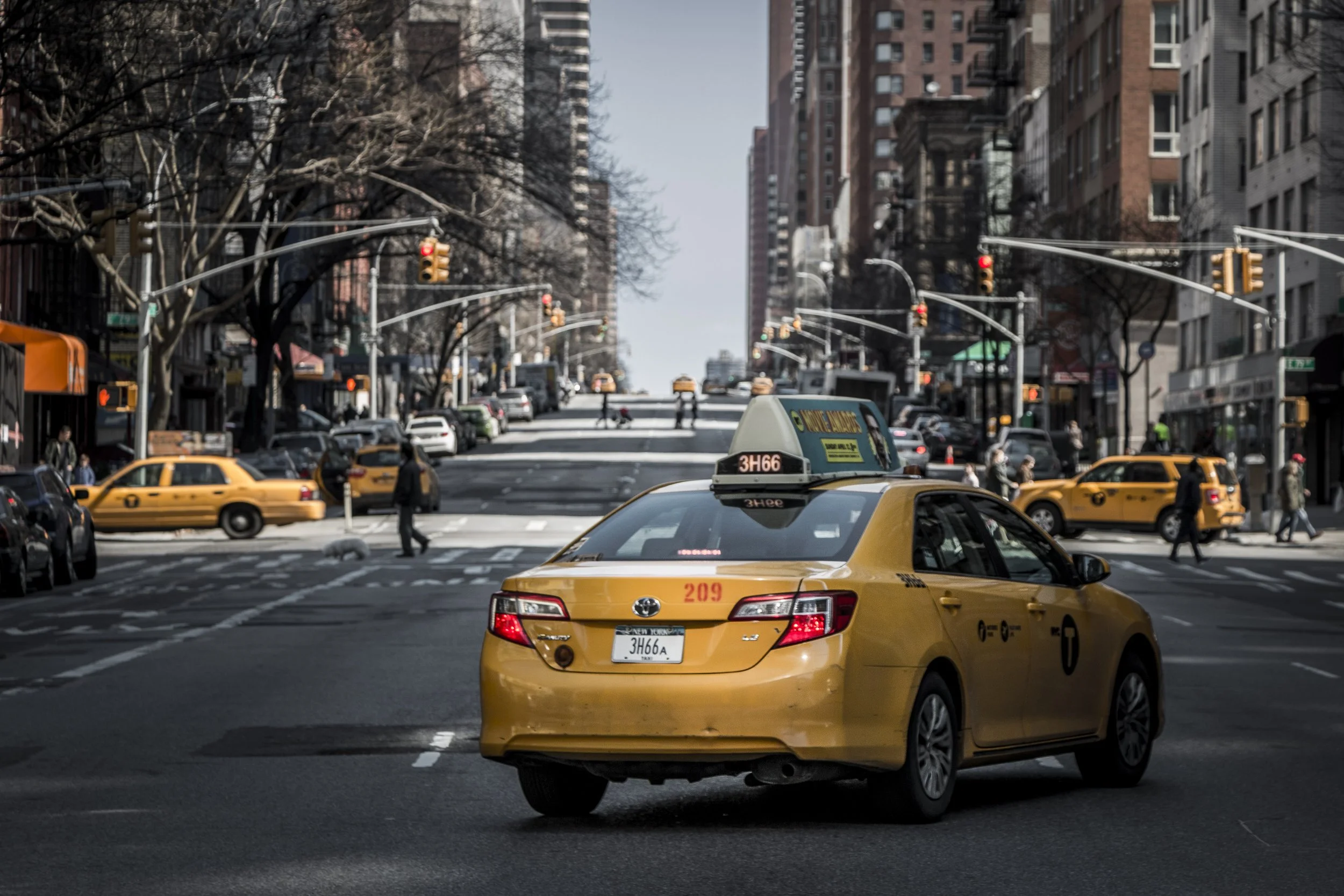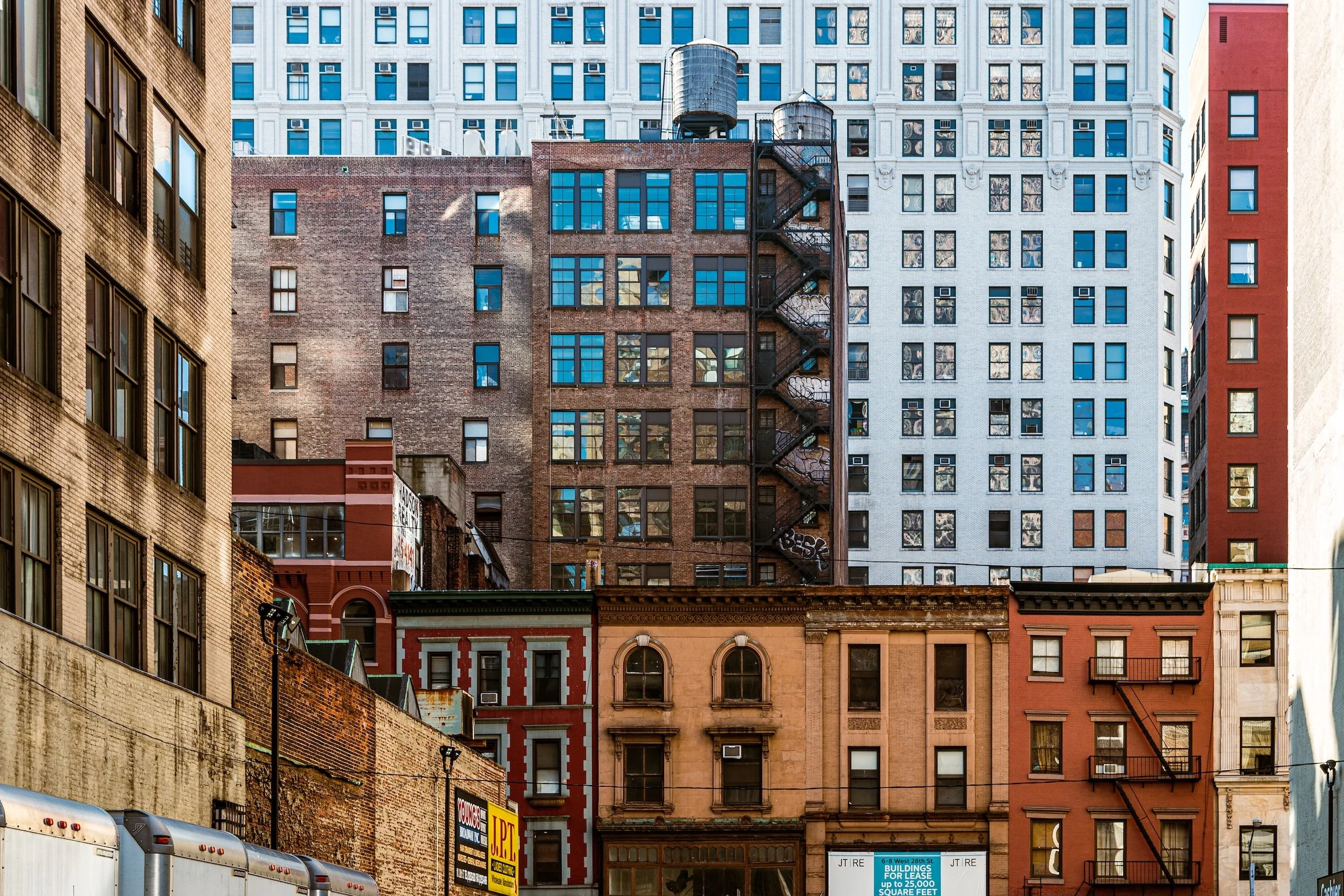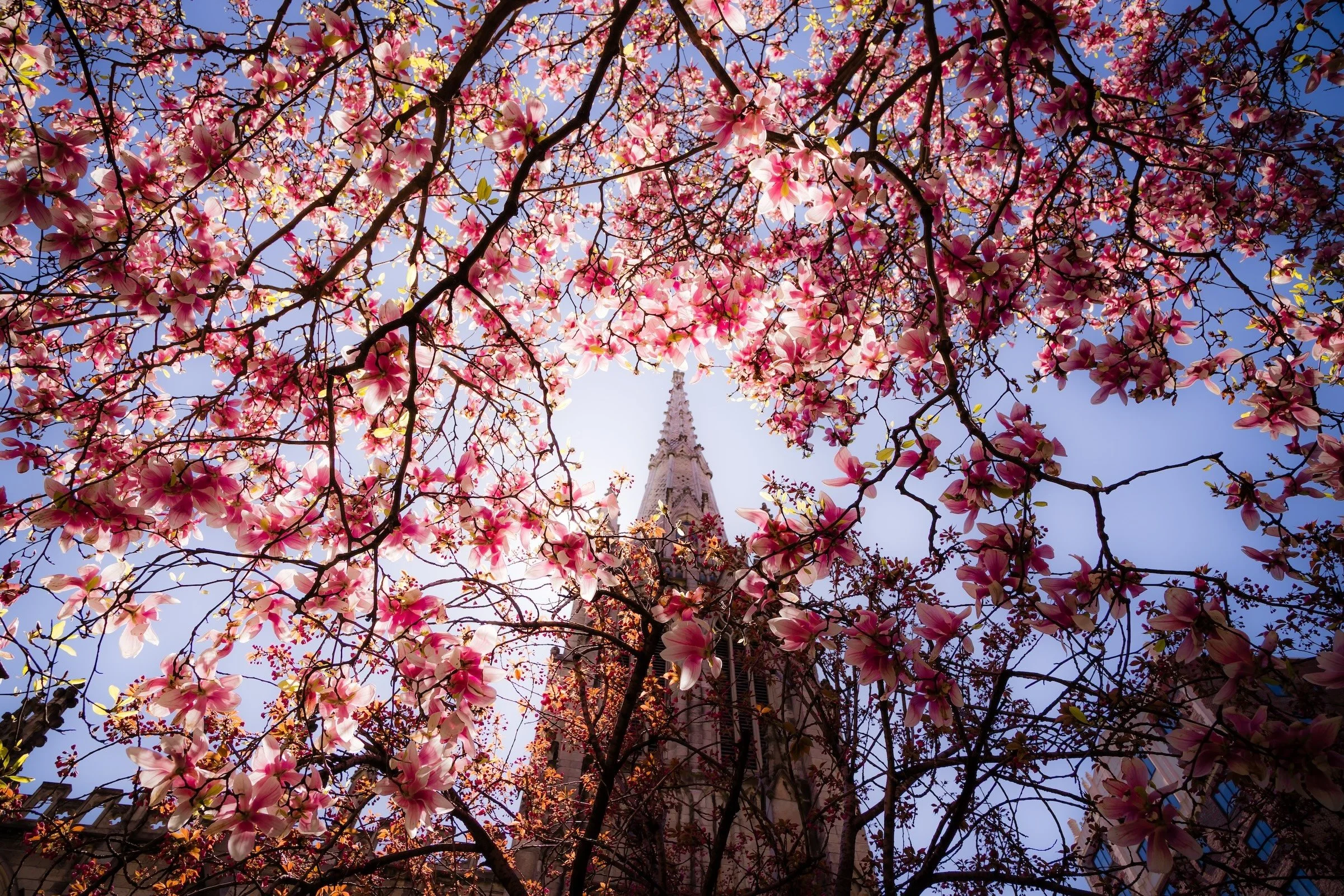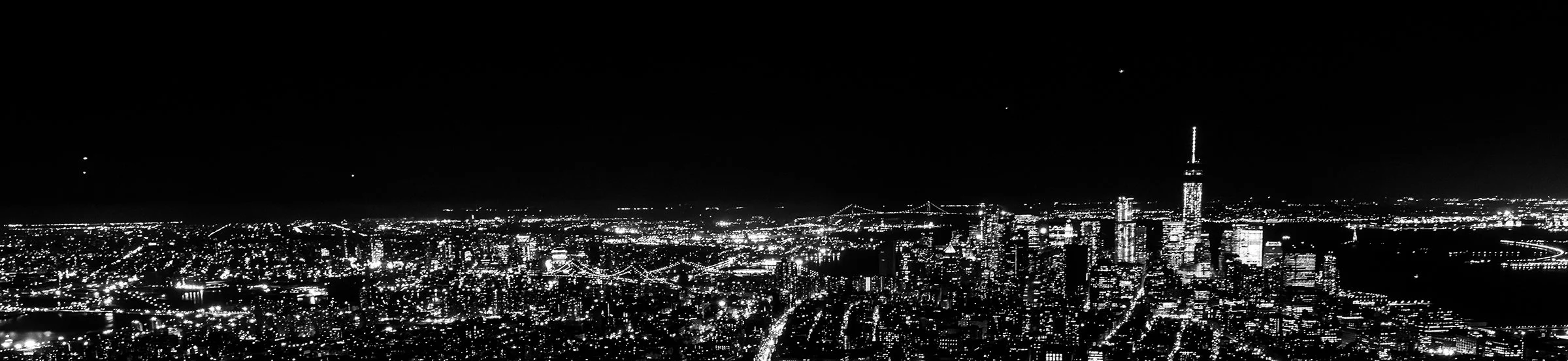

Greenwich Village - Manhattan - Springtime In New York City
Definition:
Custom Framing is the deliberate use of a built or found “frame-within-the-frame” to shape what the viewer sees—branches, windows, arches, railings, doorways, architectural cutouts, even the negative space between buildings. The goal isn’t just to “surround” the subject, but to design a threshold: a controlled opening that directs attention, establishes depth, and turns the edge of the photograph into an active compositional tool.
Usage:
Use Custom Framing when you want to make a scene feel discovered rather than presented. A frame can create intimacy inside a busy city, isolate a landmark without cropping it aggressively, or add narrative: the viewer isn’t simply looking at the city—they’re looking through it.
Custom frames are especially powerful in New York because the city naturally generates layers: street-to-window, park-to-skyline, corridor-to-courtyard, bridge-to-distance. Once you start hunting for frames, you’ll realize the city is basically a machine for producing them—openings, apertures, cutouts, and accidental “portals” everywhere you turn.
In Depth:
I think of Custom Framing as a compositional handshake between foreground structure and background meaning. The foreground isn’t decoration; it’s a design decision. It tells the viewer what matters, and it gives the subject a stage—sometimes dramatic, sometimes quiet, often both at once.
A good Custom Frame usually does at least one of these jobs (the best ones do several at once):
Directs attention: the opening acts like a visual arrow.
Creates depth: foreground / midground / background become legible layers.
Adds context without clutter: you can keep “place” in the frame while still isolating the subject.
Builds mood: frames can feel intimate, cinematic, secretive, monumental, or playful depending on scale and shape.
A few quick ways to find them in the field:
Look for edges that already want to be borders: archways, window openings, bridge spans, colonnades, tree lines, alley mouths.
Move laterally. A frame often “locks in” only when you shift a few feet left/right.
Use the frame to simplify. If the background is chaotic, tighten the opening until the subject reads cleanly.
Watch your exposure: frames are often darker than what they surround, so you may need to protect highlights while letting the frame fall into silhouette.
Below are ten launch examples that show Custom Framing across parks, streets, interiors, landmarks, and long-distance alignments. Each image includes a brief note on how the frame functions—and why it strengthens the photograph.
Organic Frames: Trees, Blossoms, and Living Borders
These frames use nature as a soft architecture—branches and blooms shaping the opening while keeping the scene breathable and alive.
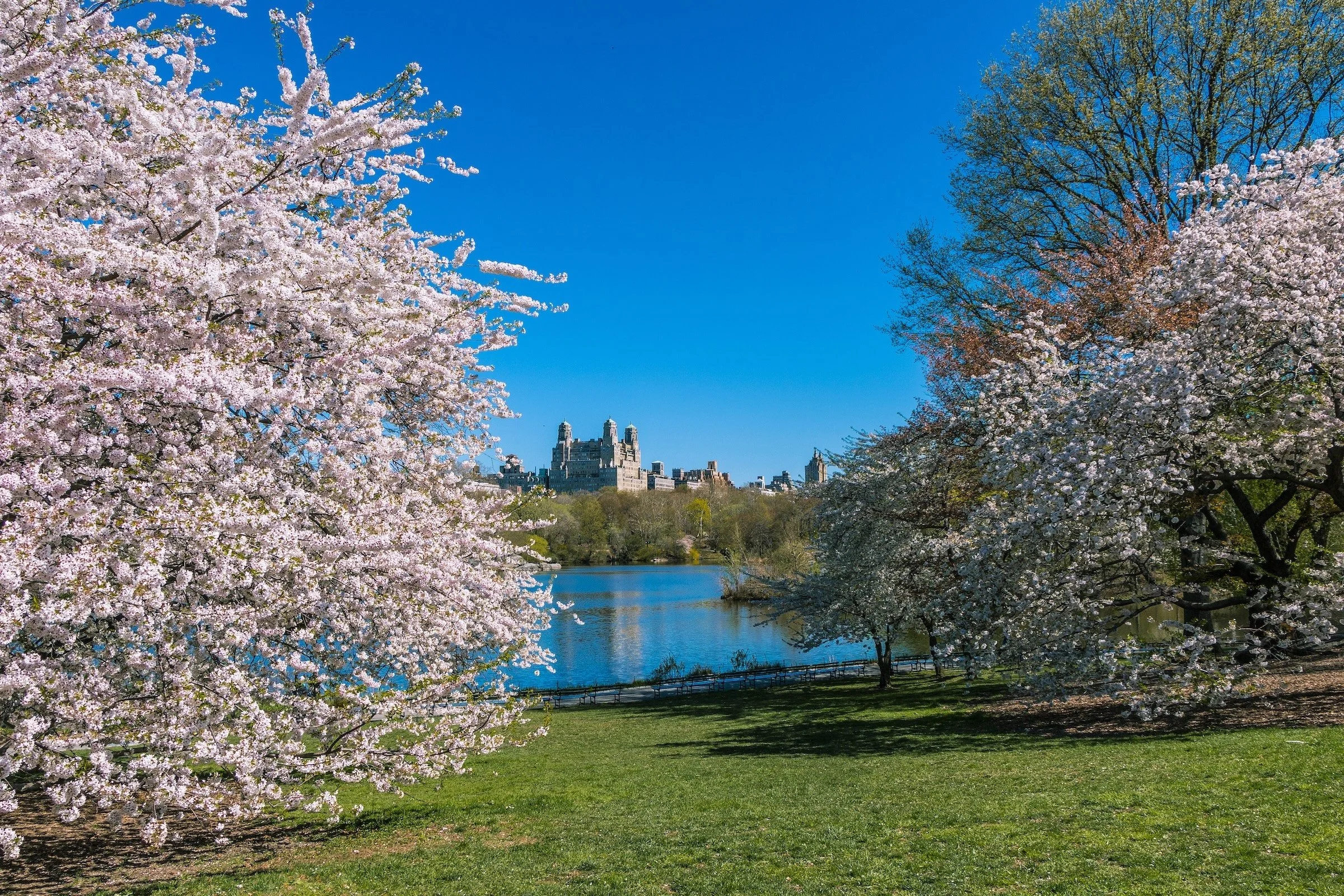
Central Park - Manhattan - Between The Trees
The trees act like curtains pulled back to reveal the lake and skyline beyond. The frame doesn’t “trap” the view—it gives it a sense of arrival, like the city is waiting at the end of a corridor of green.
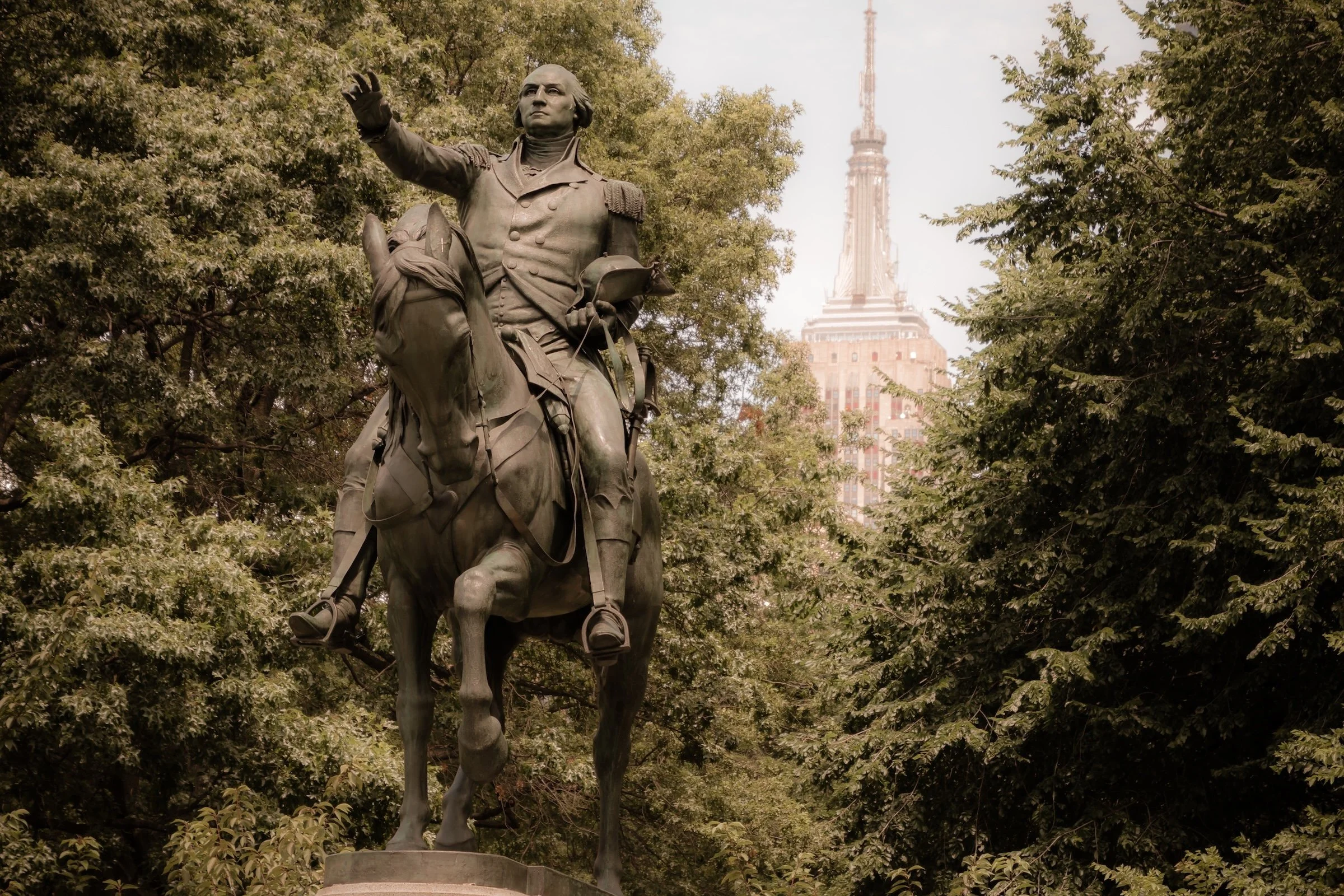
Union Square - Manhattan - The General and The Empire
The statue becomes a near-subject, but the deeper frame is the gap through the trees that reveals the Empire State Building. The result is layered time: revolutionary-era monument in front, 20th-century icon behind—stitched together by the frame.
Architectural Apertures: Windows, Arches, and Designed Openings
These frames are literal openings—built thresholds that turn the city into something viewed through structure, not merely seen.

Central Park - Manhattan - Belvedere Castle Window
The window becomes a precise, ornamental boundary—almost like a stained-glass outline without the glass. The strongest move here is restraint: the frame is bold, but the opening is clean, so the outside world reads like a curated exhibit.
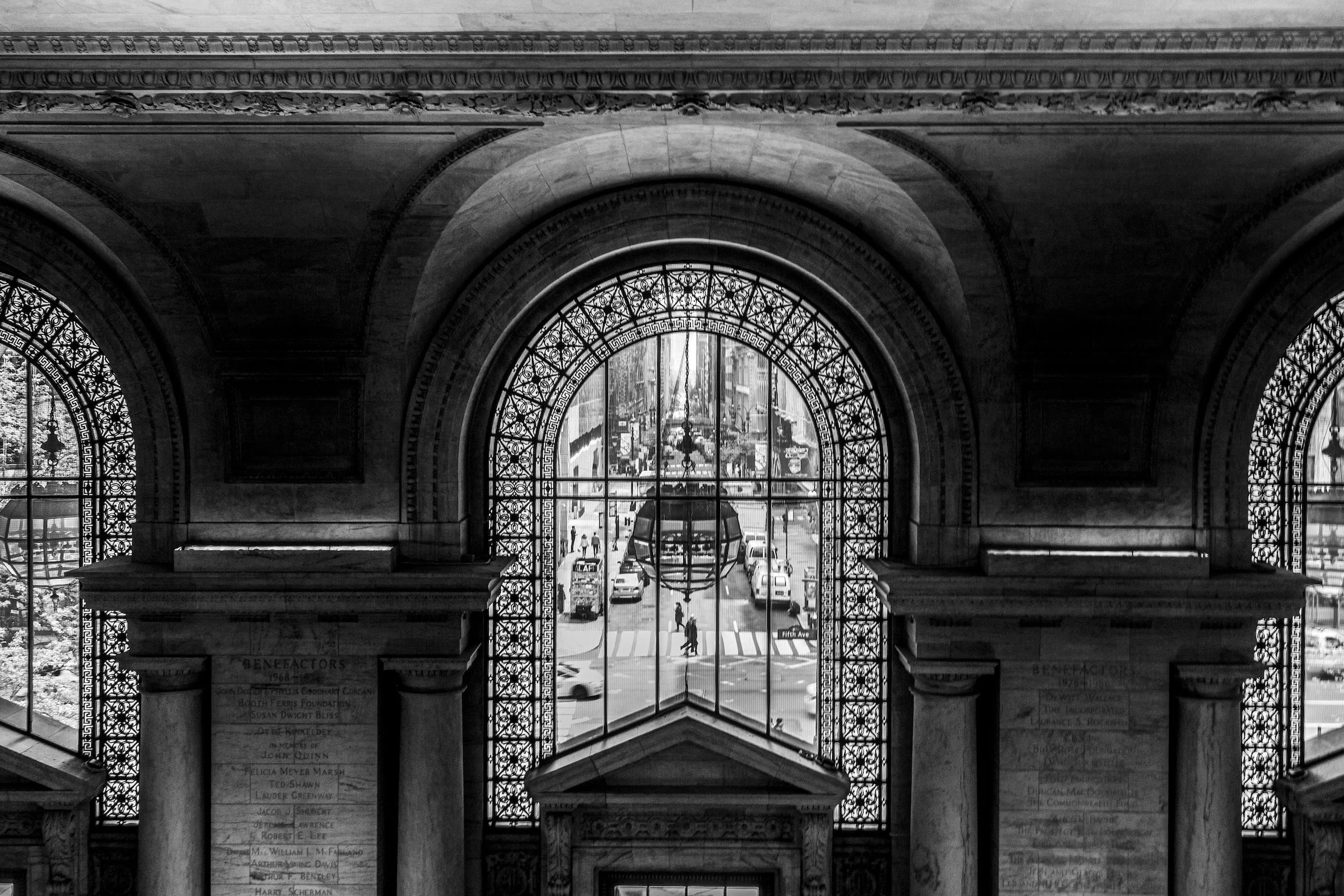
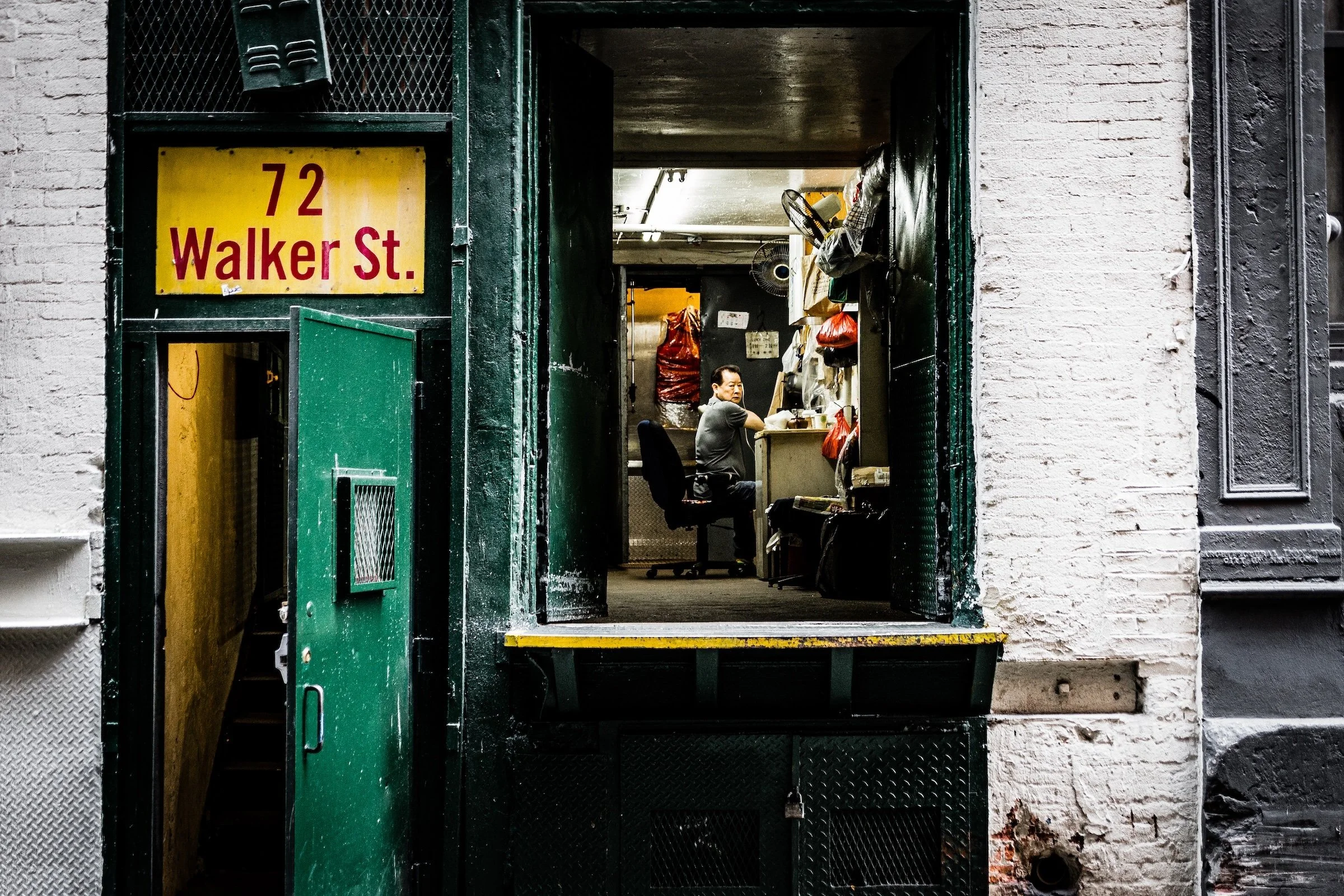
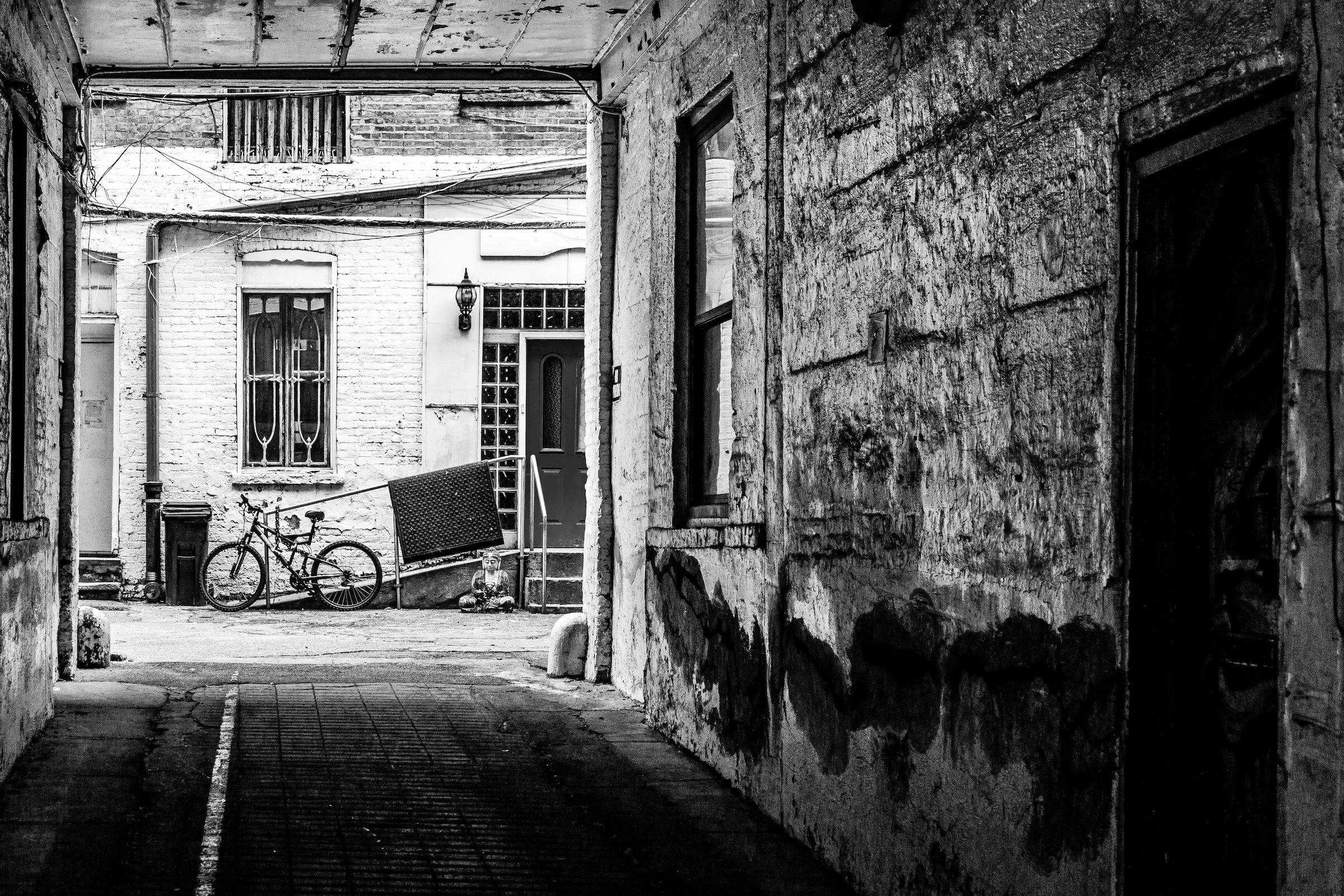
Hell's Kitchen (Clinton) - Manhattan - Driveway
A hard-edged corridor frame turns an ordinary passage into a funnel of attention. Even before the viewer knows what they’re looking for, the frame tells them: look through here; something matters on the other side.
Distorted and Distant Frames: Warps, Alignments, and “Postcard Windows”
These examples show framing that’s less about borders and more about control: shaping perception through distance, curvature, or alignment.
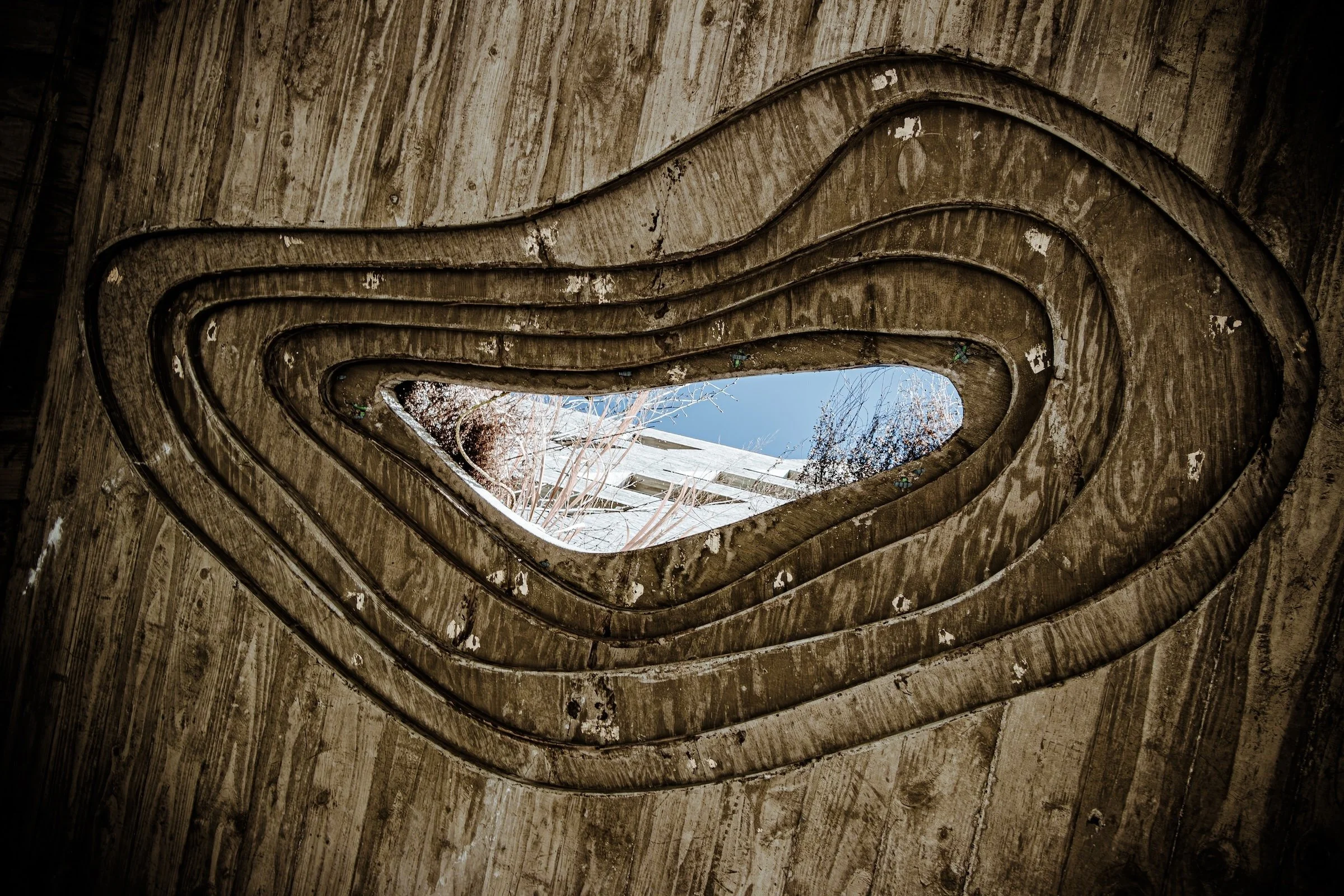
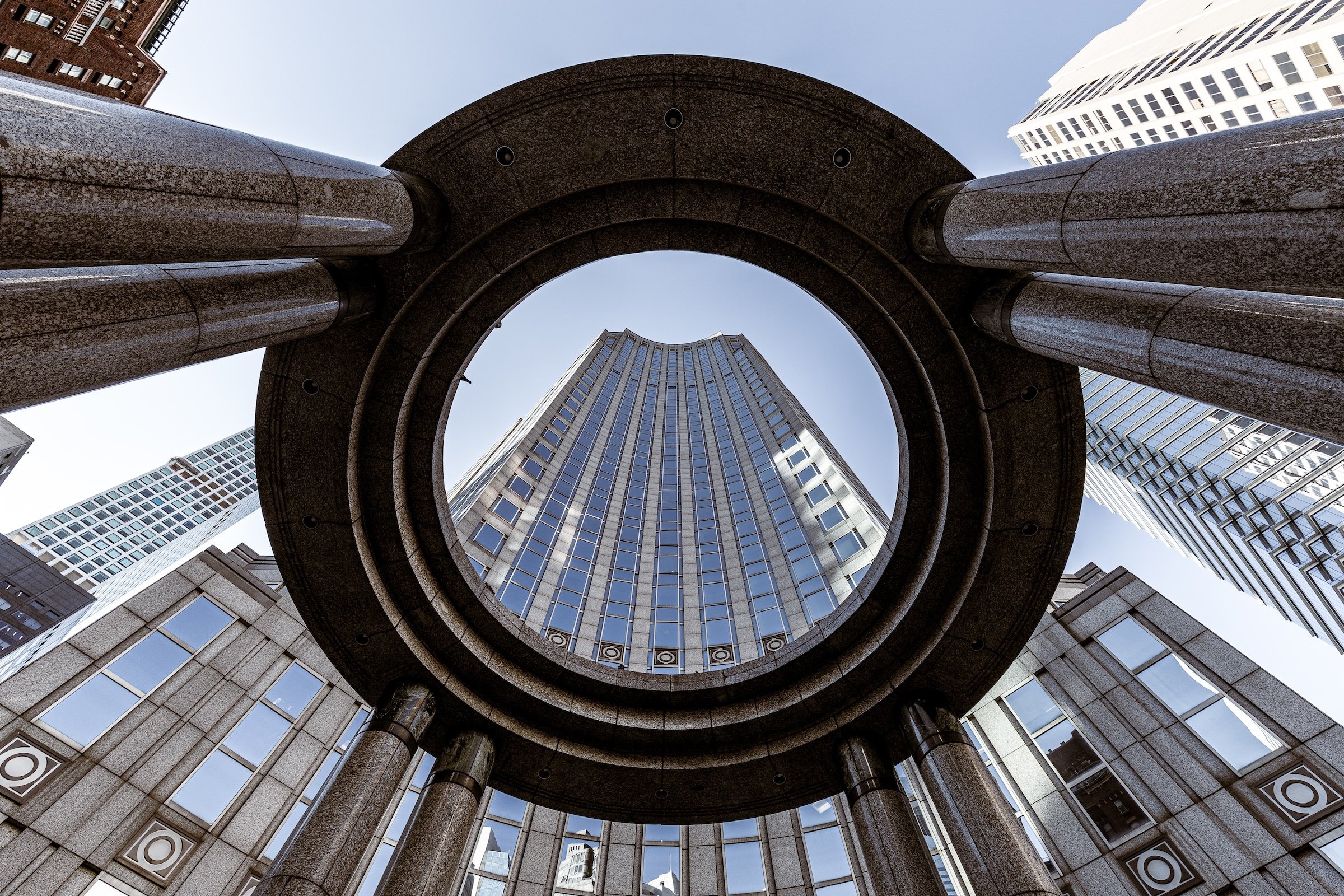
Midtown East - Manhattan - Tower Fifty Seven
The circular structure acts like a mechanical “lens hood,” turning the sky into a clean disk and the tower into a centered, rising subject. The frame is doing heavy lifting: it removes distractions and makes the vertical feel inevitable.
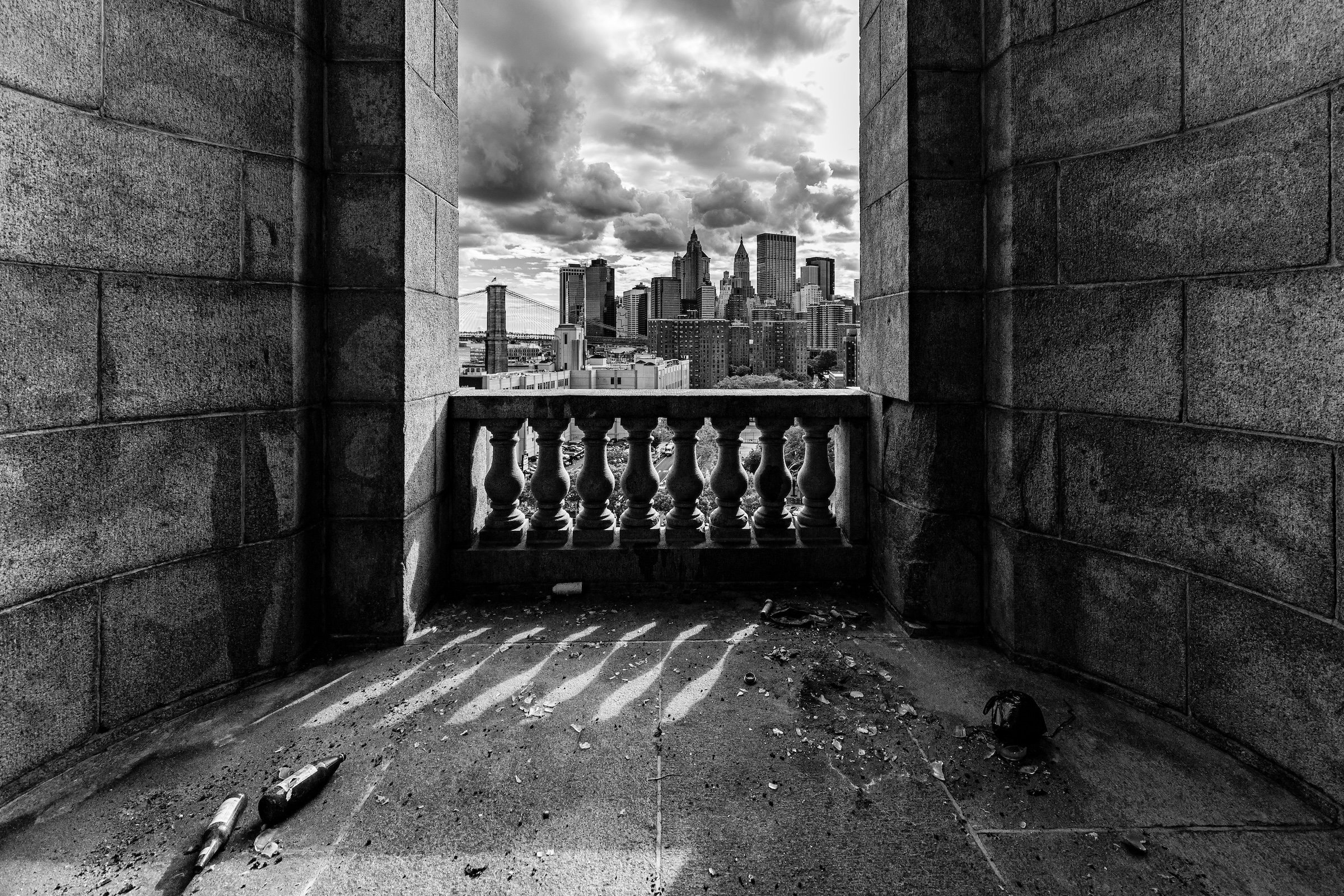
Two Bridges - Manhattan - Distant Brooklyn Bridge
Distance becomes the frame. The opening between structures compresses the bridge into a far-off icon, making the city feel like layered paper cutouts. The power is in precision: the bridge is small, but the frame makes it the point.
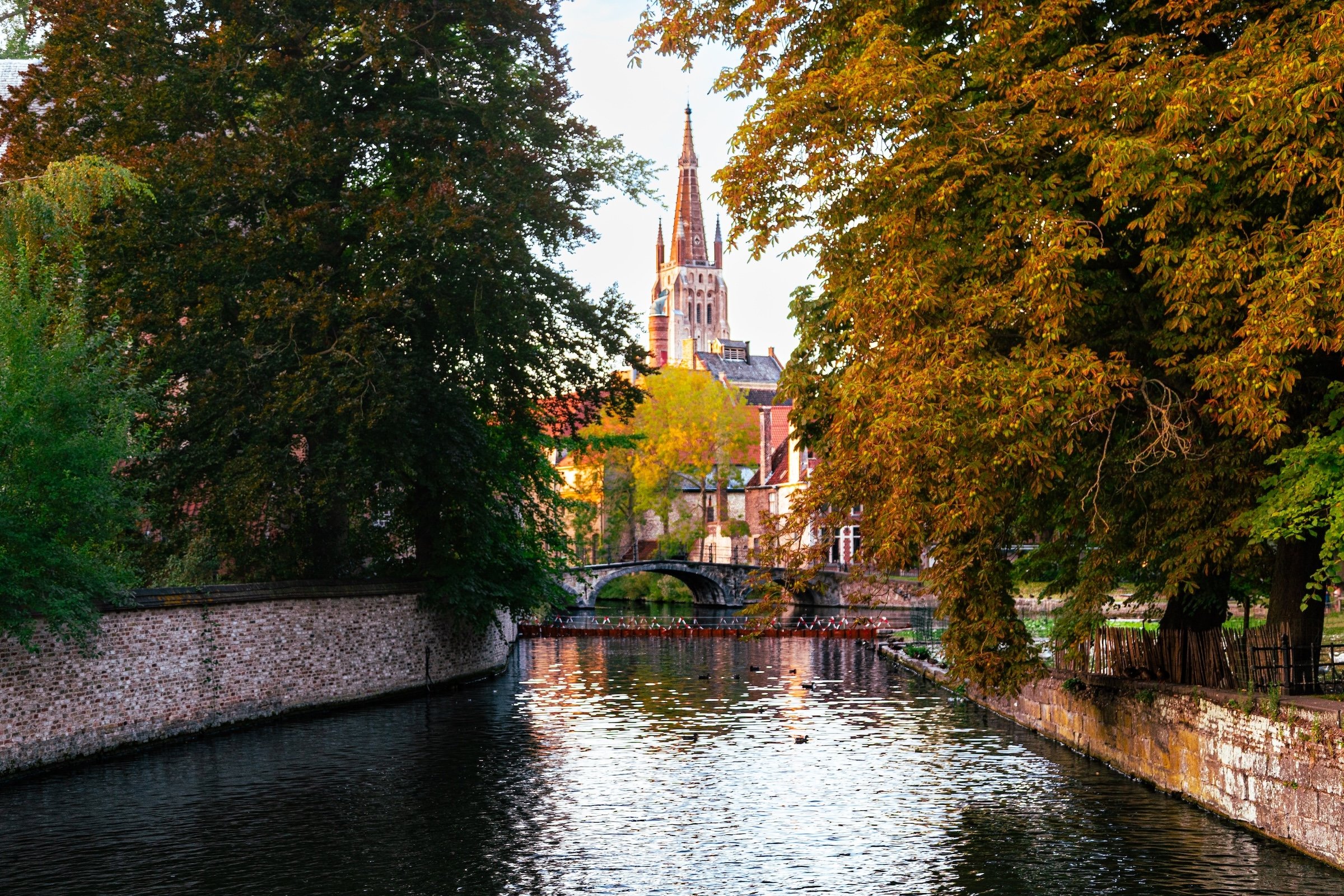
Magdalena Quarter - Brugge - A Brugge Postcard
This is framing as classic pictorial design—an almost postcard-perfect channel view that guides the eye toward the focal architecture. The frame is gentle here, built from banks and trees, but it’s still deliberate: everything points inward.
Explore Further