
Graffiti Context
Coney Island - Brooklyn - Wishes
Definition:
Graffiti Context is the practice of using graffiti not as the main subject, but as environmental language—a layer that explains where you are, what the street feels like, and what mood the scene should carry.
Usage:
Use Graffiti Context to give photographs voice. A blank wall is neutral; a tagged wall is situated. Graffiti can add narrative, tension, humor, or social texture—especially when paired with ordinary objects (a scooter, a subway sign, a fence) that become more meaningful against a loud backdrop.
Graffiti Context is also a compositional gift: it supplies pattern, color, gesture, and edge—often for free.
In Depth:
What I’m naming here is a reliable way of seeing: the street writes on itself, and your frame can treat that writing as atmosphere rather than headline.
In practice, Graffiti Context works best when you decide what role the graffiti plays:
Backdrop (sets the tone)
Caption (adds meaning to a subject)
Counterpoint (contradicts the subject in a useful way)
A few quick ways to spot it in the field:
Look for clean subject / noisy wall pairings (one calm element against expressive graffiti).
Use signage + graffiti as a “two-voice” frame (official language vs. street language).
Watch for color echoes (a subject color repeating in the graffiti binds the frame).
Keep your horizon and verticals disciplined—graffiti is chaotic; your framing should be calm.
Below are ten launch examples showing Graffiti Context as backdrop, caption, and graphic counterpoint. Each includes a brief note on what the graffiti is doing in the frame—and why it’s a strong example of the concept.
Graffiti as Stage Set:
Here graffiti builds the “set,” and the subject performs inside it.
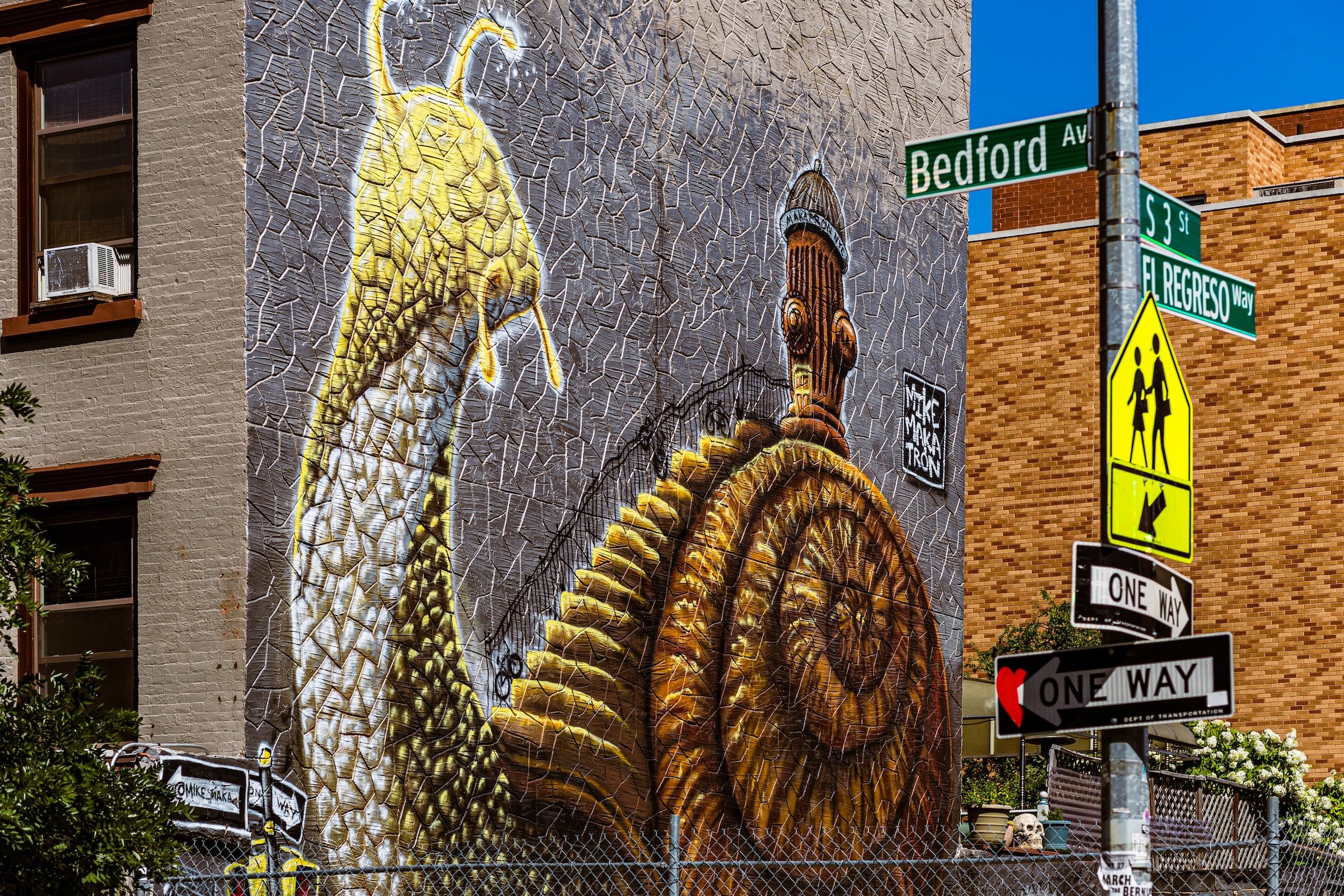
Los Sures (Southside Williamsburg) - Brooklyn - The Way
The wall supplies the mood. The framing works because the graffiti feels like the neighborhood’s voice—context first, subject second.
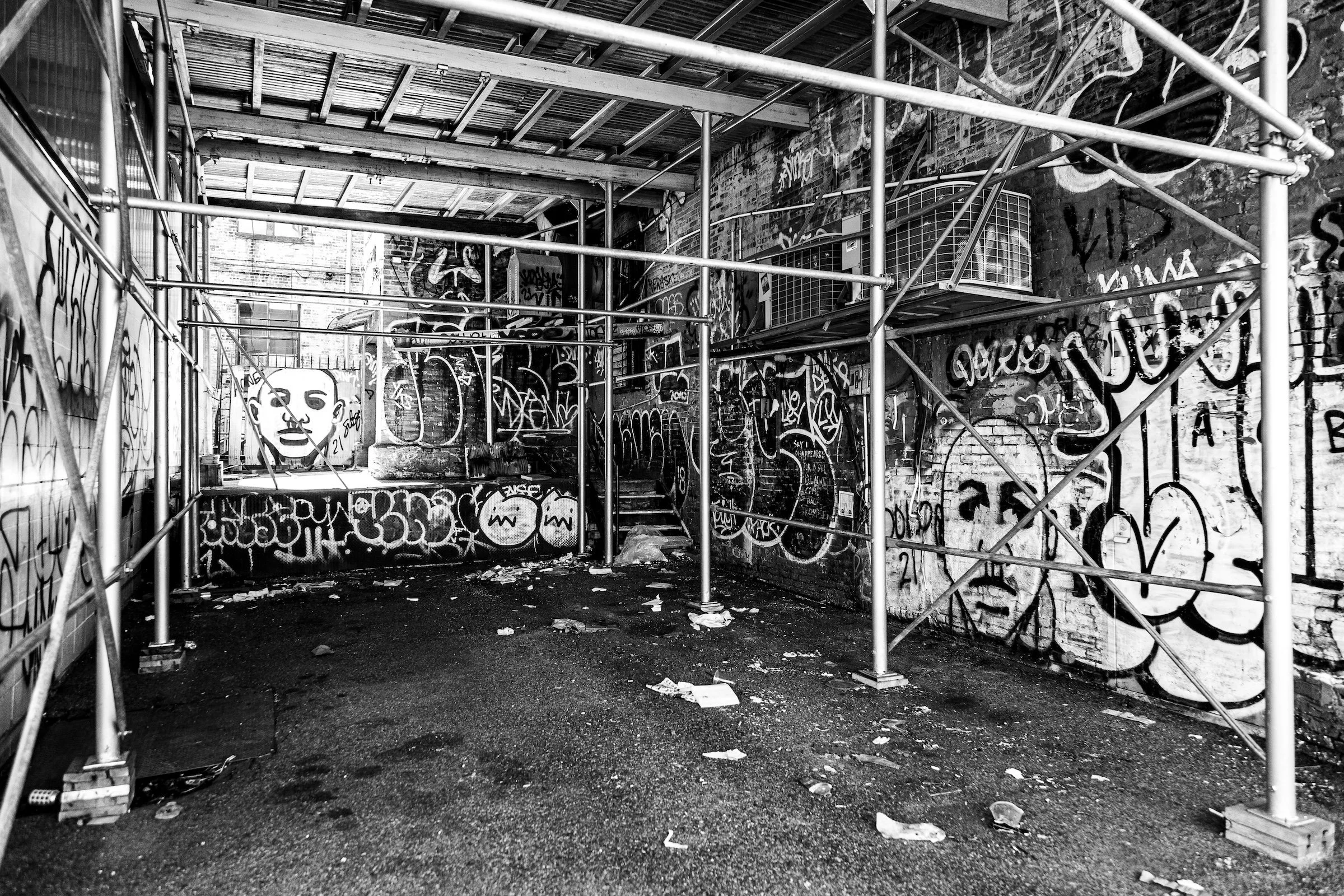
Northside Williamsburg - Brooklyn - The Watchers
When graffiti is dense, treat it like a patterned fabric: your subject should be bold enough to hold its shape against the noise.
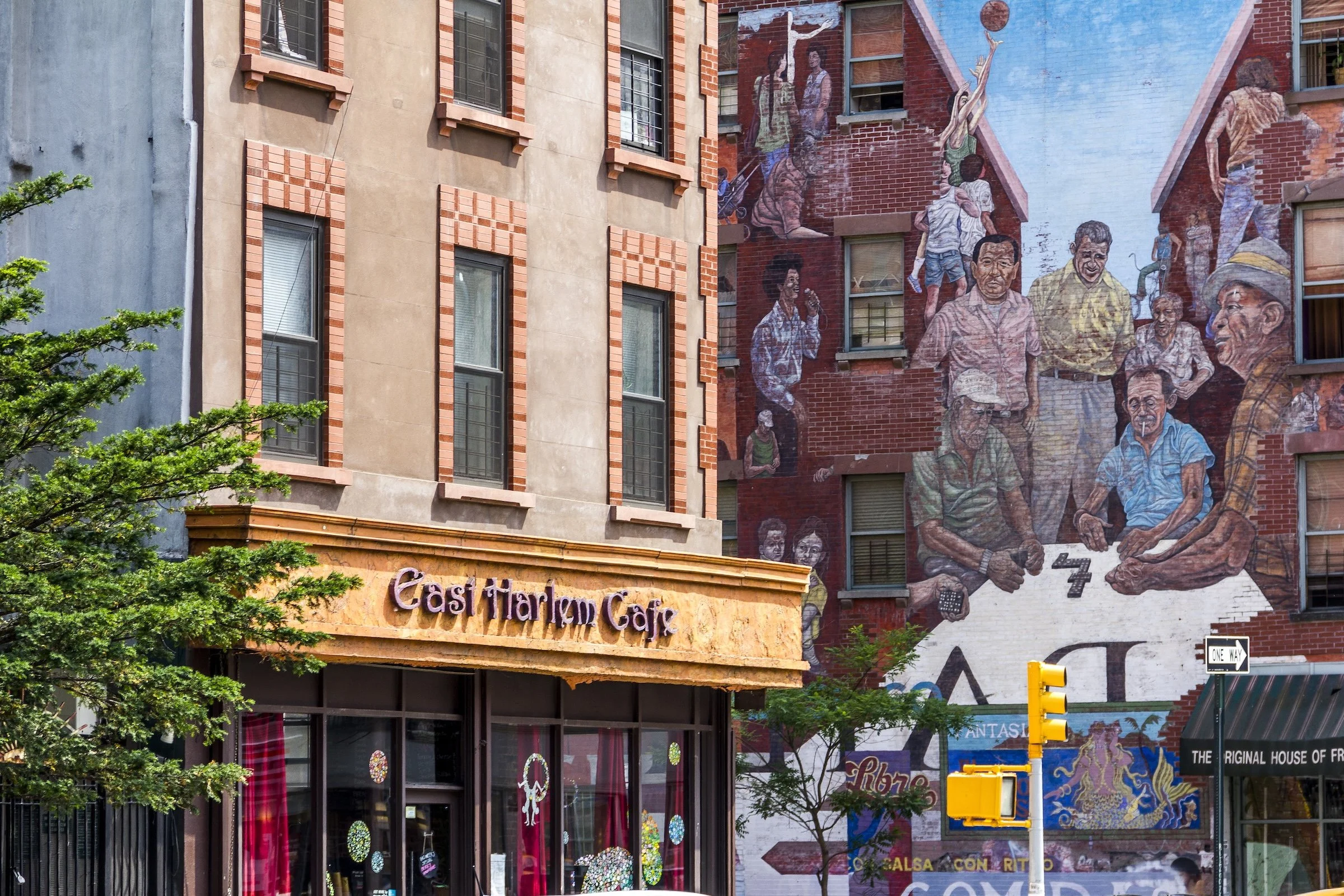
Spanish Harlem (El Barrio) - Manhattan - Cafe Mural
A mural as neighborhood stage. The trick is balancing: let the mural carry story, but anchor the frame with real-world street elements so it doesn’t float into “just artwork.”
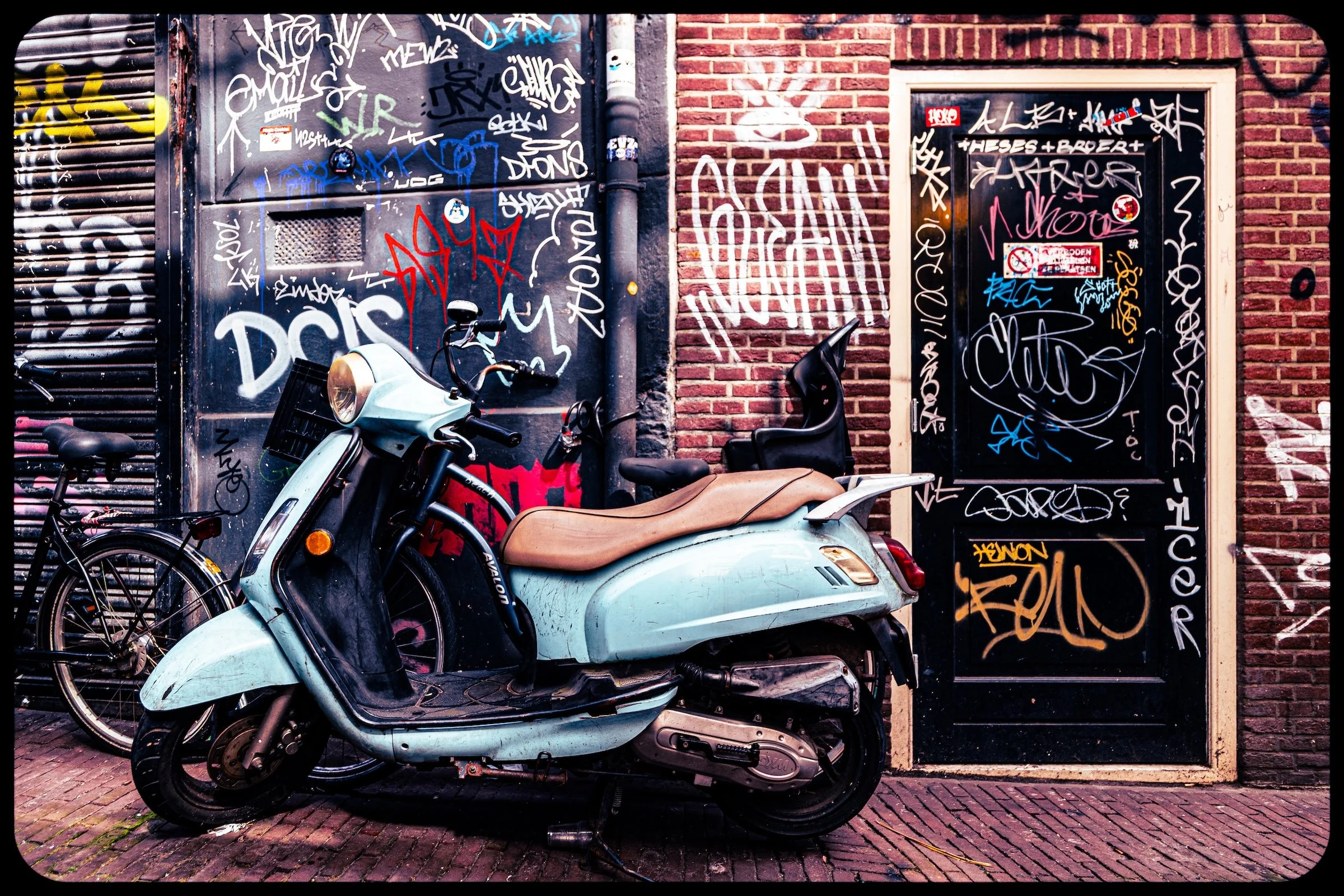
Centrum - Amsterdam - Modernity
Graffiti + urban surfaces create a contemporary texture layer that makes the scene feel current and lived-in. Keep the subject simple so the wall doesn’t overwhelm the frame.
Graffiti as Caption:
Here the writing changes how we read the subject—like a visual subtitle.
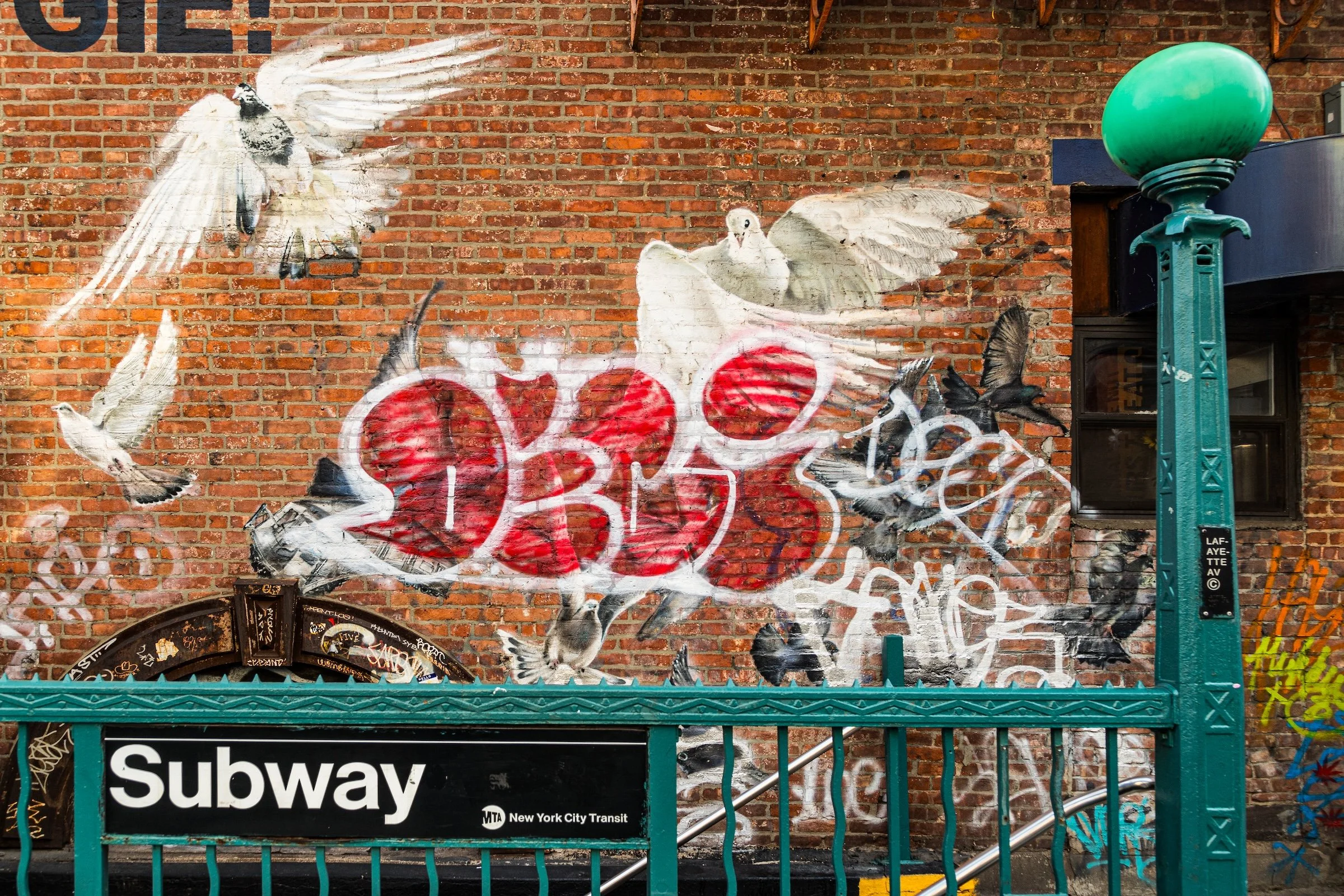
Fort Greene - Brooklyn - Subway Wings
The subway sign is functional language; the graffiti adds emotional language. Together they turn an ordinary corner into a small narrative.

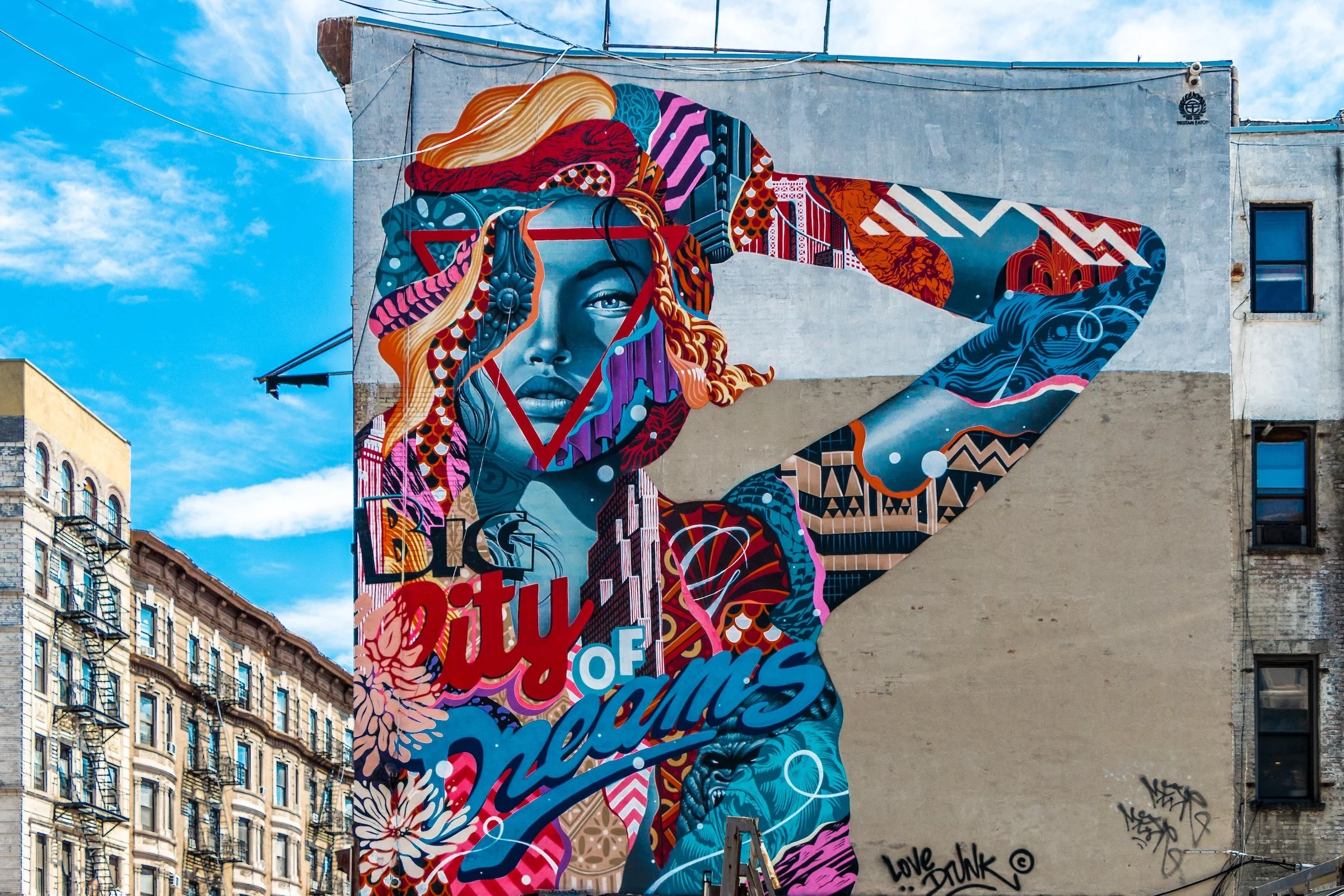
Little Italy / NoLIta - Manhattan - City of Dreams
When a mural declares something big—dreams, identity, mythology—the graffiti around it becomes commentary. The key is balance: frame so the mural reads clearly, then let the tags act as the city’s footnotes.
Dialogue Walls: When Graffiti Talks Back to Murals
In these frames, murals are the “official” voice—and graffiti is the reply scribbled in the margins.
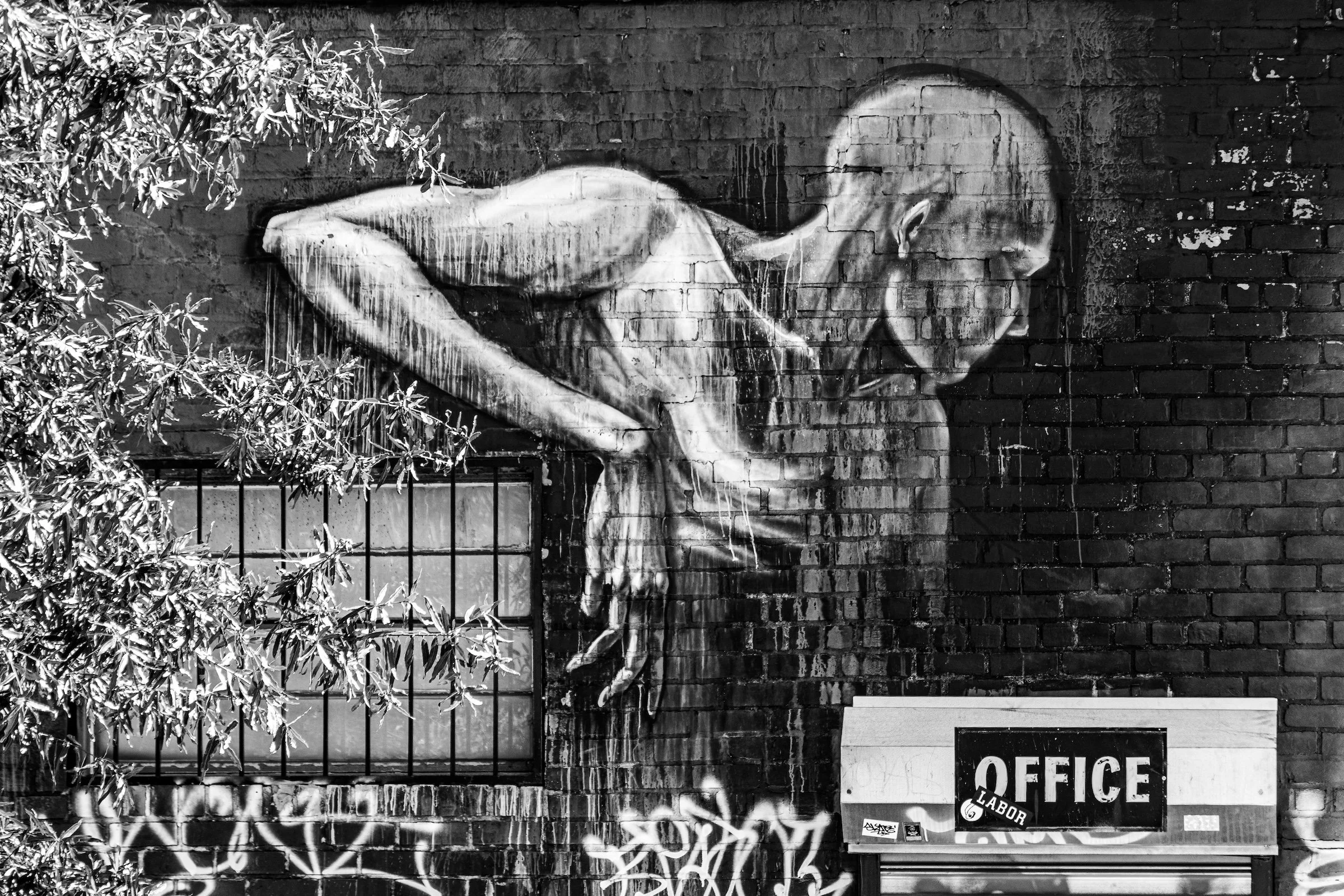
East / Industrial Williamsburg - Brooklyn - The Body
A mural figure on brick already has drama, but the surrounding marks turn it into a contested broadcast. The graffiti doesn’t just clutter the image—it adds tension, a sense of interruption, like the wall is mid-sentence.
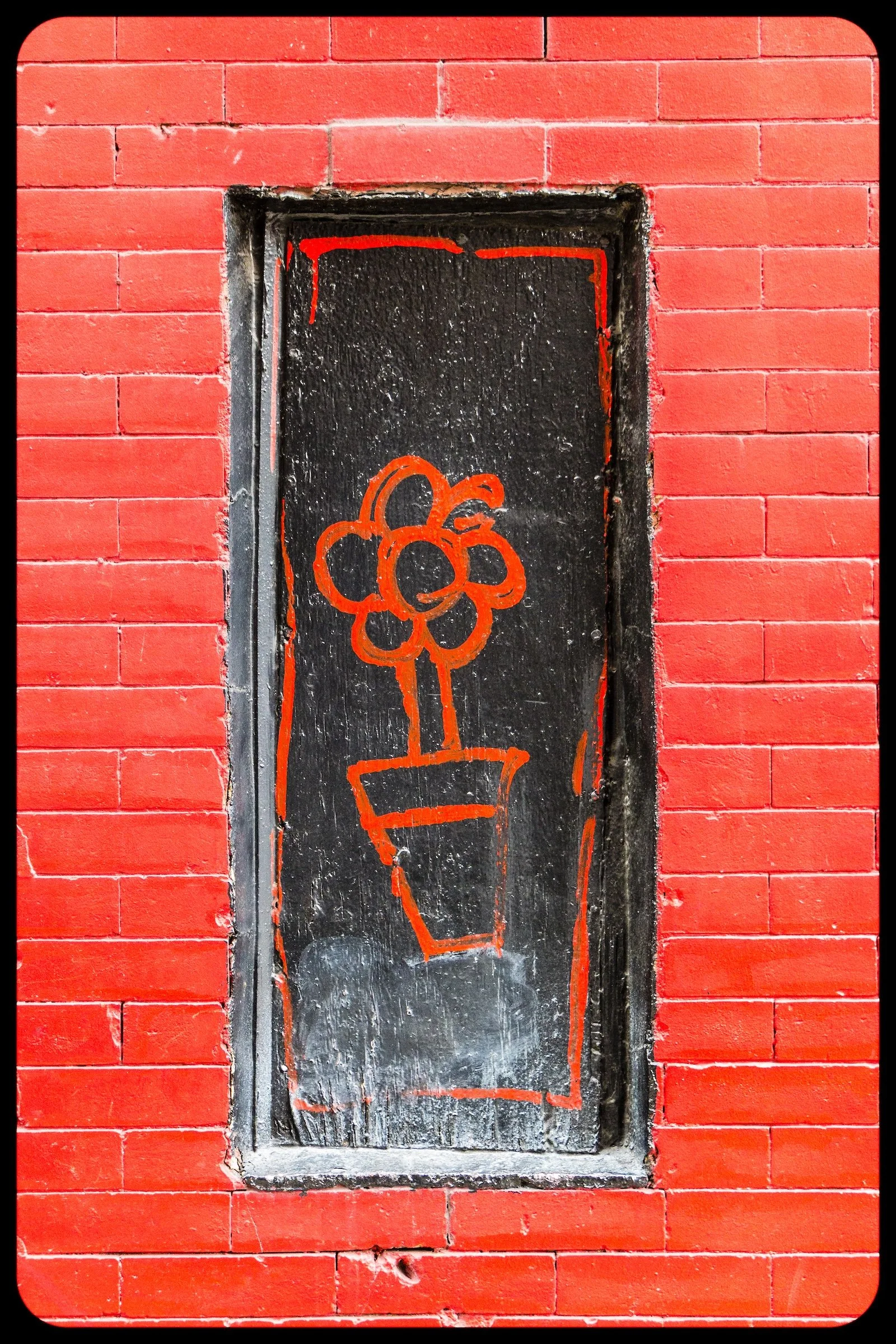
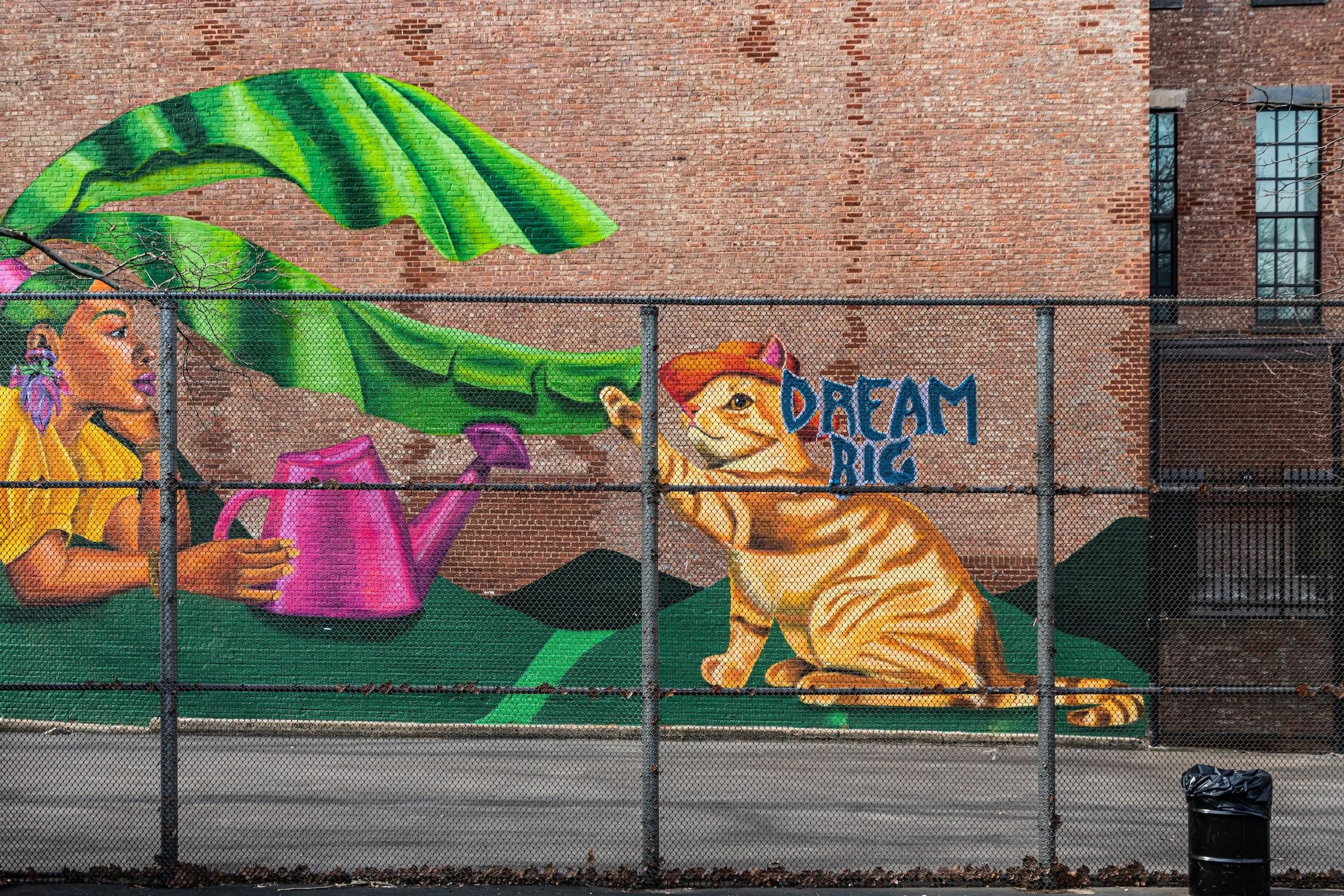
Spanish Harlem (El Barrio) - Manhattan - Dream Big
Bold text and color give the frame a directive. The photo works when you align the subject so the message feels integrated, not pasted behind it.
Explore Further