
Definition
City As Stage is the practice of composing an image so the environment behaves like a theatrical set and the subject(s) read as performers—whether they’re aware of it or not. The key is that the setting does narrative work: it cues mood, power, tension, humor, intimacy, or awe—before the subject even moves.
Usage
Use City As Stage when you want your images to feel observed rather than merely captured—as if the viewer has taken a seat and the scene is unfolding “on cue.” This is especially effective in places where the city naturally provides:
“Front rows” (cafés, benches, stoops, platforms)
“Prosceniums” (arches, columns, bridge trusses, door frames, subway entrances)
“Spotlights” (street lamps, signage, reflective spill, rain sheen)
“Audiences” (crowds, commuters, spectators, passersby who become a chorus)
In Depth
City As Stage is less about hunting “street moments” and more about designing a frame that invites a moment to arrive. The method is almost architectural:
Find the set.
Look for geometry that already implies a performance space: symmetry, a corridor, a bright rectangle, a lit threshold, a repeating colonnade. Your photo becomes stronger when the scene has an obvious “here is where the drama happens.”Choose your seat.
This is the quiet superpower. A café table facing the street is a literal seat, but so is a curb edge, a subway platform, a bench line, an underpass, a bridge walkway, the edge of a park path. Once you have a seat, you can stop chasing and start waiting.Cast the roles (without forcing it).
In City As Stage, people tend to resolve into readable parts: performer, audience, chorus, cameo, understudy. Your job is simply to hold the frame long enough for those roles to become clear.Light is your director.
Harsh sun can be a spotlight. Overcast can be a softbox. Neon can be footlights. Rain is basically a whole lighting department in liquid form. If the light is doing something theatrical, lean into it: expose for the “stage,” then let everything else fall where it may.Process for intention, not polish.
This approach often benefits from targeted clarity and contrast where the action lives and slightly quieter tonality in the supporting set—so the viewer’s eye reads the scene the way you experienced it: stage first, then story.
Common pitfalls (and how to dodge them)
Too much set, not enough performance: simplify the frame until you can name the performer.
Too much performance, no stage: pull back or reposition until the environment becomes a character too.
Everything is equally loud: decide what’s stage, what’s performer, and what’s audience—then process accordingly.
Front Row Seating
These are scenes where the city offers a viewing position—benches, platforms, or the natural pause points where people watch other people.
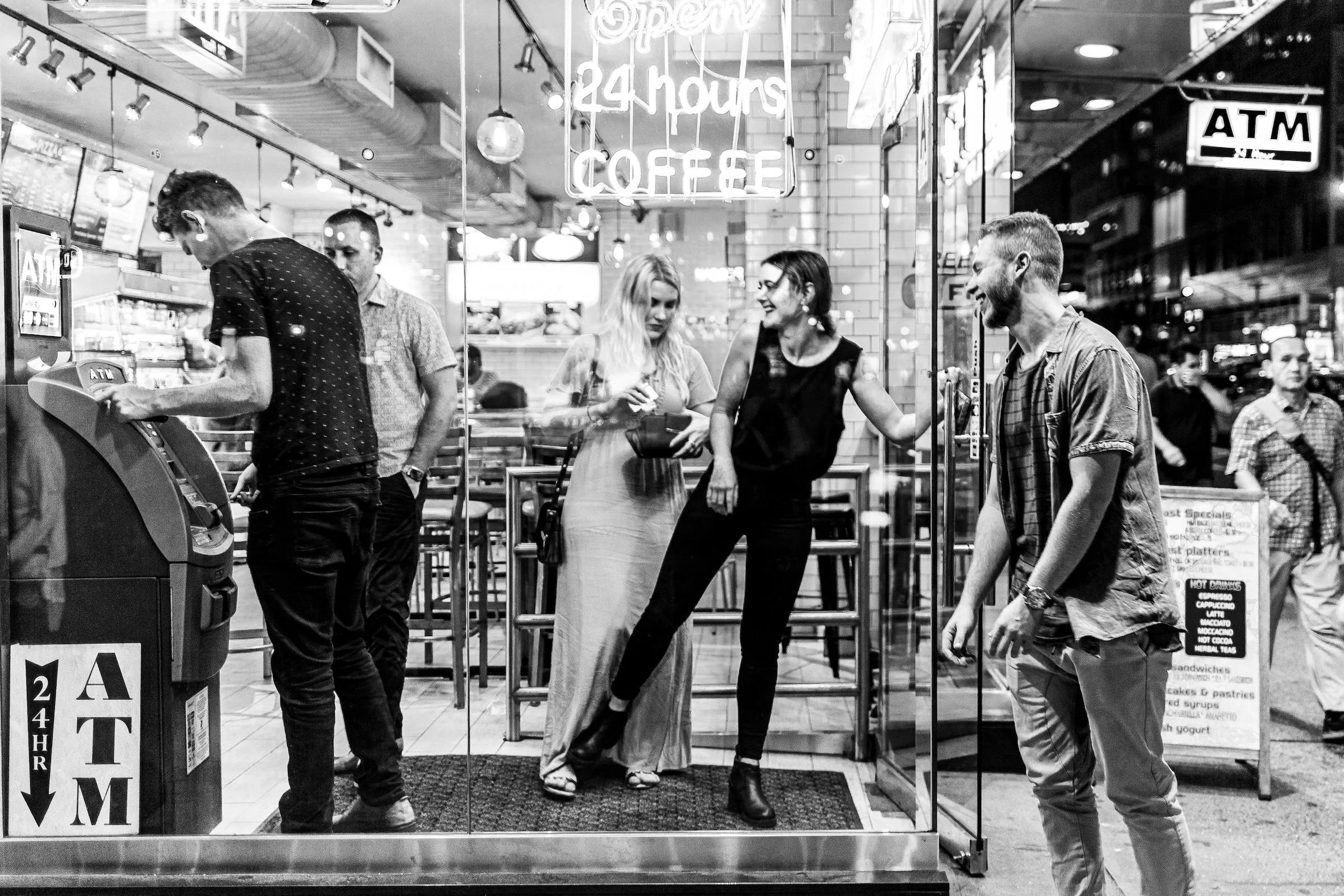
Hell's Kitchen (Clinton) - Manhattan - Carve Café
A literal front row: glass, signage, interior glow. The café reads like a warm proscenium where the inside and outside exchange roles—patrons become performers for the sidewalk, and the sidewalk becomes the show for those inside.
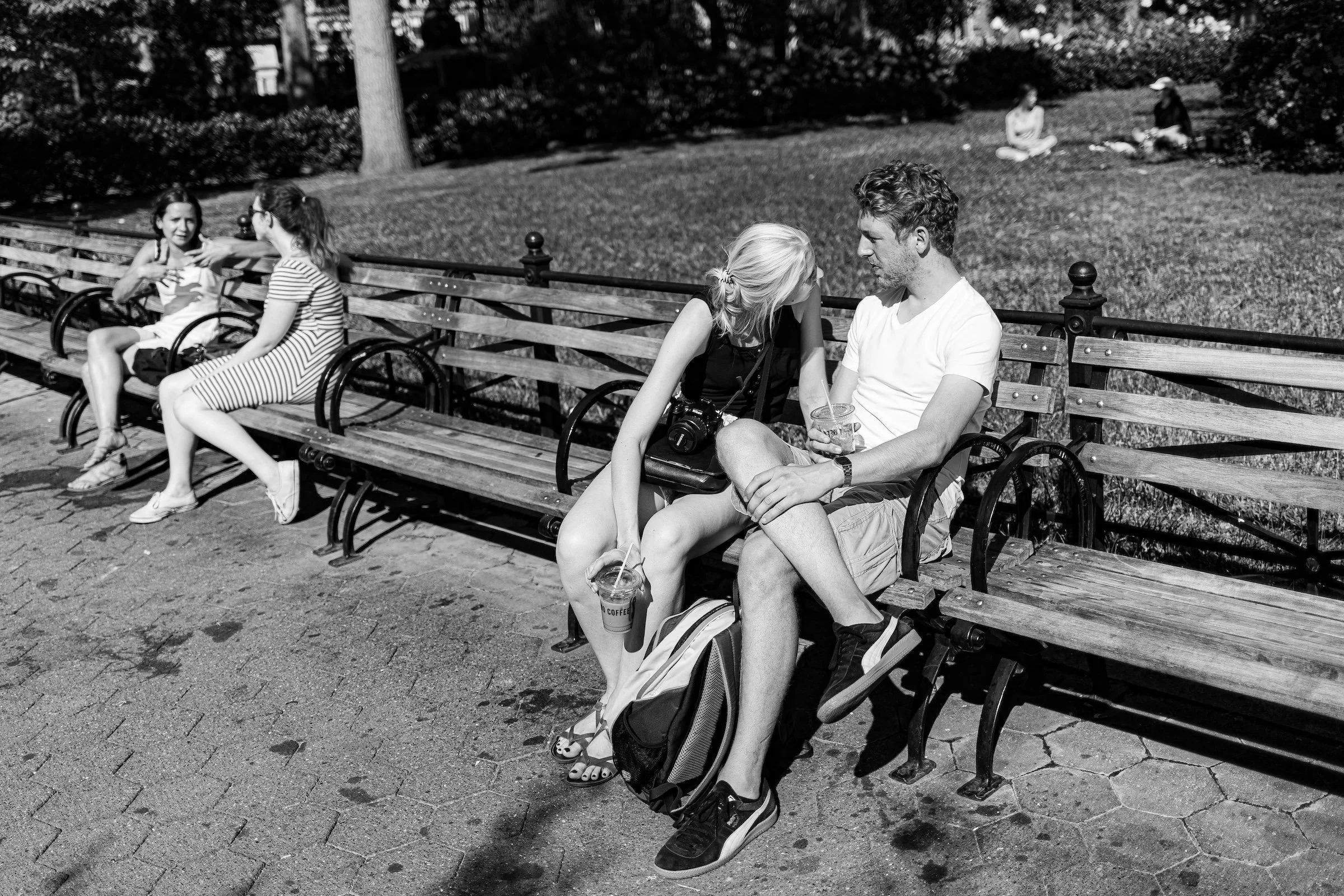
Union Square - Manhattan - Couples
Benches are understated theaters. The long horizontal line creates a stage edge; the couple becomes the scene; everyone else becomes supporting cast. The city’s job here is to give intimacy a public frame.
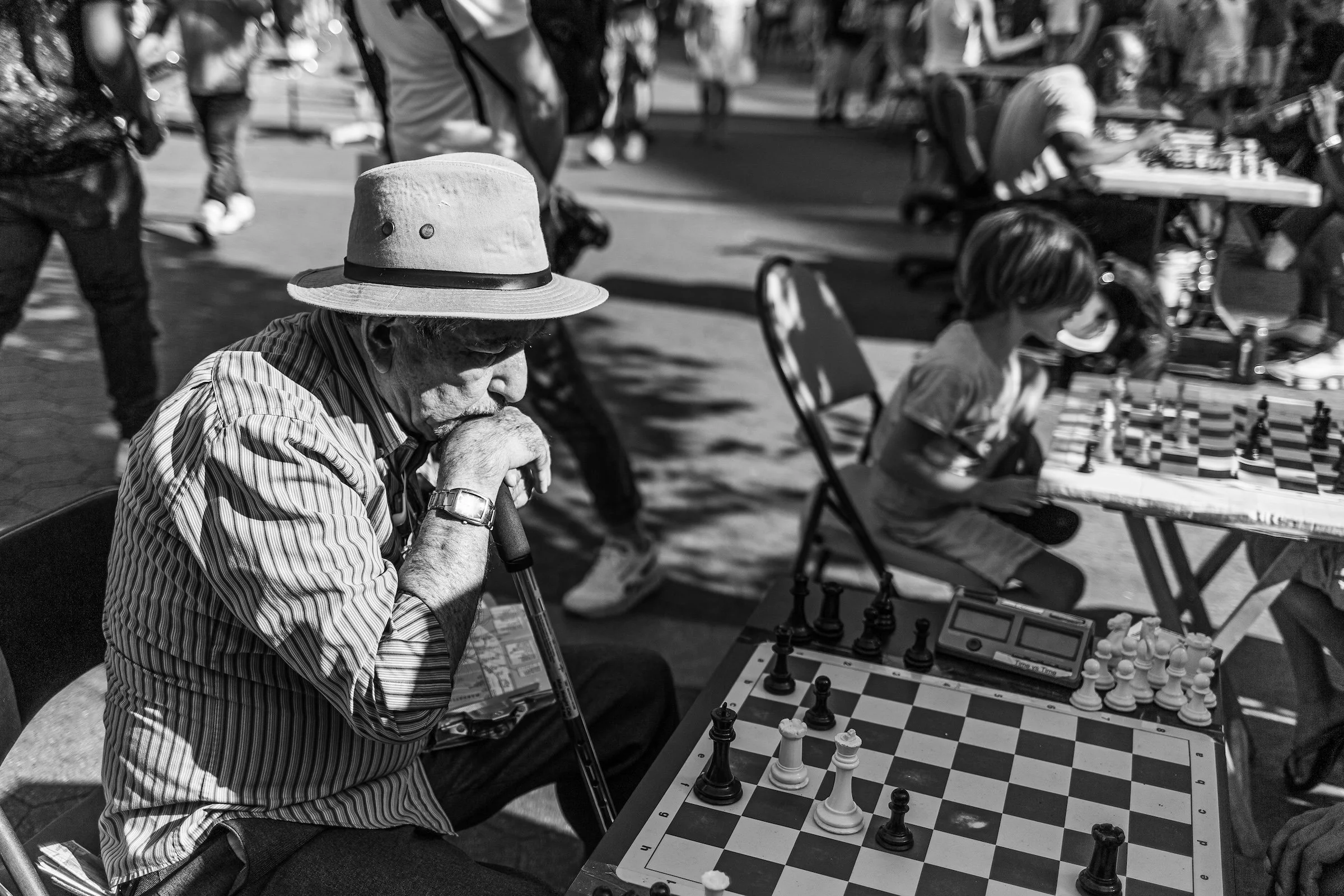
Union Square - Manhattan - Beginning, Middle, and Endgame
Chess tables are perfect stagecraft: props (the board), ritual (the game), and spectators who drift in as an audience. The “performance” is not only the match—it’s concentration, posture, patience, time.

Downtown Flushing - Queens - Main St
A subway platform is a waiting room with choreography. Motion blur turns the train into a moving curtain while the people remain grounded, like actors holding their marks between scene changes.
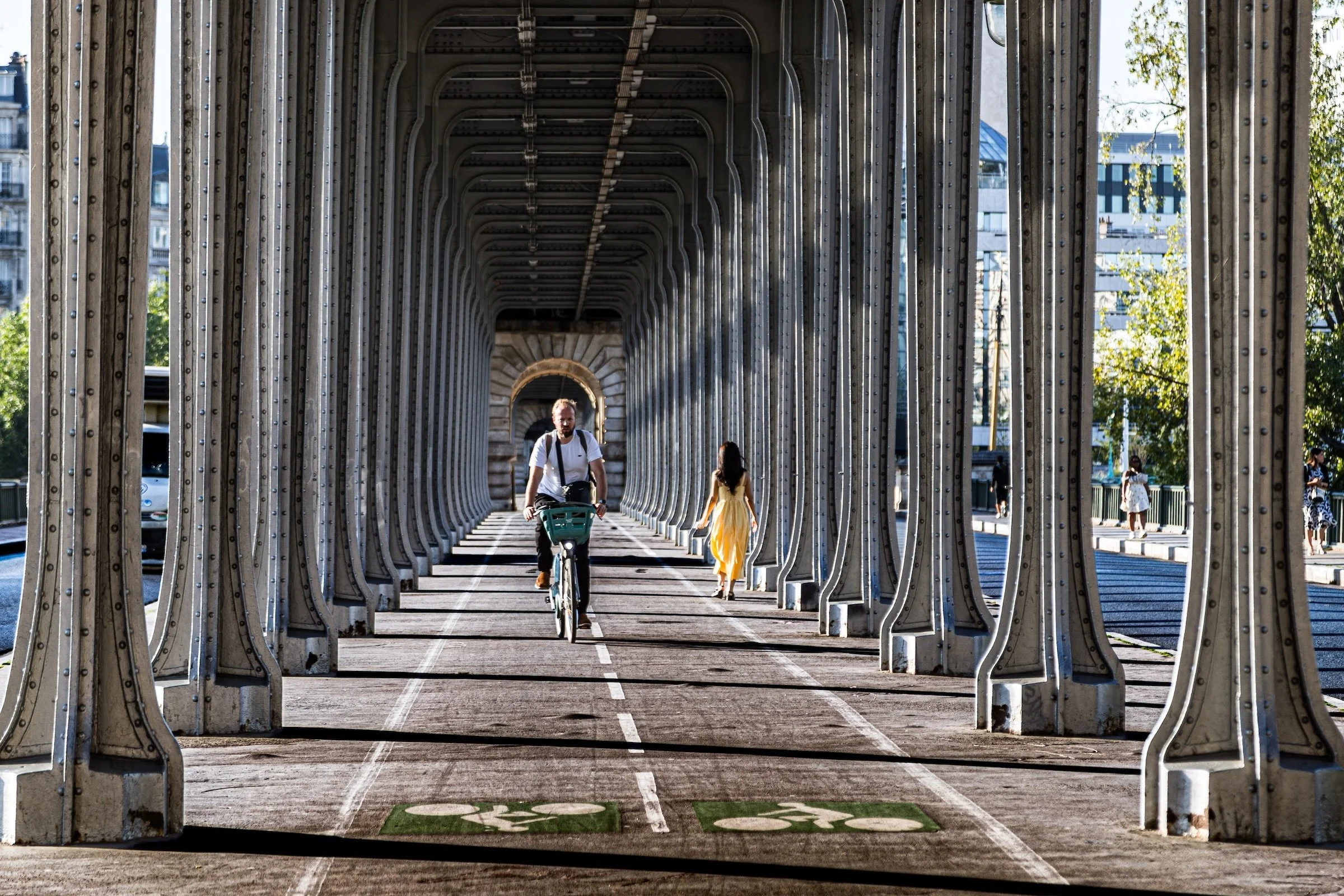
Prosceniums and Corridors
Here, the city supplies theatrical framing devices—arches, trusses, repeating columns—so the action reads as if it’s happening “inside” a constructed space.
Spotlights, Entrances, and Urban Drama
These images use the city’s lighting (and its thresholds) as a director: entrances glow, street sheen reflects, iconic forms loom—yet the human moment remains the punchline.
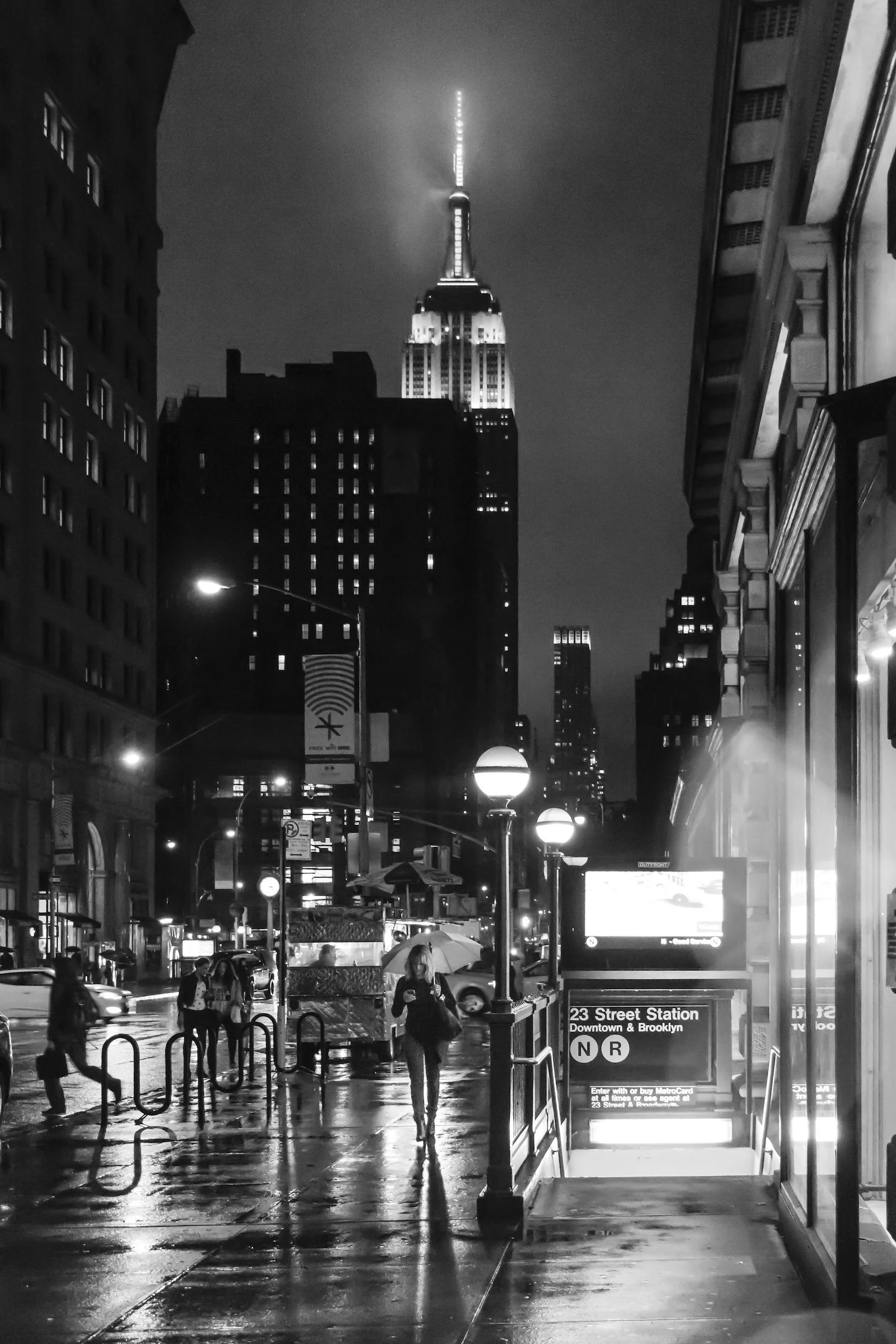
Flatiron District - Manhattan - 23 Street Station
The illuminated subway entrance is a spotlight in plain sight. The skyline (and that famous tower above it) is the grand set, but the real drama is the solitary figure moving through a lit threshold—an instant where the city feels mythic and personal at the same time.
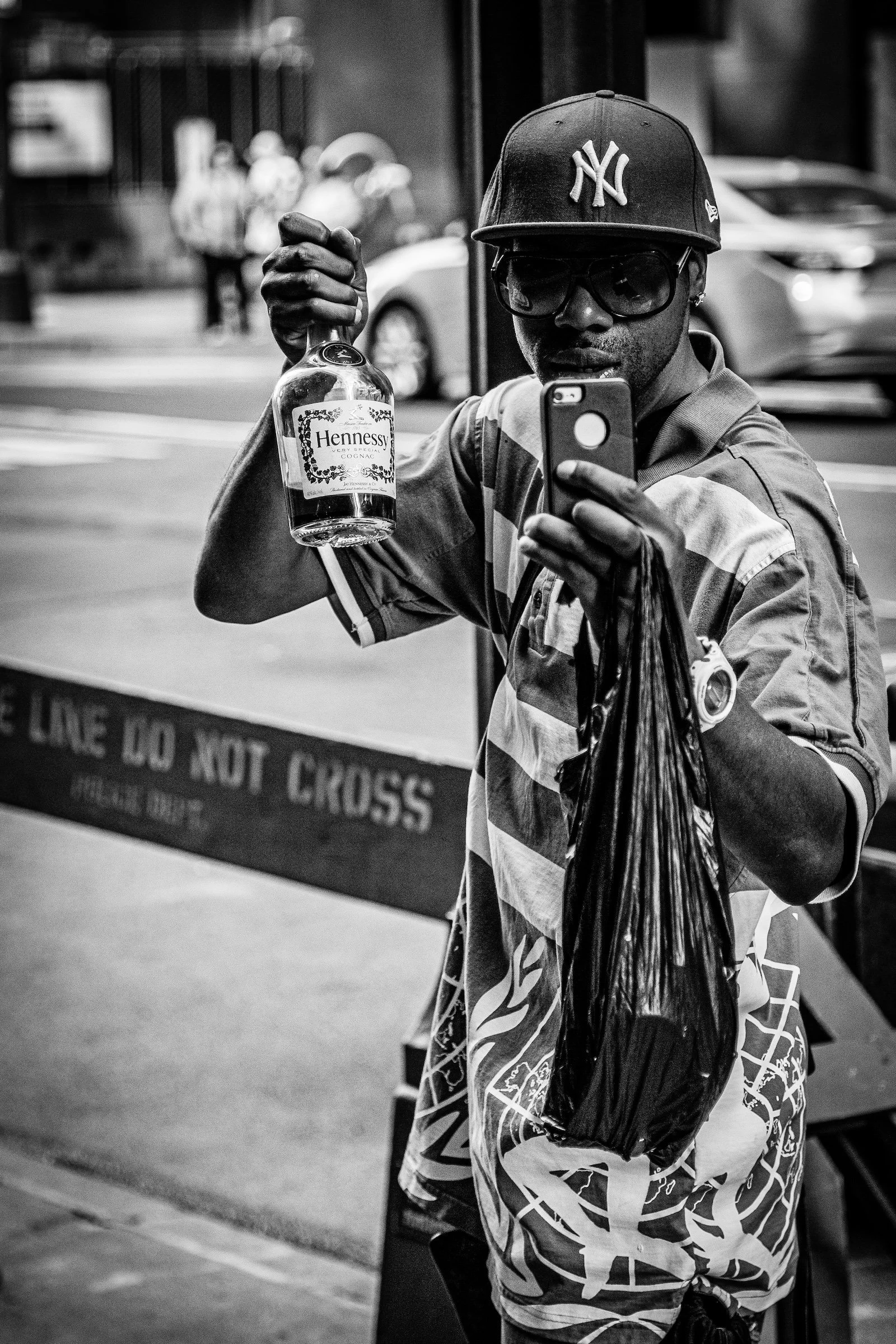
Midtown East - Manhattan - That's The Spirit
A portrait that feels like a close-up on stage. The subject holds the frame with a directness that’s performative without being artificial—supported by the city’s textures and implied noise just outside the crop.
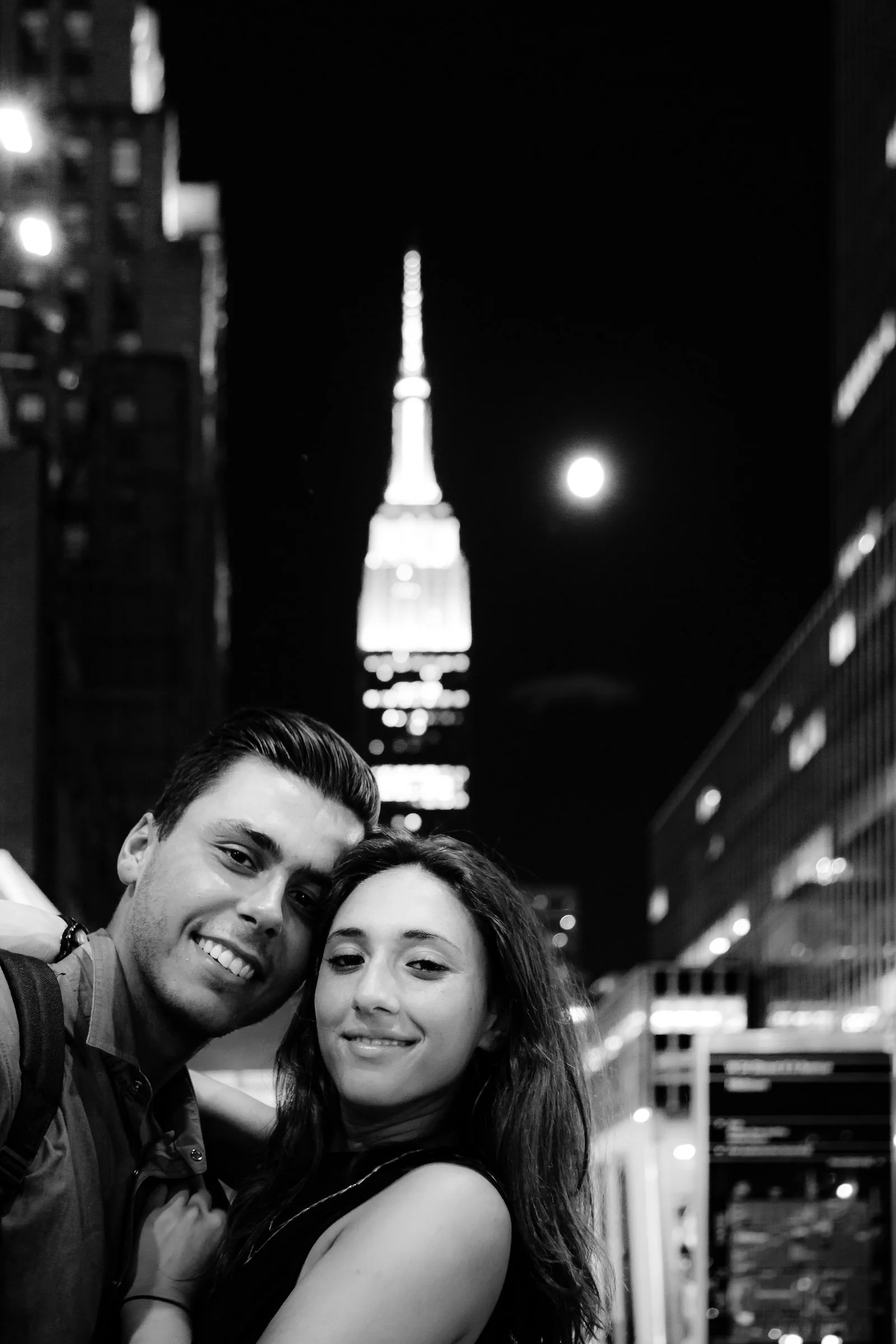
Penn District - Manhattan - Between The Moon And NYC
A modern ritual: the city as monument, the couple as performers, the moon as a silent prop. This turns sightseeing into theater—everyone knows the script, yet the tenderness feels unscripted.
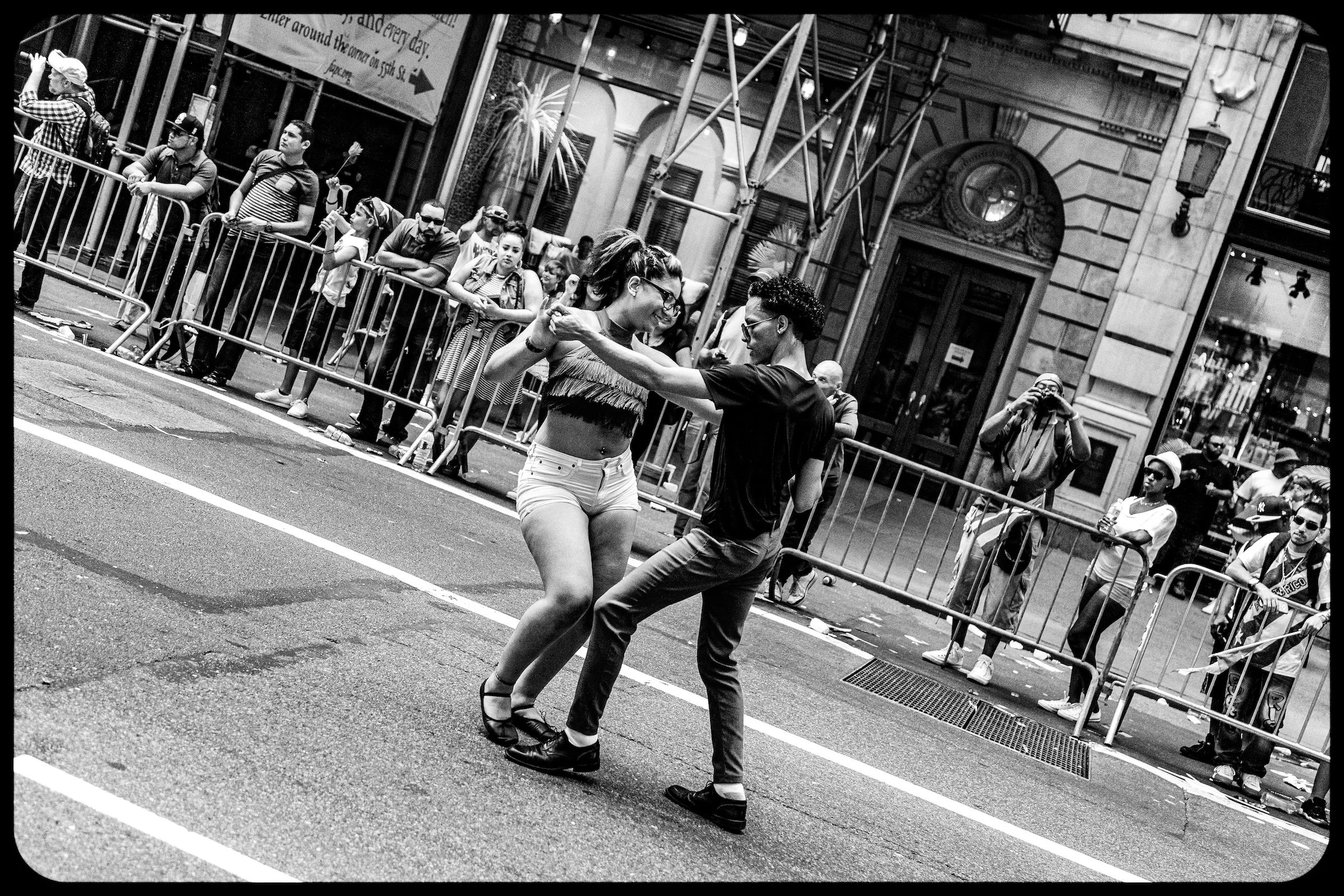
Midtown East - Manhattan - For the Joy Of It
Street dancing is the obvious performance, but the stage is the whole arrangement: the open pavement, the spectators, the implied music, the moment of lift. The image works because the city gives permission for play.
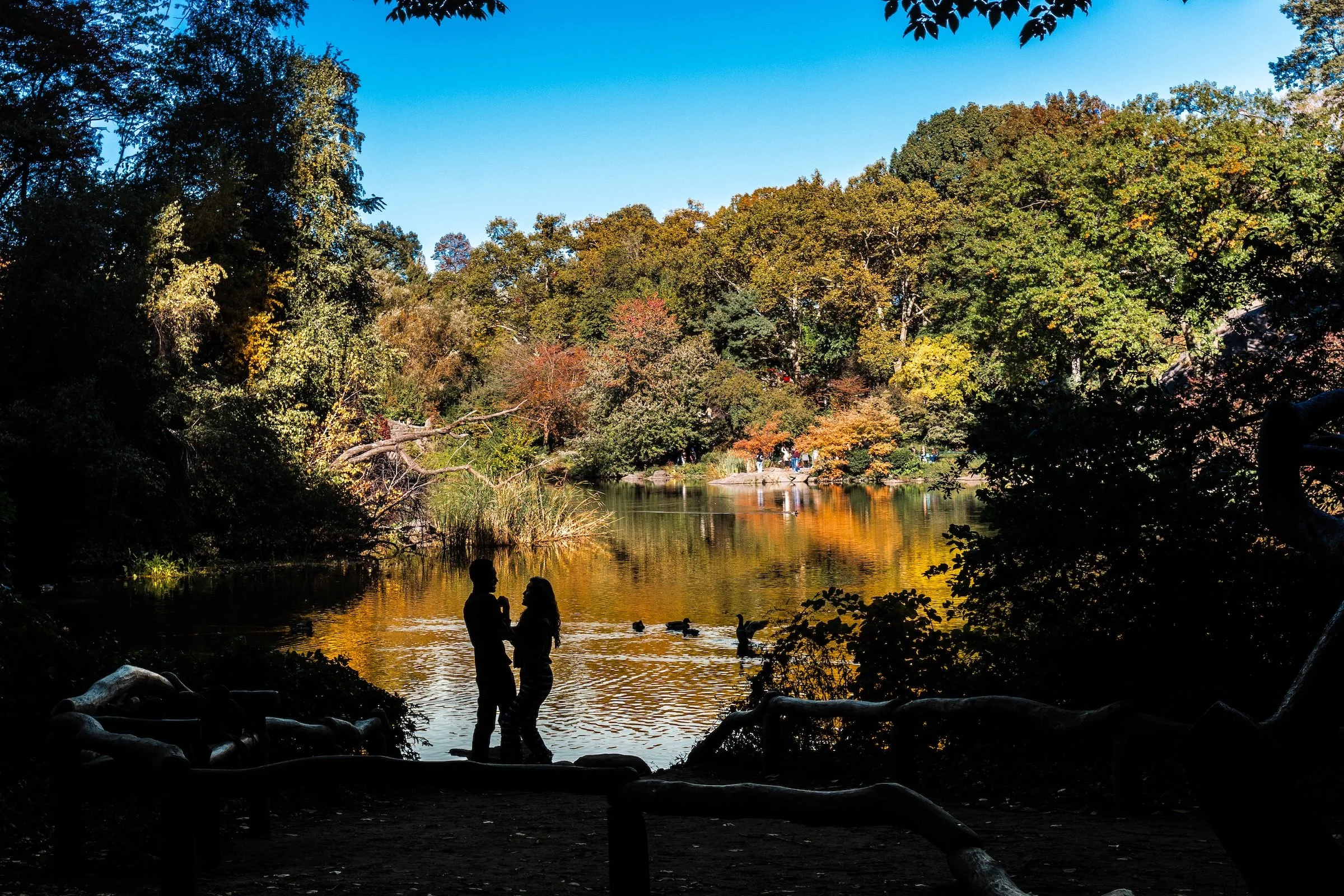
Central Park - Manhattan - Happy Autumn
Even nature in the city becomes a theater when framed with intention: a darkened foreground like orchestra seating, a glowing lake like footlights, and silhouettes that read as actors against an autumn set.
Explore Further