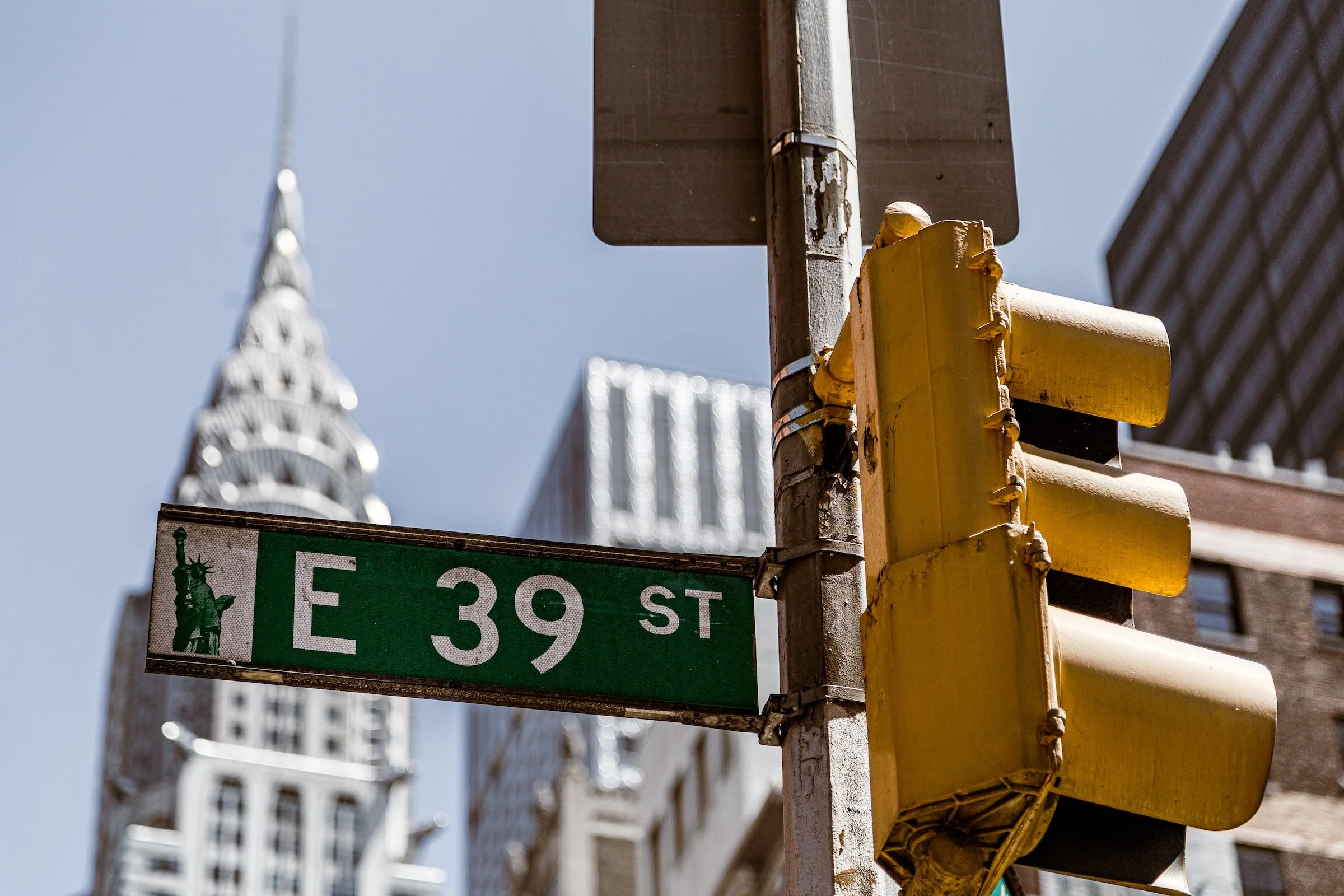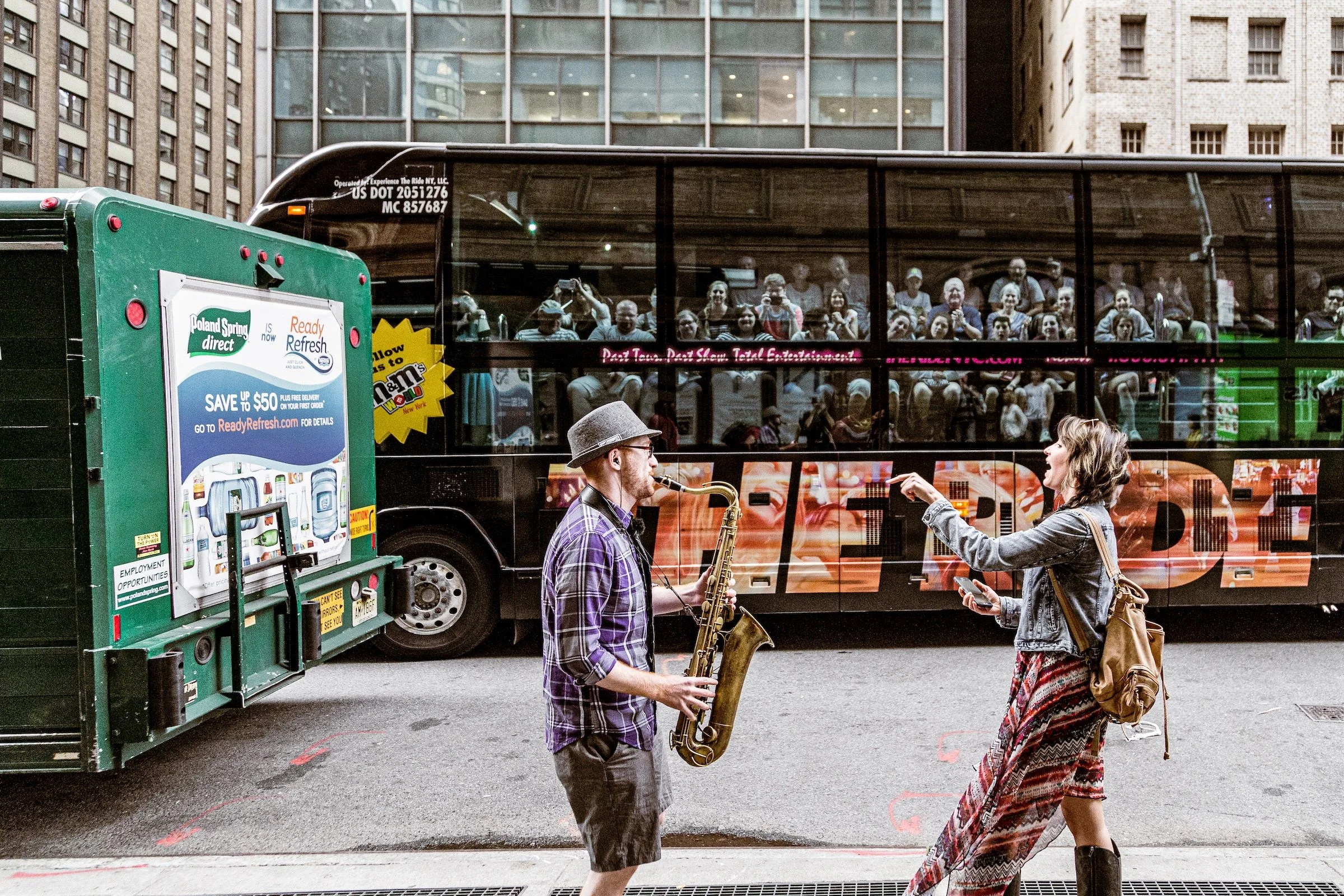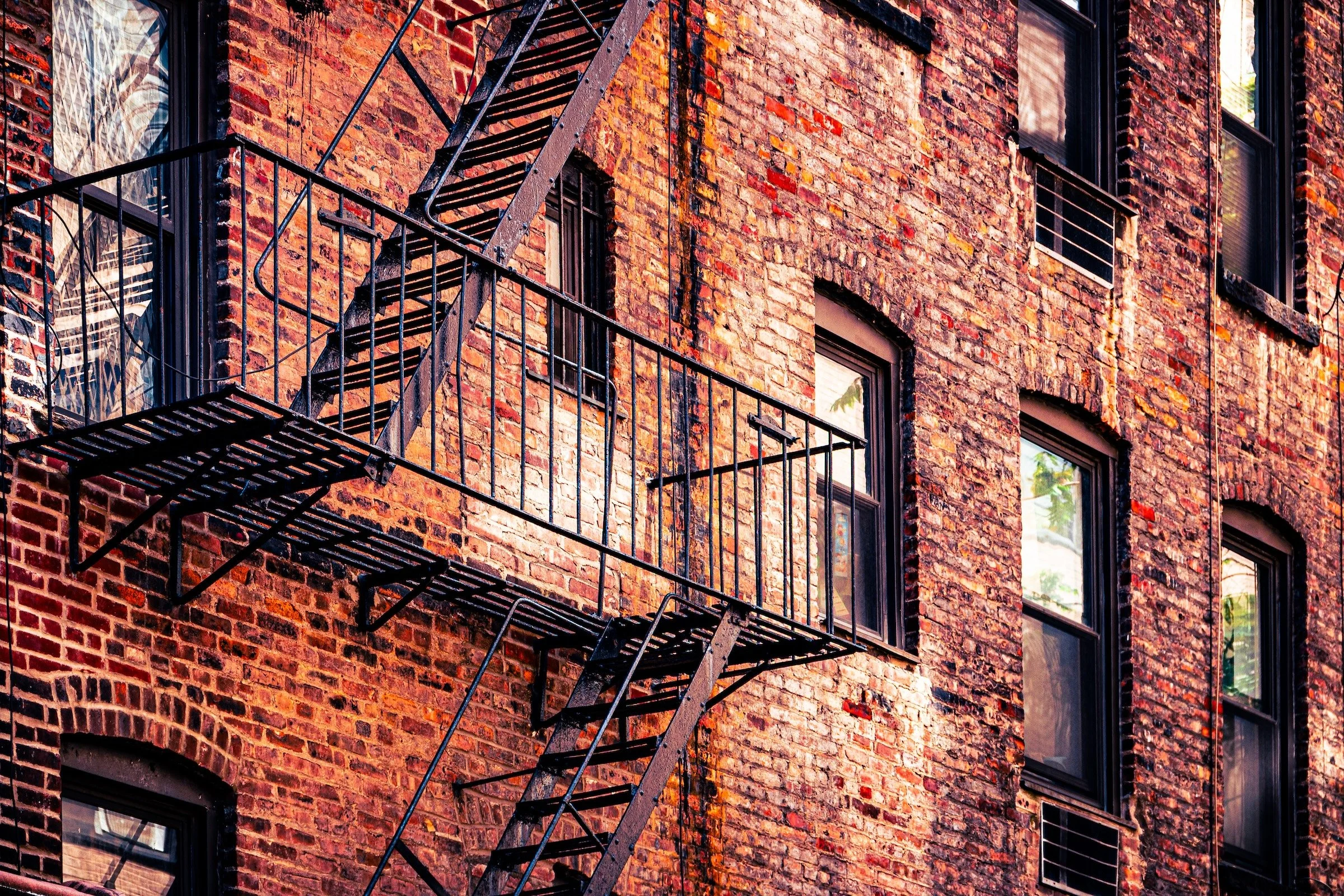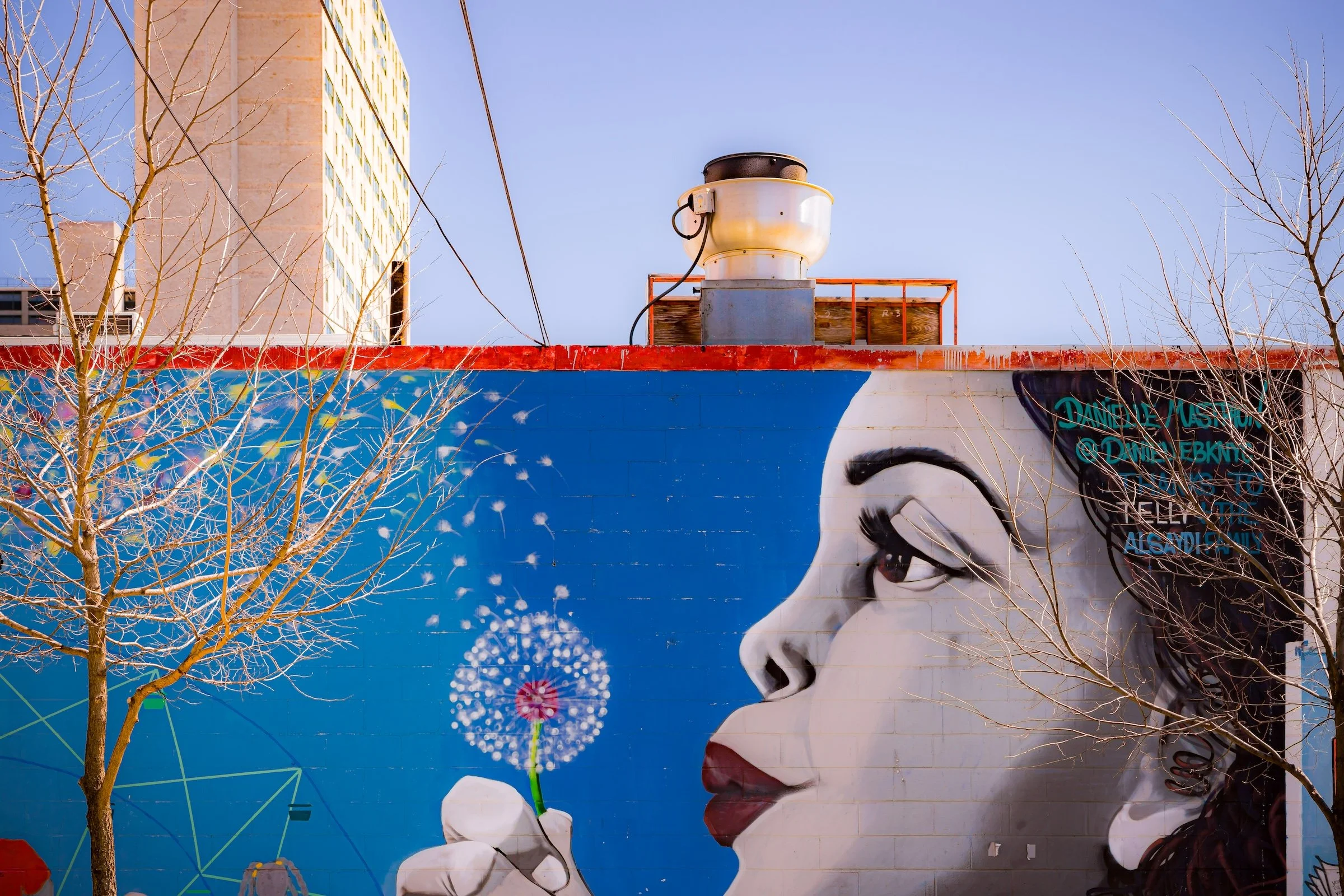

Companions & Juxtapositions
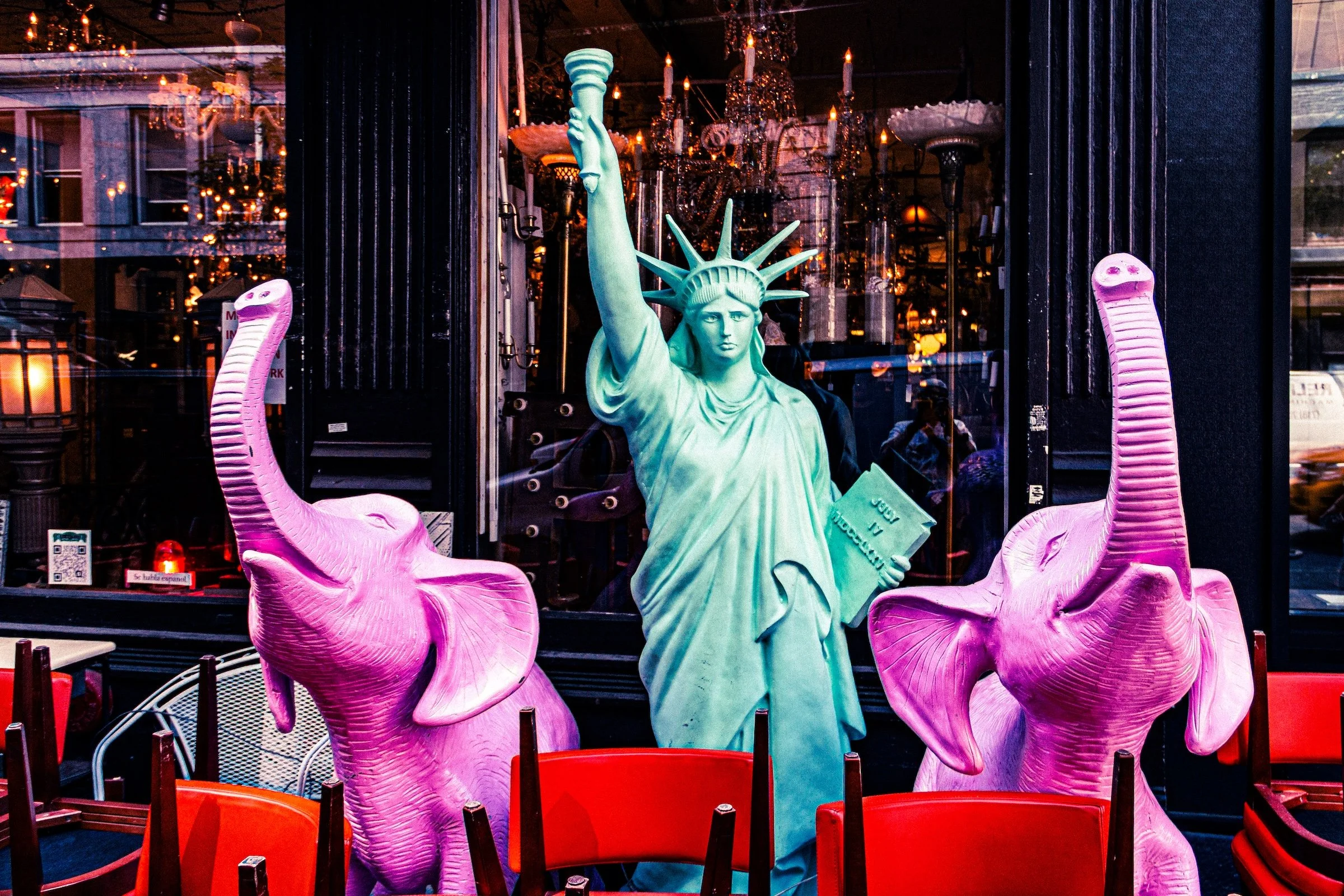
Alphabet Village - Manhattan - Red & Green
Definition:
Companions & Juxtapositions are frames built around two (or more) elements that “talk” to each other—through contrast, echo, irony, tenderness, or tension. The power isn’t in either subject alone; it’s in the relationship you trap inside the rectangle.
Usage:
Use this strategy to create instant narrative. A juxtaposition can:
turn a documentary scene into a mini-story
make familiar places feel surprising again
add humor, tenderness, or unease without needing captions
This is also one of the most human Lexicon strategies: it rewards patience, empathy, and the willingness to notice small dramas happening at street level.
In Depth:
Juxtapositions come in a few dependable species:
Figure-to-figure (a person paired with a mannequin, a statue, a mural character)
Living-to-nonliving (animals, birds, people in dialogue with objects)
Human-to-cosmos (moon, planes, weather—something vast intruding on the everyday)
The craft is less about “finding weird things” and more about composing the relationship so it reads clearly. If the pair is the point, then your job is to remove anything that dilutes the conversation.
A few quick ways to spot them in the field:
Look for faces (real, drawn, sculpted, printed) near each other—faces create instant narrative.
Watch for scale mismatches: tiny vs. huge, everyday vs. monumental.
Use clean spacing between the paired elements so the viewer understands the connection.
Be ready: these moments are often brief—one step, one glance, one passerby changes everything.
Below are ten launch examples that show Companions & Juxtapositions across street scenes, monuments, storefronts, and sky intrusions. Each image includes a brief note on what the pairing is doing in the frame, and why it’s a strong example of the concept.
Companions in Plain Sight:
These frames feel like the city accidentally staged a scene—two presences sharing one moment.
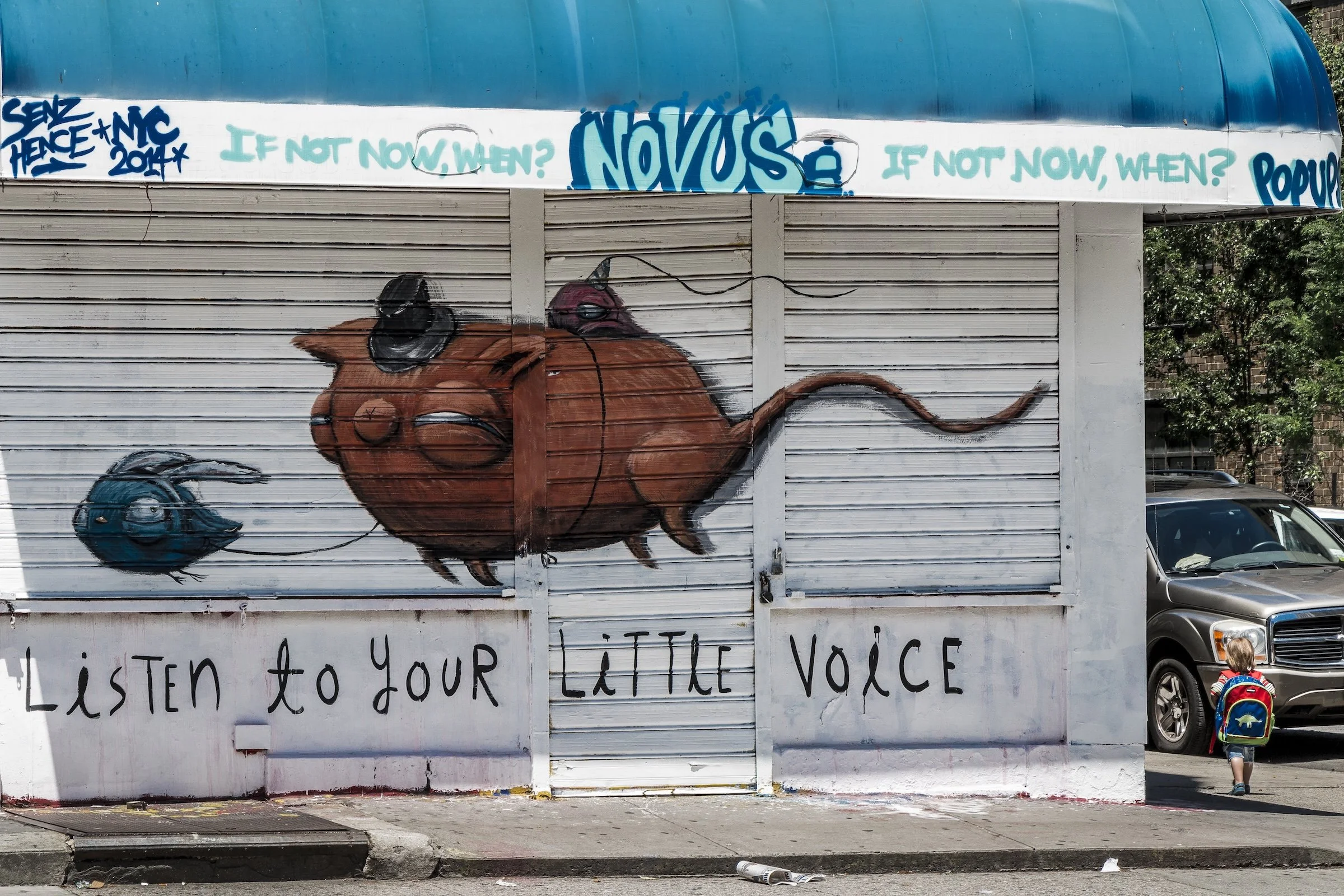
Alphabet Village - Manhattan - Your Little Voice
The mural characters form a story, but the real punch is the human figure at the edge—suddenly the wall becomes a stage and the passerby becomes the ending. Juxtapositions get stronger when one element feels “alive” even if it isn’t.
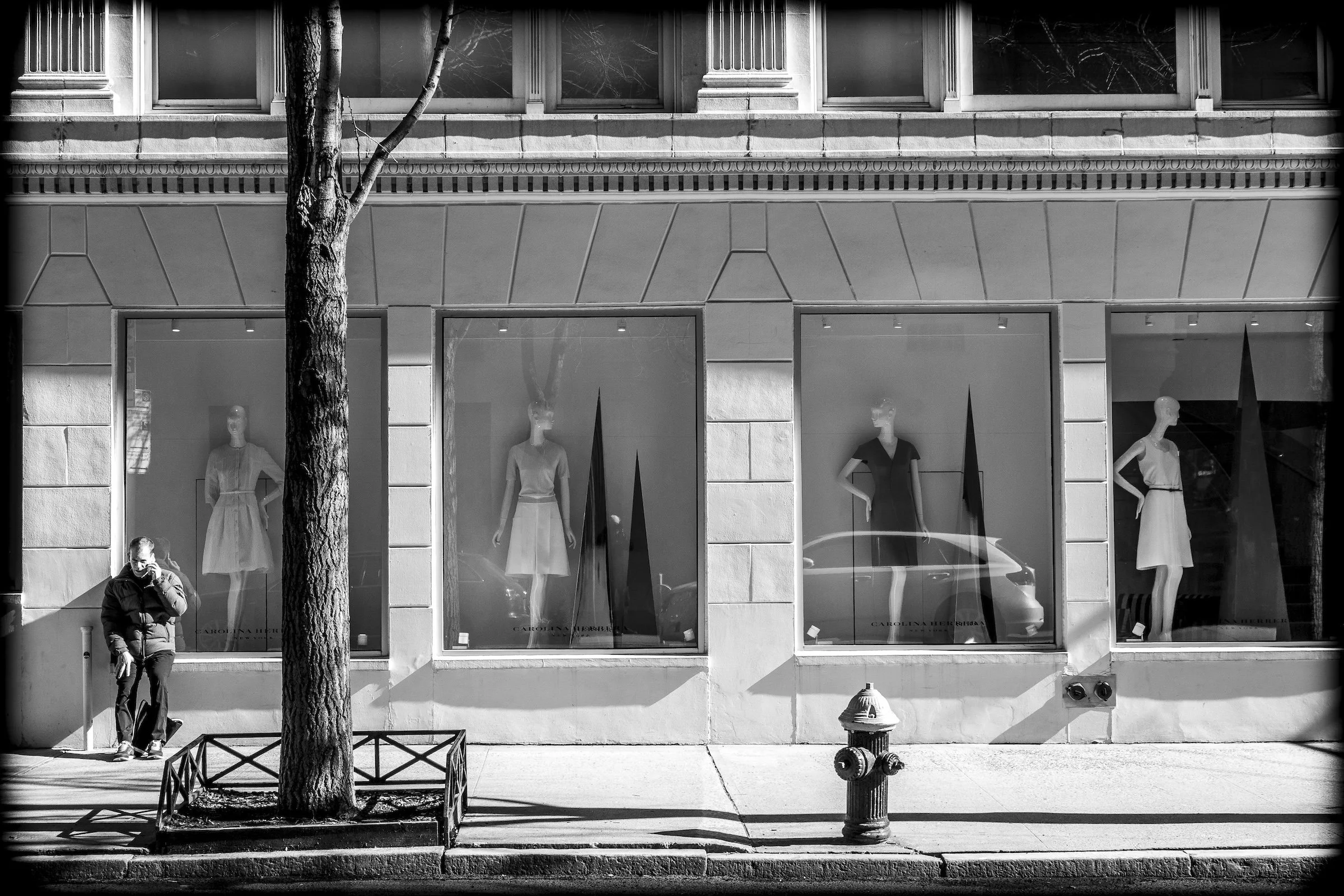
Upper East Side - Manhattan - Wallflowers
Mannequins, reflections, and a street figure create a layered conversation about presence and performance. The strongest thing you can do with this kind of scene is keep the geometry clean so the “characters” read instantly.
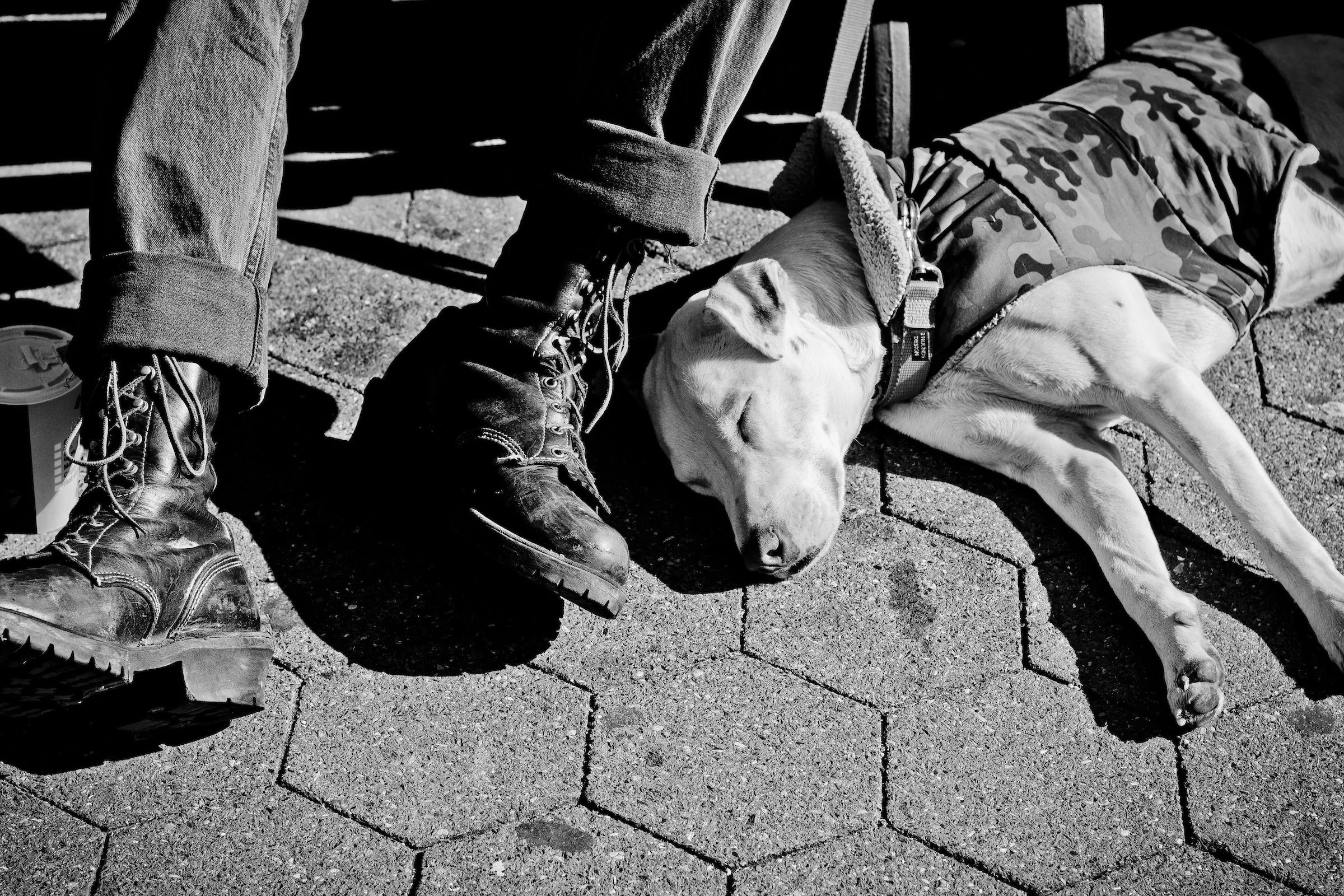
Living / Not-Living:
Here the emotional voltage comes from life brushing up against the inanimate—tender, funny, or quietly haunting.
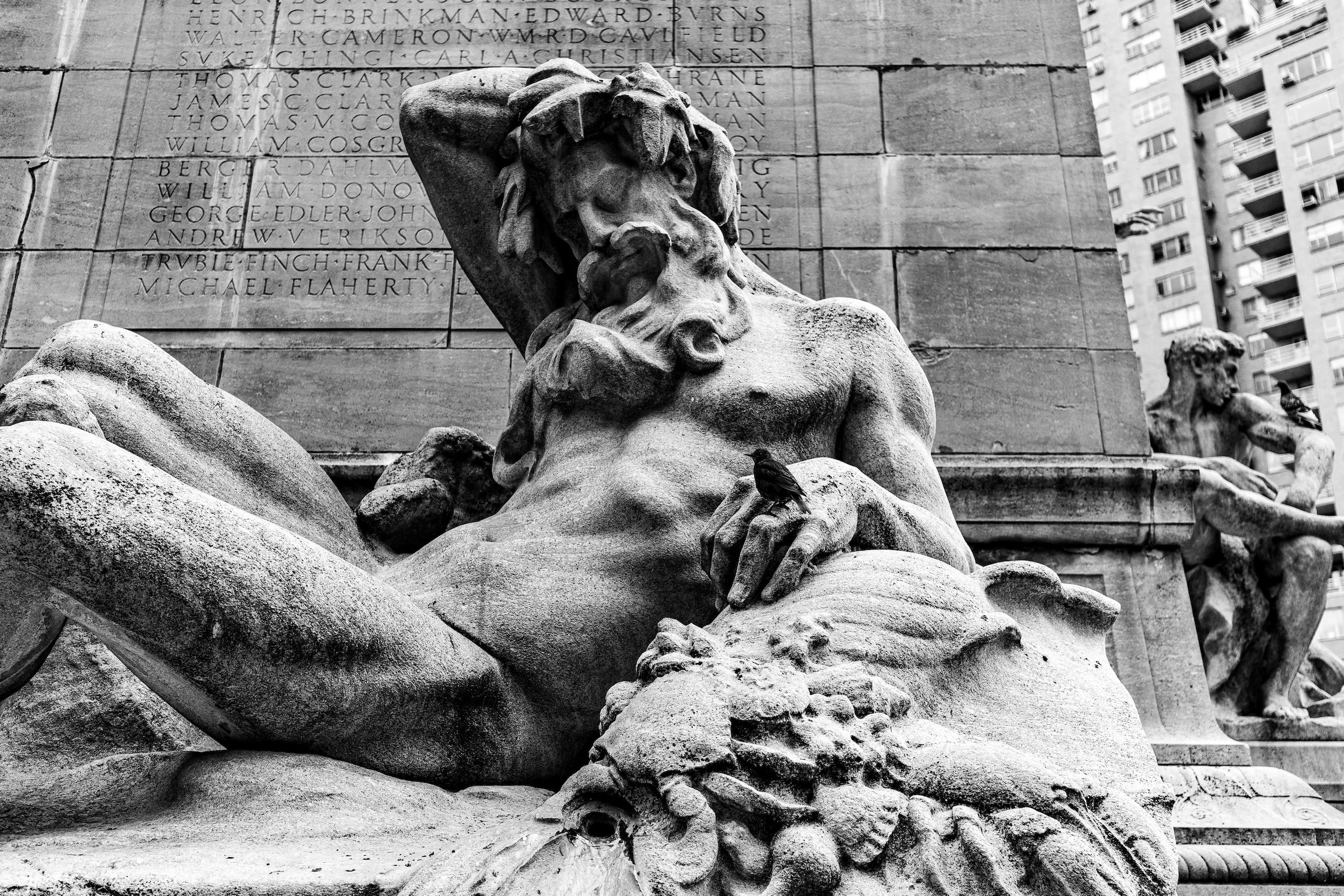
Central Park - Manhattan - Birds Alighted Upon Us
A small living subject transforms a static form into a moment. The bird is the punctuation mark: it adds scale, softness, and surprise, turning the scene into a brief collaboration between nature and monument.
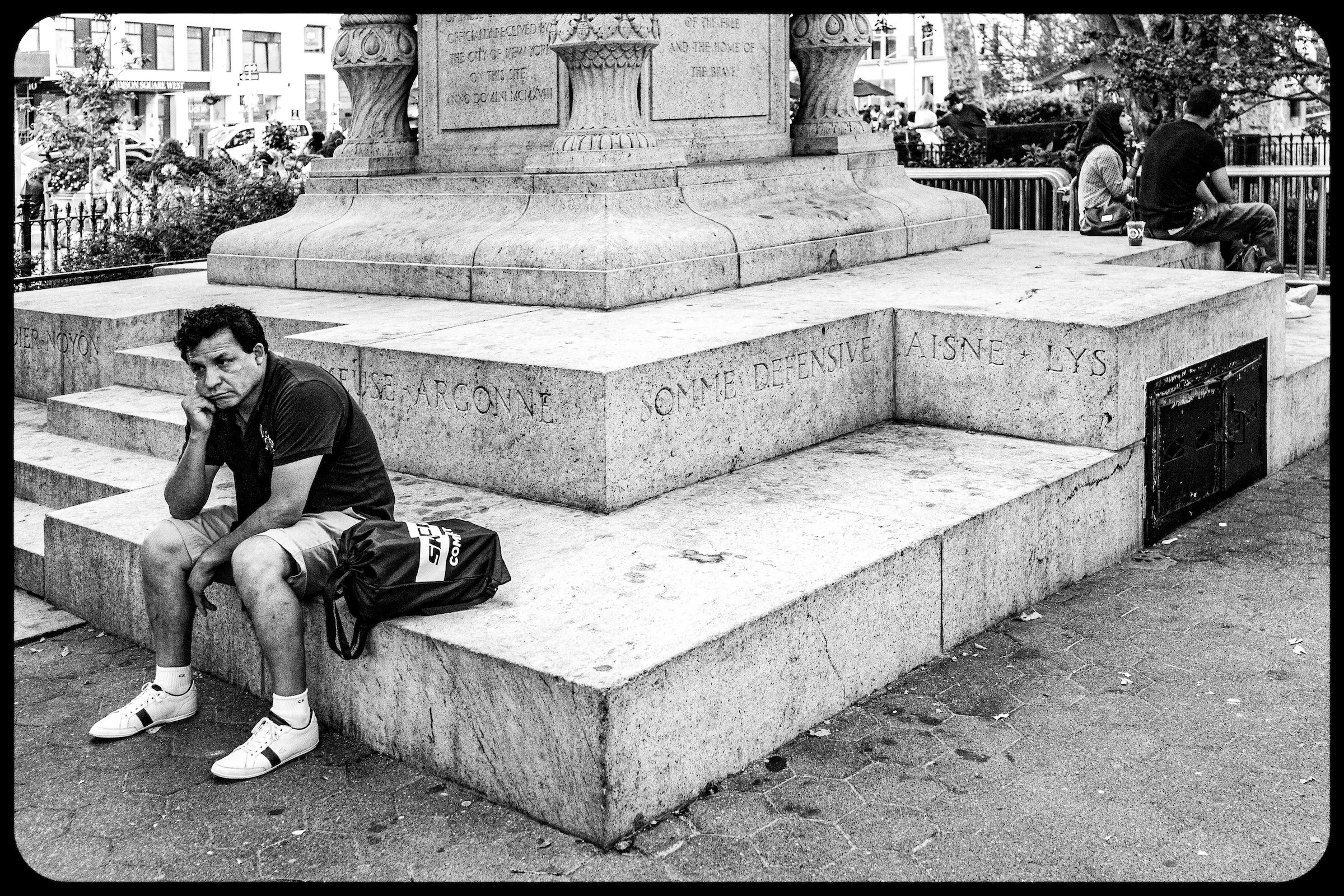
Sky Interventions:
Sometimes the best companion isn’t on the street—it’s overhead: moon, aircraft, weather, the cosmic “third character.”
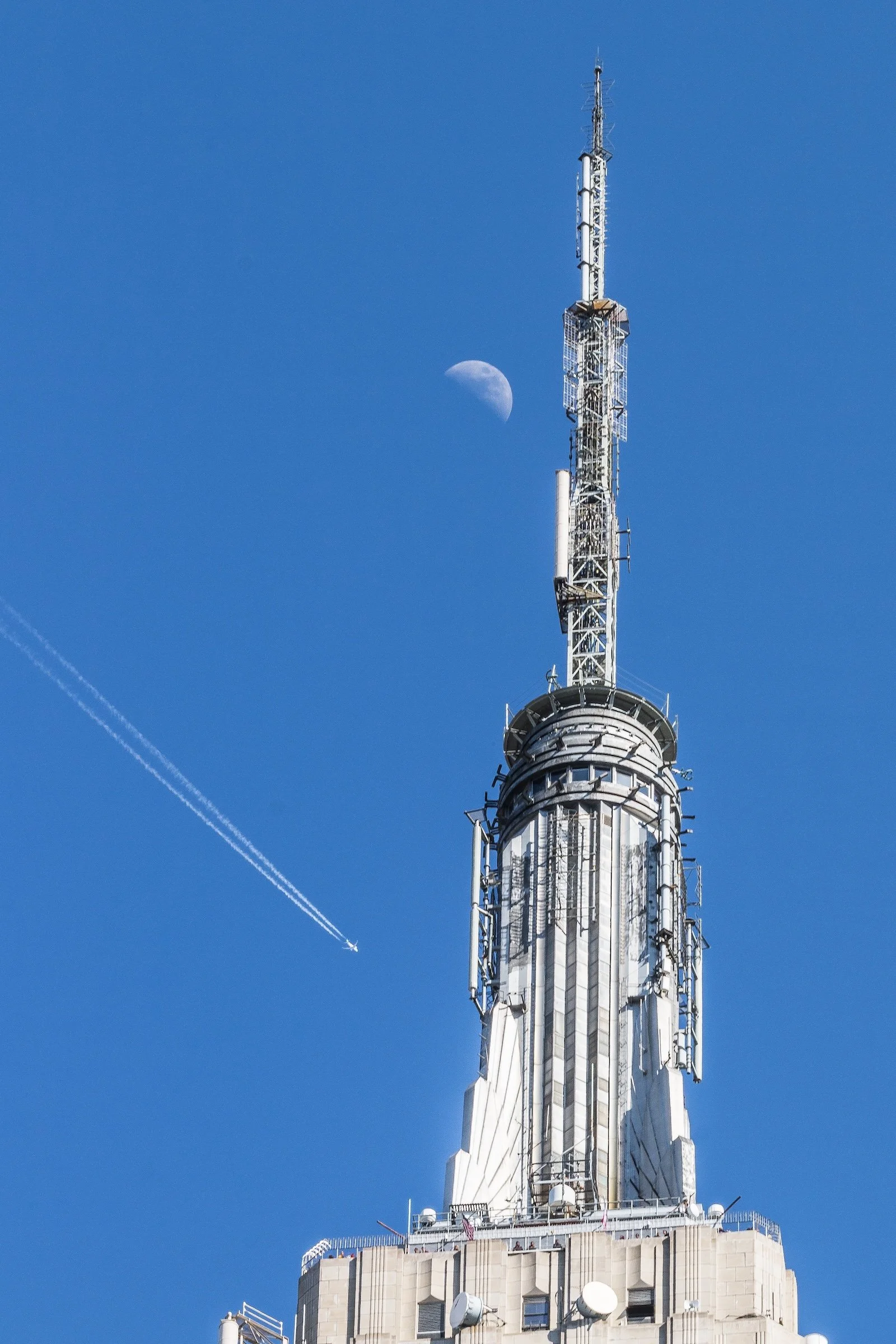
Penn District - Manhattan - The Moon And Empire City
A city icon becomes a measuring stick for something ancient and distant. The trick is alignment: you’re composing a relationship between two worlds, so precision matters—shift inches until the pairing reads like intention, not accident.
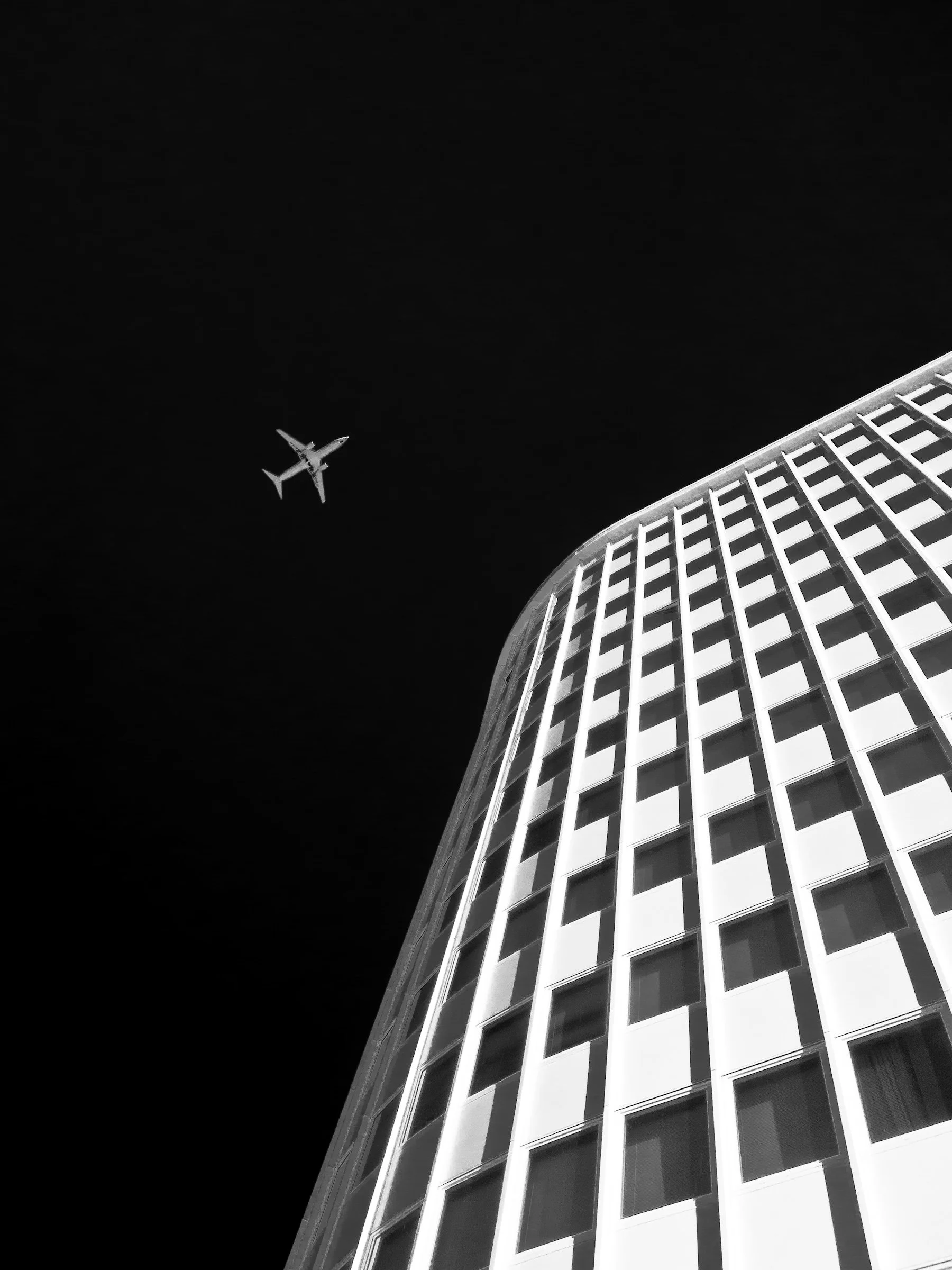

Penn District - Manhattan - When You Get Caught Between The Moon and NYC
This is a stronger narrative version of the same idea: the city frame becomes a corridor, and the moon becomes the endpoint. Juxtaposition gets more powerful when the environment supports the relationship—leading lines, negative space, and timing all help.
Explore Further