

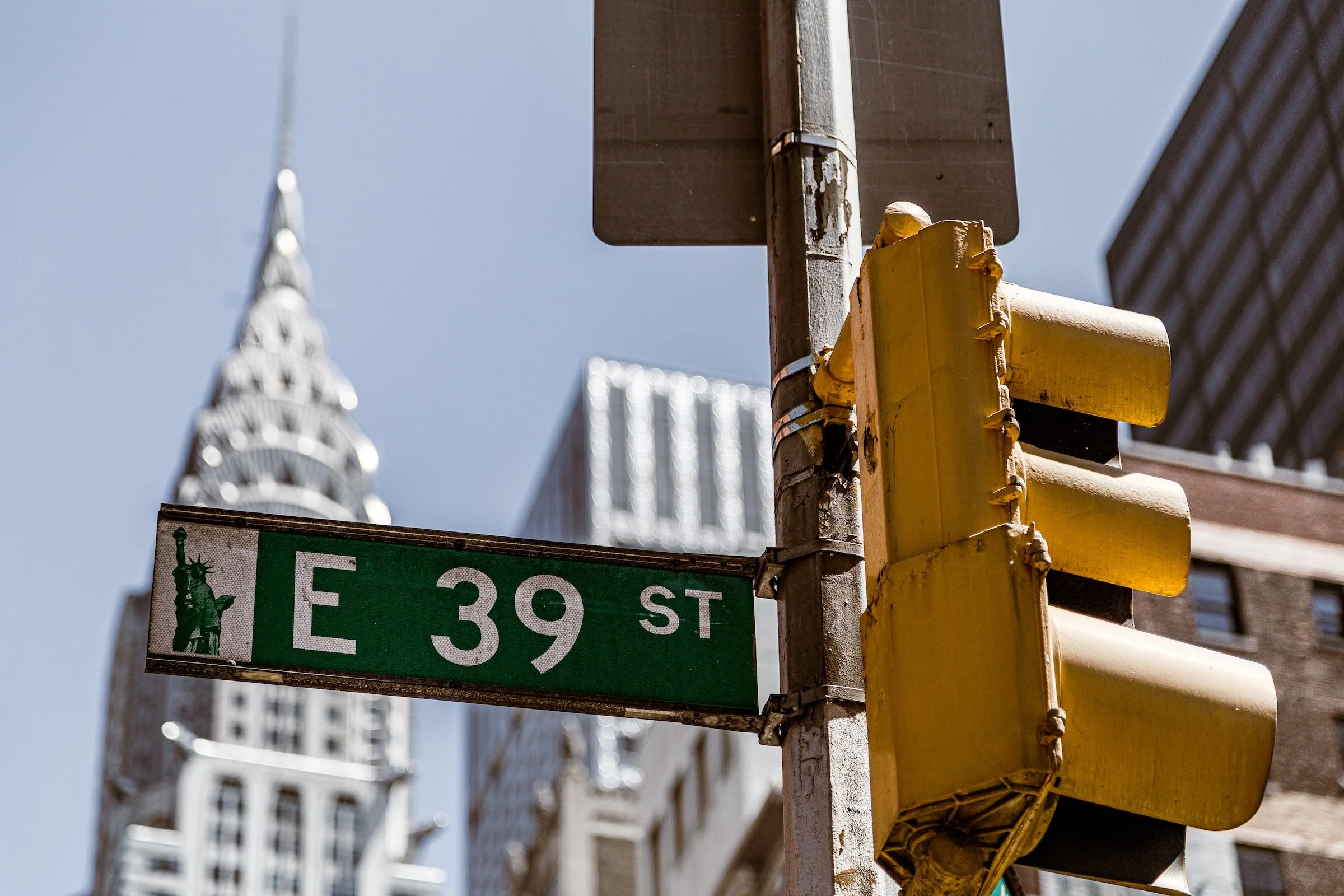
Follow The Signs
Photographs built around signage—street names, storefronts, municipal lettering, warnings, neon, hand-painted declarations—where the text isn’t just “in” the scene, but drives the scene. In Follow The Signs, words become structure: an anchor for composition, a shorthand for place, and a narrative cue that tells the viewer how to read what comes next.
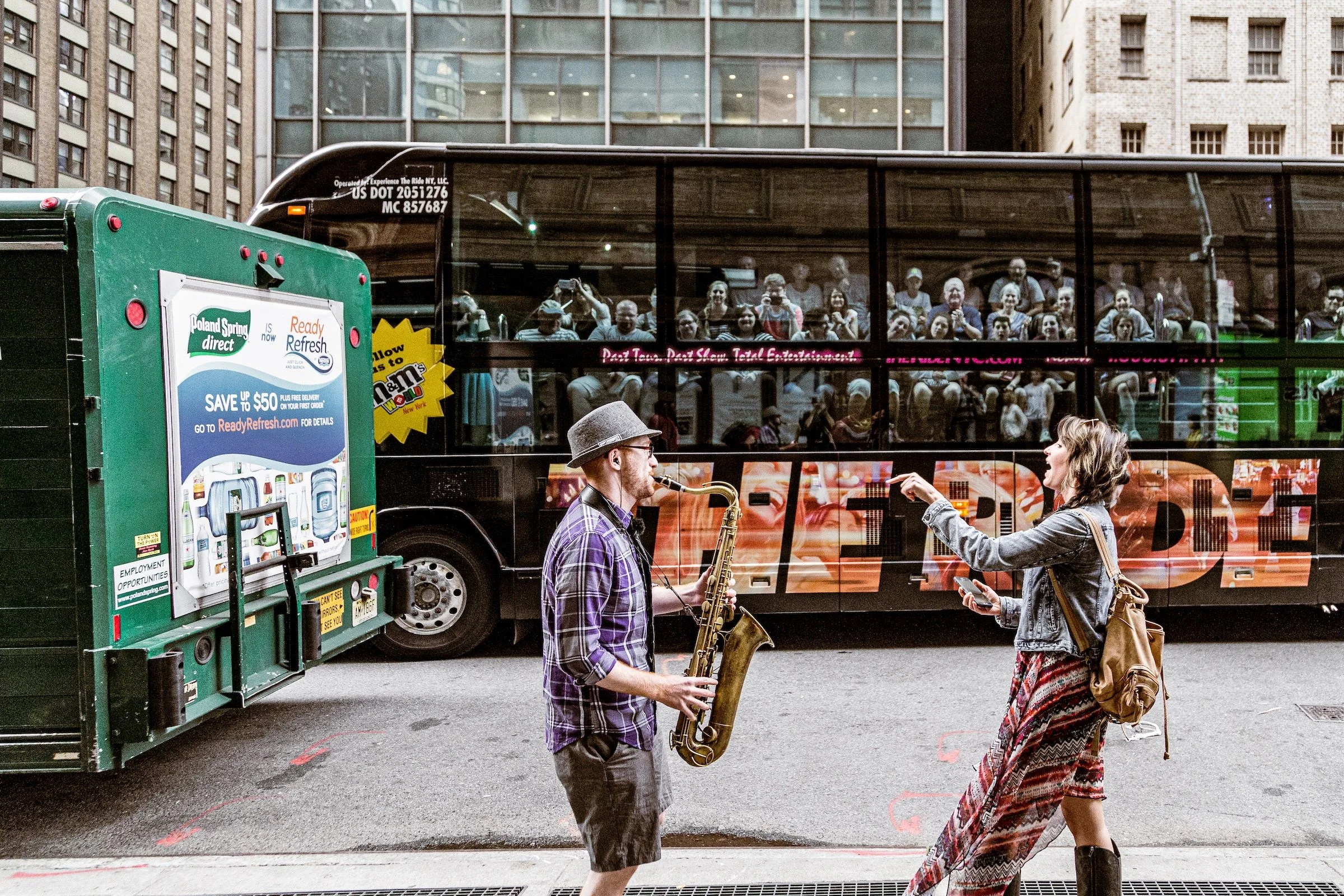
City As Stage
The city is never “just” a backdrop. It’s lighting, props, entrances, exits, audience, and—if you’re paying attention—an ever-refreshing script. City As Stage is a way of photographing urban life as performance: not “street photography” as a genre label, but stagecraft as a method—finding (or building) a viewing position, recognizing the set, and framing the moment when the city steps into character.

Nature As Stage
A storytelling approach where nature (trees, water, sky, dunes, branches, wildlife) becomes the theatrical set—and the subject appears as a performer within it. The frame reads like a stage: foreground “curtains,” mid-ground “floor,” background “backdrop.”
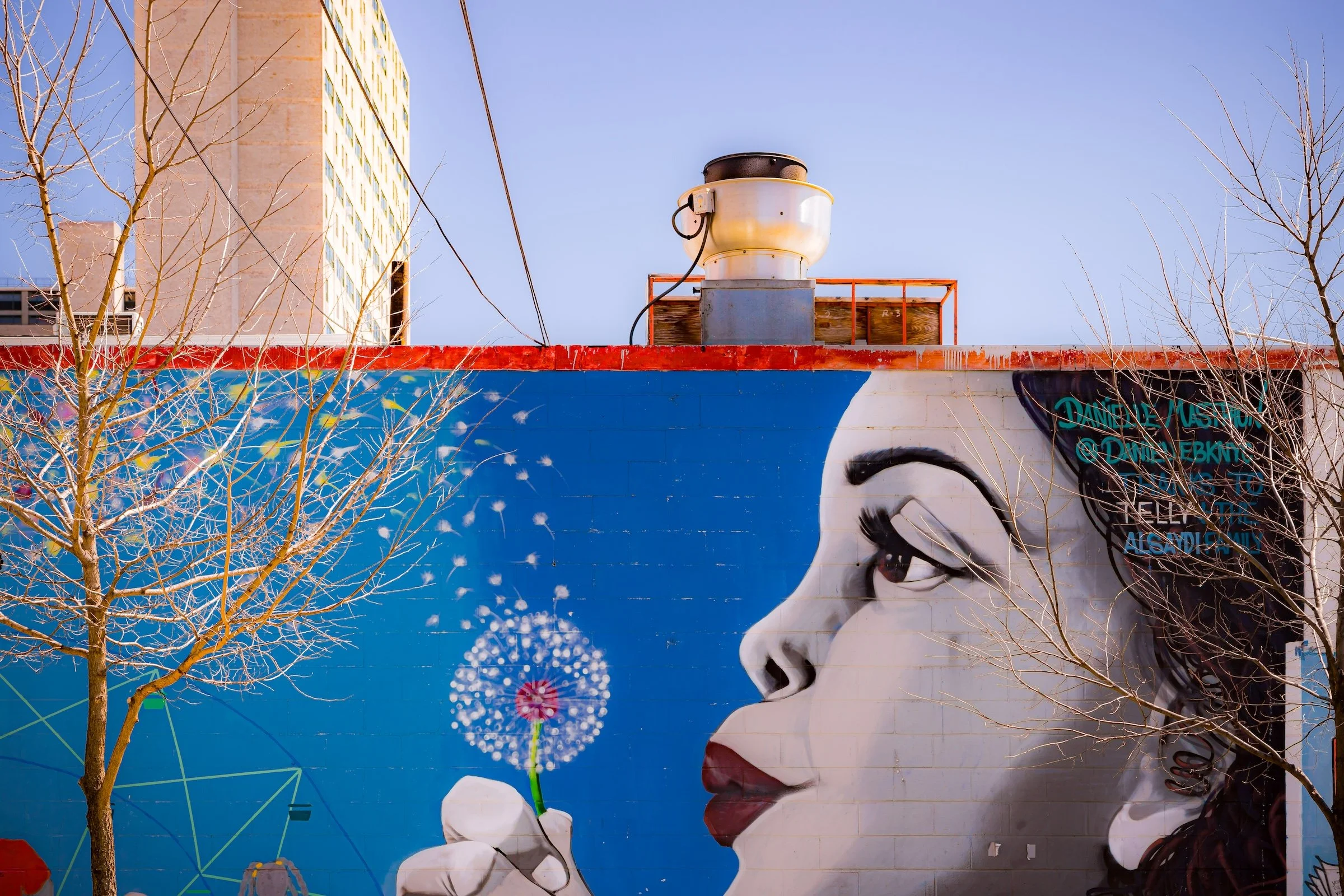
Graffiti Context
Graffiti Context is the practice of using graffiti not as the main subject, but as environmental language—a layer that explains where you are, what the street feels like, and what mood the scene should carry.
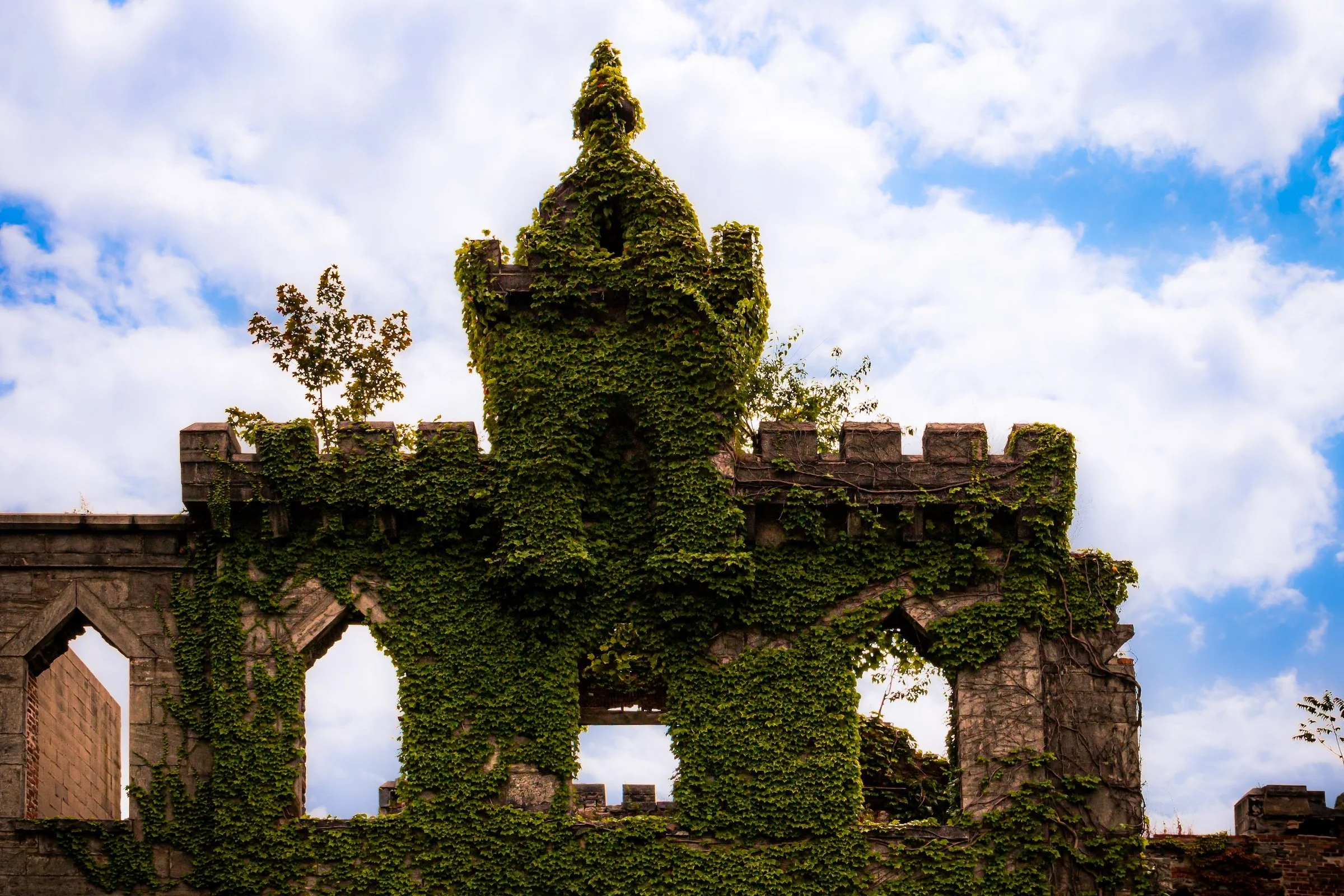
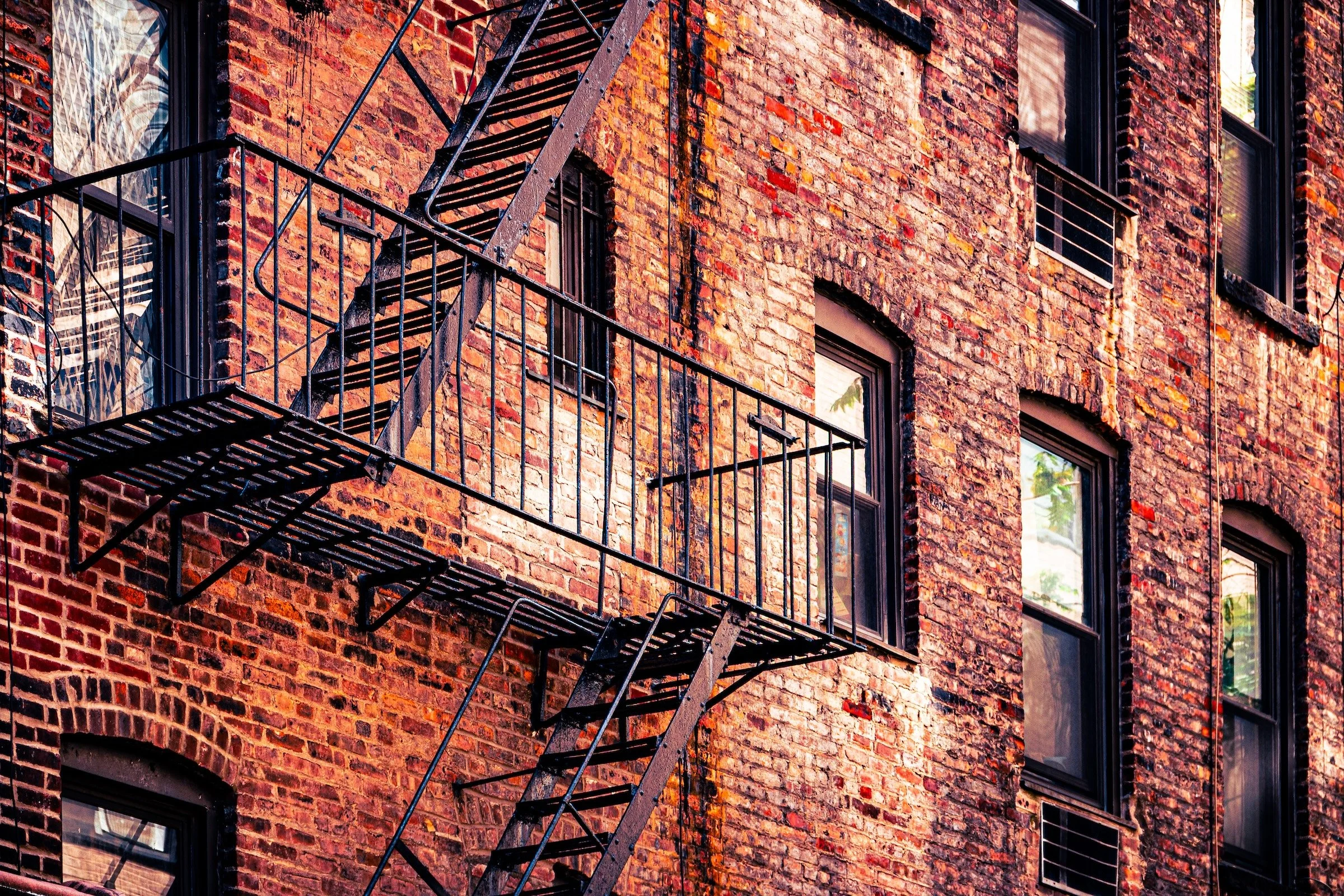
For The Love of Old Things
A photographic devotion to age, wear, and survival: weathered facades, peeling paint, rusted hardware, old infrastructure, ghost signage, and objects that look slightly out of time. For The Love Of Old Things isn’t nostalgia for its own sake—it’s attention to the city’s material memory.
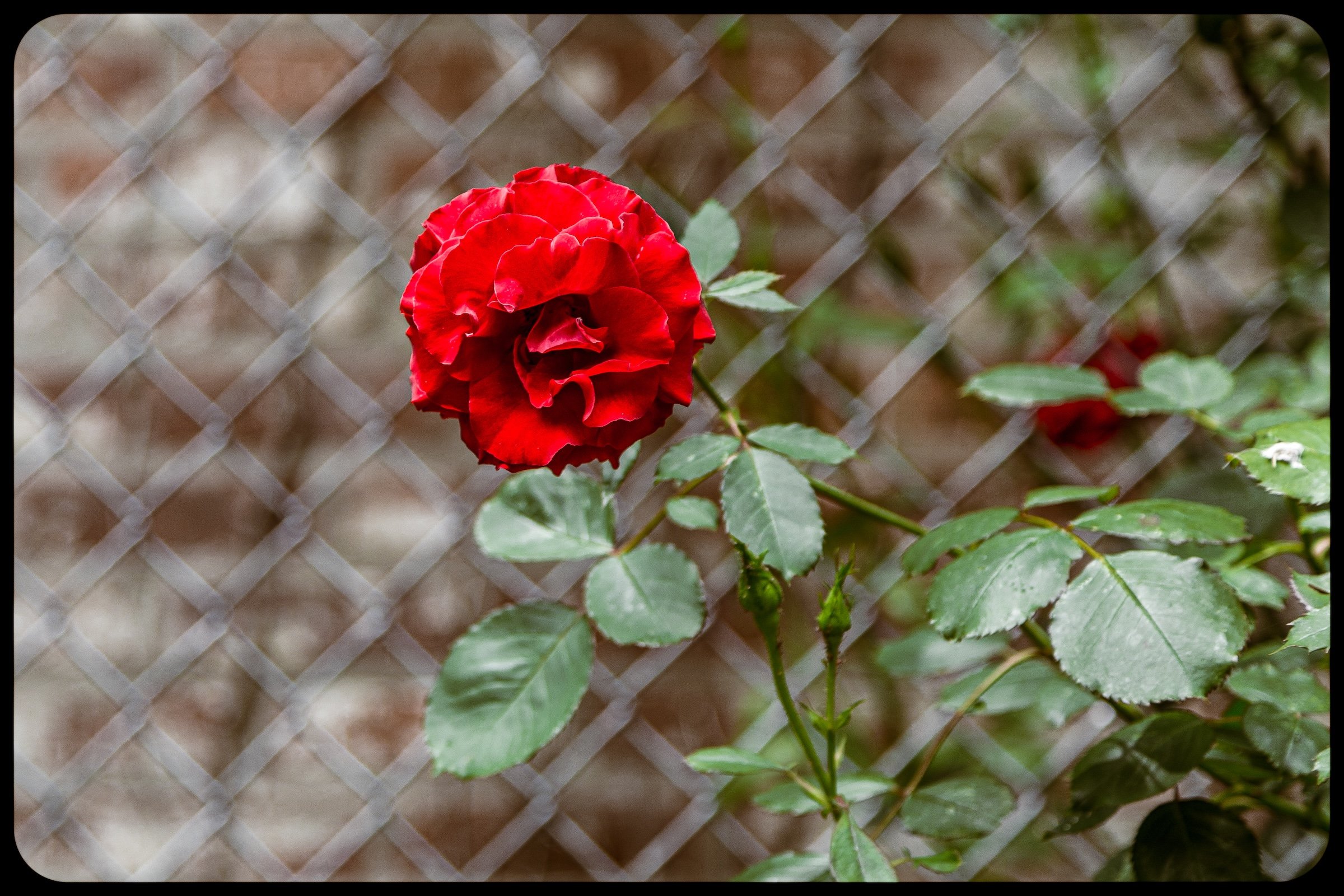
Companions & Juxtapositions
Companions & Juxtapositions frames two or more elements whose proximity creates meaning—echo, contrast, irony, harmony, or tension.
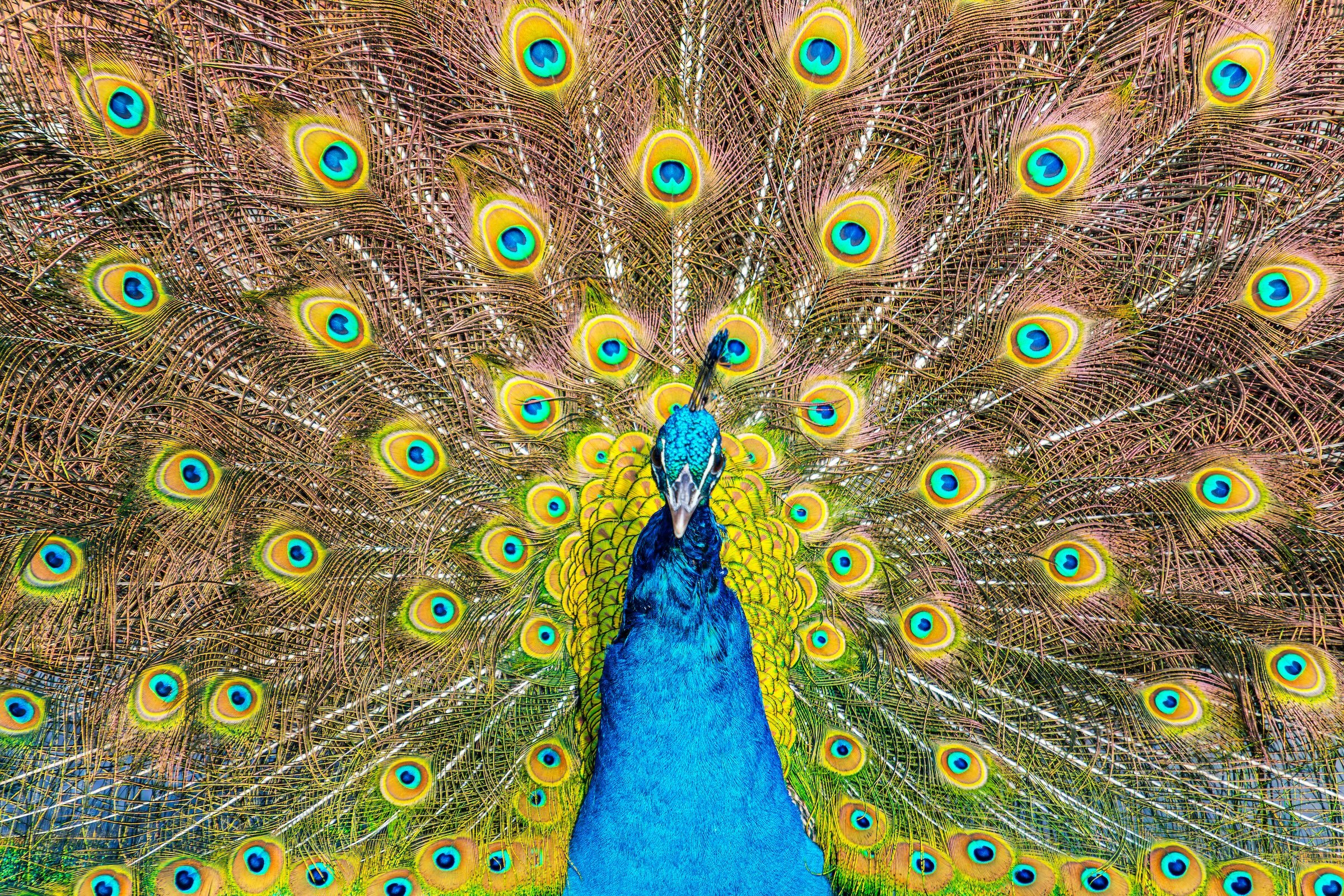
Chromatic City
Chromatic City is the practice of treating color itself as a structural element—not decoration. It’s the moment when pigment (natural or manmade) becomes the thing that organizes a frame: saturated feathers, a neon sign, a painted façade, a taxi door in the rain, a sky that behaves like a backdrop. The subject can be anything. The engine is color.