
Chiaroscuro (B&W Drama)
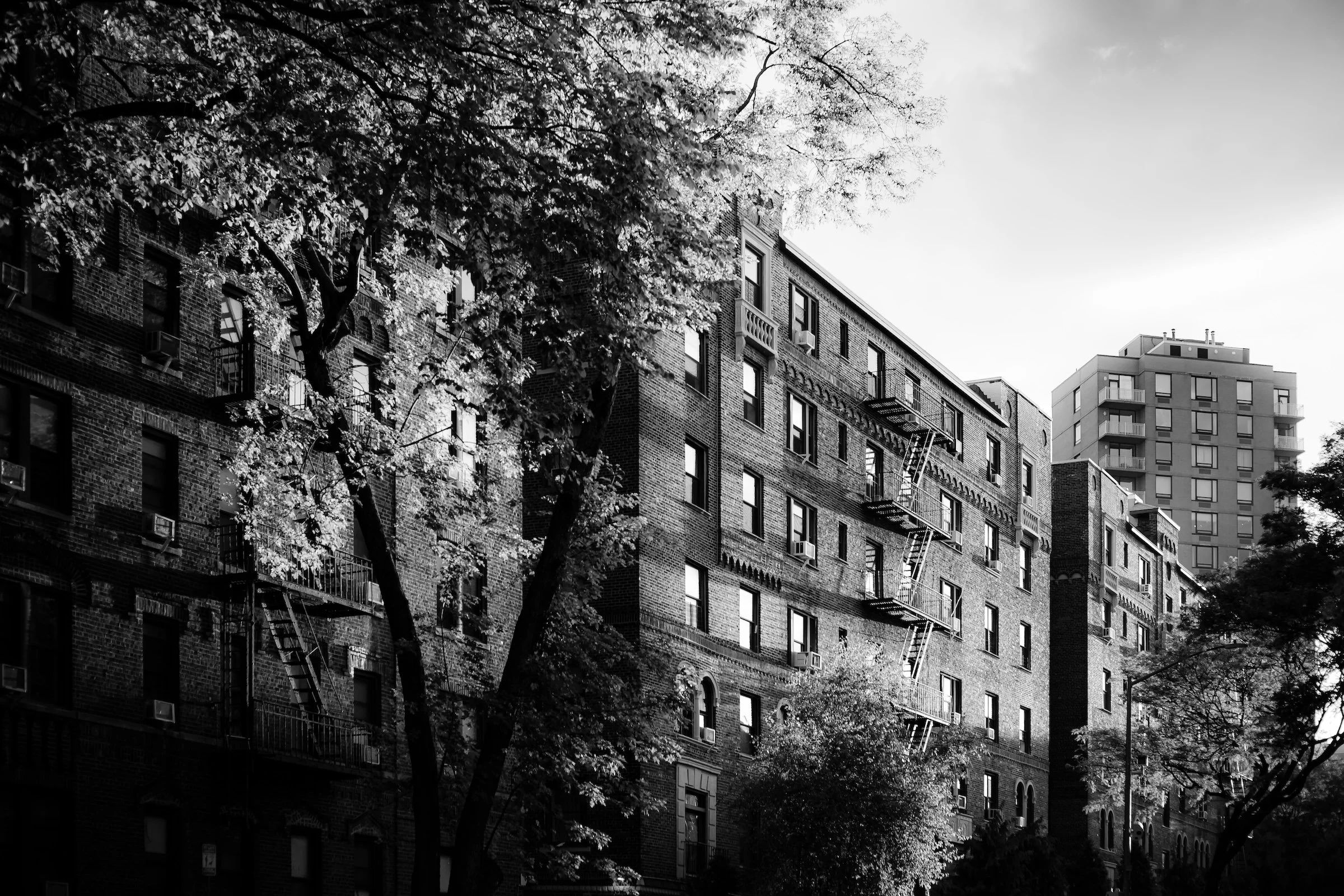
Kew Gardens — Queens — Veins of Noon
Definition:
Chiaroscuro is the deliberate shaping of a photograph through bold contrast between light and dark—not just “a shadow,” but a structure made from illumination. In this lexicon, Chiaroscuro (B&W Drama) refers to black-and-white images processed for dramatic tonal separation (often with restrained sharpening or a touch of softness) so that the scene reads like a carved relief: light becomes form, shadow becomes architecture.
Chiaroscuro is more than just high contrast; it is the visual manifestation of tension. It represents the unresolved boundary where light meets dark—a literal battle for the frame. In these compositions, the subject isn't simply illuminated; it is emerging from the shadows, caught at a dramatic threshold that forces the viewer to focus only on what the light chooses to reveal. This isn't just about 'black and white'; it is about the struggle between the two.
Usage:
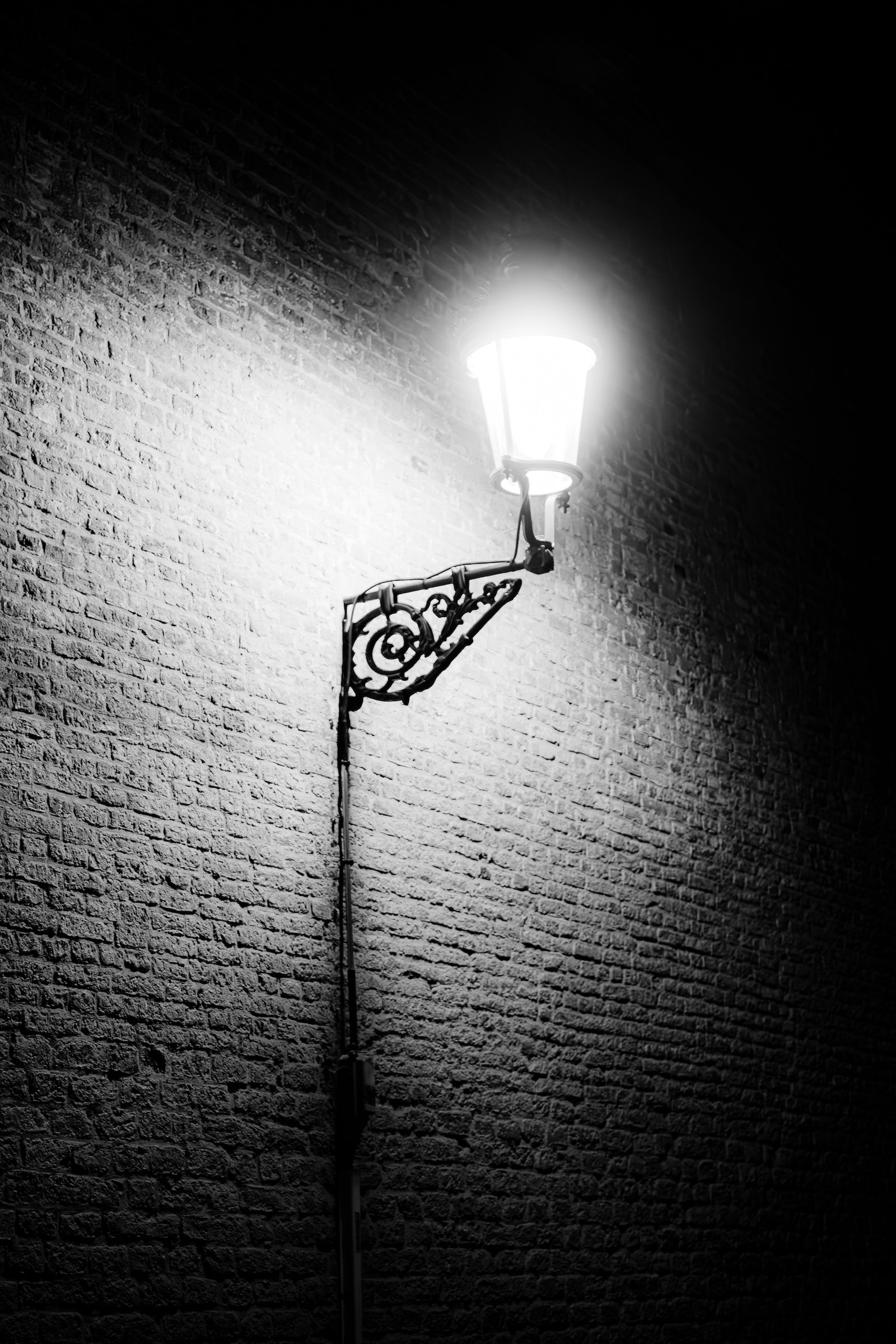
Use Chiaroscuro to turn ordinary streets, façades, and alleys into stage sets. It’s especially powerful when the city provides directional light—low-angle sun, hard-edged window reflections, or uneven artificial lighting—so that bright areas feel placed, and darkness feels intentional.
To capture this effect, look specifically for The Side-Light Angle. Chiaroscuro lives in the 45-to-90-degree light that 'rakes' across the city’s surfaces. Position yourself so the sun catches only the leading edge of a brownstone stoop, a fire escape, or a street sign, while the rest of the structure recedes into shadow. This angle creates a 'carved relief' effect, giving the neighborhood a sculptural, three-dimensional weight that flat, midday lighting can never achieve.
In Depth:
Chiaroscuro is one of those strategies that quietly changes how you walk. You stop looking for “subjects” and start looking for light events: a blade of sun that hits one wall but not the street; a fire escape shadow that becomes a second drawing; a corridor that collapses into near-black except for a single bright exit.
The most common mistake in modern photography is the reflexive urge to 'recover' every shadow. In the Chiaroscuro Lexicon, we do the opposite: we embrace The Void. By allowing large areas of the frame to fall into pure, detail-less black, you create a sense of mystery and gravitas. You have explicit permission to lose the detail in the shadows. Remember, the drama of a neighborhood often lies in what is hidden. Don’t fear the 'clipped' blacks; let the darkness hold the light, giving the remaining highlights a reason to exist."
A few quick ways to spot it in the field:
Hunt for directional light (late afternoon, early morning, winter sun, streetlamps, storefront spill).
Look for hard boundaries: corners, alley mouths, overhangs, fire escapes, window grids.
Compose so the bright area becomes a shape, not just “the brightest thing.”
Let darkness stay dark—Chiaroscuro works when shadow reads as mass, not “underexposed detail.”
Below are ten launch examples chosen as the clearest demonstrations of the concept across NYC and your international work—images where the drama comes from the relationship between light and dark, not from the subject alone.
Street Corridors and Light-Exits
These are Chiaroscuro’s simplest (and most addictive) form: a corridor of shadow that opens into a bright “exit,” or a street that behaves like a tunnel.
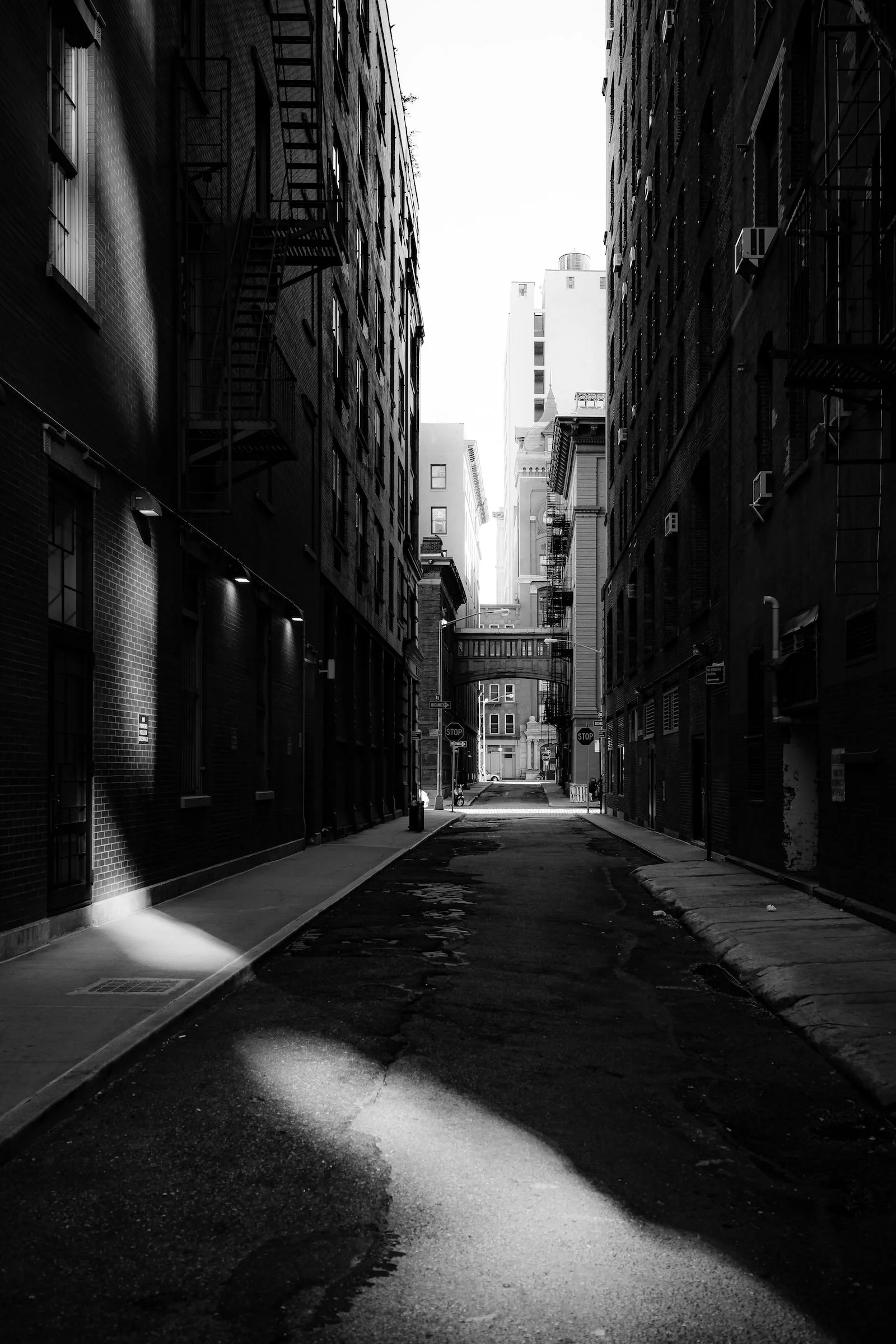
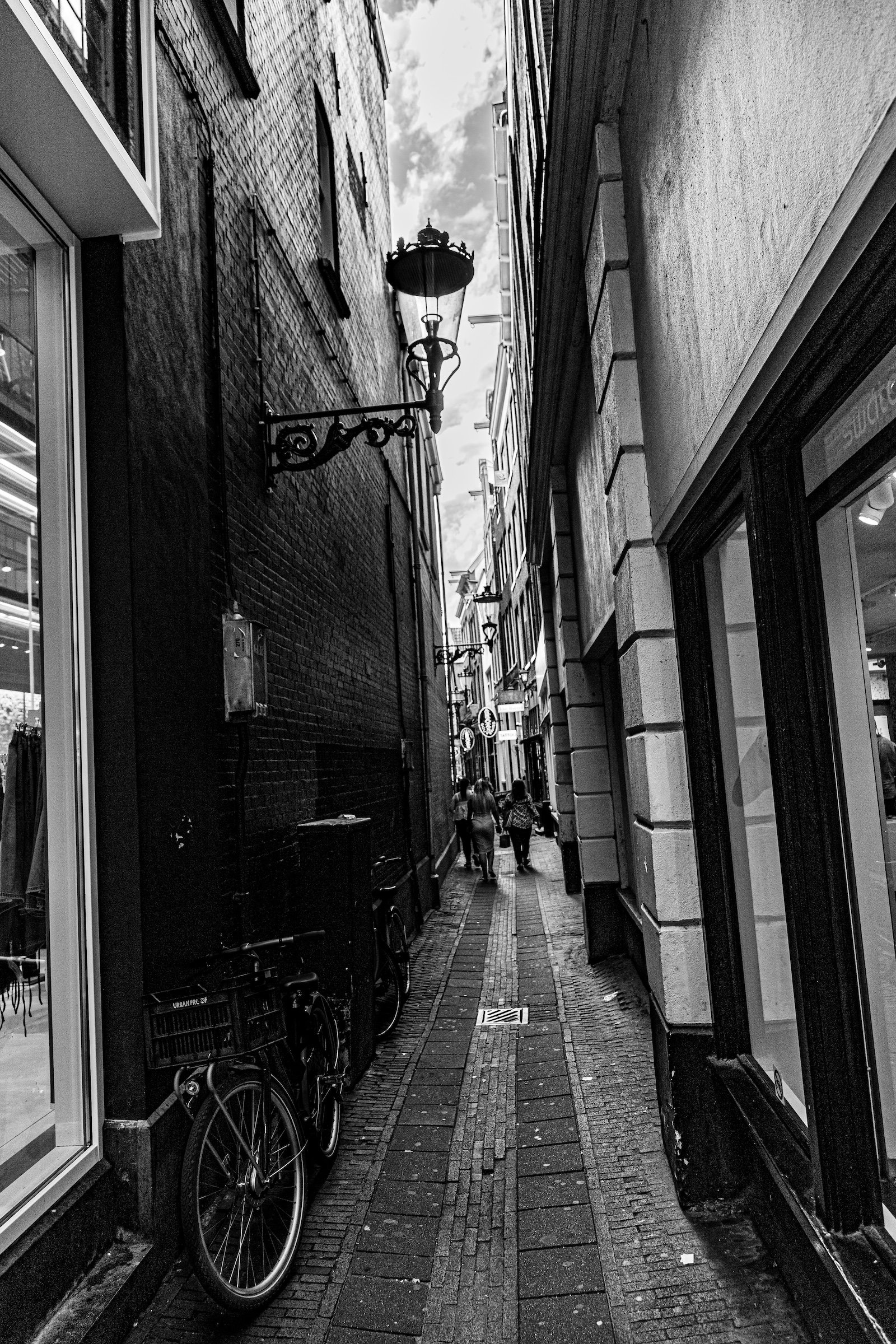
Amsterdam — Centrum — The Narrows
This image reads like a quiet confrontation between darkness and a line of lit rectangles. The glow becomes rhythm, and the surrounding tones become the silence that makes the rhythm audible.
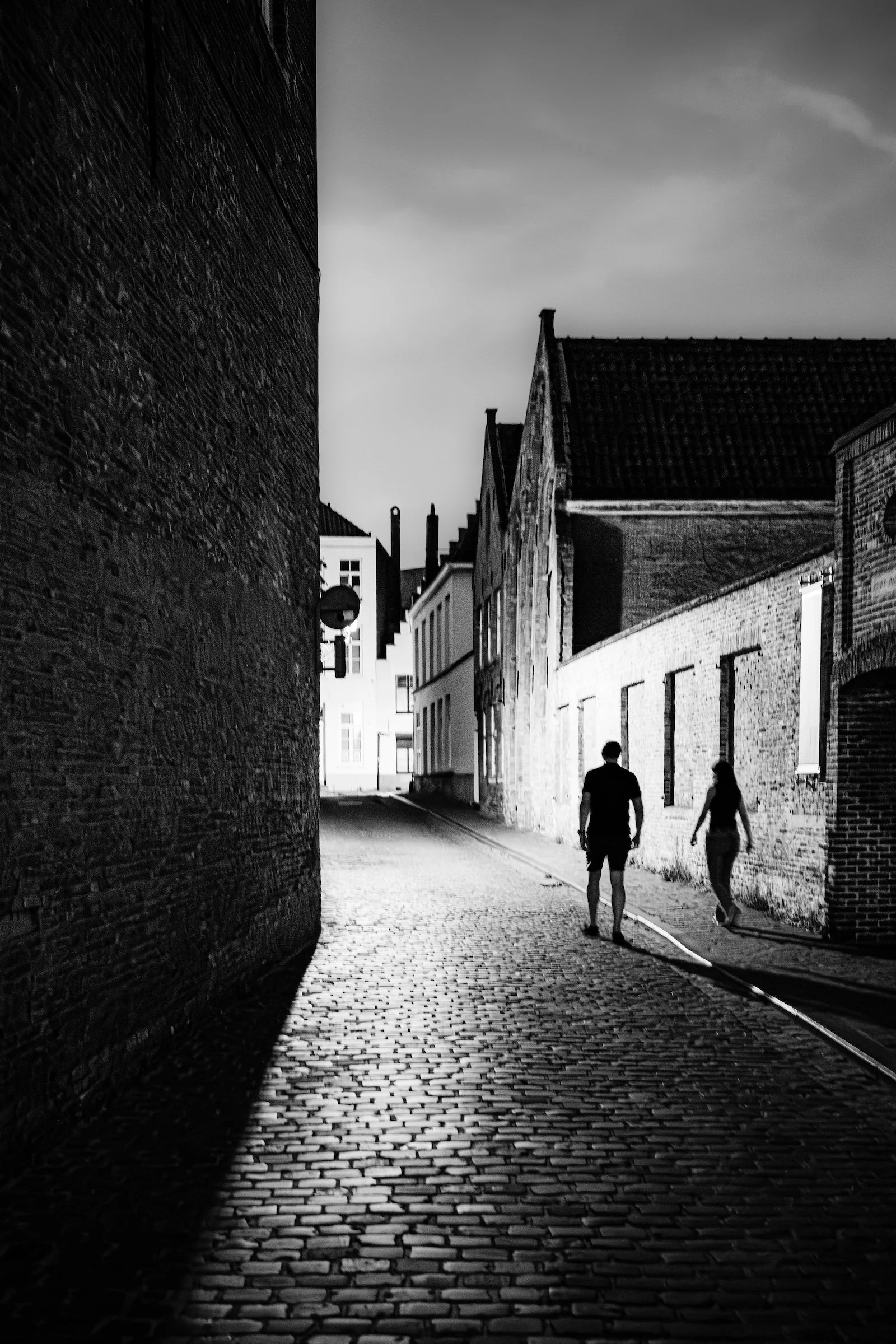
Brugge — Sint-Jans Quarter — Figures in the Spill
Silhouettes become punctuation marks inside a lit passage. The drama isn’t the people—it’s how the light permits them to exist in the frame, then immediately takes everything else away.

Facades as Stage Lighting
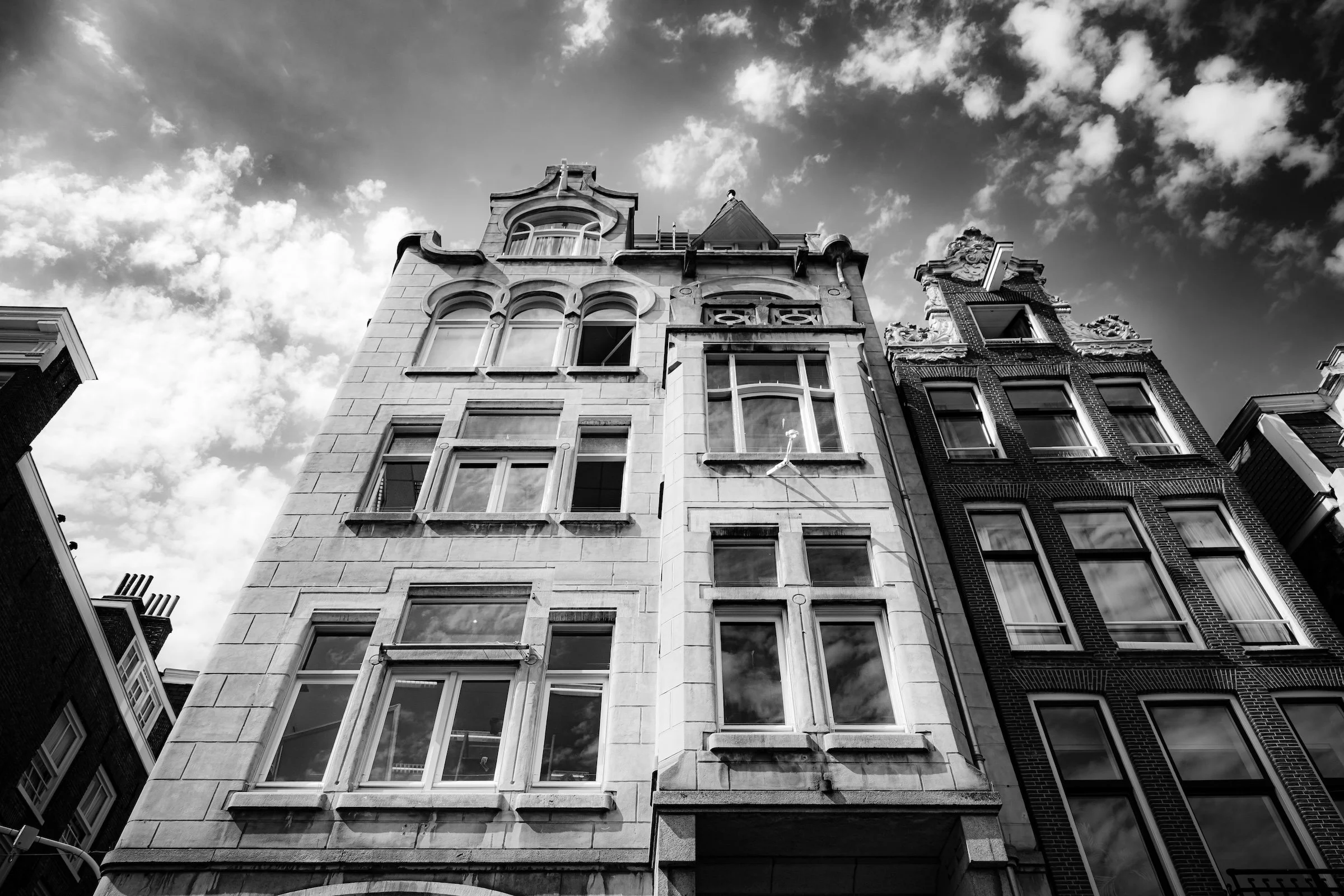
Here, the city acts like a theatrical rig: hard sun, angled spill, and structural shadows create depth without needing a “moment.”
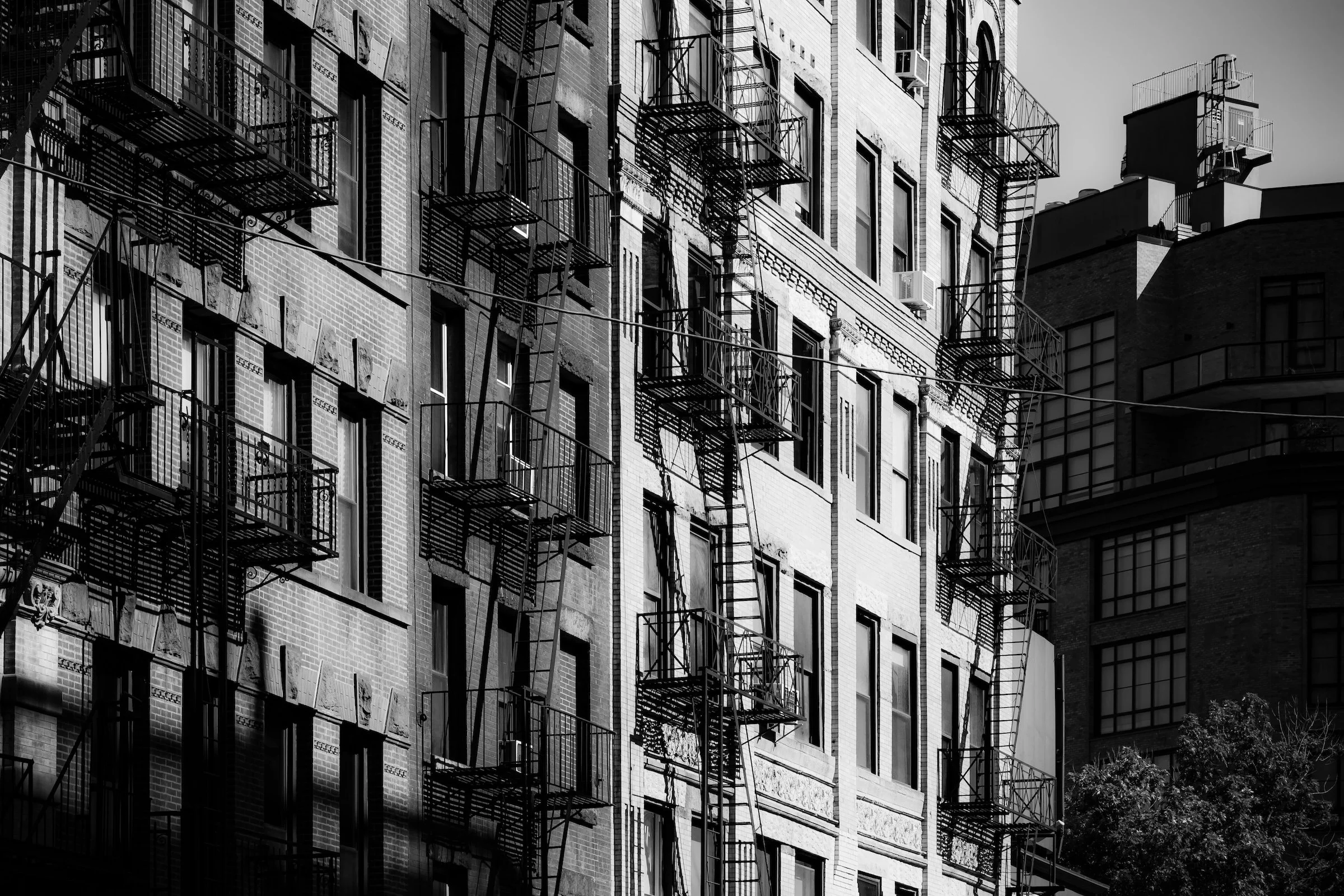
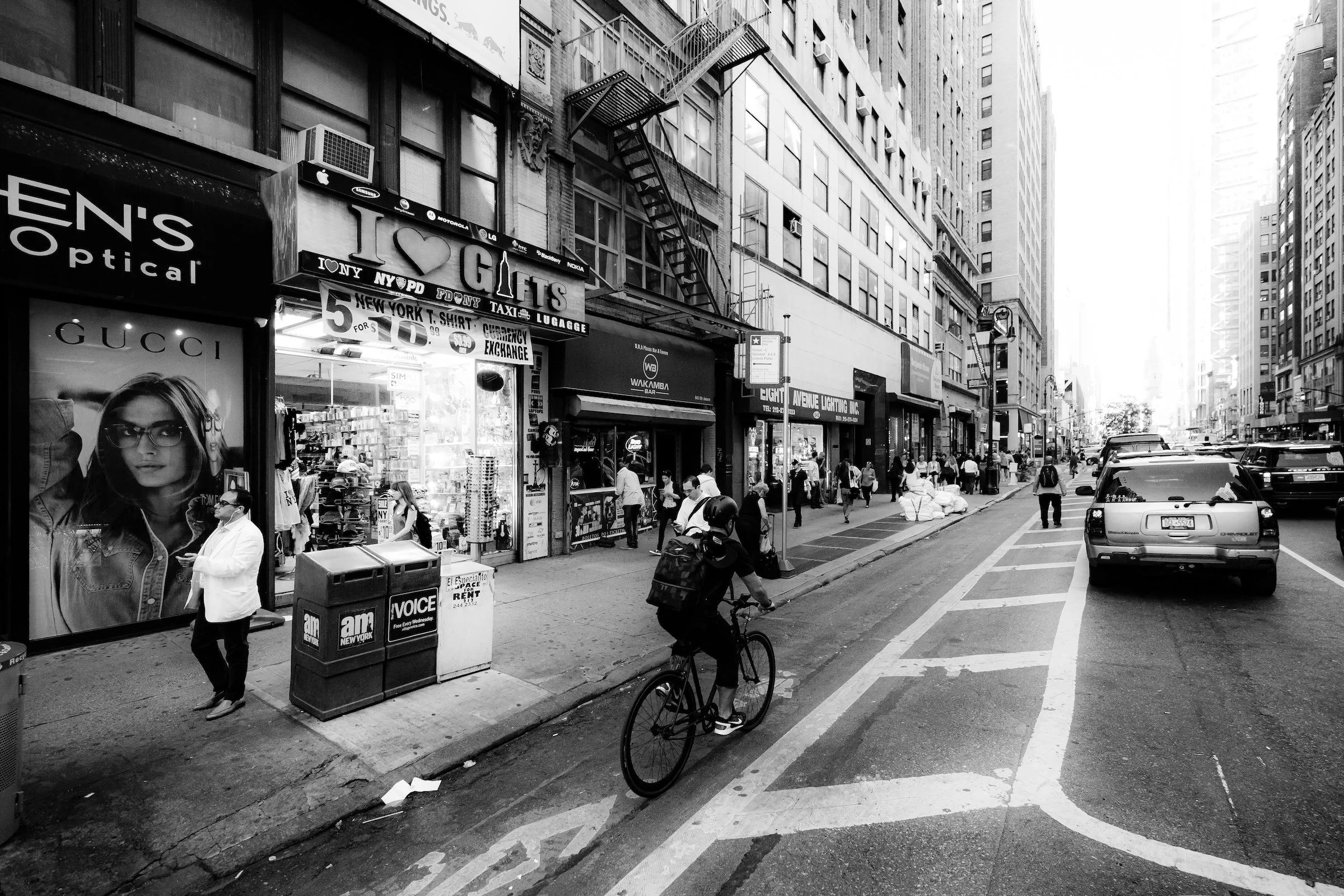
Garment / Fashion District — Manhattan — Sidewalk Spotlight
This is the classic Chiaroscuro move: a bright plane punching through a darker environment like a controlled spotlight. The city’s clutter stays secondary because the light hierarchy is so strict.
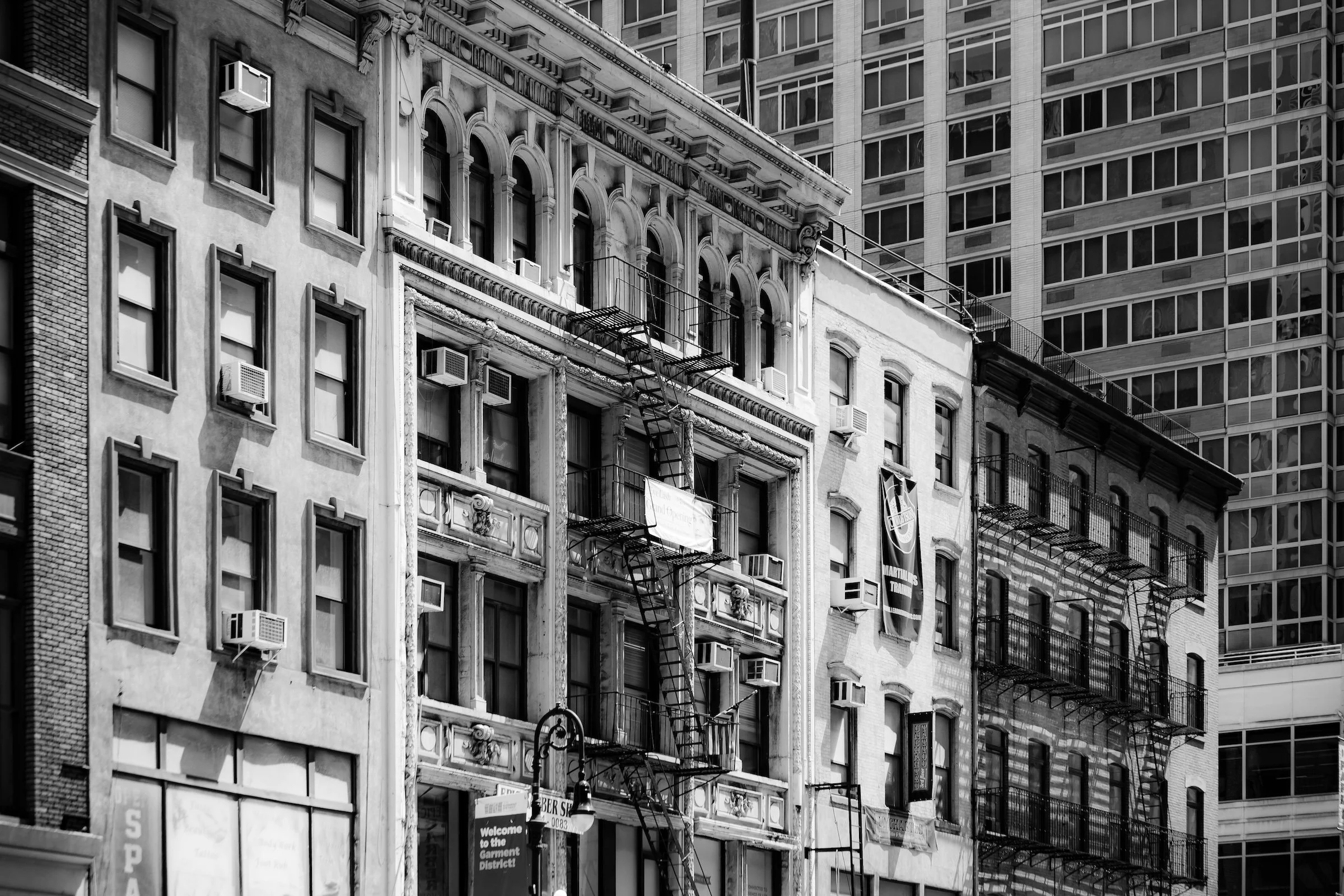
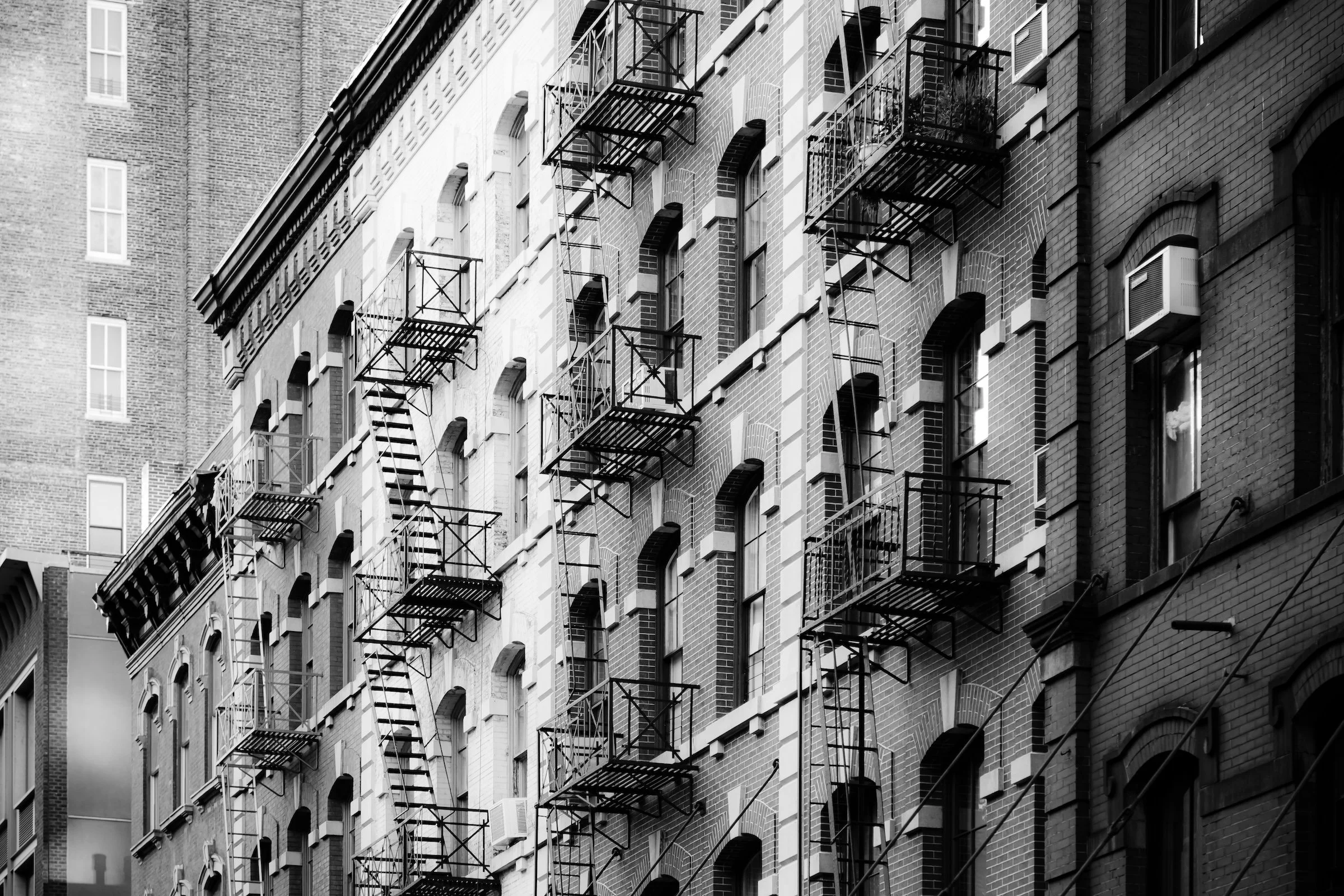
Garment / Fashion District — Manhattan — Light as Architecture
The building becomes a grid of decisions: what gets to glow, what gets to sink, and where the midtones are allowed to live. It’s “B&W drama” that still feels clean and deliberate, not chaotic.
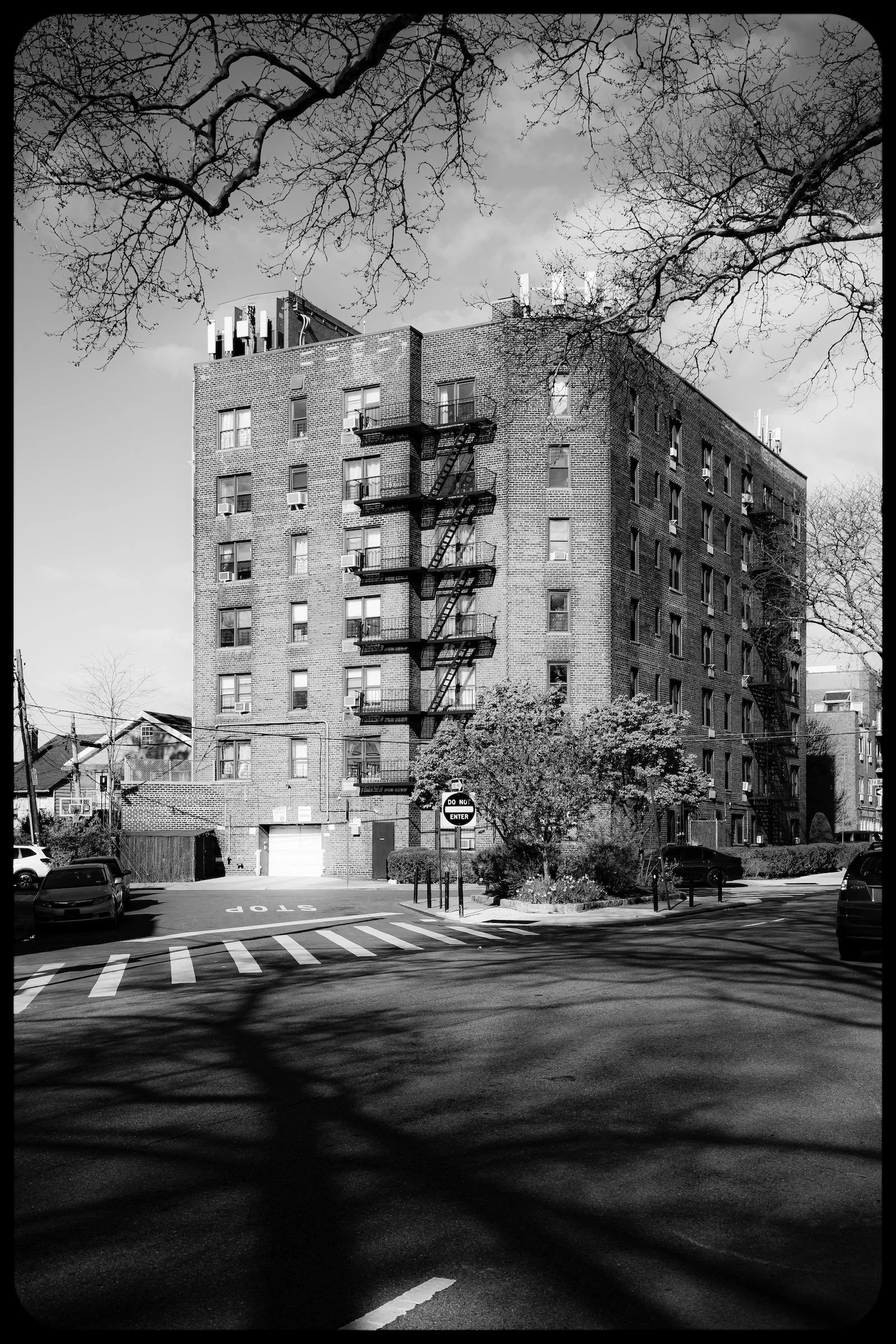
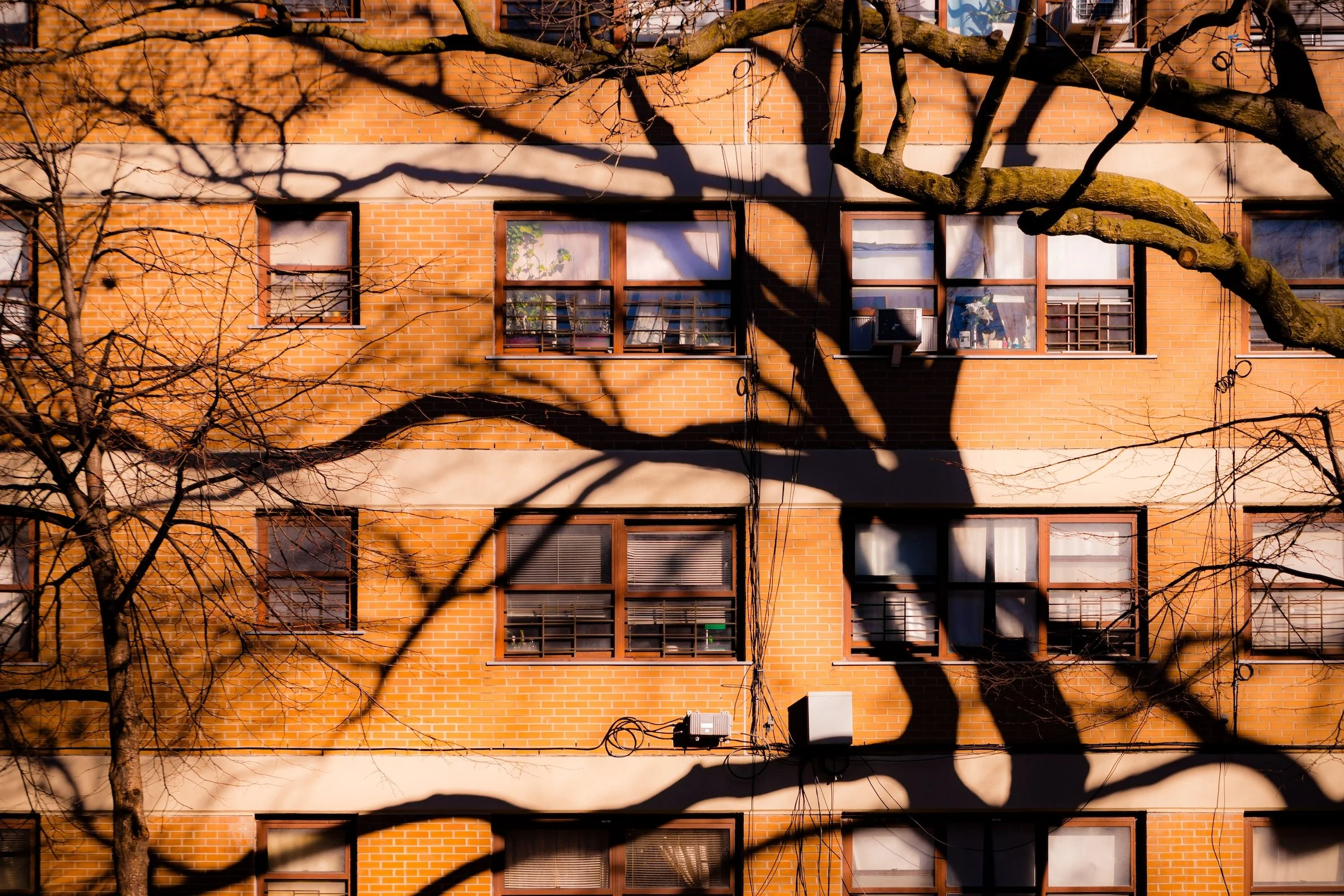
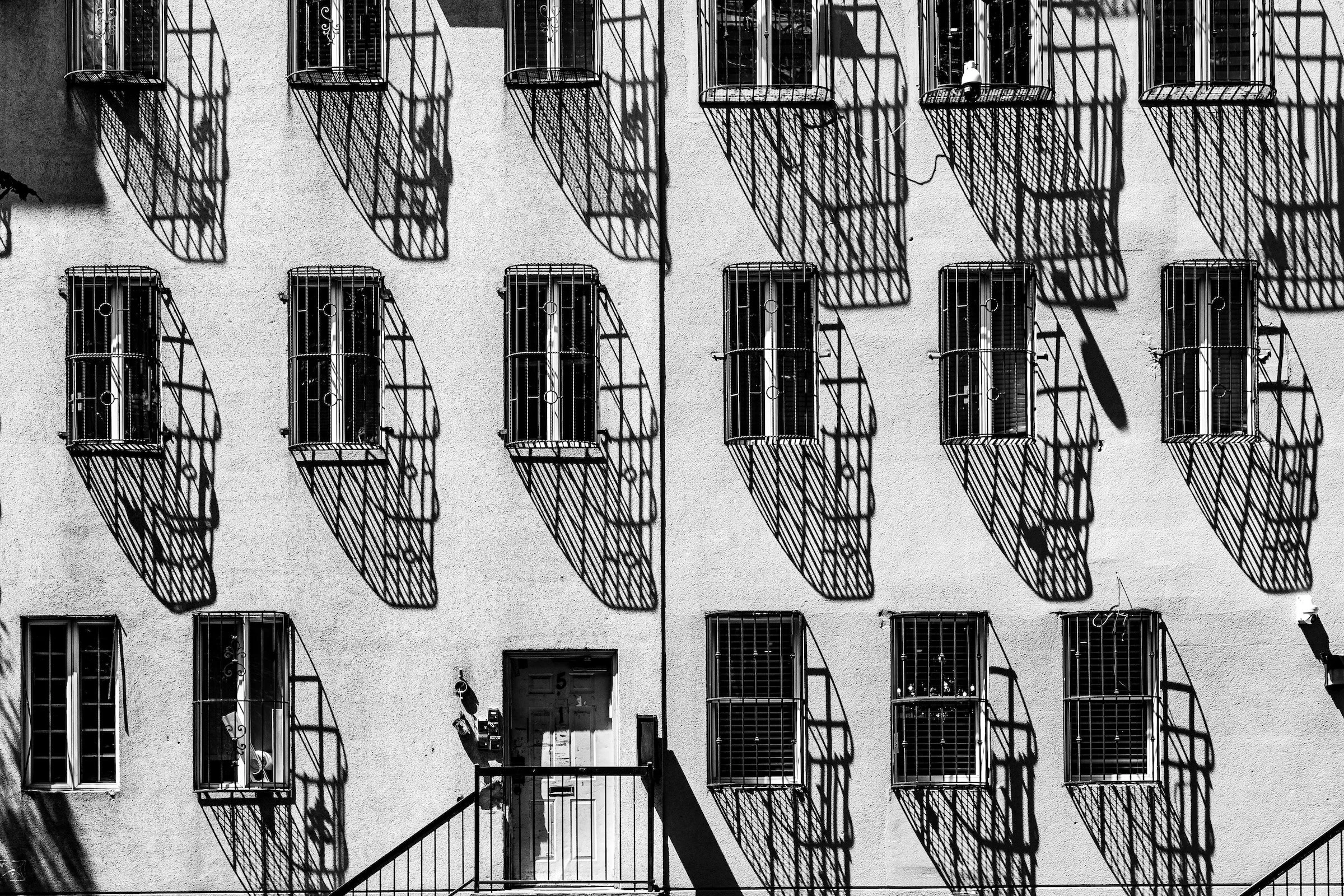
Kew Gardens — Queens — Branchwork on Brick
Organic shadow (branching, nervous-system lines) creates a second subject on the building skin. It’s a great bridge between your Shadow work and this Chiaroscuro entry: the shadow isn’t just present—it’s performing.
Quiet Courts and Interior Light Maps
These are less about the street as a stage and more about light creating a “map” inside calmer spaces—courtyards, residential edges, in-between zones.
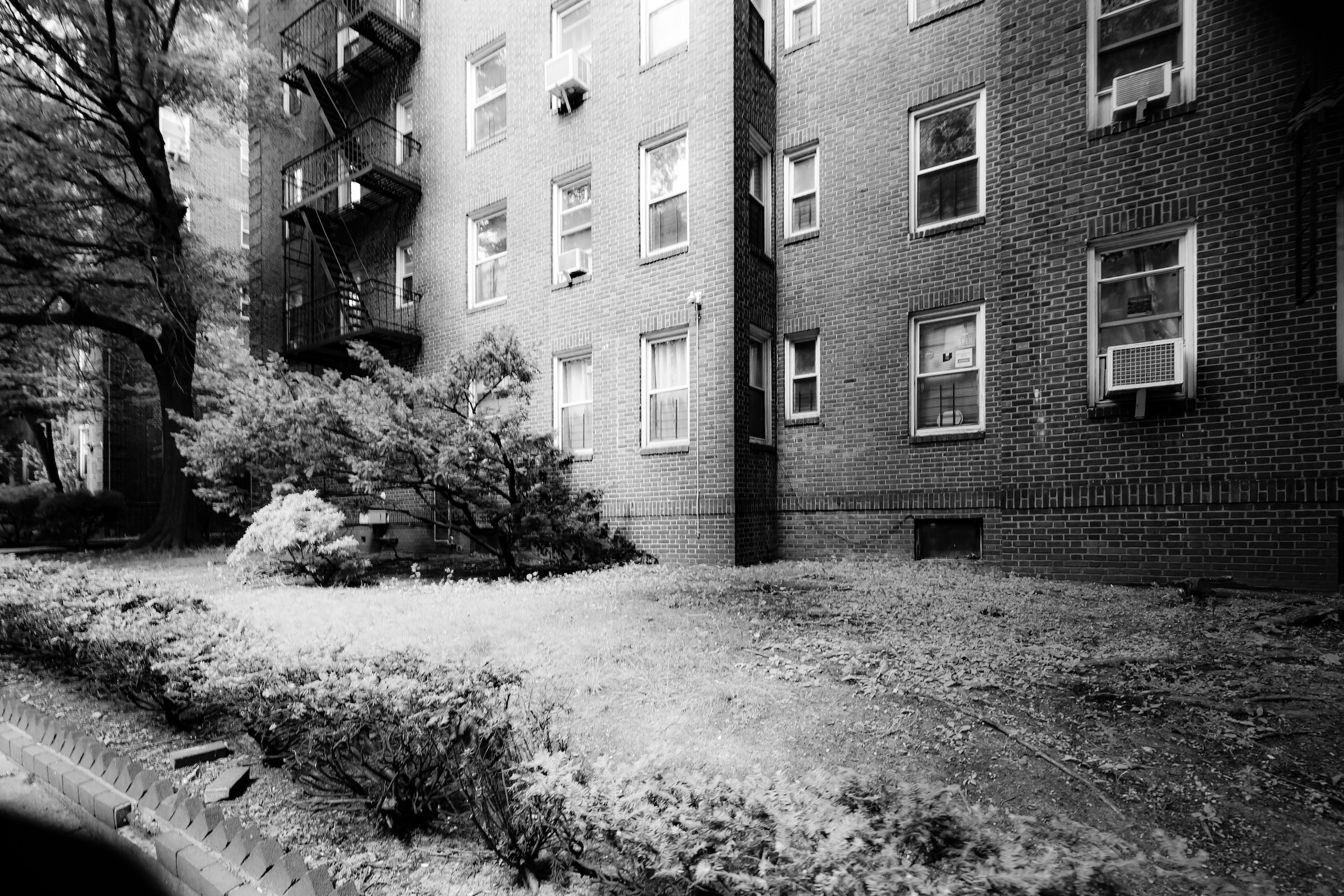
Kew Gardens — Queens — The Bright Patch
The composition hinges on a simple, powerful contrast: one area that refuses darkness while everything else cooperates. That single bright zone becomes the emotional temperature of the entire frame.
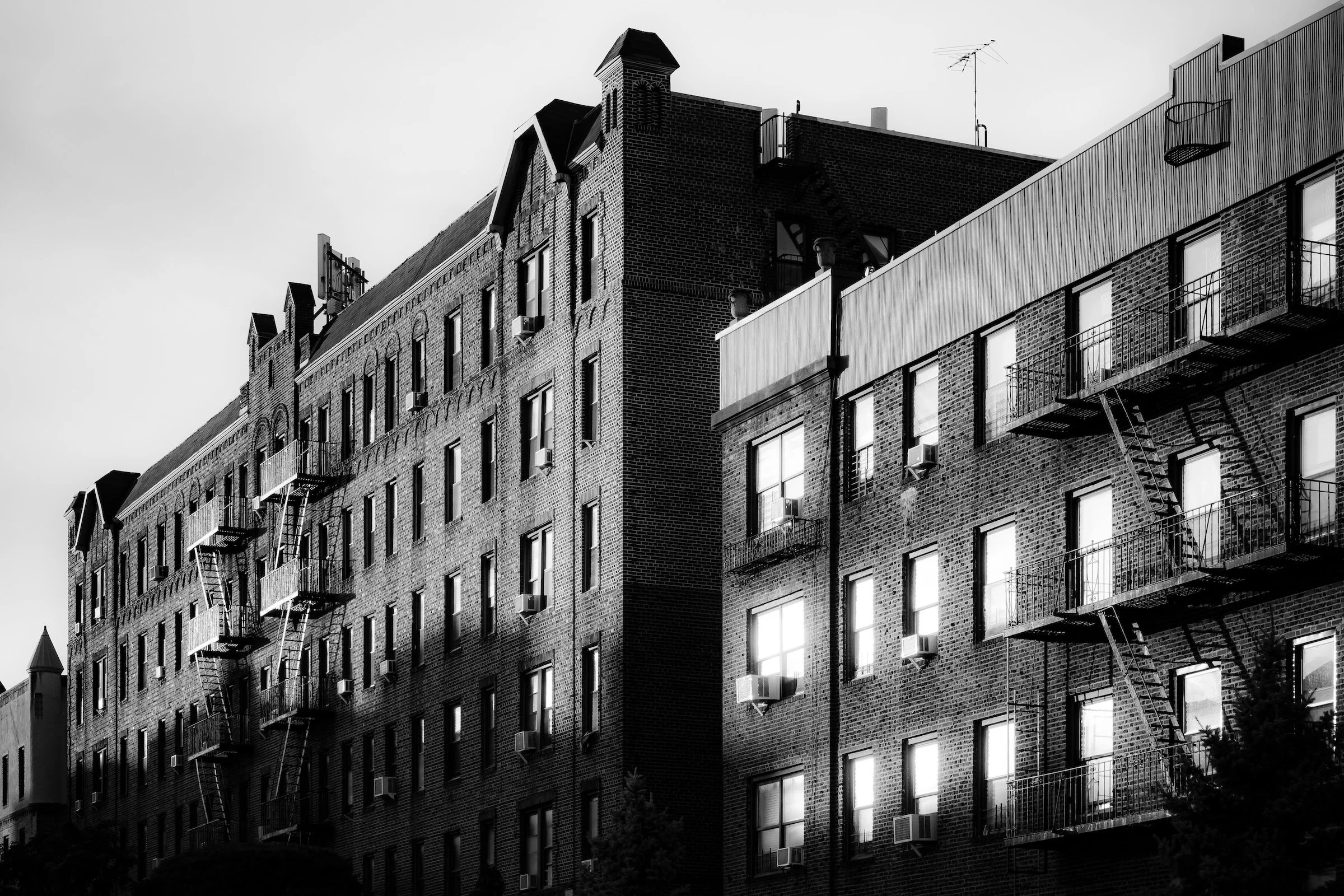
Kew Gardens — Queens — Lit Windows, Heavy Walls
Window light becomes a constellation that implies life without showing it. The shadows stay weighty, so the glow reads as precious—small, contained, and fiercely present.
Chiaroscuro (B&W Drama) Gallery



Explore Further