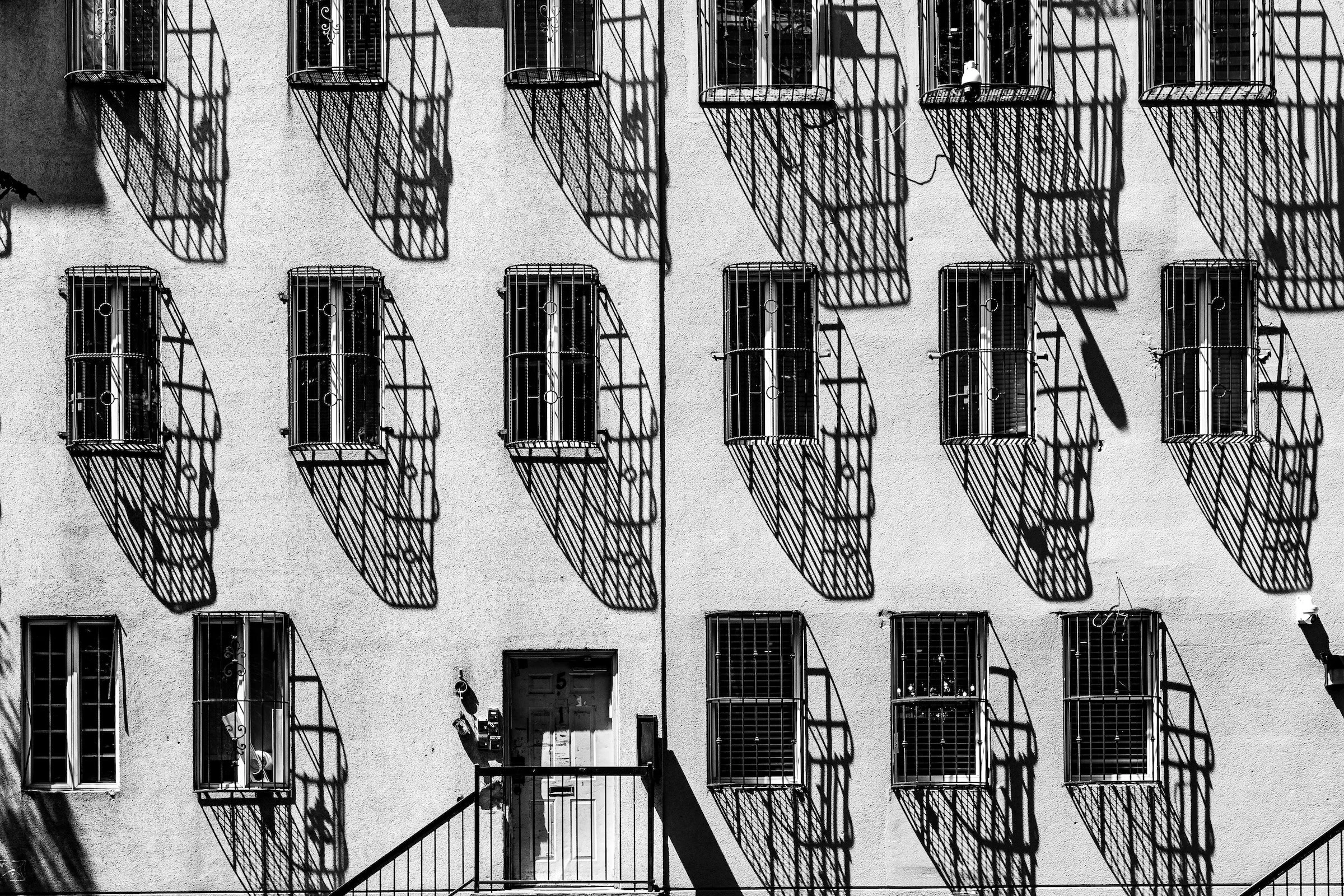

Sun Dapples
Bellerose Manor - Queens - Leaf-Lace Front Yard
Definition:
Sun Dapples are broken, patterned patches of sunlight—most often filtered through leaves—that land on grass, pavement, façades, or interiors like a moving stencil. Unlike Sunflections (light bounced back into a scene), Sun Dapples are light sifted through a canopy: a shifting mosaic of highlights and soft-edged shadow.
Usage:
You can use Sun Dapples to add rhythm, texture, and atmosphere to otherwise plain surfaces. They’re especially powerful for turning “empty space” (lawns, sidewalks, blank walls) into a compositional tool—guiding the eye, building depth, and giving a scene a quiet, painterly pulse.
Sun Dapples are one of the most common light phenomena in the real world—and one of the easiest to overlook in photography. They’re the lacework of summer: bright fragments that flicker across the ground, drift over a doorway, or shimmer on a street as the wind rewrites the pattern in real time.
When they’re strong, Sun Dapples can make a frame feel alive—as if the scene is breathing—because the light itself becomes a subject, not just illumination.
In Depth:
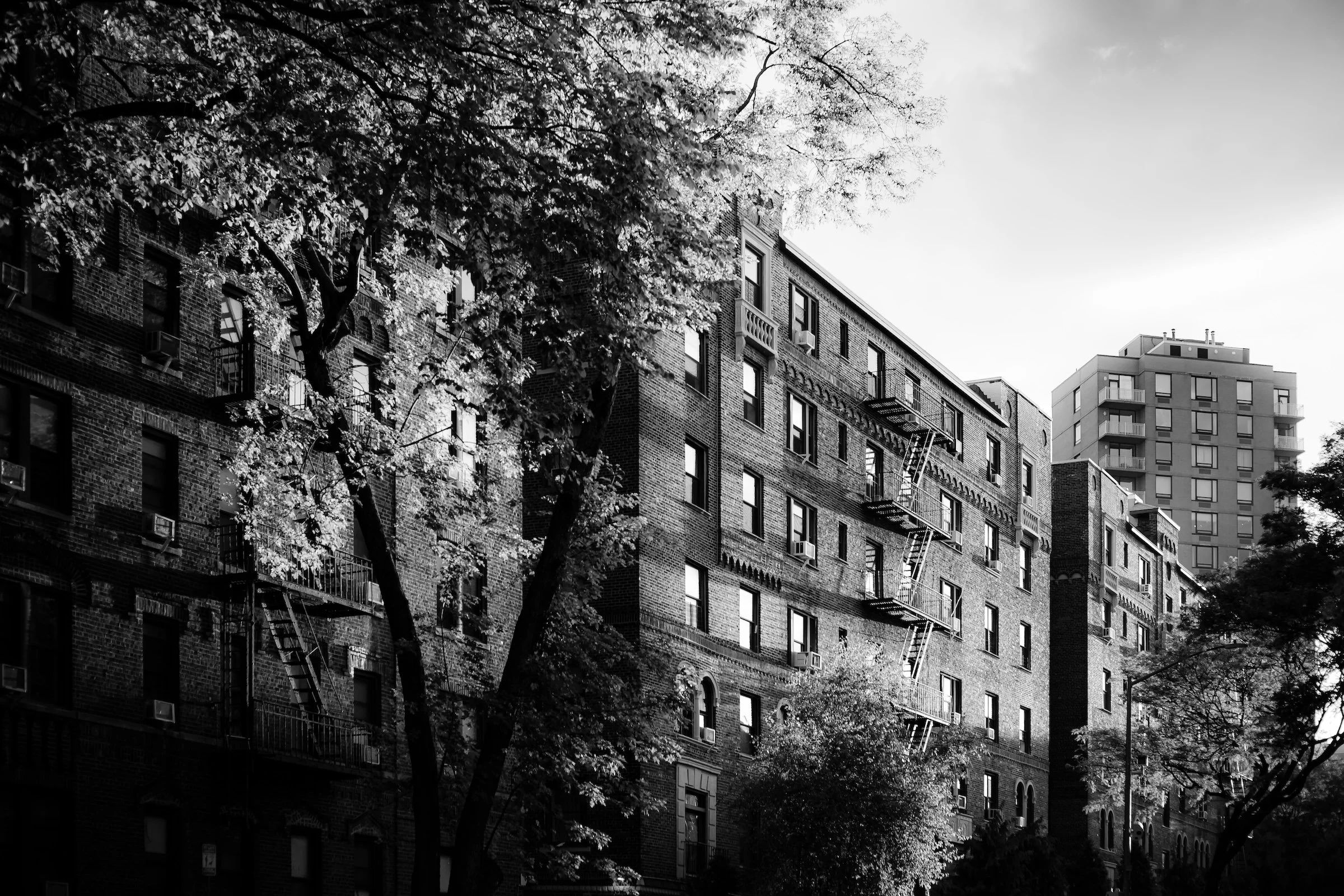
I’m using Sun Dapples as a repeatable way of seeing: the moment when overhead light is broken into fragments and “painted” across a surface in soft, irregular shapes. Sometimes the pattern is delicate and granular; sometimes it’s bold enough to feel like a second layer of design laid over the world.
In practice, Sun Dapples can create foreground interest, add dimensionality to flat scenes, and introduce a gentle sense of motion without needing people or action. They’re also wonderfully universal—NYC streets, suburban lawns, and European canal lanes all generate the same visual behavior whenever you have sun + canopy + breeze.
A few quick ways to spot them in the field:
Look for leafy canopies: street trees, park corridors, backyards, and garden edges.
Watch for breezy days. A little wind makes the pattern animate; calm days make it settle into cleaner shapes.
Use side-light (morning / late afternoon) when possible—dapple patterns tend to read more clearly when the scene has depth and contrast.
Expose for the highlights. Let the shadows hold the structure; don’t blow out the brightest patches.
Move your position. A few steps can shift dapples from “visual noise” into a deliberate pattern with rhythm.
Below are ten launch examples that show Sun Dapples in different forms: across roads and paths, on façades and doorways, and as patterned “light weather” in front yards and garden space. Each image includes a brief note on what the dapples are doing in the frame, and why I consider it a strong example of the concept.
Pathway Sun Dapples:
These are the “classic” Sun Dapples: broken sunlight scattered across roads, paths, and canal-side lanes—turning a flat surface into a living texture.

Alley Pond Park - Queens - Sun Pools on the Path
Here the dapples behave like stepping stones—bright islands that give the path a gentle rhythm. When the pattern is strong, simplify everything else: keep the path edges clean and let the light do the work.
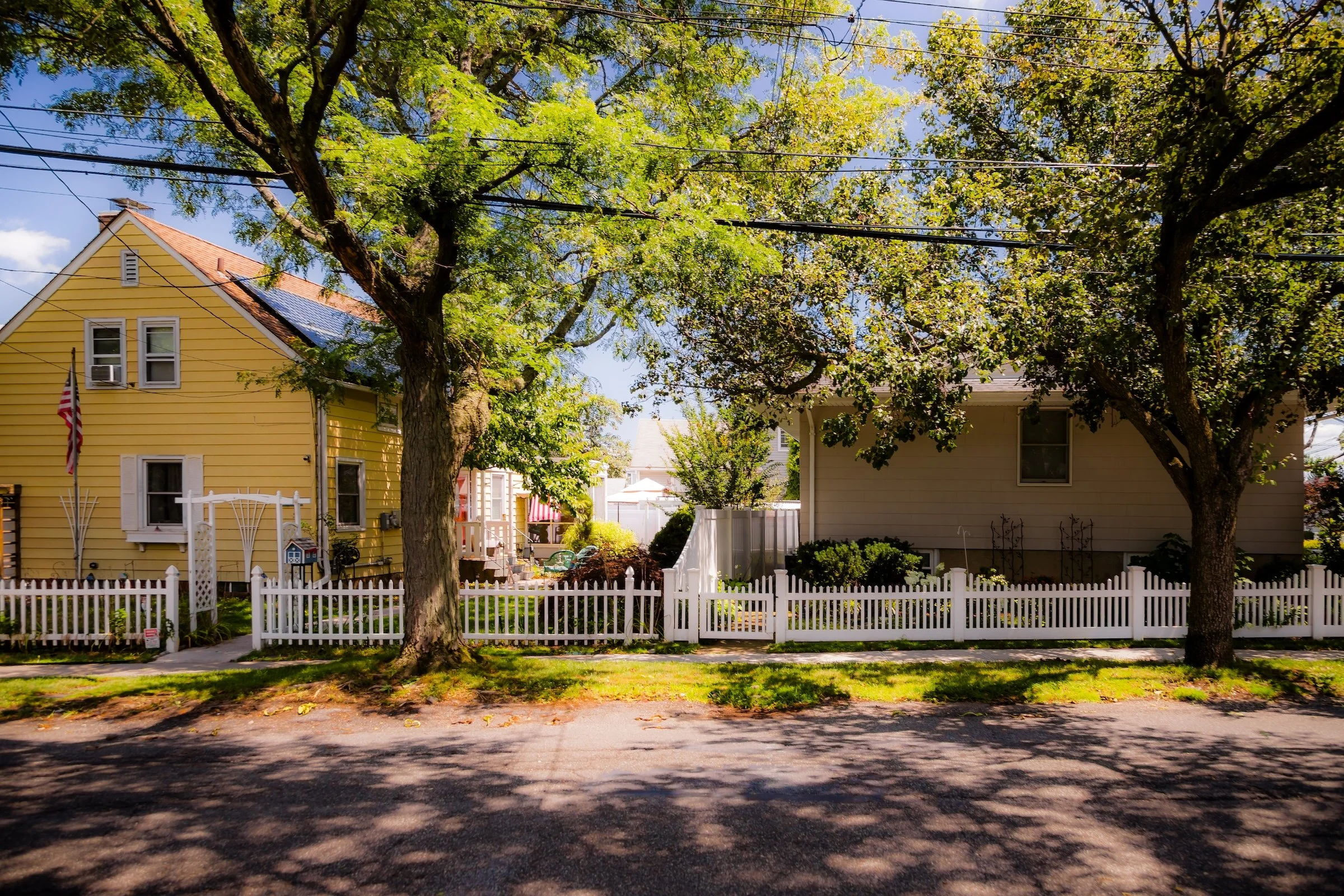
City Island - The Bronx - Fence-Line Flicker
Street trees cast a soft, irregular pattern that breaks up the road and sidewalk like a quiet tremor. This is a good example of “low-drama dapples” that still add life—especially when the frame is otherwise calm and geometric.
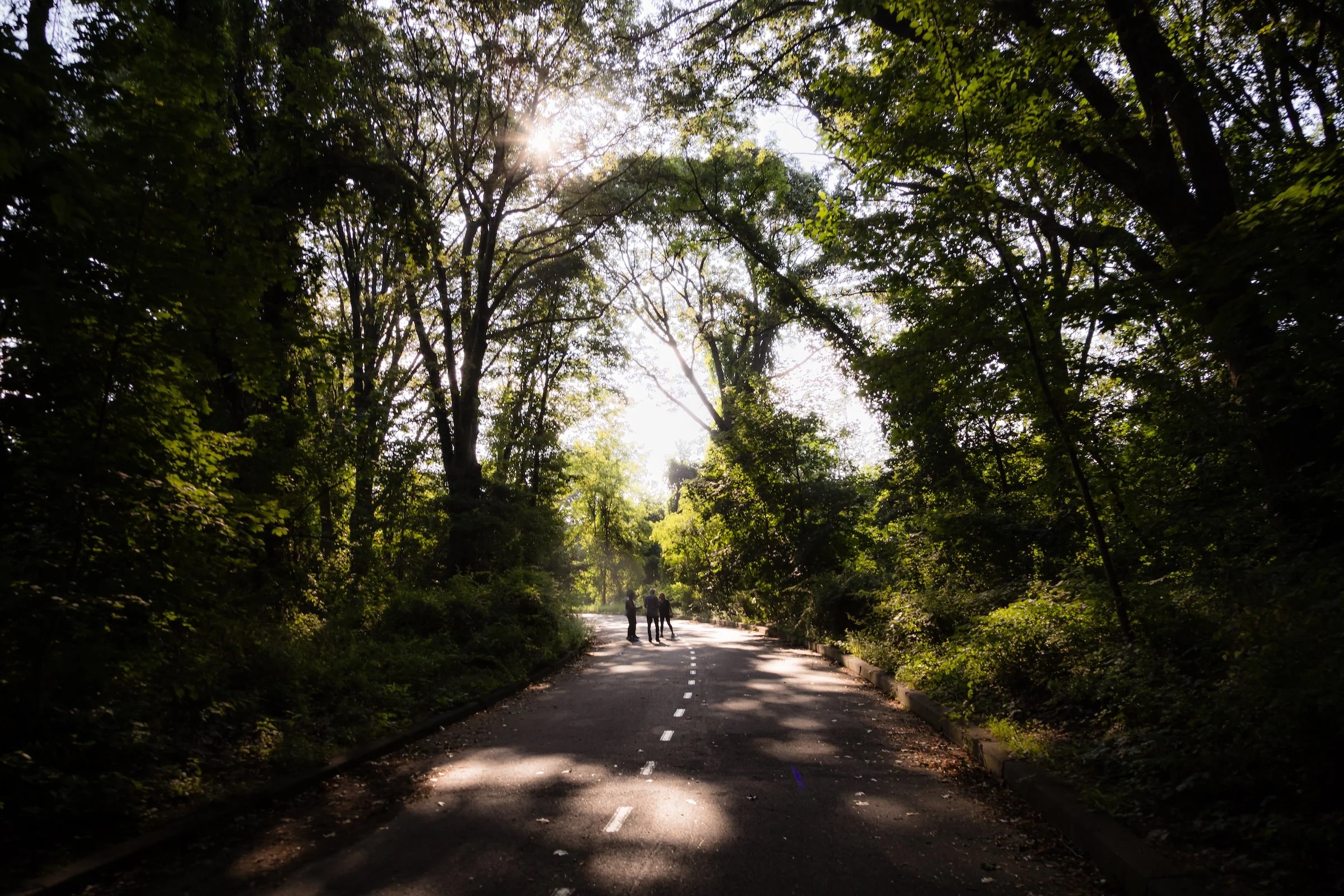
Alley Pond Park - Queens - Dappled Tunnel Walkers
The canopy turns the road into a corridor of broken light, and the figures become scale markers inside the glow. In scenes like this, expose for the bright patches and let the trees form the dark architecture around them.
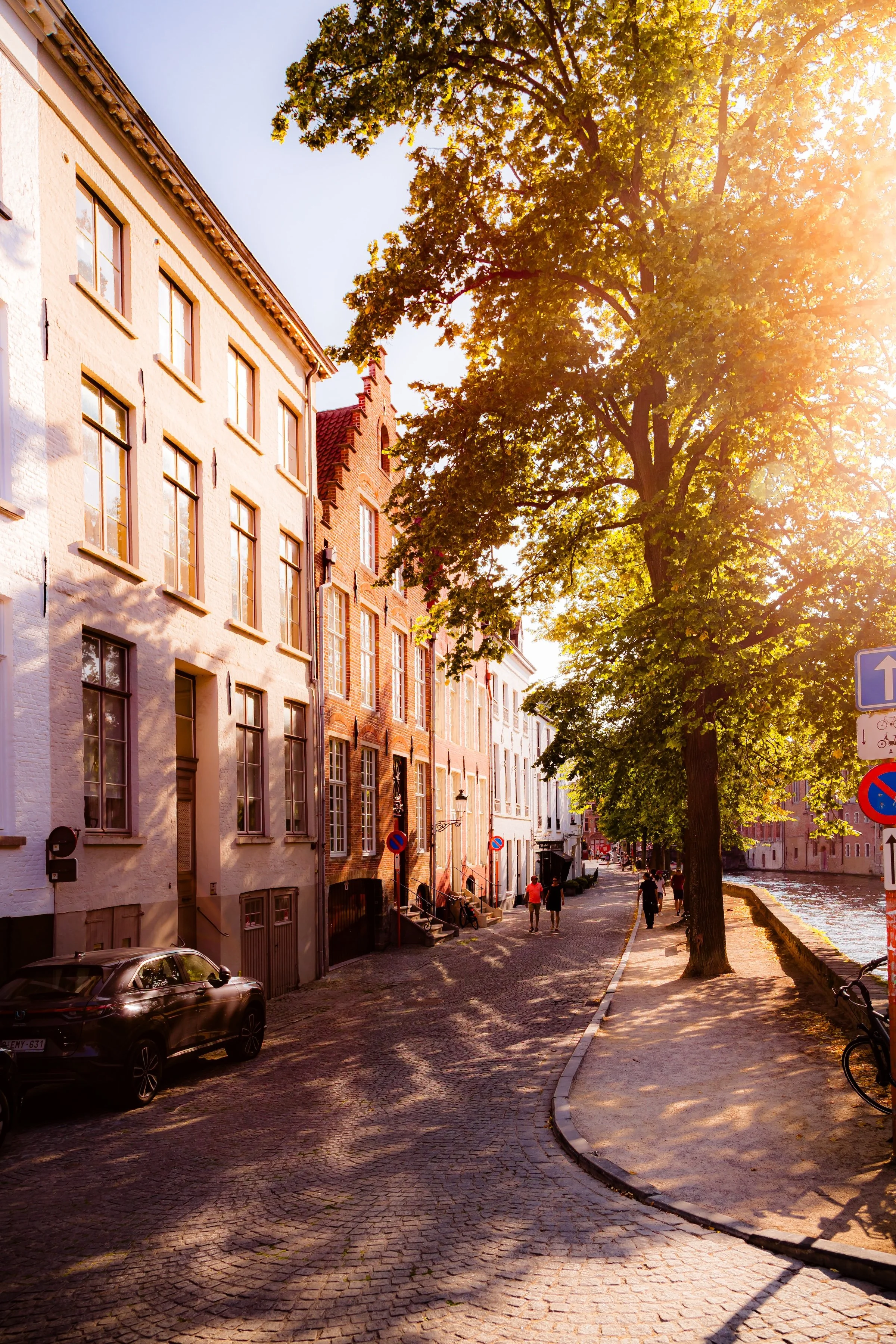
Magdalena Quarter - Brugge - Golden Canopy Promenade
Sun dapples here feel like a warm wash—less “spots,” more a drifting veil—made richer by the stone lane and late-day light. When dapples lean golden, keep your whites in check so the warmth stays luminous instead of crunchy.
Façade and doorway dapples:
Sometimes Sun Dapples “climb” onto architecture—turning walls, doors, and windows into a canvas where light behaves like pattern and ornament.
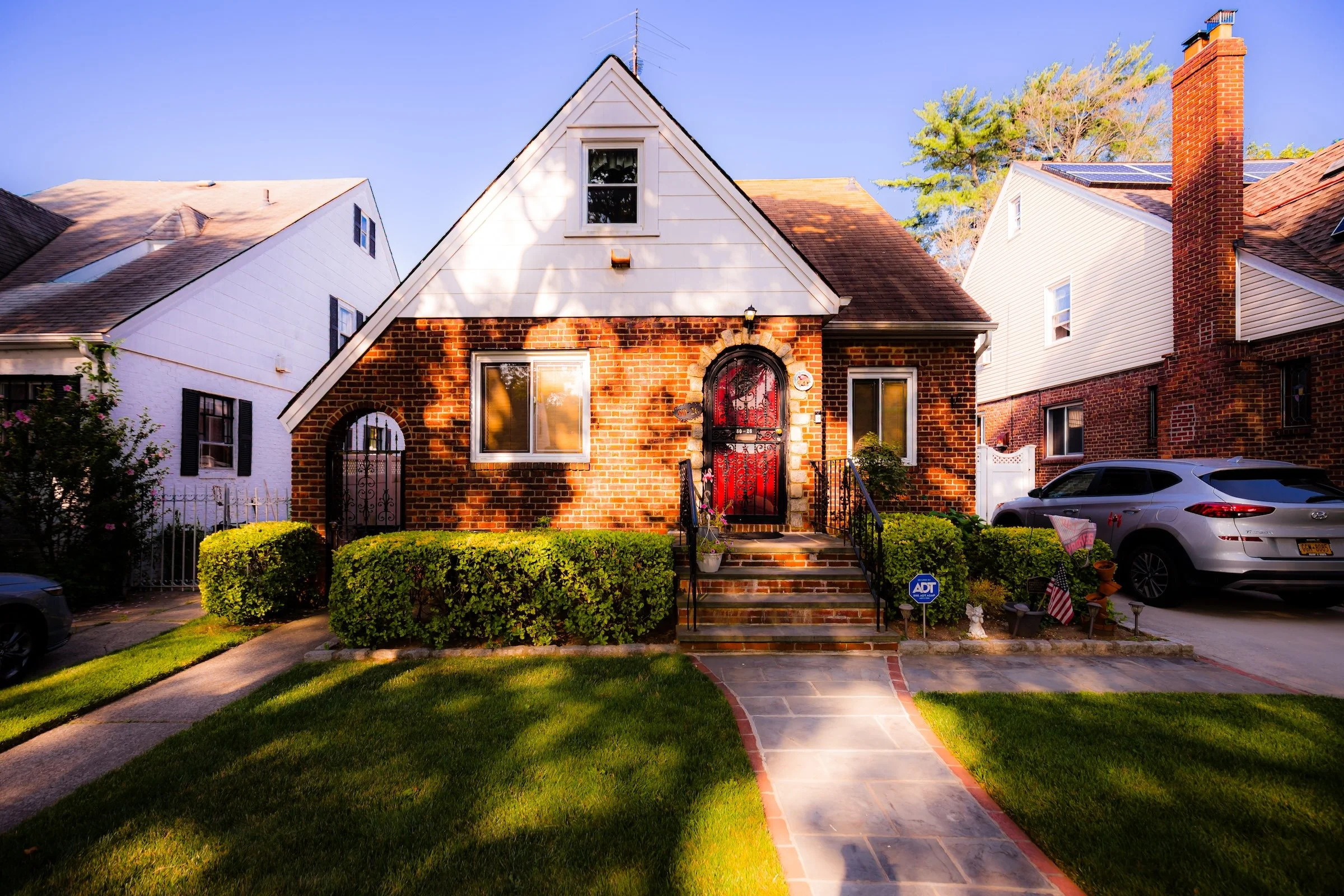
Bellerose Manor - Queens - Red Door, Leaf-Lace
The dapples turn the brick and entryway into a textured field, while the red door anchors the composition like a punctuation mark. When you have a strong color focal point, let the dapples support it—don’t let them compete.
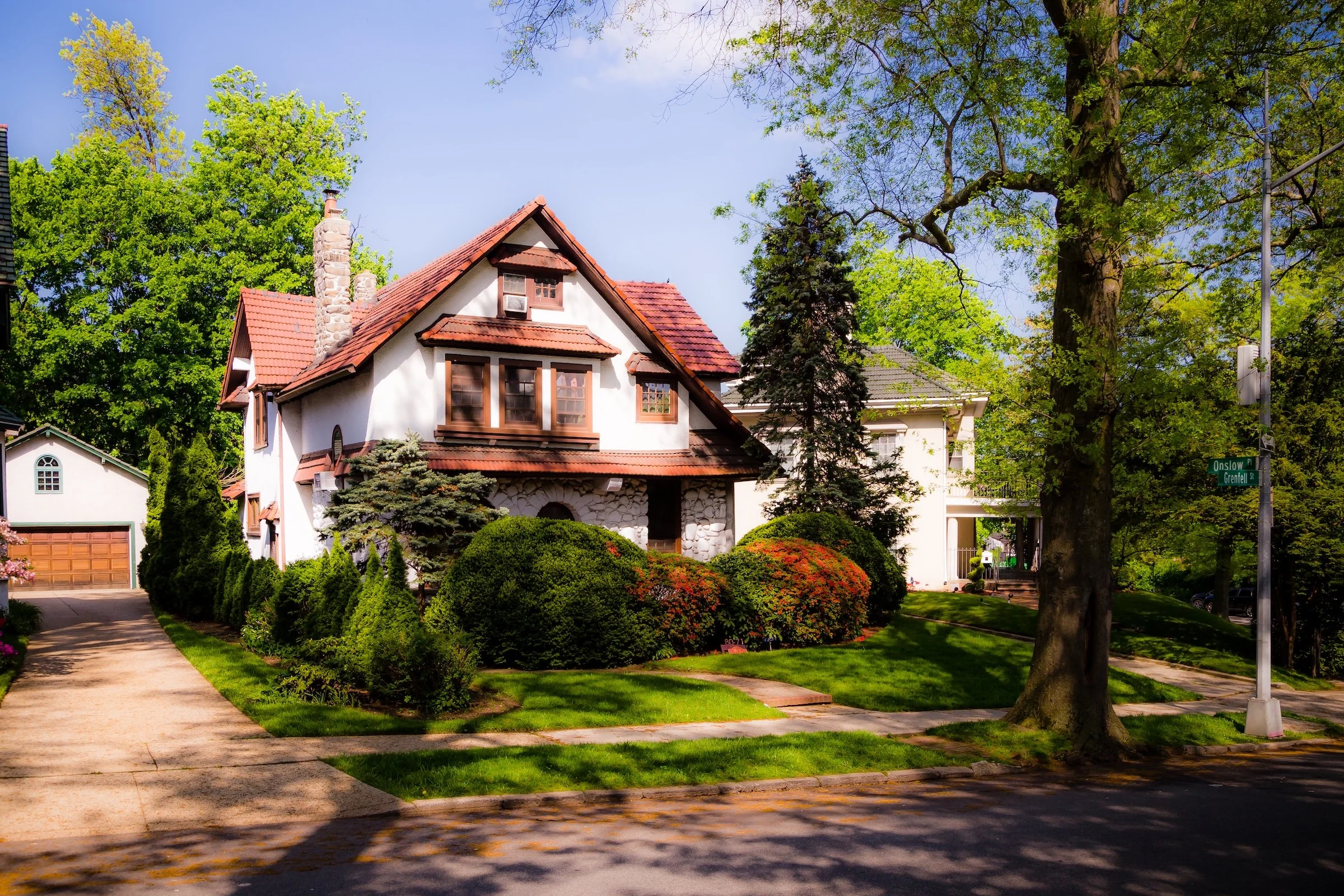
Kew Gardens - Queens - Tudor Under Canopy
This is dappling as atmosphere: the canopy doesn’t just decorate the frame, it softens the whole scene into a lived-in calm. In images like this, avoid over-sharpening—let the light stay airy and natural.
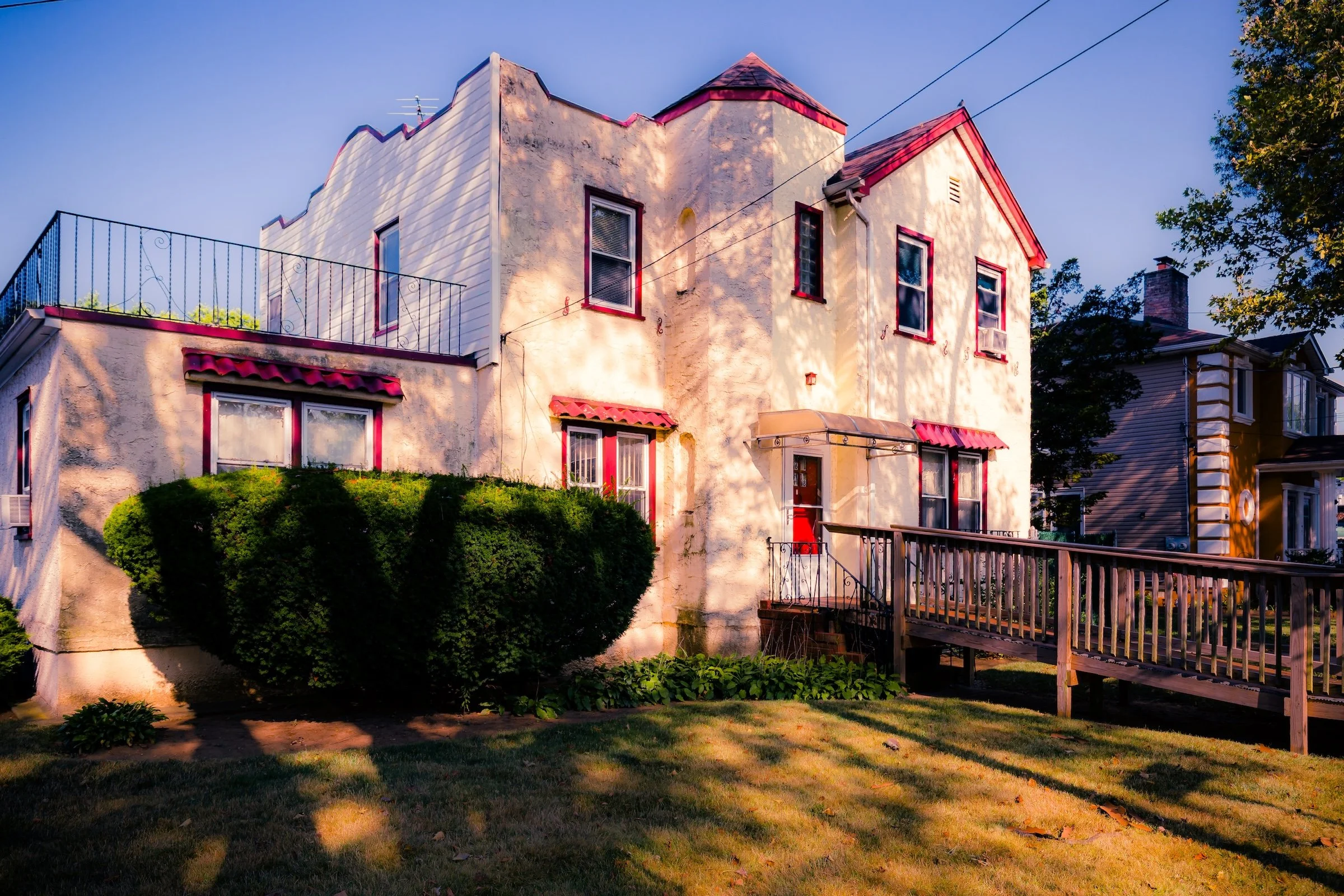
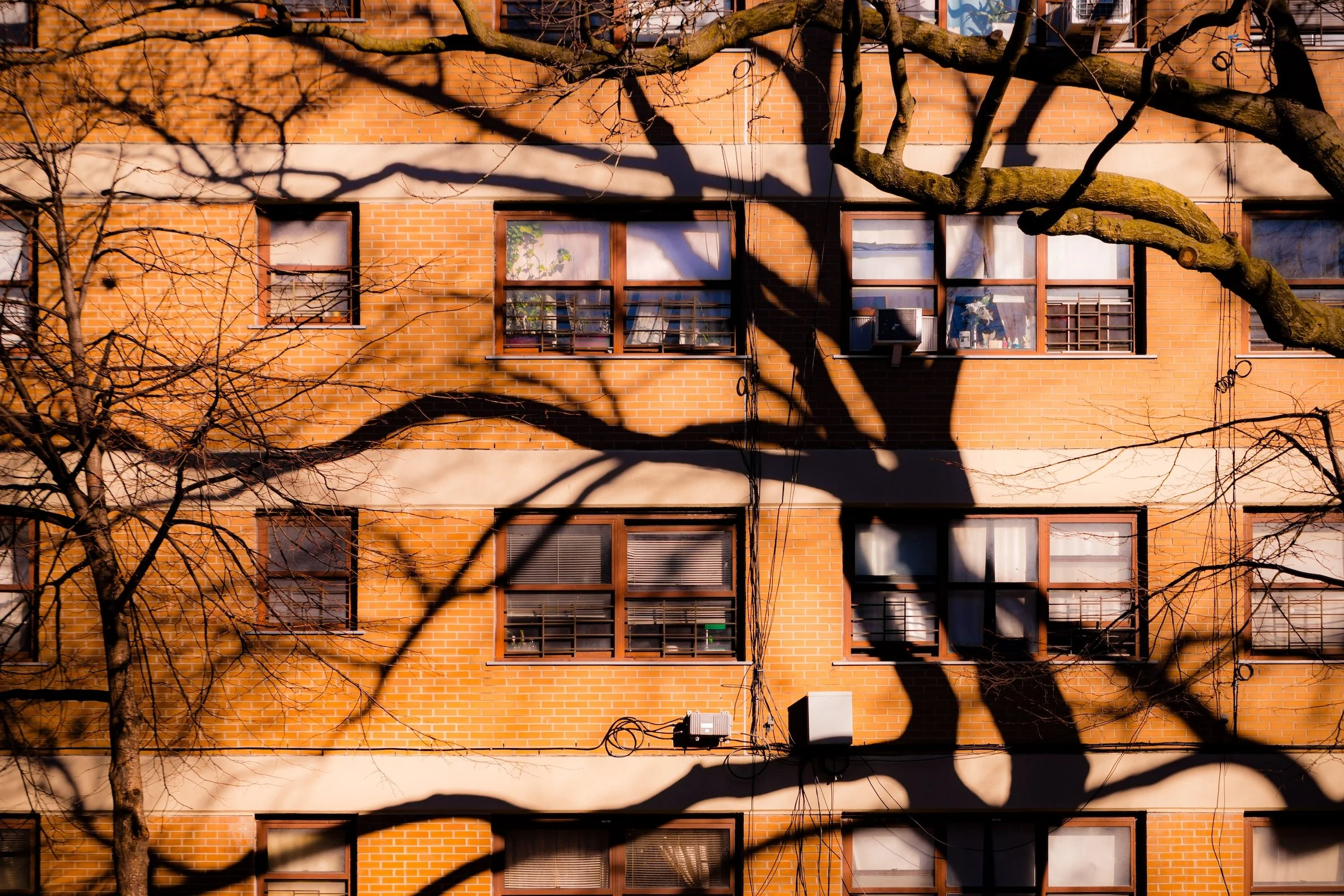
Bellerose Manor - Queens - Shadow-Net Stucco
Here the pattern reads almost like a projected textile—fine, layered, and gently uneven. When dapples become “net-like,” watch your midtones: keep them open so the pattern reads as light, not as mud.
Lawn and garden mosaics:
These examples show Sun Dapples as a tool for shaping open space—turning lawns and front yards into a composed surface with depth, movement, and mood.
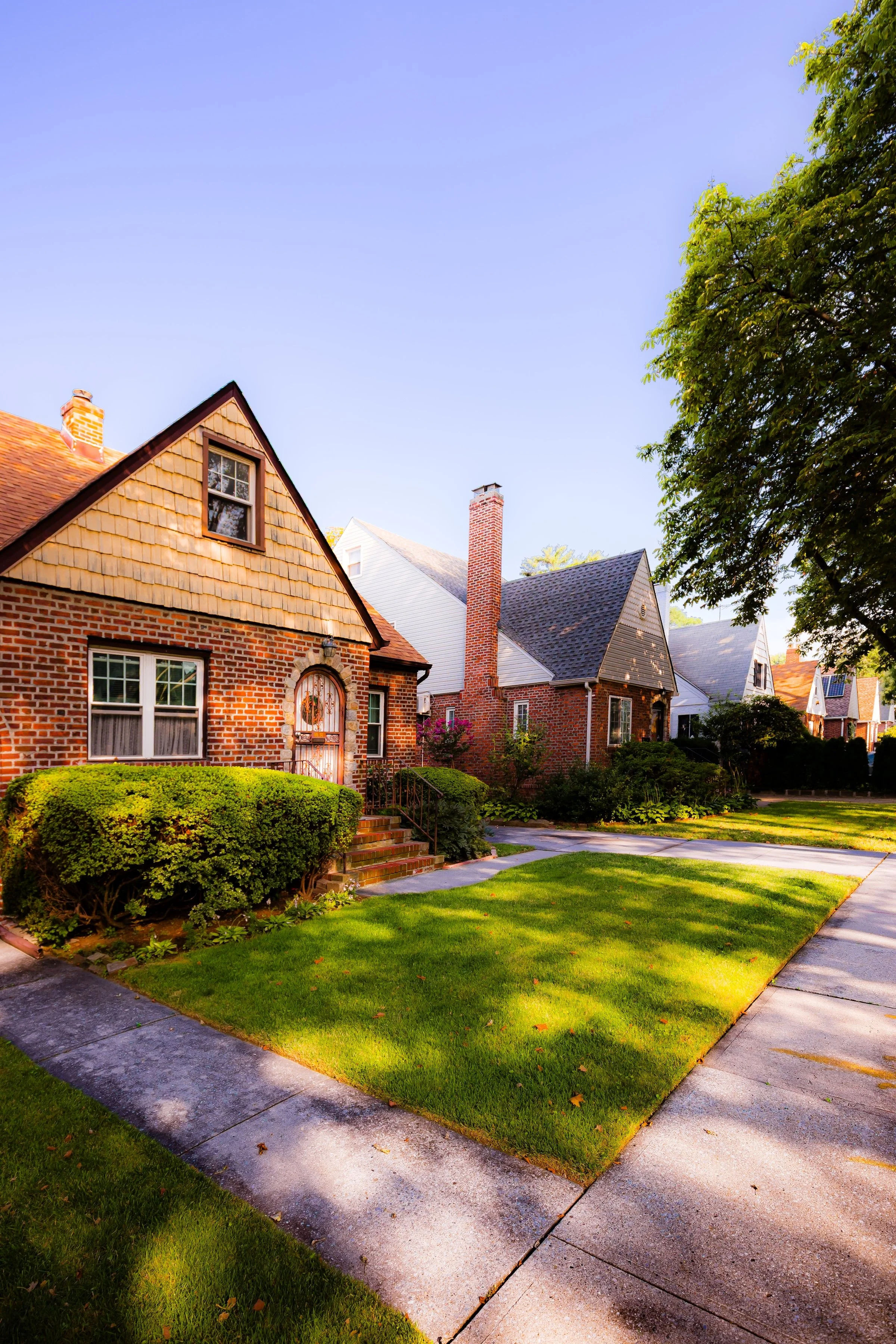
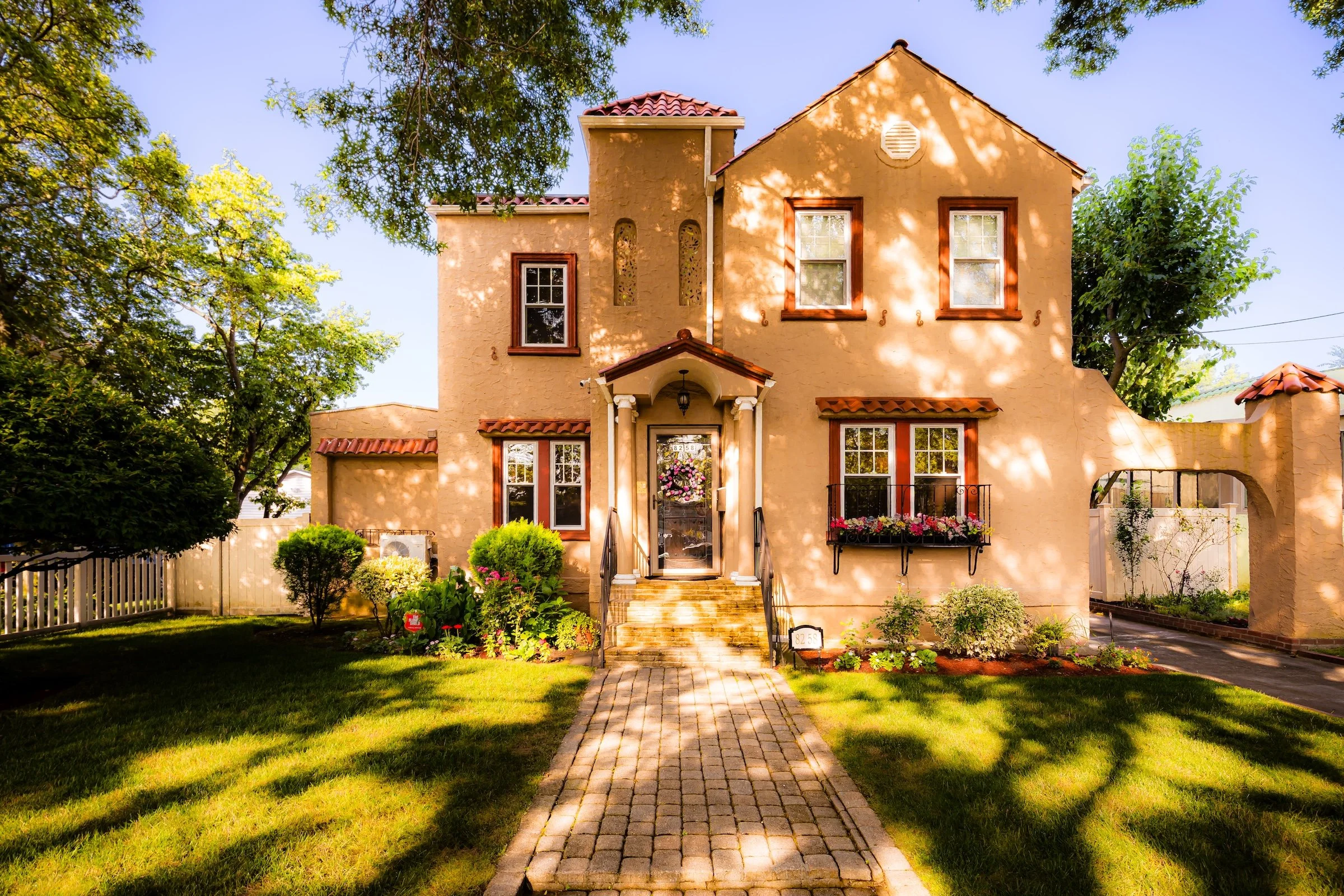
Bellerose Manor - Queens - Front-Lawn Mosaic
The yard becomes a patchwork of light and shade, which gives the neighborhood calm a subtle energy. A strong tactic here is to let the dapples occupy the foreground, then keep the background architecture orderly and quiet.
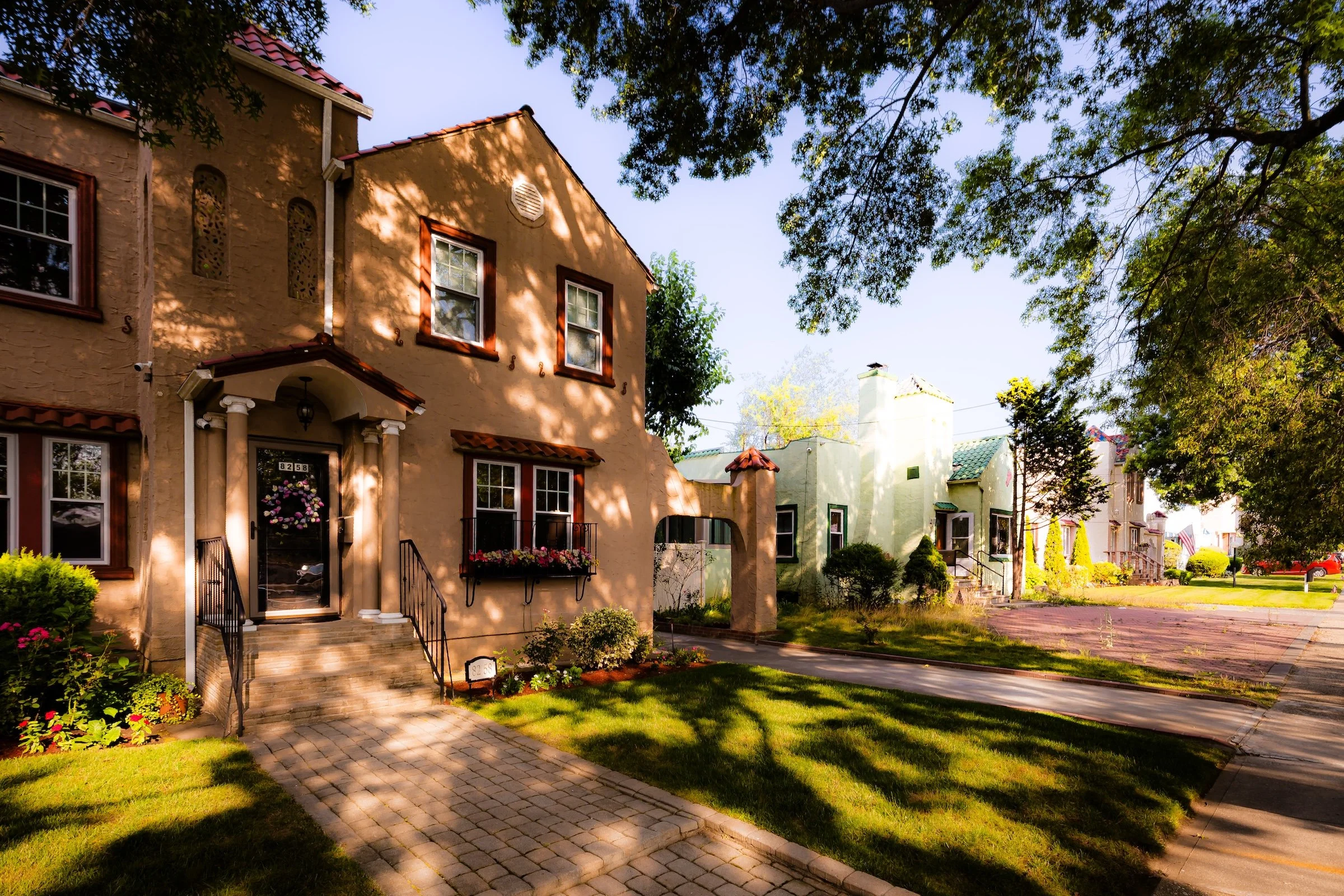
Bellerose Manor - Queens - Block of Dappled Stucco
The dapples link the house to the street trees—the light becomes a visual “bridge” between nature and architecture. When you’re photographing a whole block, look for dapples that unify separate elements into one coherent feel.
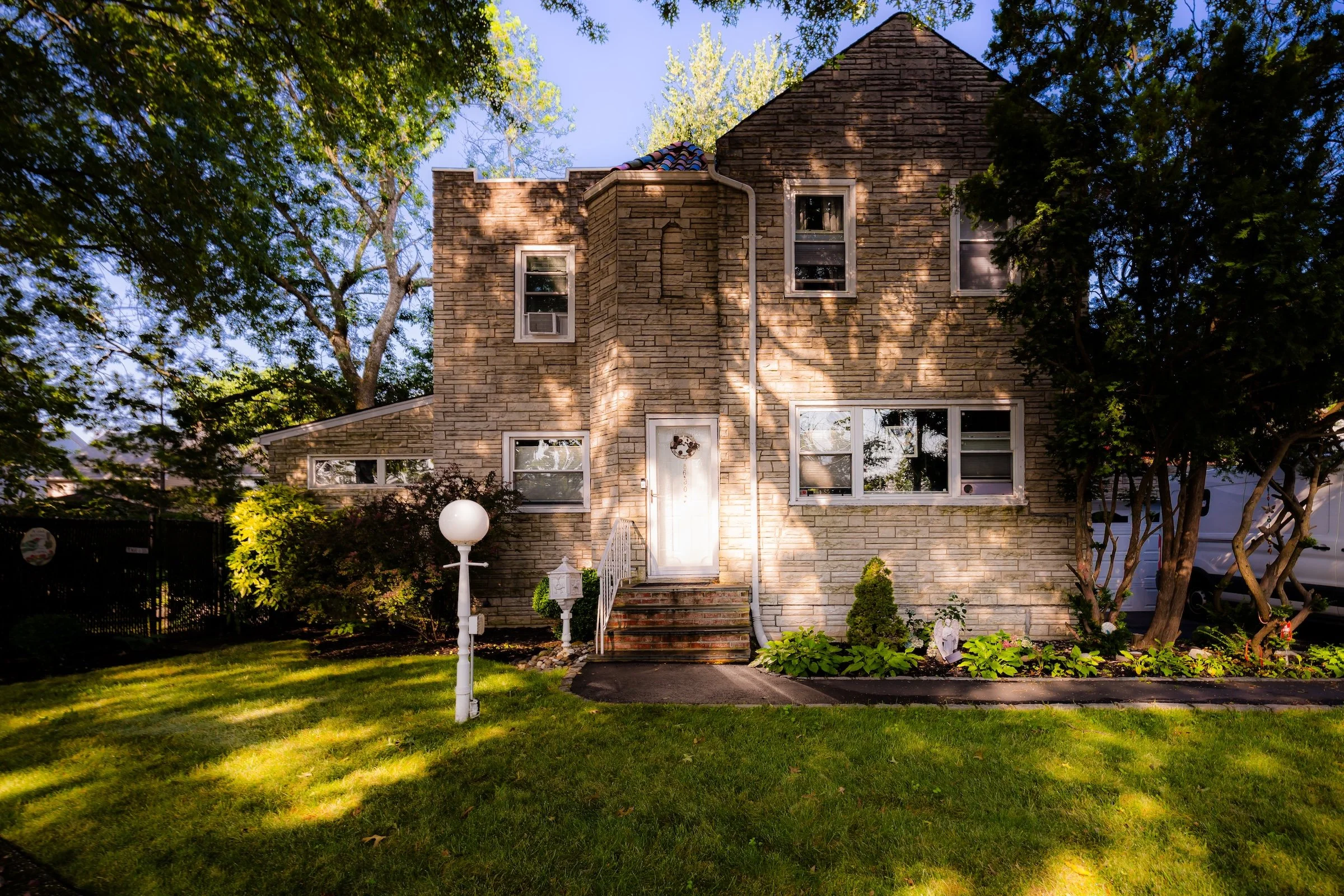
Bellerose Manor - Queens - Stonehouse Shade Quilt
This is a great example of dapples adding softness to heavier materials—stone, deep greens, and solid forms. When the subject is weighty, dapples can keep the image from feeling static by introducing gentle motion across the surface.
Explore Further