
Sungleams
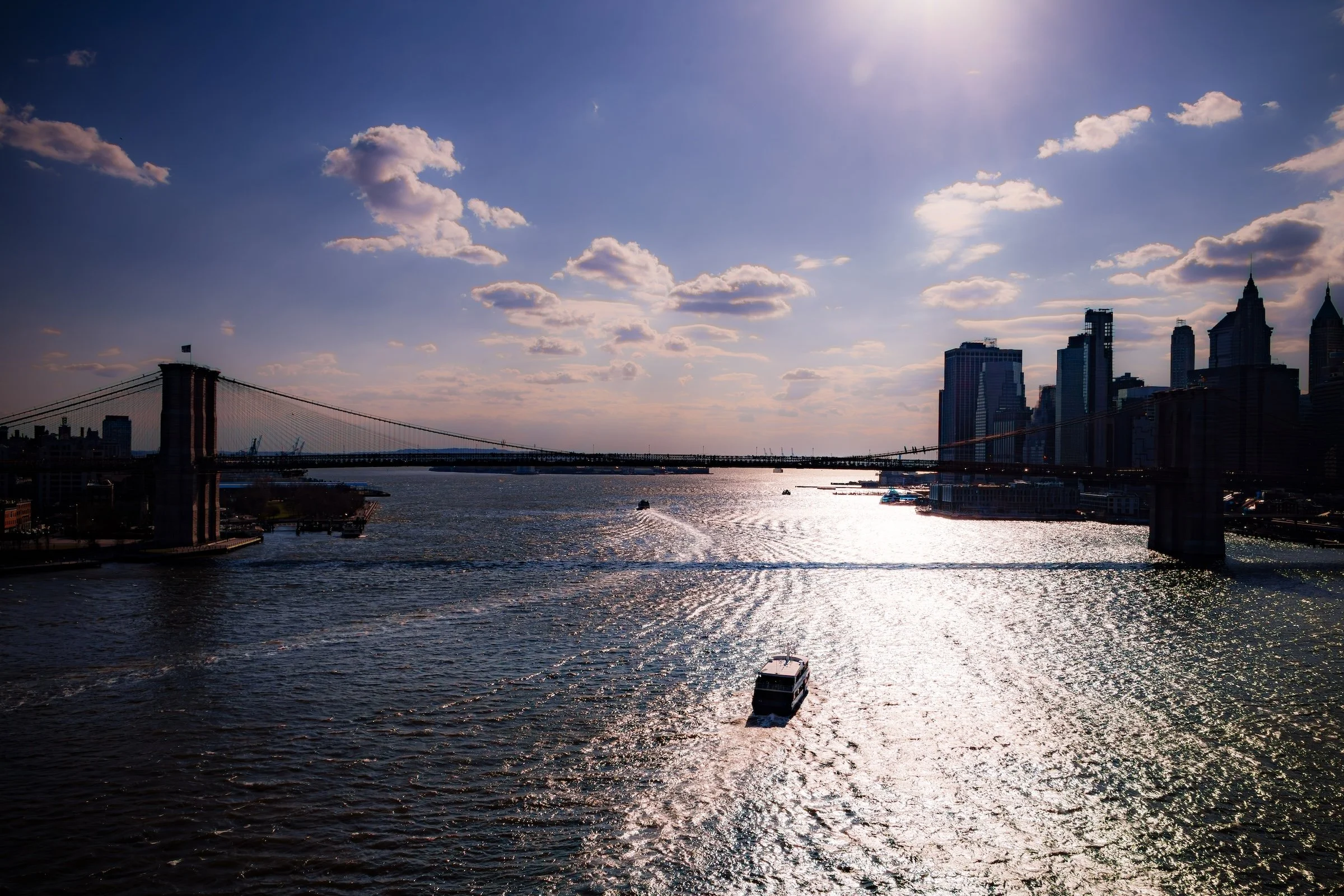
Two Bridges – Manhattan – East River Glarepath
Definition:
Sungleams are moments when the photograph includes the sun itself (or a near-direct line of sight to it), and the light becomes a structural element—rays, starbursts, flare arcs, halos, and glarepaths that reshape the frame. Unlike Sunflections (which are redirected light landing on surfaces), Sungleams are direct light events: the sun is in the scene, and you compose around what it does to everything else.
Usage:
Use Sungleams to create drama, direction, and atmosphere. They can carve silhouettes, pull the eye into the frame with a bright “target,” and add a sense of scale and emotion—especially when the sun is partially blocked by trees, buildings, railings, or street fixtures.
Sungleams are the classic “look into the light” move—but with intention. They’re not just brightness; they’re geometry: spokes, streaks, veils, and flares that can anchor a composition the same way a skyline or a leading line would.
When you start treating the sun like a subject (and not just a hazard), you’ll notice how often the city offers you ready-made apertures—leaves, rooflines, window gaps, branches, bridge cables—places where the light can break into shape.
In Depth:
I use Sungleams as a term for direct-sun compositions where the light effect is doing real compositional work. Sometimes it’s a starburst pinned between branches. Sometimes it’s a flare that turns a street corner into a stage. Sometimes it’s a long glarepath on water that becomes a literal road of light.
A few quick ways to spot them in the field:
Look for partial blockage. Branches, poles, rooflines, statues, railings—anything that lets the sun “leak” into shape instead of flattening the frame.
Change your angle by inches. Sungleams are hypersensitive; tiny shifts can turn a dull glow into a clean starburst.
Expose for the highlight. Let the sun be bright; build the rest of the image around controlled shadow and readable silhouettes.
Use the flare intentionally. If flare is present, decide whether it’s the subject (keep it) or noise (shade the lens, reframe, or wait).
Below are ten launch examples that show Sungleams in different forms: starbursts, canopy-filtered rays, architectural framing, and glarepaths that turn streets and rivers into illuminated corridors. Each image includes a brief note on what the Sungleams are doing in the frame, and why I consider it a strong example of the concept.
Starburst and silhouette sungleams:
These are the bold, graphic Sungleams—where partial blockage turns the sun into a star point, and the surrounding shapes (trees, buildings, monuments) become a readable silhouette architecture.

Central Park – Manhattan – Starburst Sentinel
A clean sun-star pinned in bare branches turns the scene into a high-contrast emblem: light above, monument below. When you find this setup, expose for the starburst and let the silhouette stay unapologetically dark—it’s doing the “anchor” job.
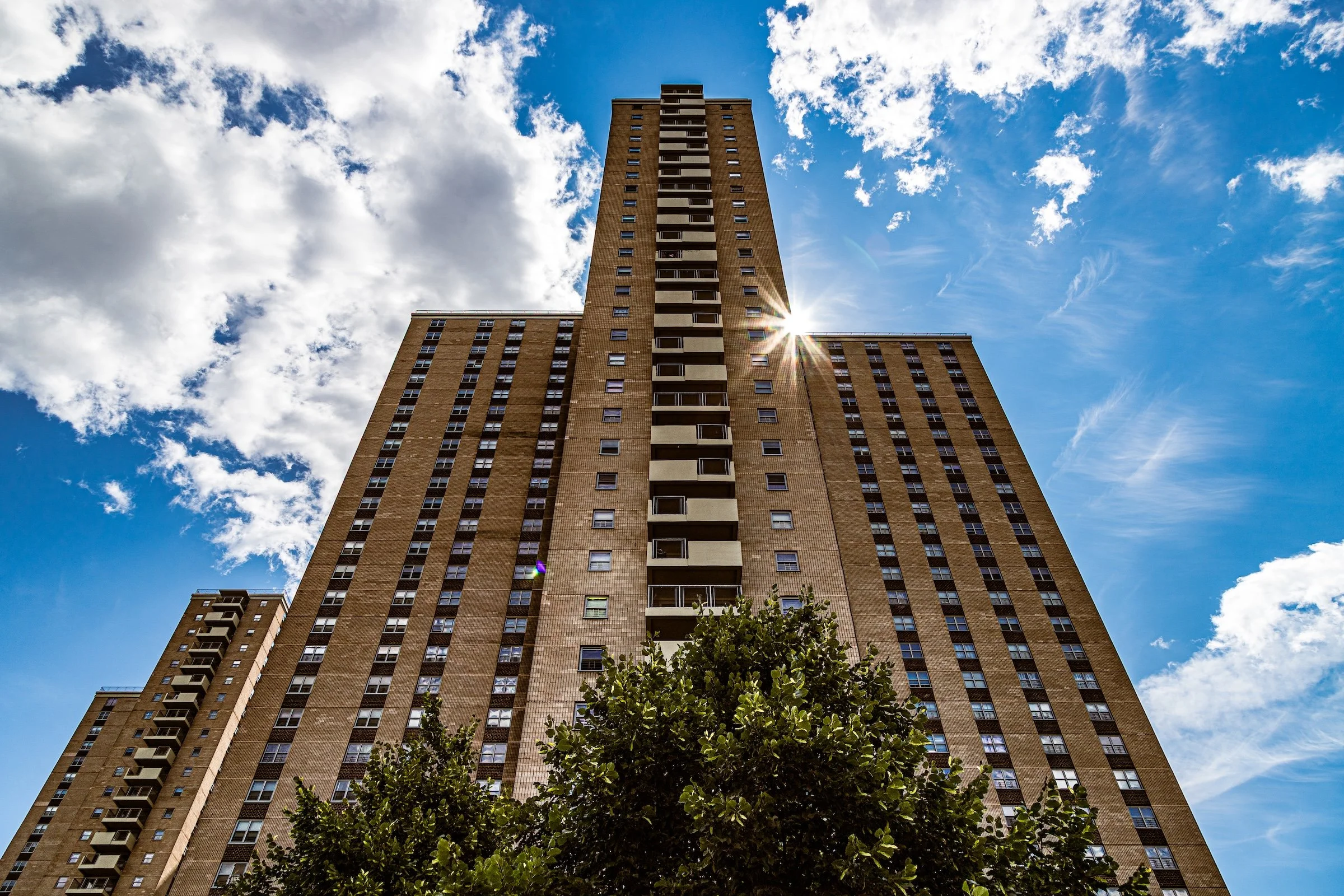
Co-Op City – The Bronx – High-Rise Sunspike
A tower becomes a light-splitting device: the sun breaks at the building edge and throws a crisp flare into the sky. This is a great reminder that Sungleams don’t require nature—hard geometry can produce some of the sharpest, cleanest beams.
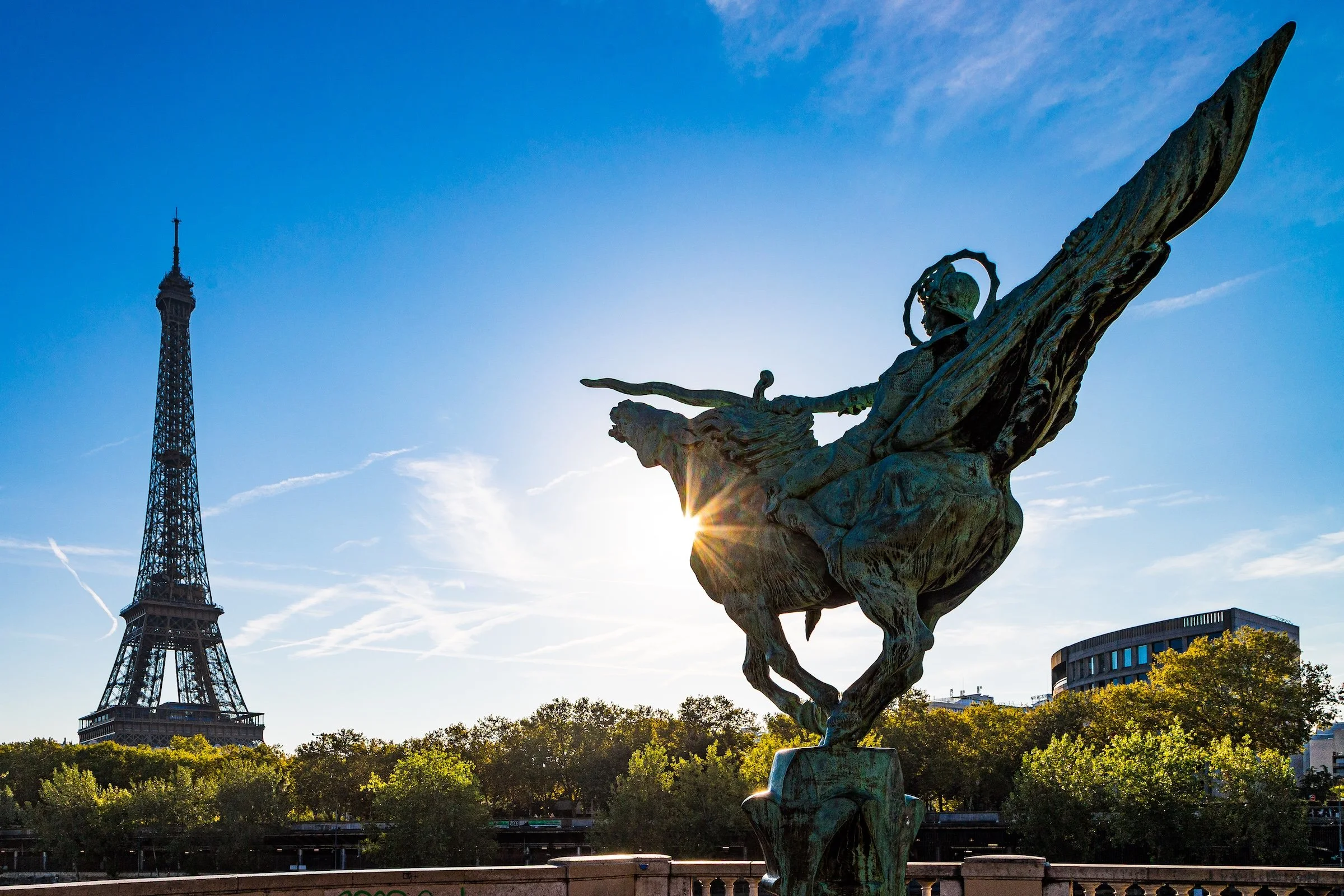
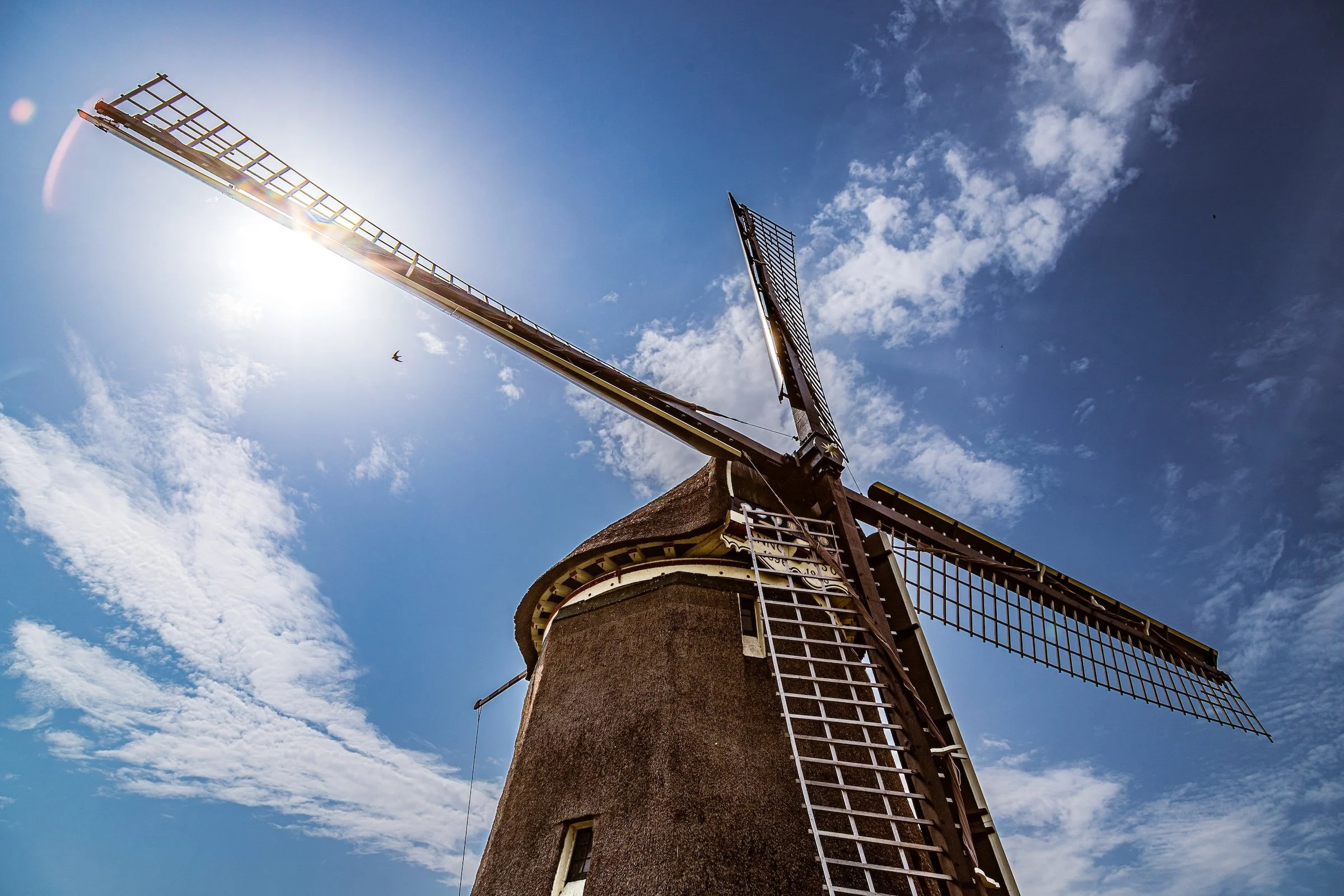
Volendam — Netherlands — Windmill Sunblade
Windmill arms and sky give you a perfect stage for a direct sun beam—simple shapes, big atmosphere. When the subject is iconic, keep your composition clean and let the Sungleam be the twist that makes the familiar feel freshly alive.
Canopy and street-corner sungleams:
These are more lived-in Sungleams—sun filtered through leaves, caught at intersections, and softened into a warm, directional glow that turns ordinary places into light-built scenes.
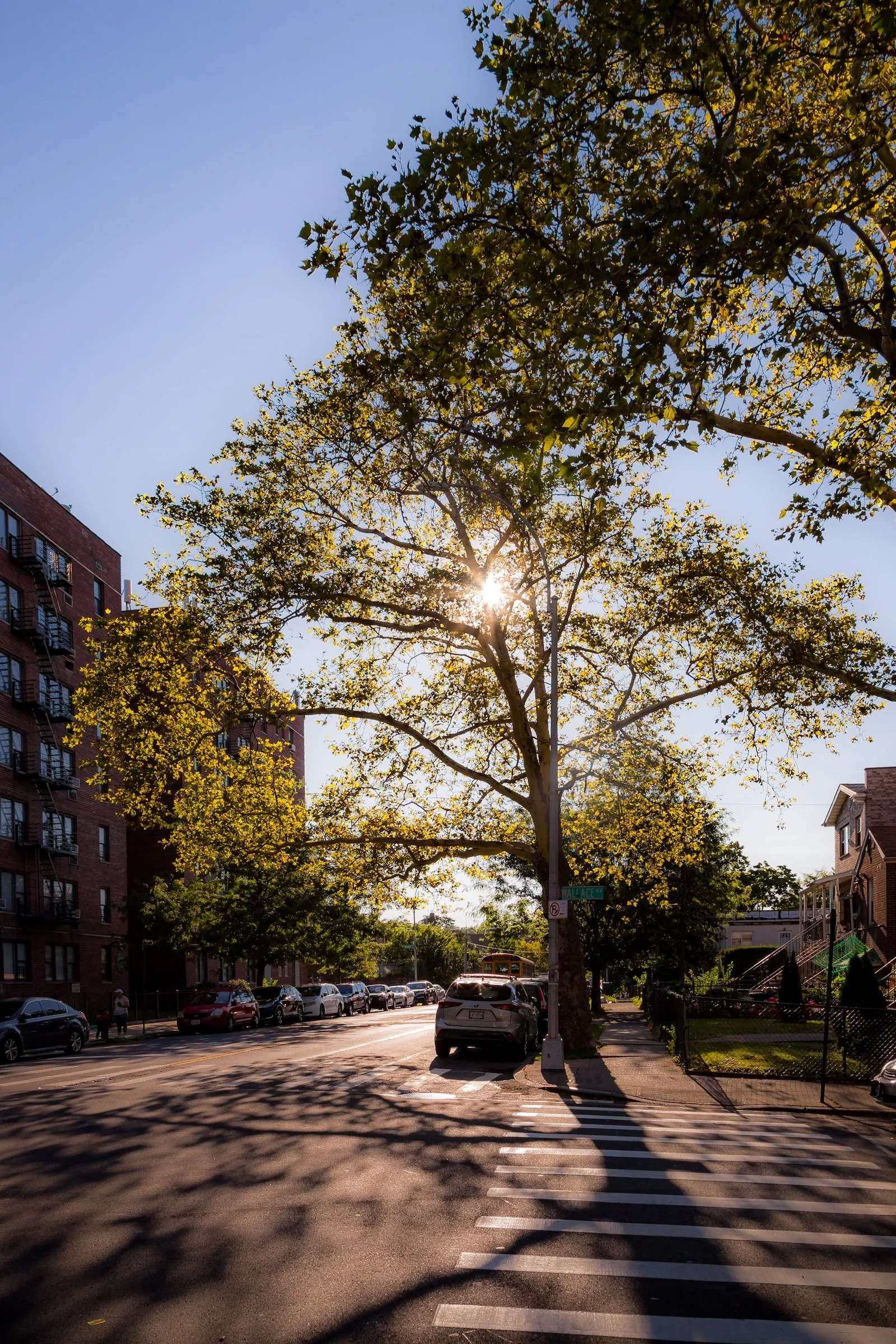
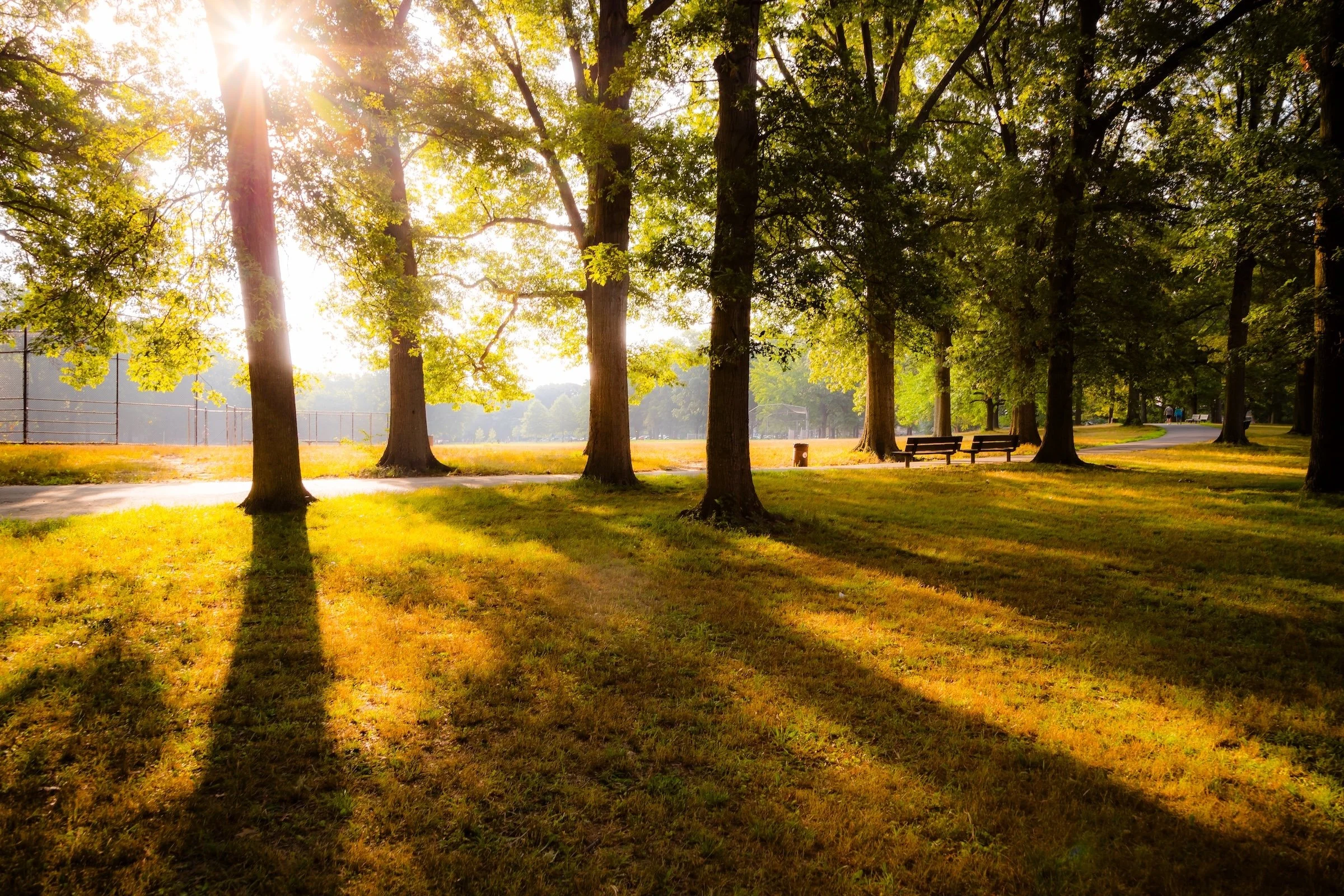
Alley Pond Park – Queens – Golden Lawn Rays
Long shadows and warm backlight turn the ground into a glowing plane, with the sun acting like an unseen projector. When the lawn is the stage, keep the horizon quiet and let the light direction do the storytelling.
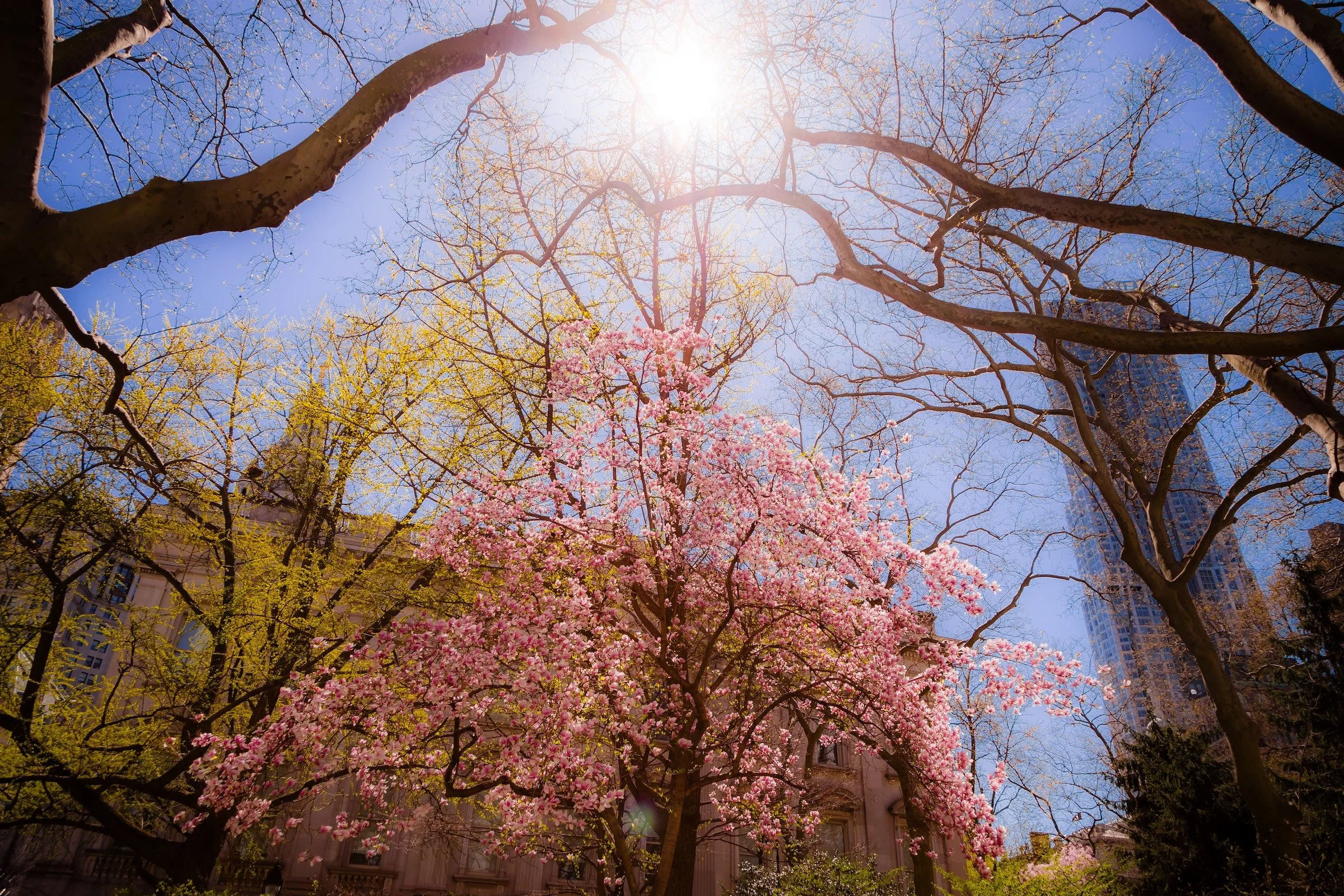
Civic Center – Manhattan – Blossom-Crowned Glare
Sungleams through spring bloom have a special “soft intensity”—bright enough to feel electric, gentle enough to read as painterly. Compose so the blossoms aren’t just decoration: they’re the filter that shapes the light.
Framed flares and glarepaths:
These are Sungleams that feel cinematic—sun contained by architecture, caught on reflective surfaces, or stretched into long bright paths that lead the eye like a visual current.

South Beach — Miami Beach — Bougainvillea Flare
A flare threaded through flowers makes the whole scene feel like summer memory rather than documentation. If the flare blooms into color, commit to it—center the frame on the “light event,” and let the rest soften into atmosphere.
Explore Further