
Urban Canyons
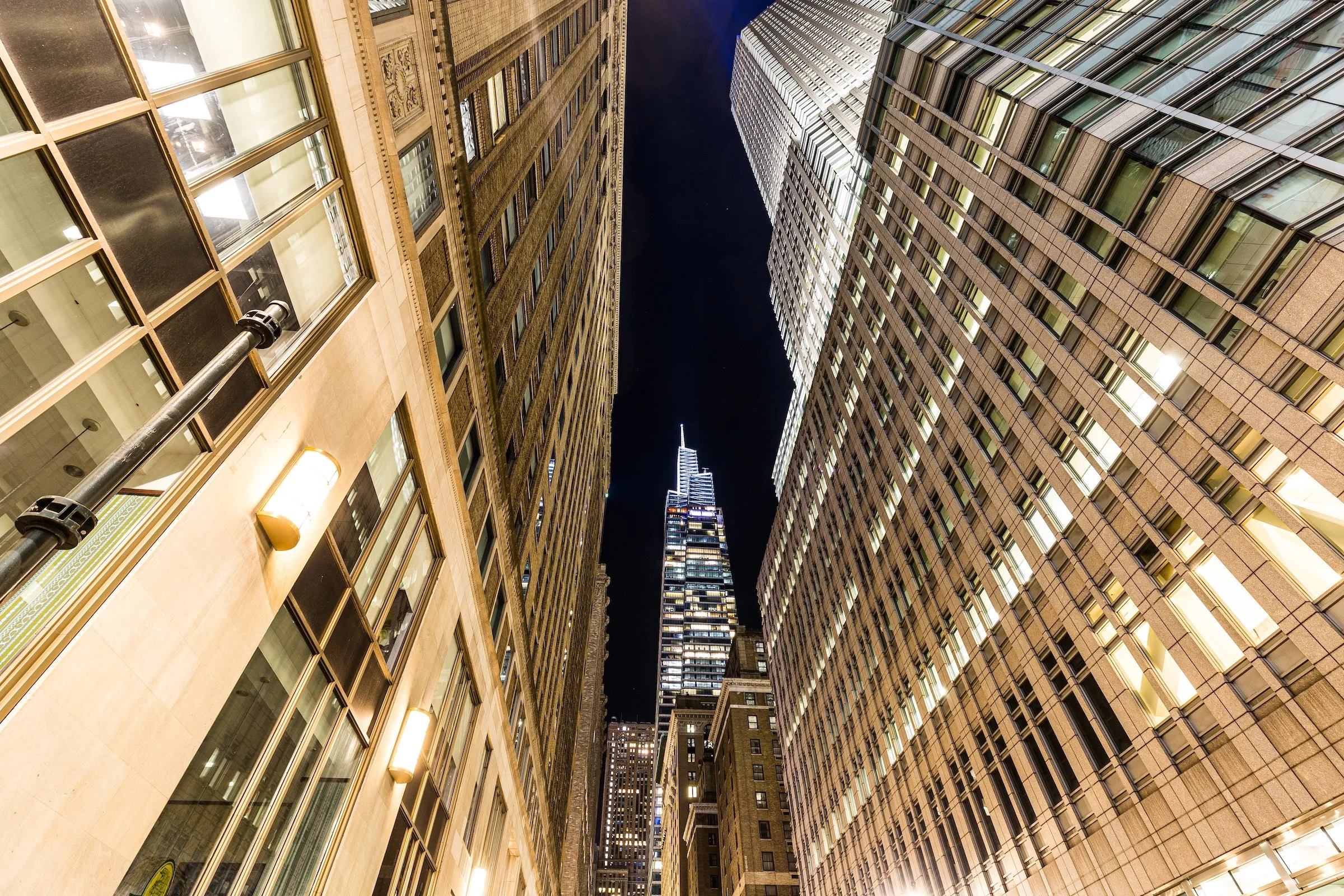
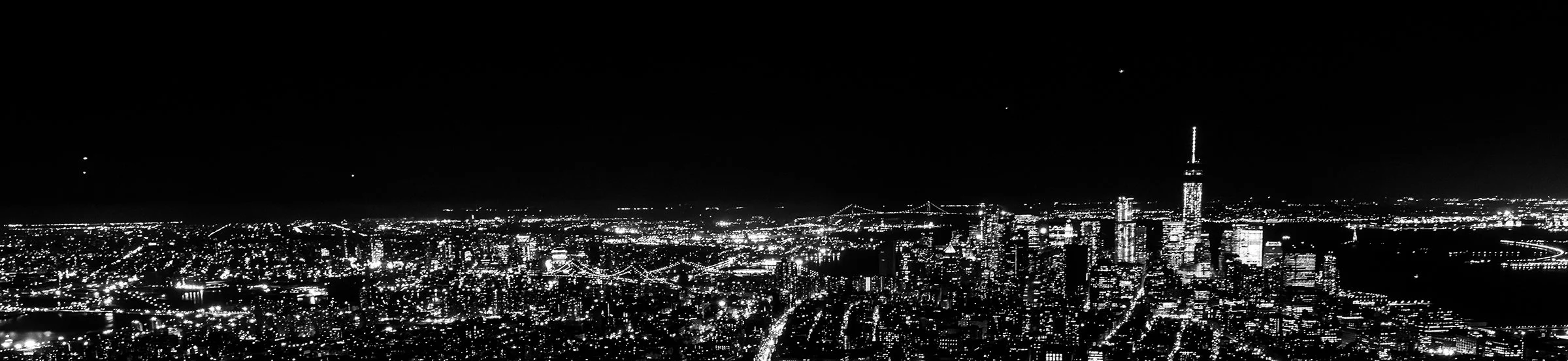
Midtown East - Manhattan - One Vanderbilt Frame
Definition:
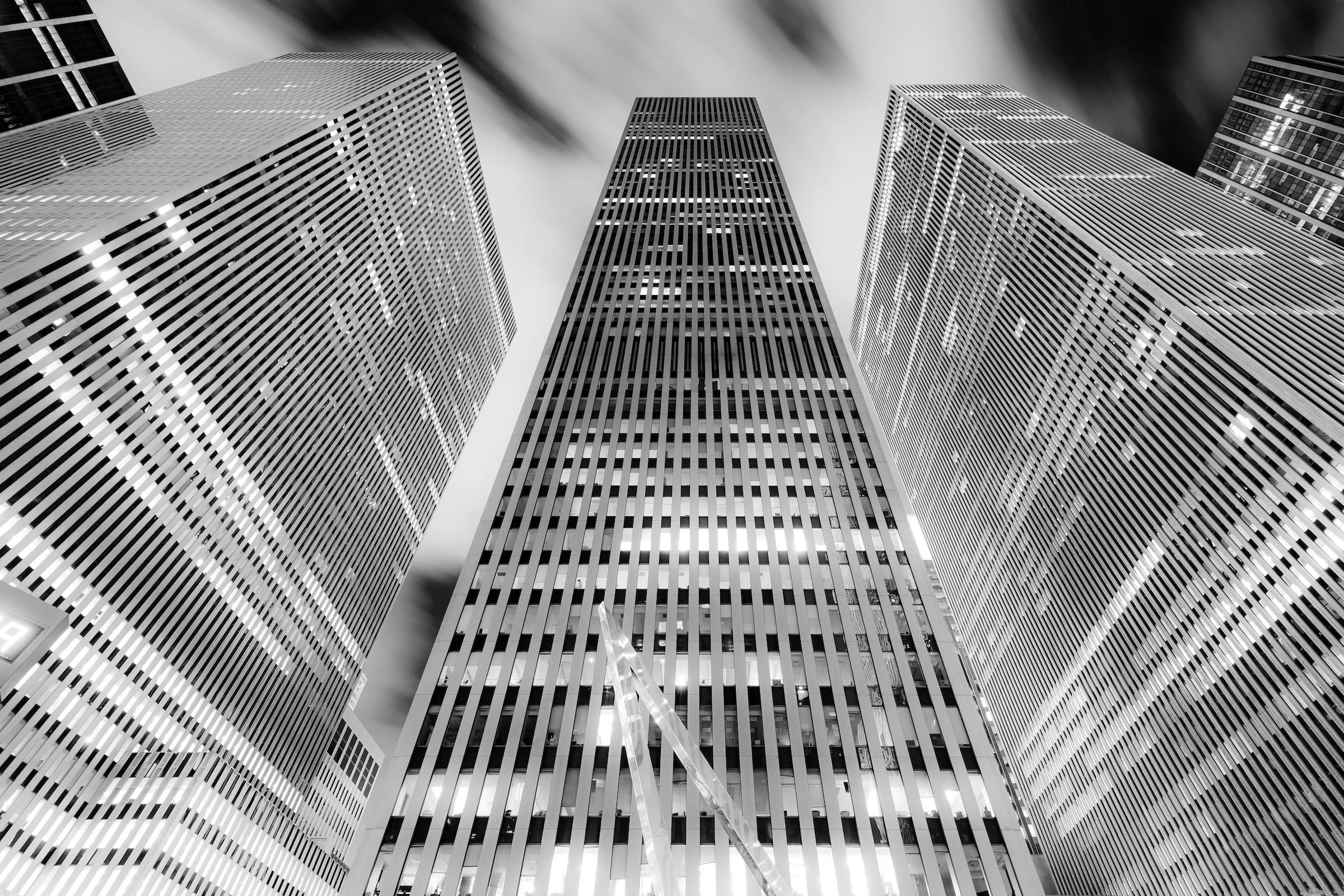
Urban Canyons is the practice of photographing city streets and corridors as “vertical landscapes”—spaces where tall buildings compress the sky, exaggerate depth, and make scale itself the subject. It’s the feeling of moving through a carved channel of stone, glass, and light.
Usage:
Use Urban Canyons when you want the city to feel monumental—when the environment becomes bigger than the people inside it. This approach is especially powerful for:
streets that read like corridors (tight walls, long perspective),
views that emphasize height (upward framing),
light behaving like geology (sun slices, shadow rivers, reflected glow),
scenes where traffic, pedestrians, or trees function as scale markers.
Urban Canyons can be loud and kinetic (taxis, congestion, motion) or quiet and architectural (clean lines, empty streets, minimal sky). Either way, the goal is the same: let the city’s mass shape the frame.
In Depth:
Cities don’t just have streets—they have channels. The taller the walls, the more the street becomes a kind of engineered nature: wind tunnels, shade basins, echo chambers, light wells. Urban Canyons are what happens when you stop treating buildings as “background” and start treating them as the terrain.
A few field instincts that make the canyon effect click:
Find the sky seam. In strong canyon images, the sky becomes a narrow ribbon, wedge, or void. That negative space is the “river” the walls are carving.
Use a scale anchor. A taxi, bus, pedestrian, tree canopy, or street sign makes the height believable—otherwise the viewer can’t feel the measurement.
Commit to direction. Canyons love vanishing points and long pulls. If the street is the corridor, keep it decisively central or decisively angled.
Let light behave like architecture. Reflections, shadow lanes, and bright cuts across facades often become the real subject.
Choose your lens language. Wide-angle makes the canyon immersive; telephoto makes it compressed and dense; high-vantage makes it feel like a diagram of depth.
The ten examples below show Urban Canyons in multiple forms: upward “light wells,” street-level corridors with traffic pressure, and elevated views where avenues turn into long, pulsing veins of the city.
Light Wells (Looking Up Through the Canyon)
These images lean into vertical framing—walls rising on both sides, the sky reduced to a shape, and the viewer placed at the bottom of the world’s most architectural ravine.
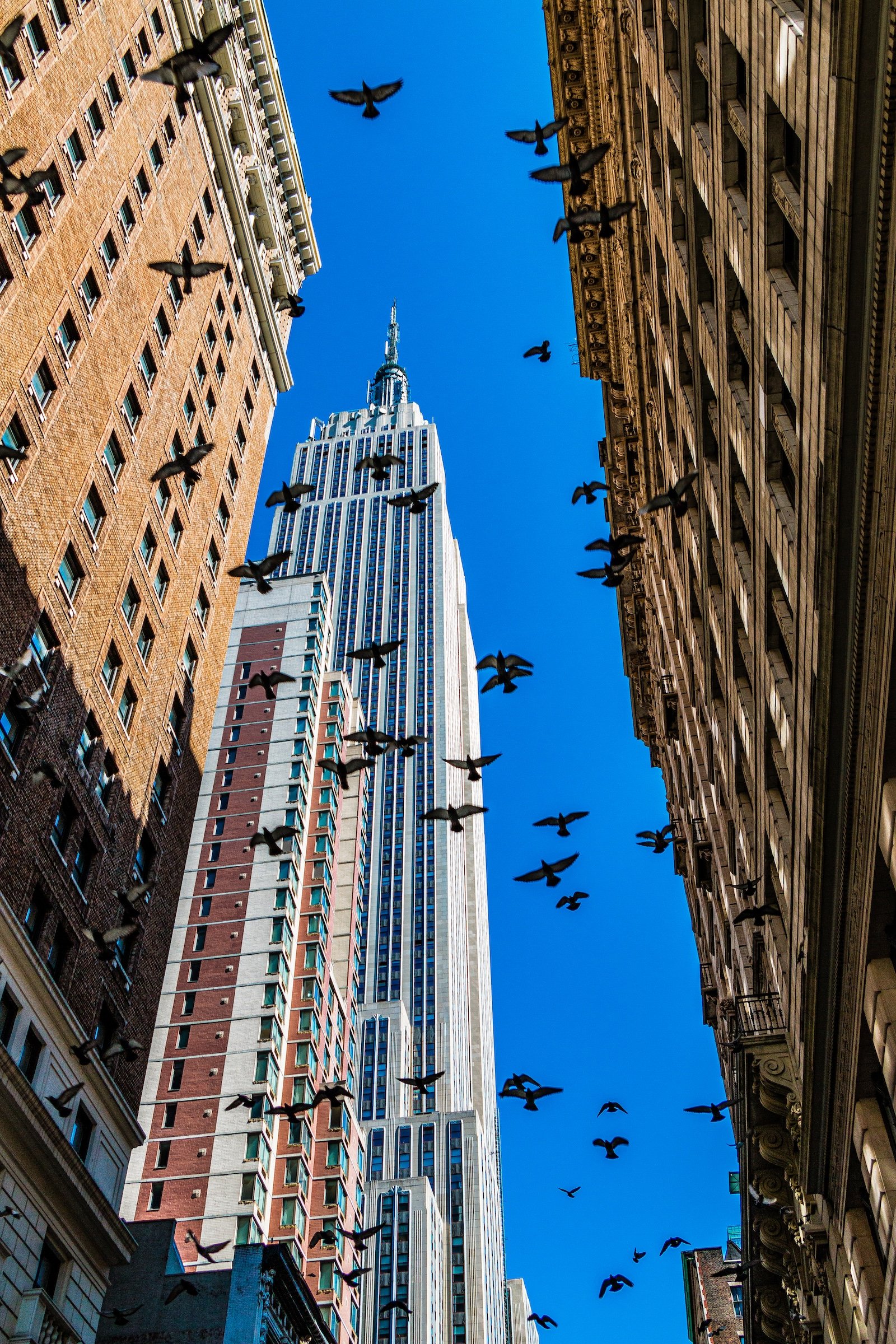
Empire District (Tenderloin) - Manhattan - Avian Empire State
The classic canyon move—tall walls, deep blue sky, a landmark tower—made electric by the flock cutting through the void. The birds turn the canyon into a living atmosphere, giving scale and motion to what could otherwise be pure stone and steel.
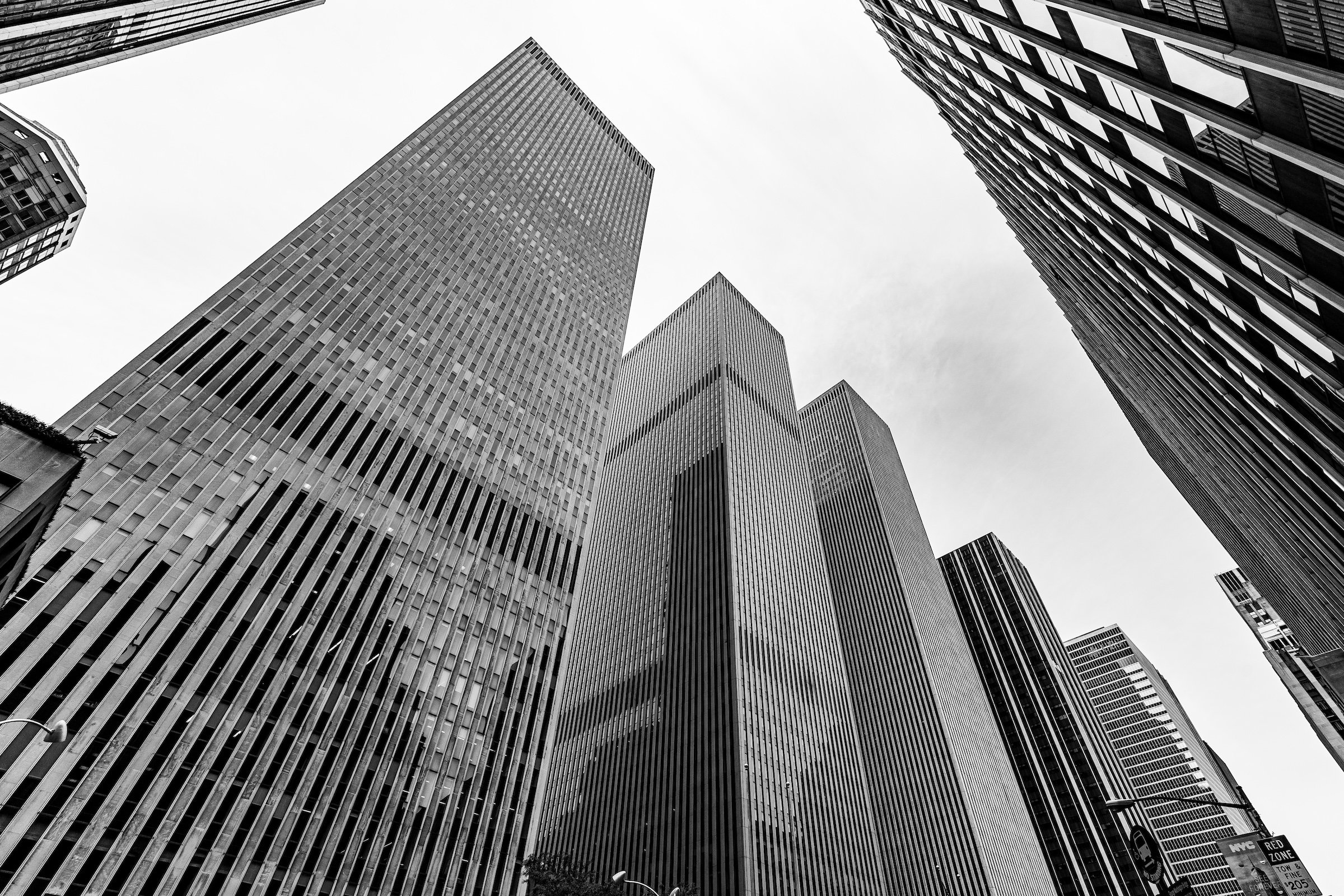
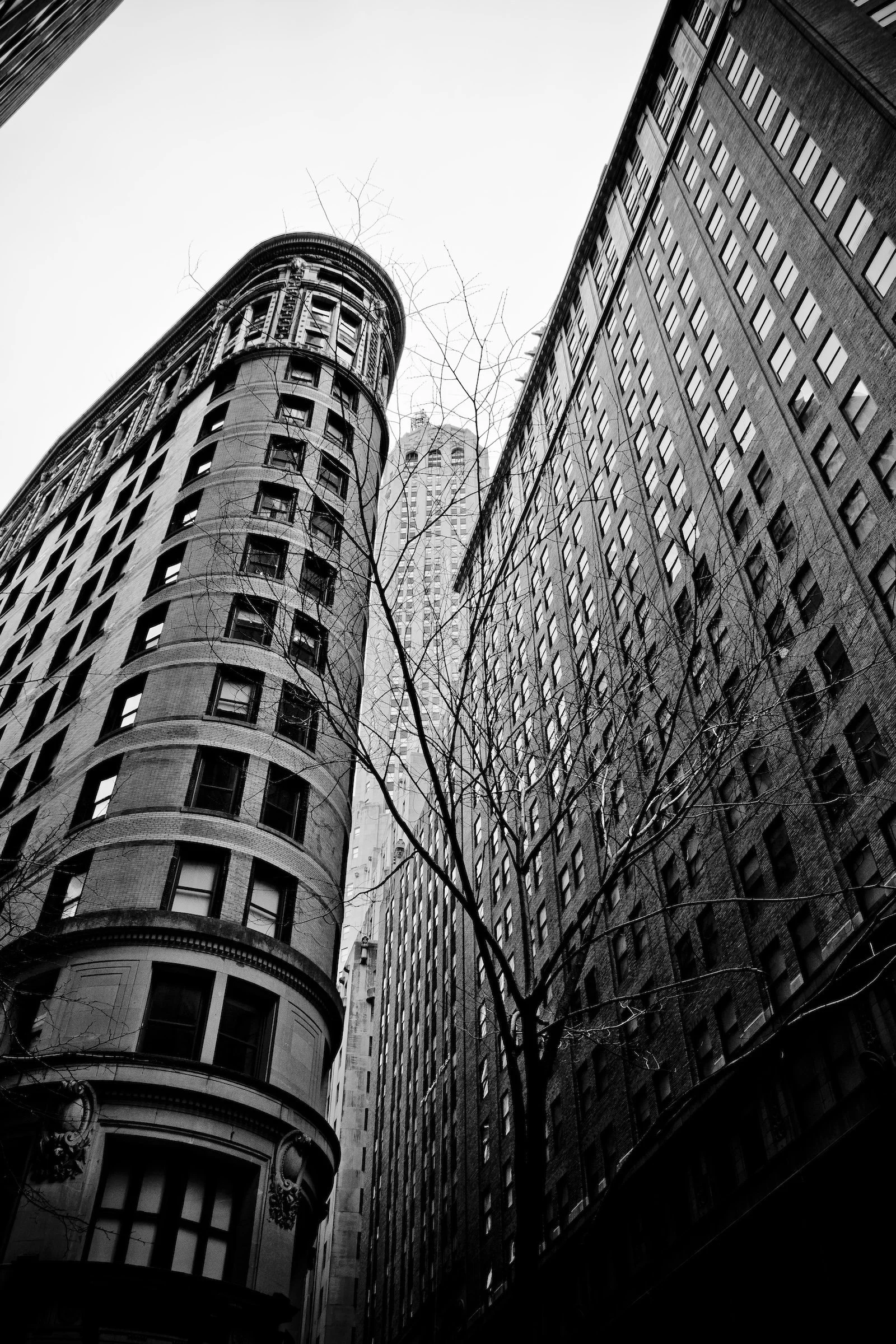
Financial District - Manhattan - Cocoa Building
A narrow, older canyon—brick and ornament pressing inward—with a curved corner that makes the space feel even tighter. The upward view turns the street into a chamber, and the bare branches add a fragile “scratch” against the mass.
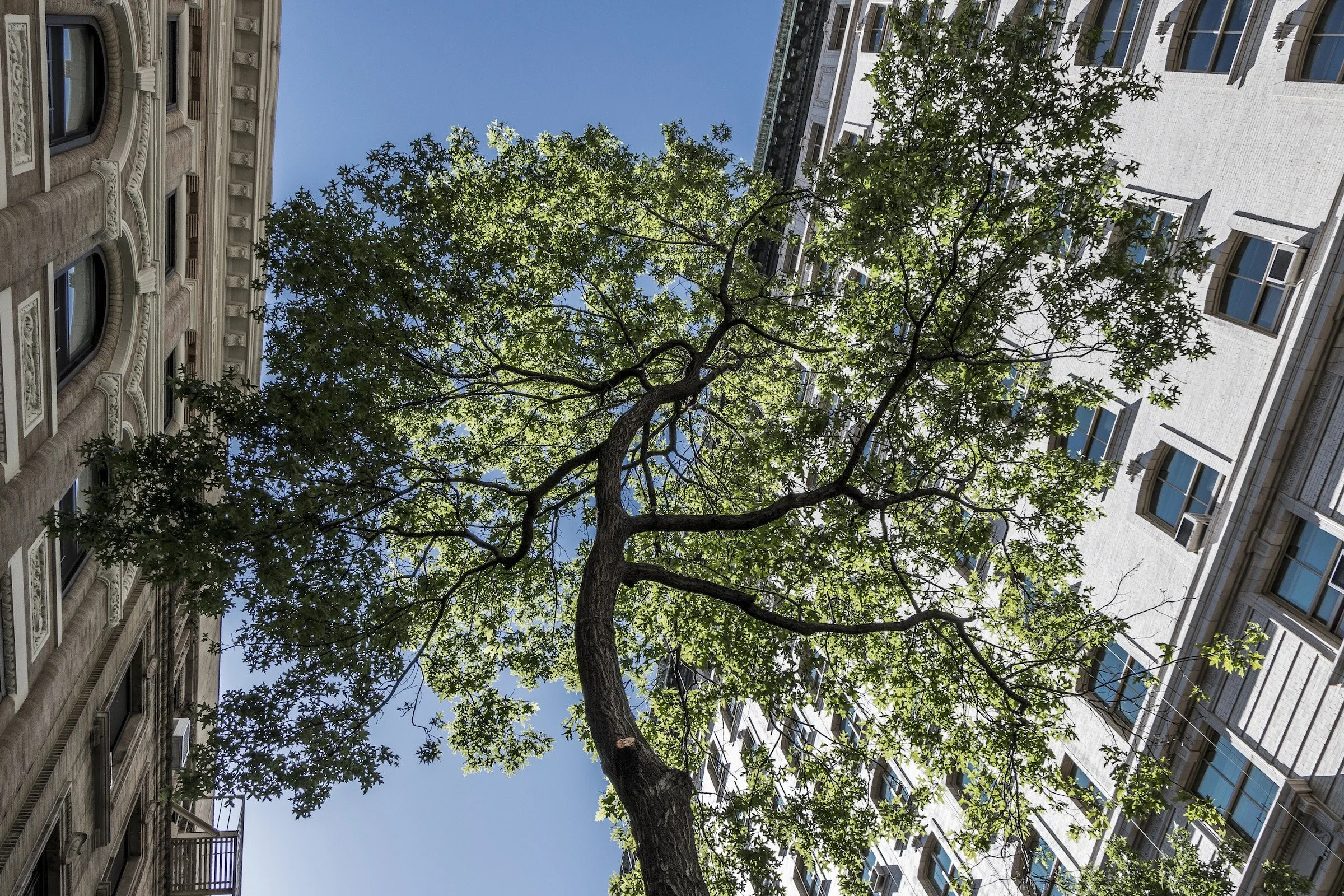
Upper West Side - Manhattan - A Tree Grows on the UWS
A canyon softened from within: the buildings form the walls, but the tree becomes the ceiling. The canopy turns the sky into a textured green window, reminding us that even in the deepest corridors, nature still finds a way to occupy the vertical.
Street Corridors (Pressure, Flow, and the Long Pull)
These are the canyons you feel in your body—traffic density, sidewalk activity, the sense of moving through a confined channel where the horizon is far away and the walls keep going.
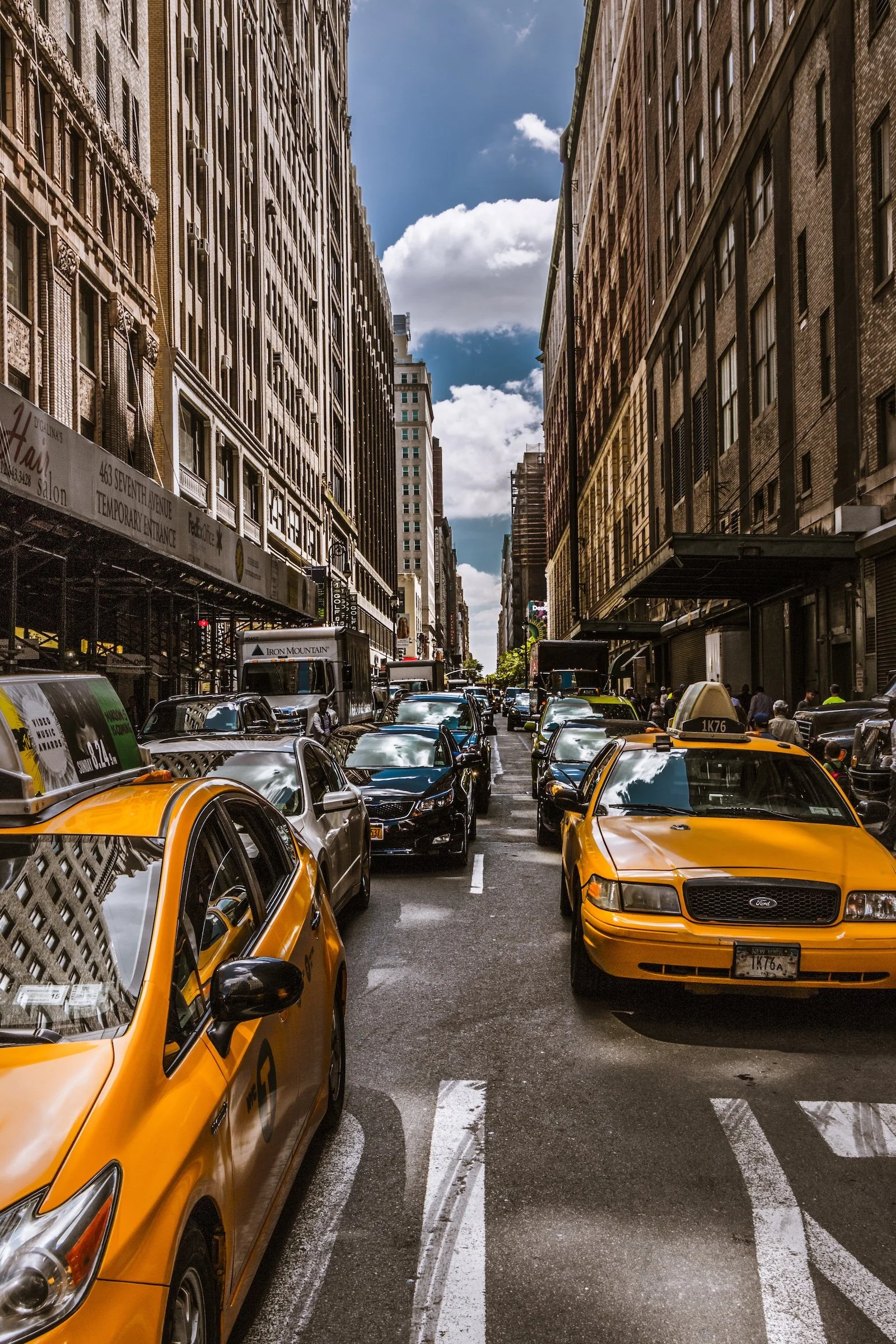
Garment / Fashion District - Manhattan - Against The Stream
A vivid canyon built from congestion: taxis and cars become a river pushing through tall, shadowed walls. The sky gap at the top is small but bright, and the clouds reinforce the sense that the street is a chute running straight into the distance.
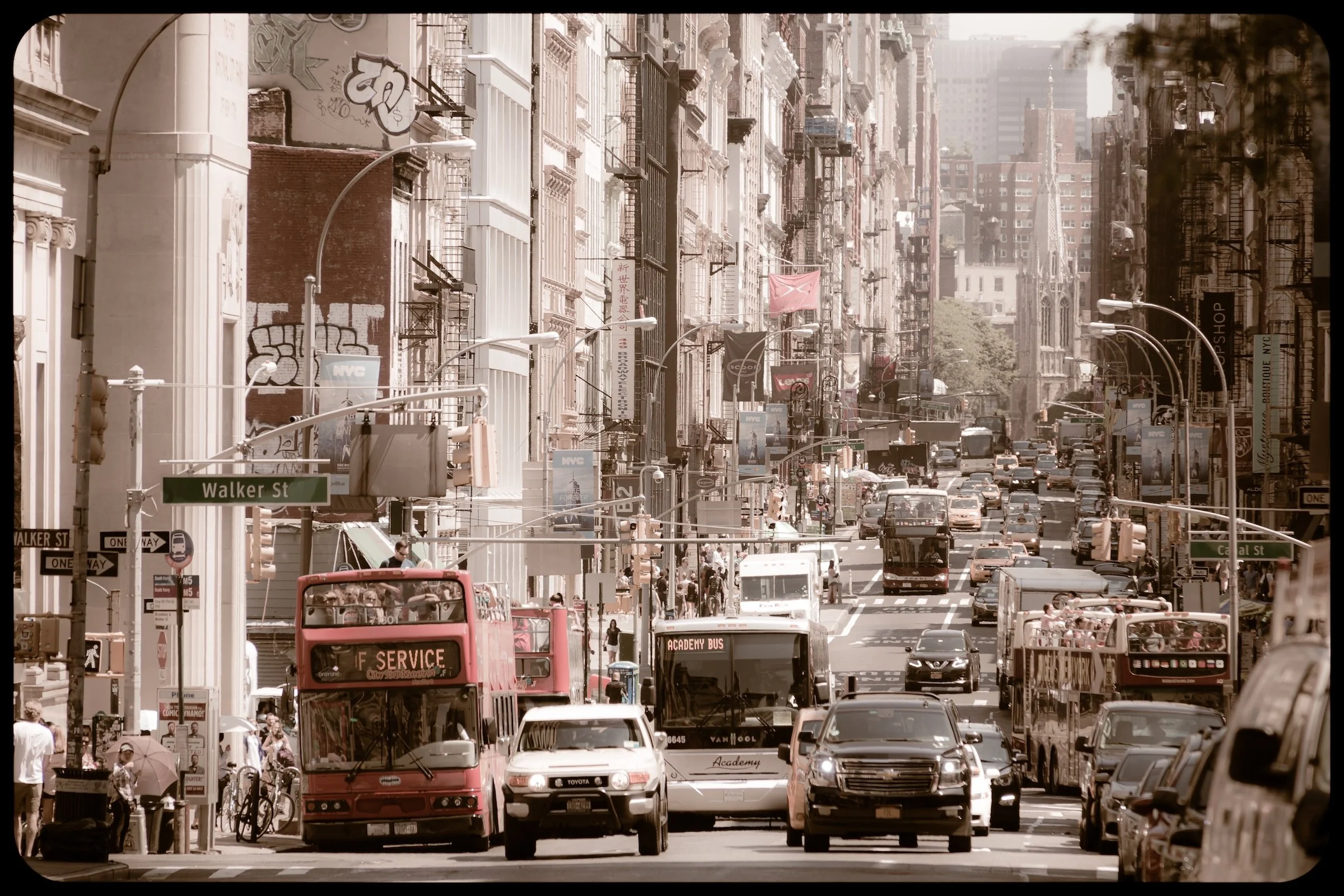

Garment / Fashion District - Manhattan - West 37th Street Canyon
A quieter corridor, rendered in black-and-white: long perspective, repeating windows, and a street that feels like it’s been carved between slabs. The pigeons in the foreground become scale markers—tiny life forms at the bottom of an enormous constructed cliff.
Elevated Depth (Avenues as Vertical Valleys)
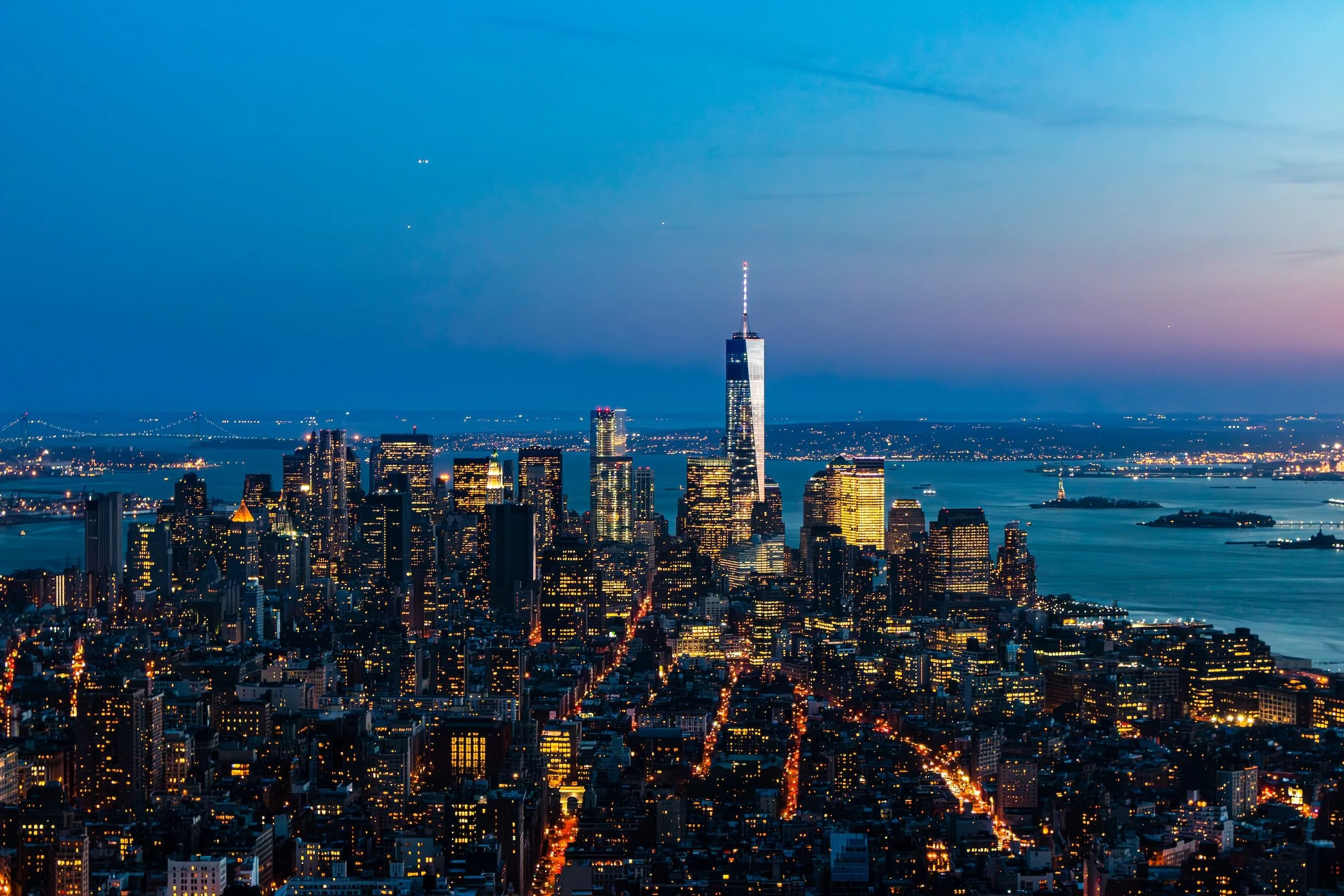
These examples pull back and look down the canyon. Instead of feeling “inside” the corridor, you see the city as layered depth—buildings like canyon walls, traffic like a current.
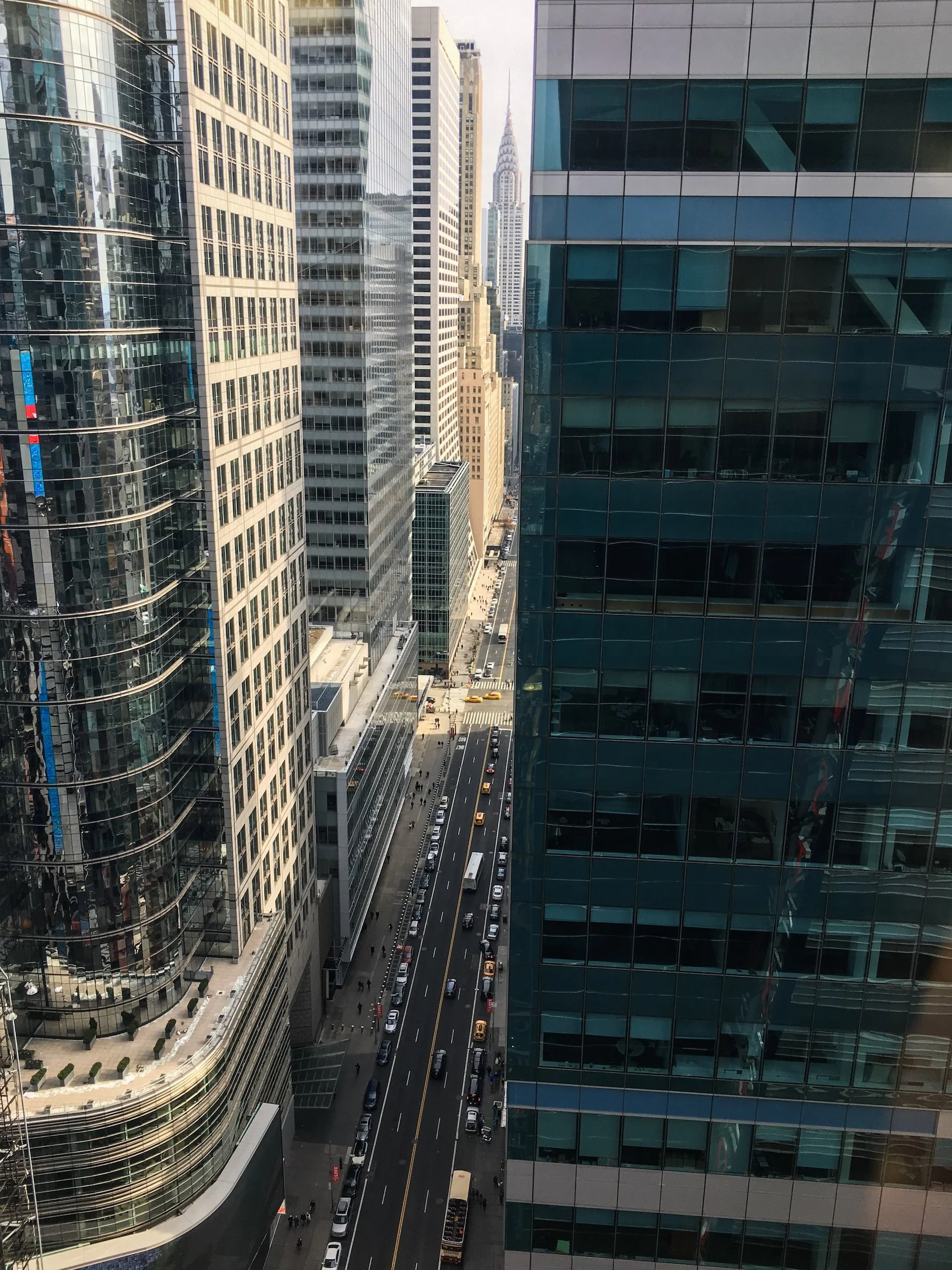
Theater District (Times Square) - Manhattan - Chrysler Canyon
A high, tight view where glass towers act like sheer cliff faces and the street becomes a thin channel below. The Chrysler Building in the distance seals the composition—a landmark at the far end of a man-made valley.
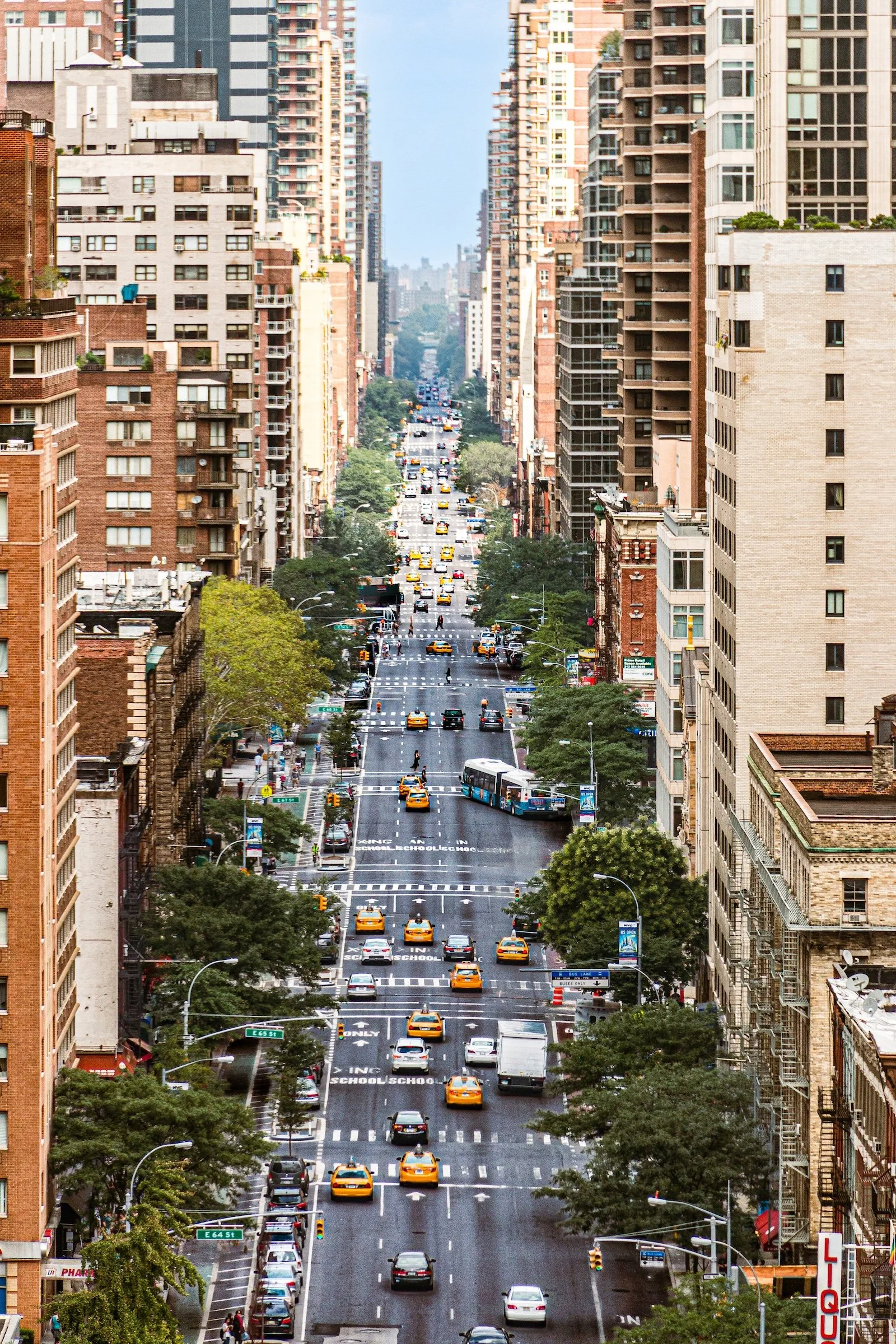
Upper East Side - Manhattan - Sunlight On First Avenue
A long, sunlit corridor framed by residential towers, with trees forming a central green spine. The taxis and tiny intersections create a measured rhythm of depth, making the avenue read like a living artery running through stone.
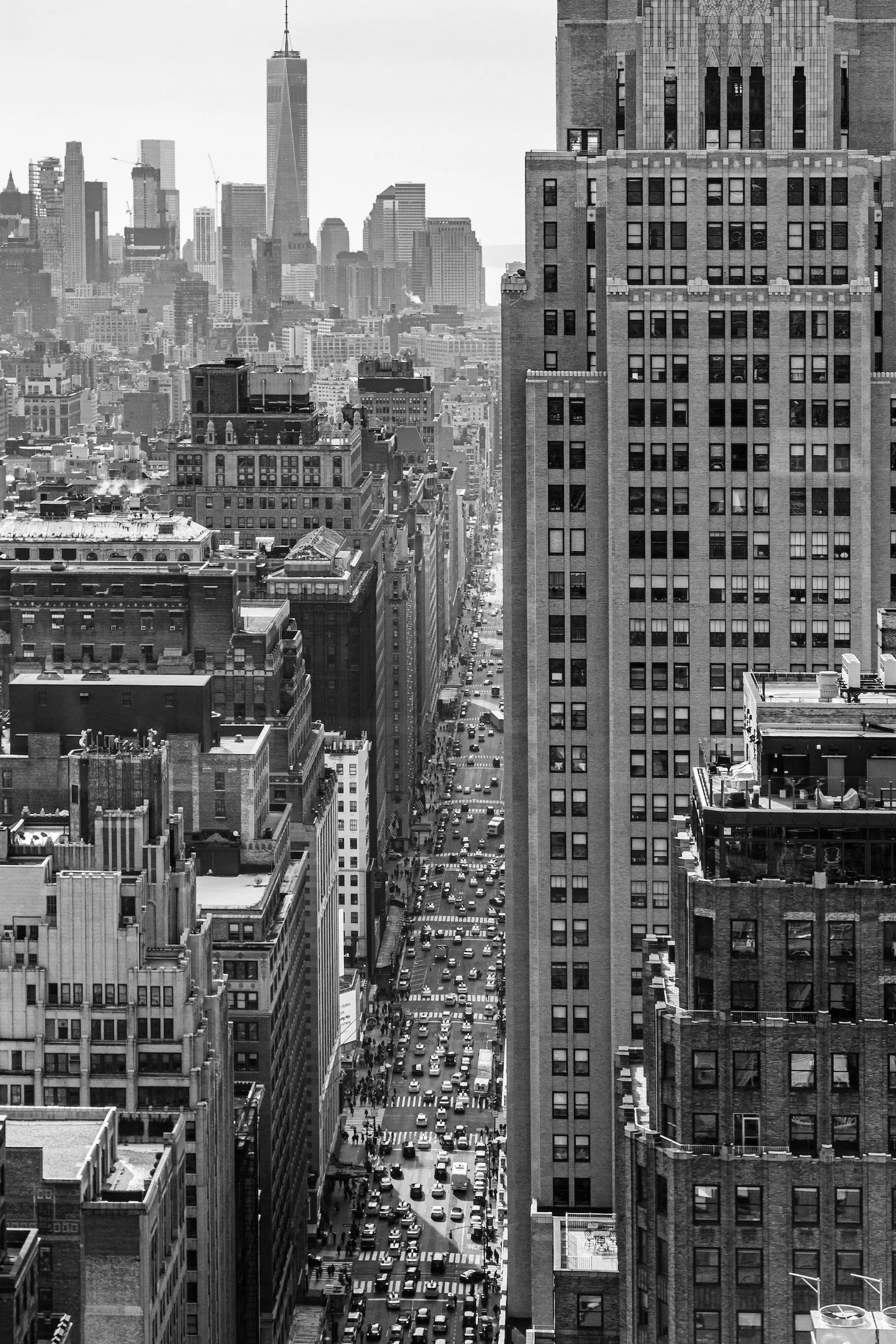
Theater District (Times Square) - Manhattan - Fashion Avenue
A deep, compressed canyon shot: the avenue becomes a vertical ribbon of traffic and crosswalks, while the skyline stacks behind it. The density is the point—layers upon layers, like sediment.
Explore Further