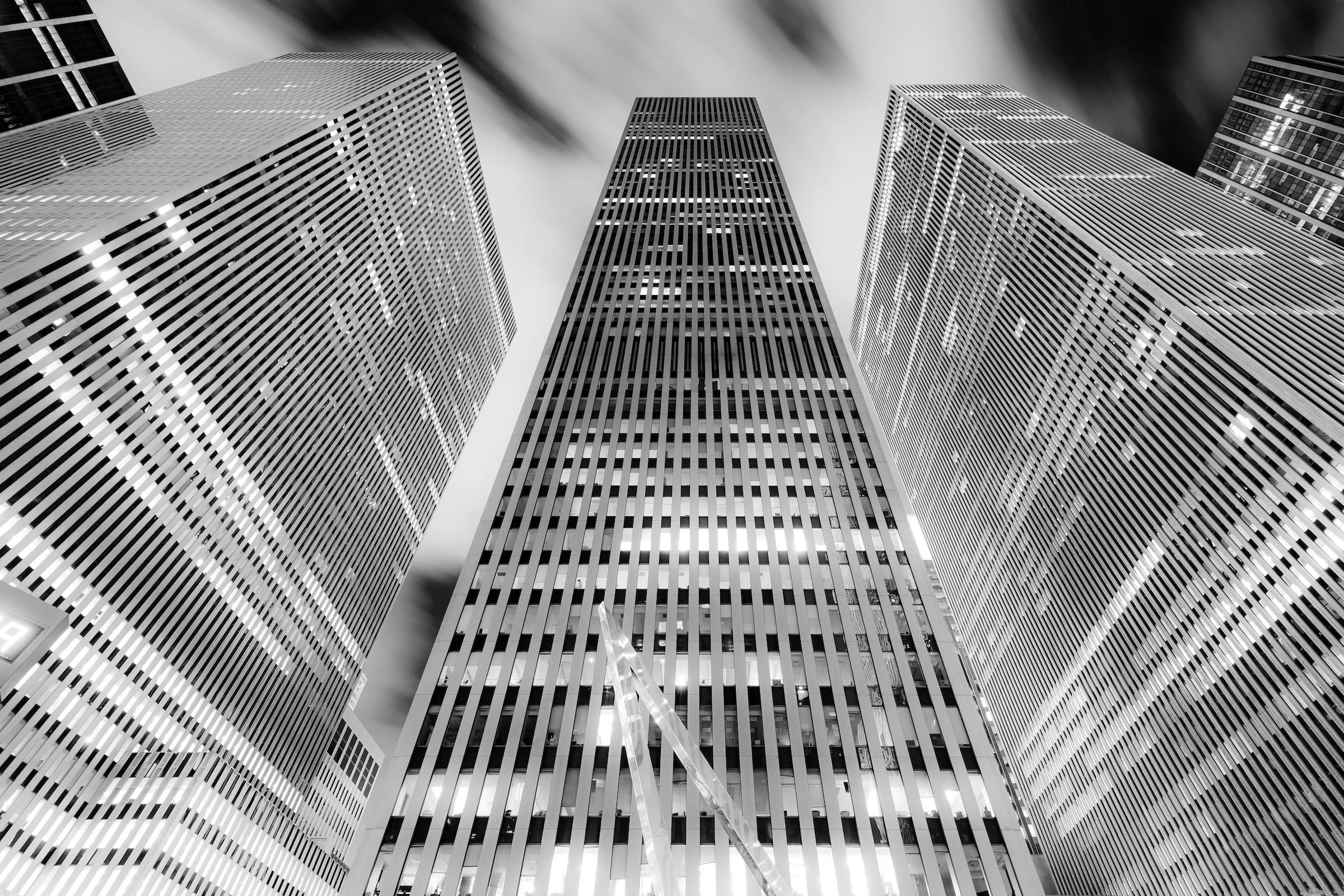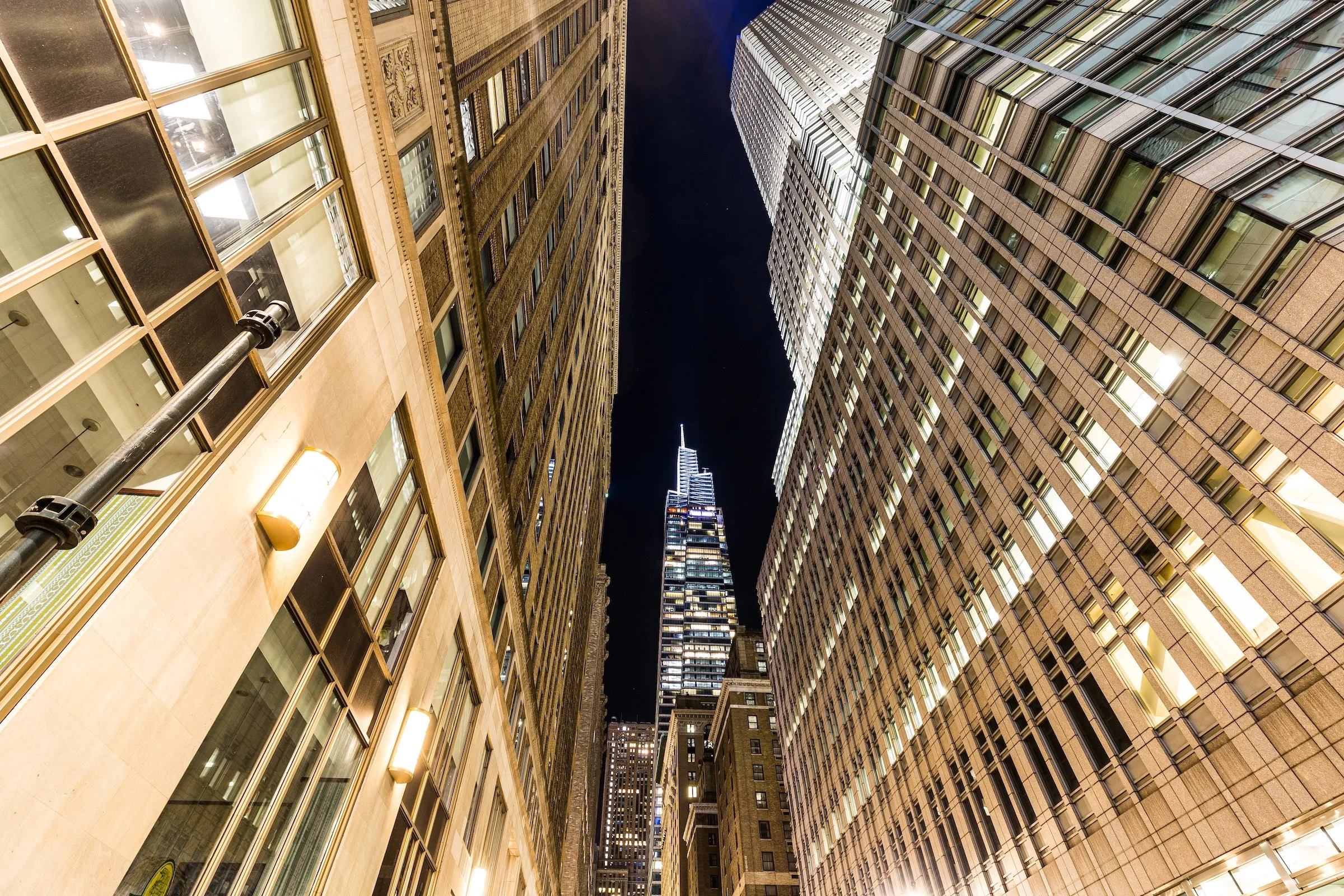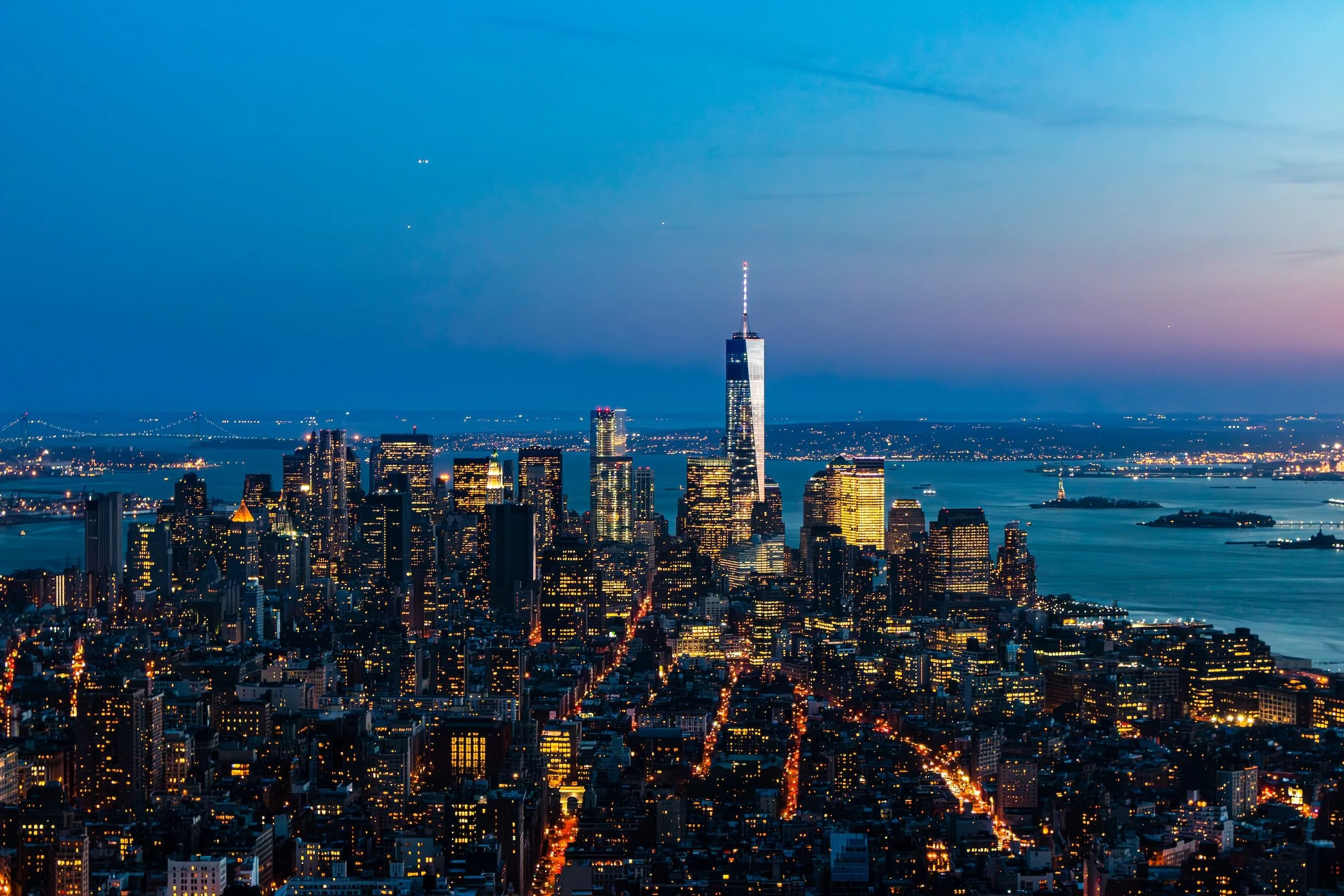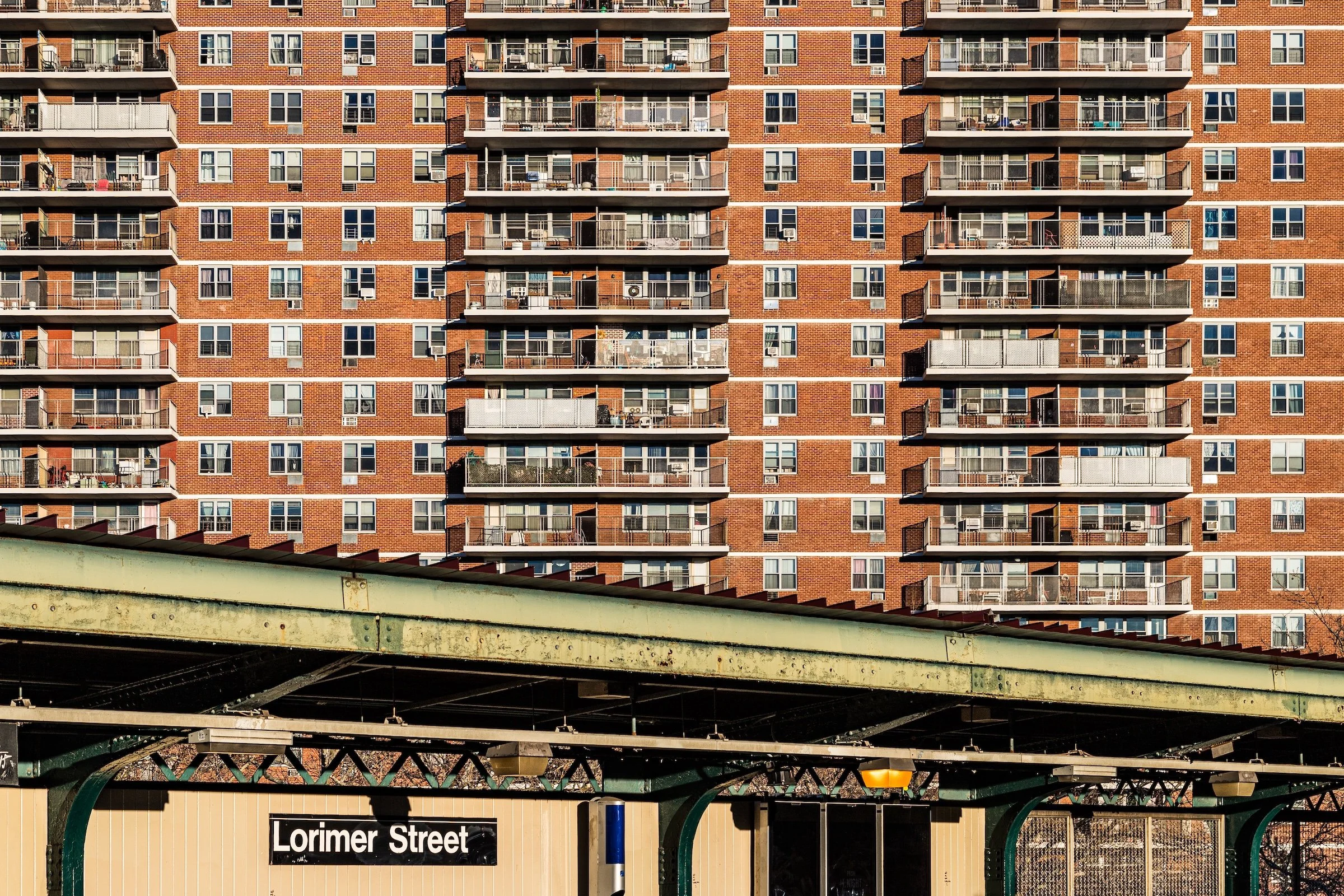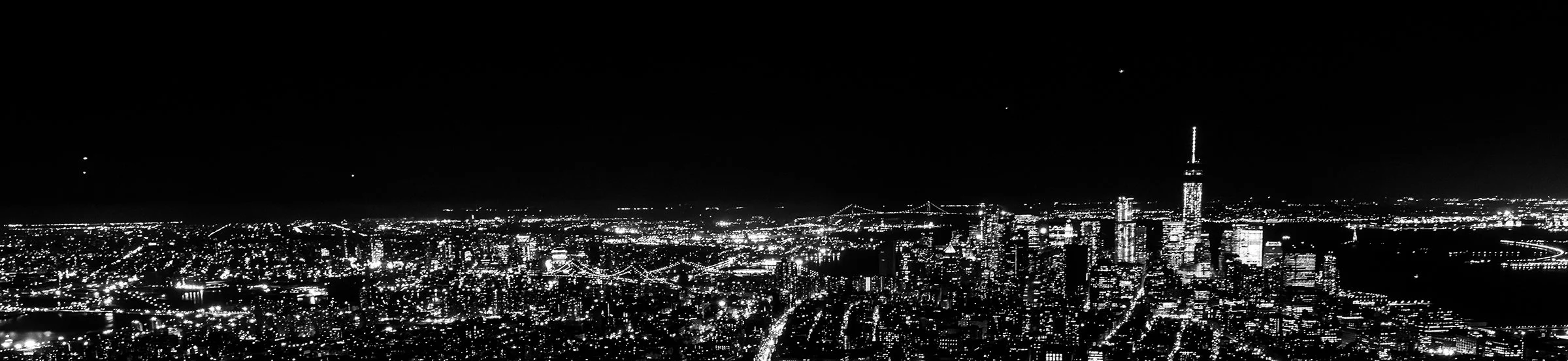

Capturing Scale
Hudson Yards - Manhattan - Midtown View
Definition:
A compositional approach for showing how big something feels—not just how big it is—by placing a subject in relationship to recognizable reference points: people, streets, windows, trees, bridges, skylines, and negative space. Capturing Scale is about designing a frame where the viewer can measure the world intuitively.
Usage:
You can use Capturing Scale to turn ordinary scenes into something with weight and consequence. It can make a neighborhood feel expansive, a building feel mythic, a street feel like a corridor through time, or a lone figure feel beautifully small. Scale is often the difference between “that’s a tall building” and “I can feel the city leaning over me.”
Capturing Scale is one of those techniques that works quietly—until it doesn’t. Once the frame locks in, scale becomes the story. It turns streets into runways, skylines into horizons, and architecture into landscape.
In Depth:
I think of scale as a kind of visual truth-telling: it answers the question “how does it feel to stand here?” A photograph can flatten the world unless you give the viewer a ladder—something familiar that lets their eyes climb from foreground to background and understand distance, height, or vastness.
In practice, scale is built through relationships: a low street looking toward distant towers, a lone pedestrian against a wall of sky, a small historic building pressed beside a modern slab, or a canal scene where the water becomes a measuring tape between banks. The goal isn’t always “bigger is better.” Sometimes scale is about tenderness—showing how human-sized life persists inside environments that are not.
Capturing Scale is also wonderfully portable. New York has endless opportunities (verticality is its native language), but the same visual logic works in Amsterdam, Bruges, Paris—anywhere you can layer foreground anchors against distance, skyline, or open sky. That universality is part of why it belongs in the Photographic Lexicon: this is a repeatable way of seeing, not a one-off trick.
A few quick ways to spot it in the field:
Look for reference objects: people, cars, streetlights, windows, doors, trees—anything the viewer already knows the size of.
Use distance as a material. Long streets, canals, plazas, bridges, and open skies give scale room to breathe.
Watch your vantage point. A small change in height (curb, steps, overpass, hill) can dramatically change perceived scale.
Let negative space do work. Sky, water, and blank façades can make subjects feel taller, lonelier, or more monumental.
Build foreground → midground → background on purpose. Scale often “clicks” when the frame has at least two distance layers.
Below are ten launch examples that show Capturing Scale in different forms: long-distance corridors, skyline placement, landmark-to-life contrast, and “small against vast” framing. Each image includes a brief note on what scale is doing in the frame, and why I consider it a strong example of the concept.
Distance Corridors:
These images use streets, sightlines, and depth to create a measurable journey through the frame—scale revealed through distance.
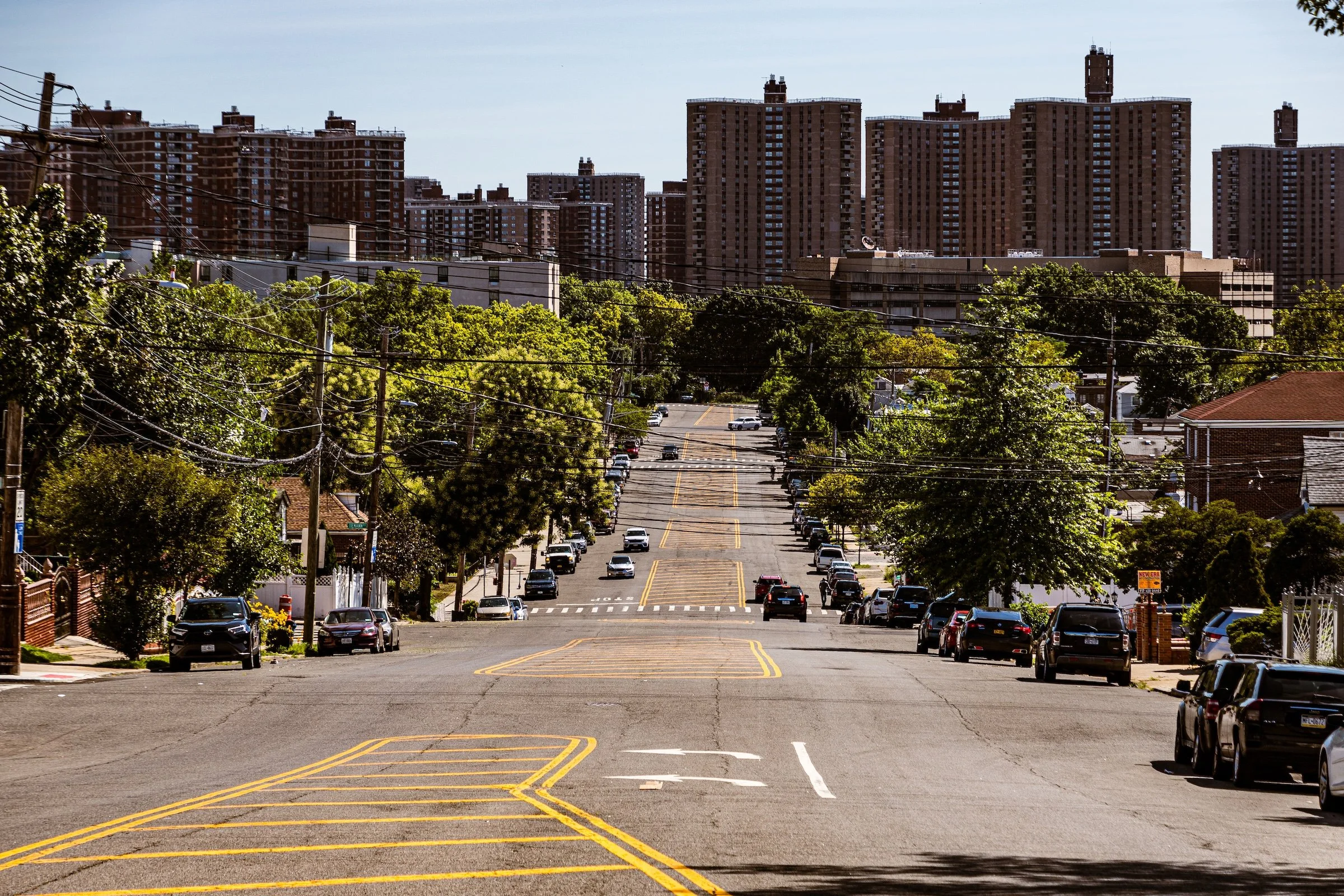
Baychester - The Bronx - The Valley
A long residential corridor becomes a measuring device: the road pulls the eye forward until the skyline arrives like a destination. The distant high-rises feel massive because the street makes you earn them—scale by accumulation.
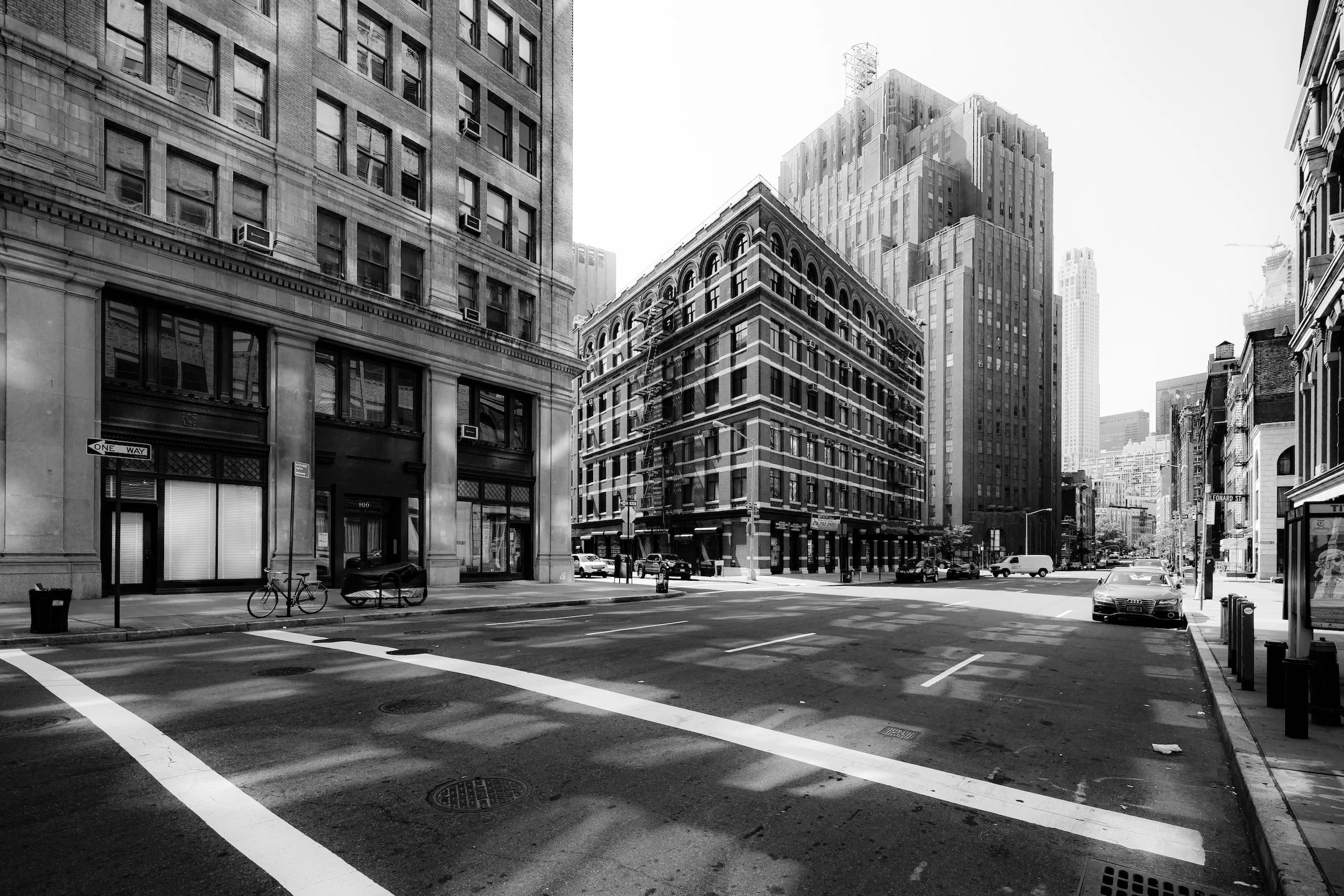
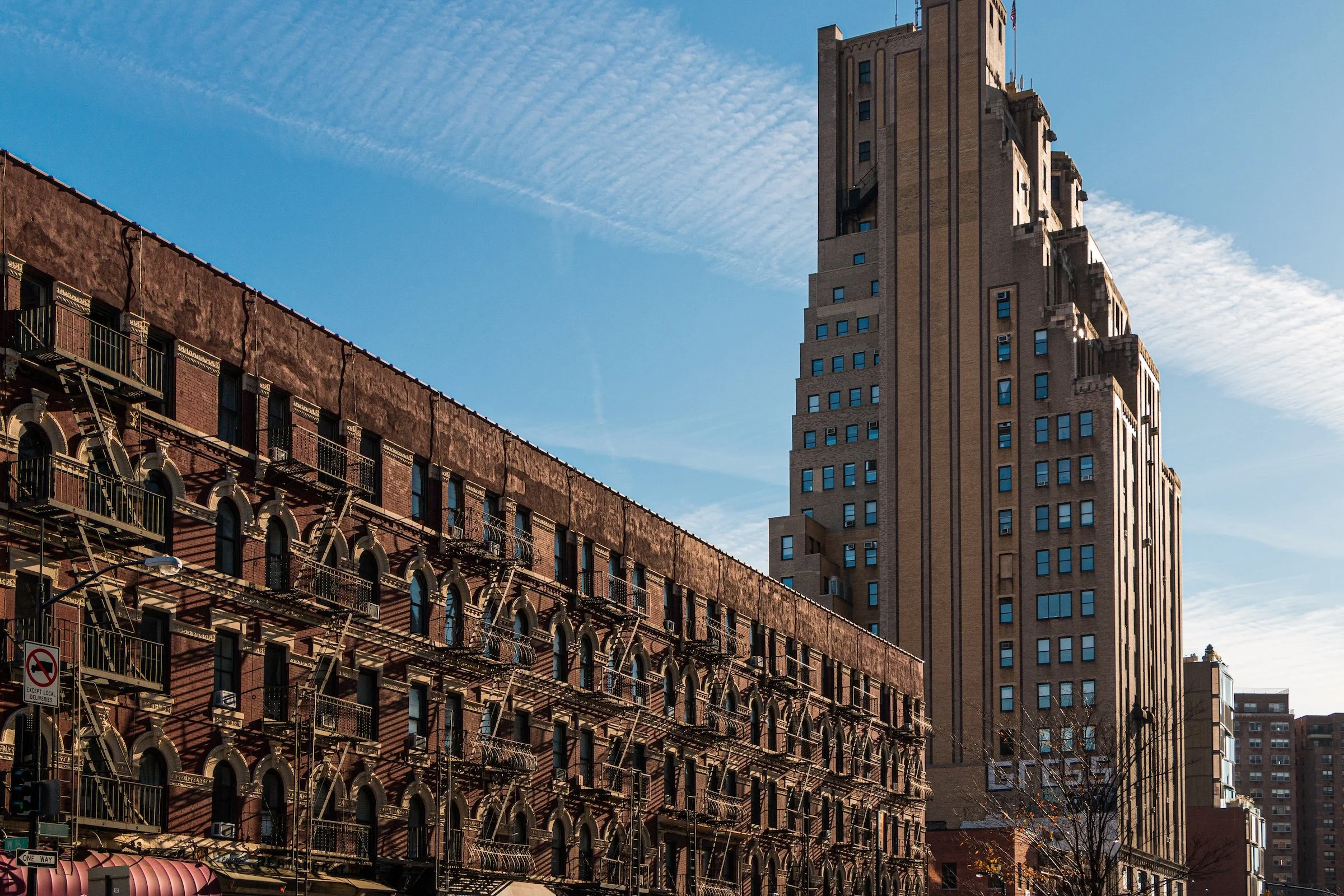

Country Club - The Bronx - Trees On Kennellworth Place
A neighborhood street becomes a stage for vertical layering—tree canopy, wires, roofs, sky—while the road carries distance. Scale doesn’t have to be skyscrapers; it can be the quiet sense that the frame holds more than one depth zone at once.
Sky as Measuring Stick:
These examples use sky and negative space to create scale—making subjects feel solitary, monumental, or newly defined against open air.
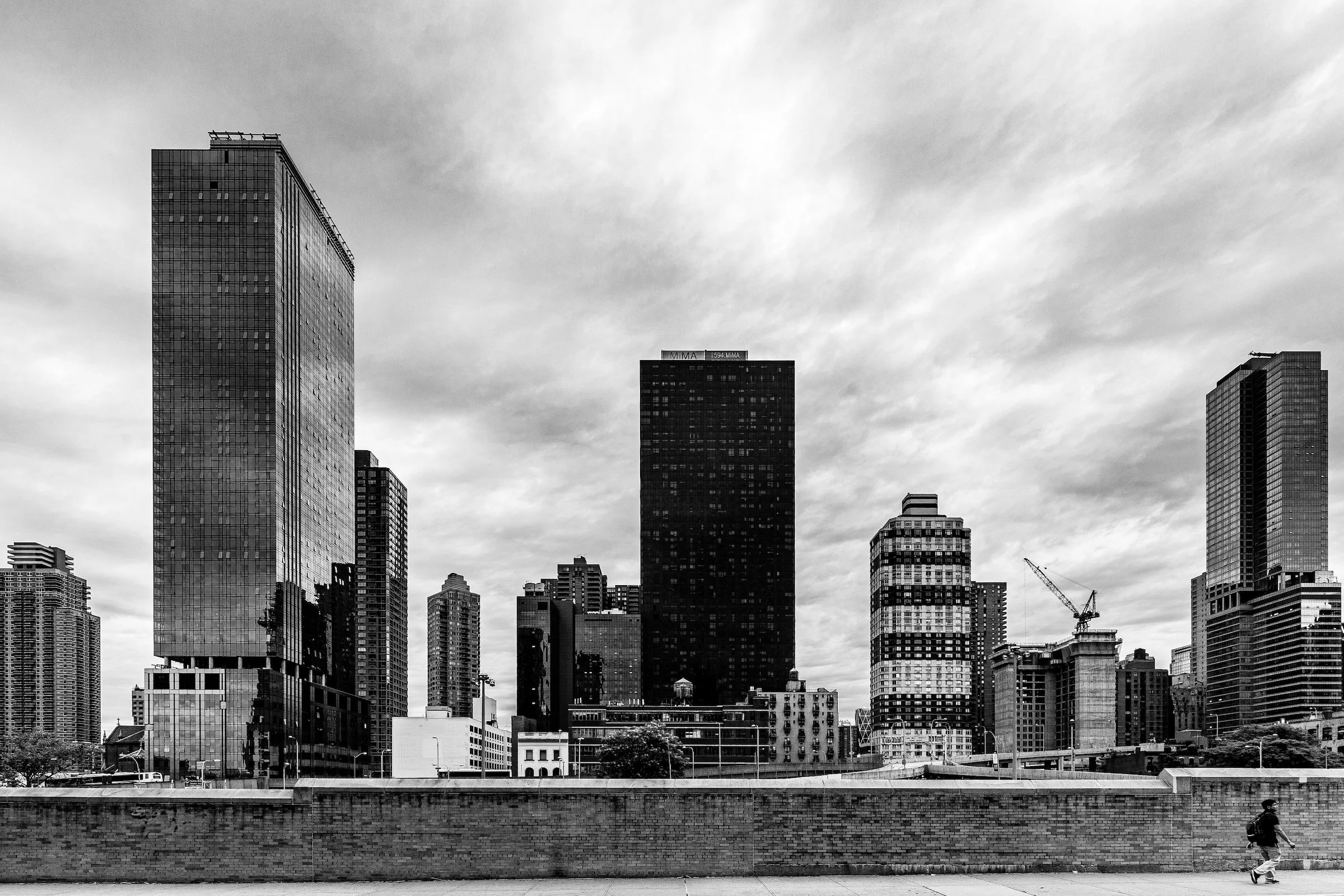
Hudson Yards - Manhattan - Solitary Under The Skies
The figure becomes the ruler. Against the open sky, the built environment reads as larger and more exposed; the human presence makes the space feel real, and therefore larger.
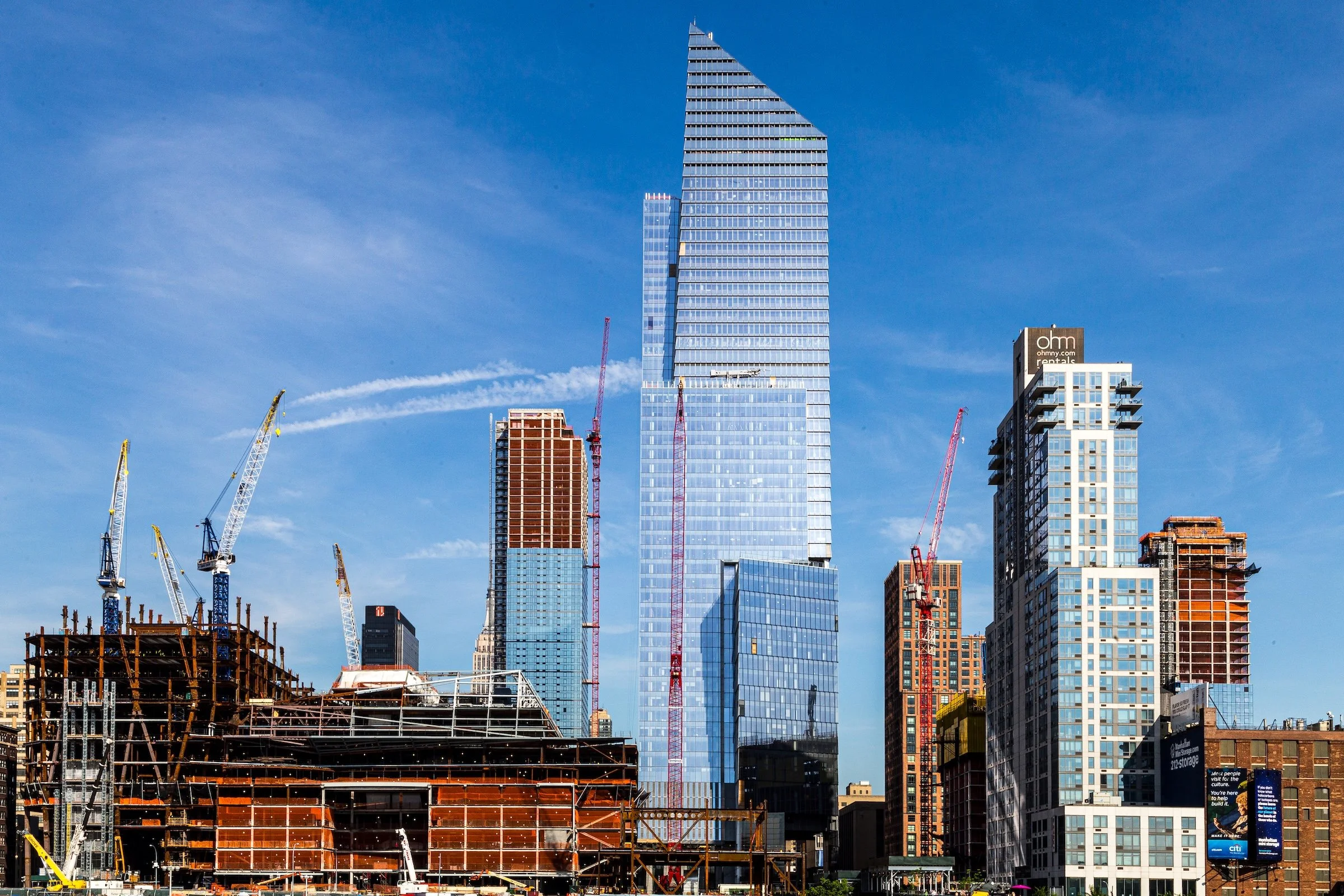
Hudson Yards - Manhattan - New Profile
The skyline becomes silhouette-as-identity: a clear outline, lots of sky, and just enough surrounding context to make the building’s size feel earned. This is “scale through clarity”—letting a subject declare itself cleanly.
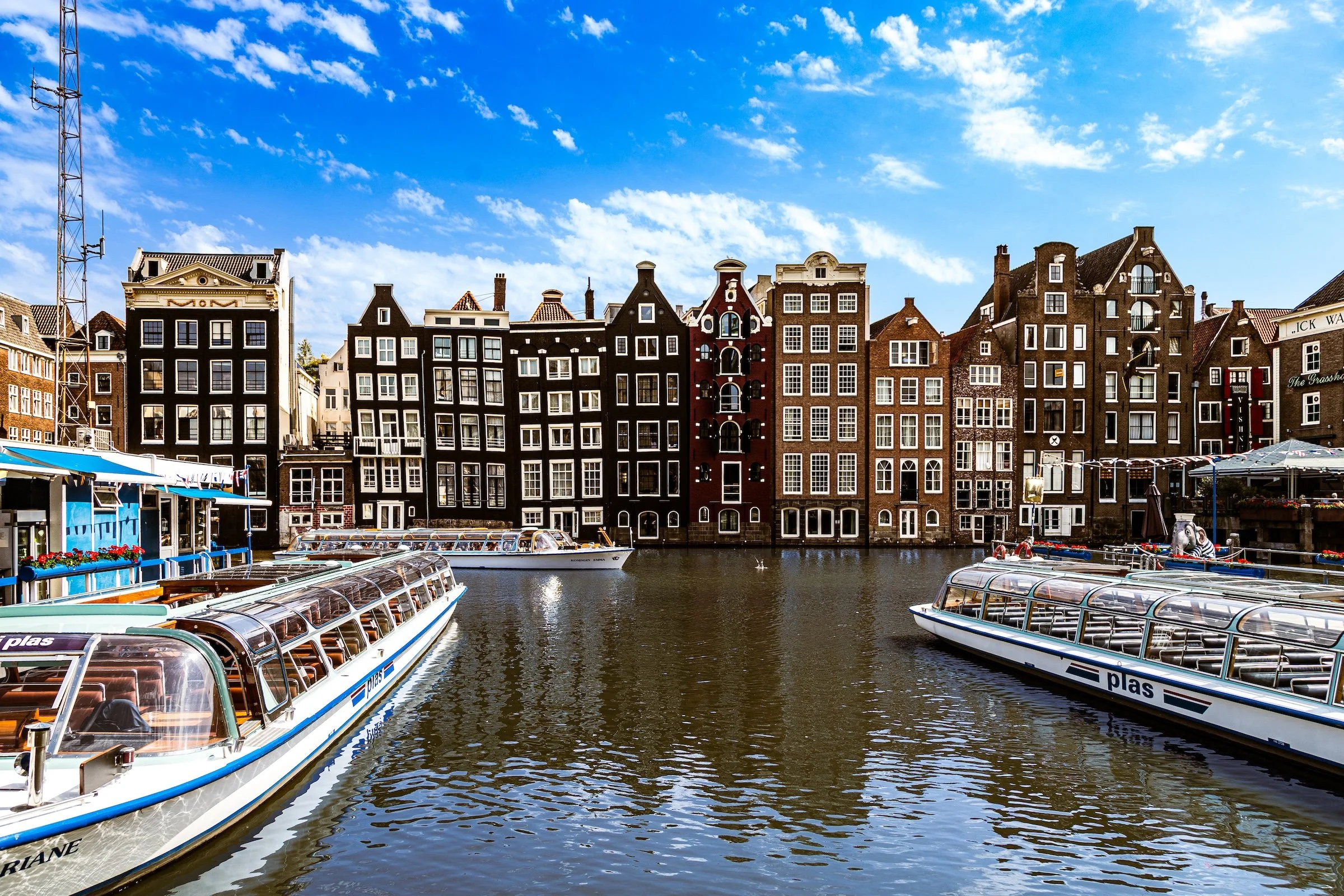
Centrum - Amsterdam - Iconic Amsterdam
The canal scene creates scale through breadth rather than height: water as open space, façades as a continuous edge, boats as reference. It’s city-scale without vertical intimidation—measured, legible, and wide.
Human-Scale Anchors:
These images show scale through contrast—small details (people, older buildings, street-level textures) that make the larger forms feel even larger.
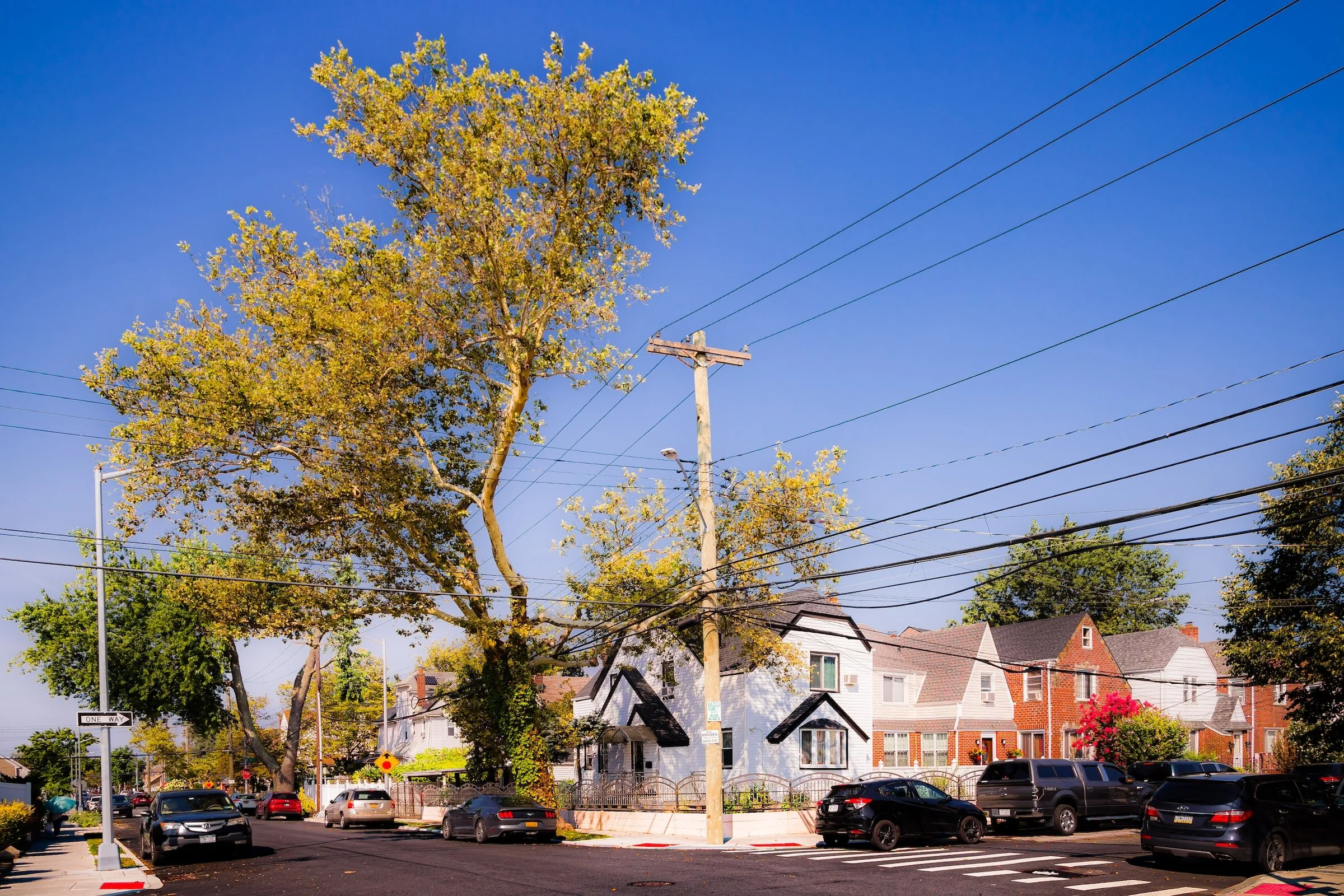

Co-Op City - The Bronx - Skies Over Dreiser Loop Square
The plaza and railings give you a human grid in the foreground, while the towers loom beyond. This is classic “big environment / small life” scale work—architecture as landscape, people implied even when not centered.
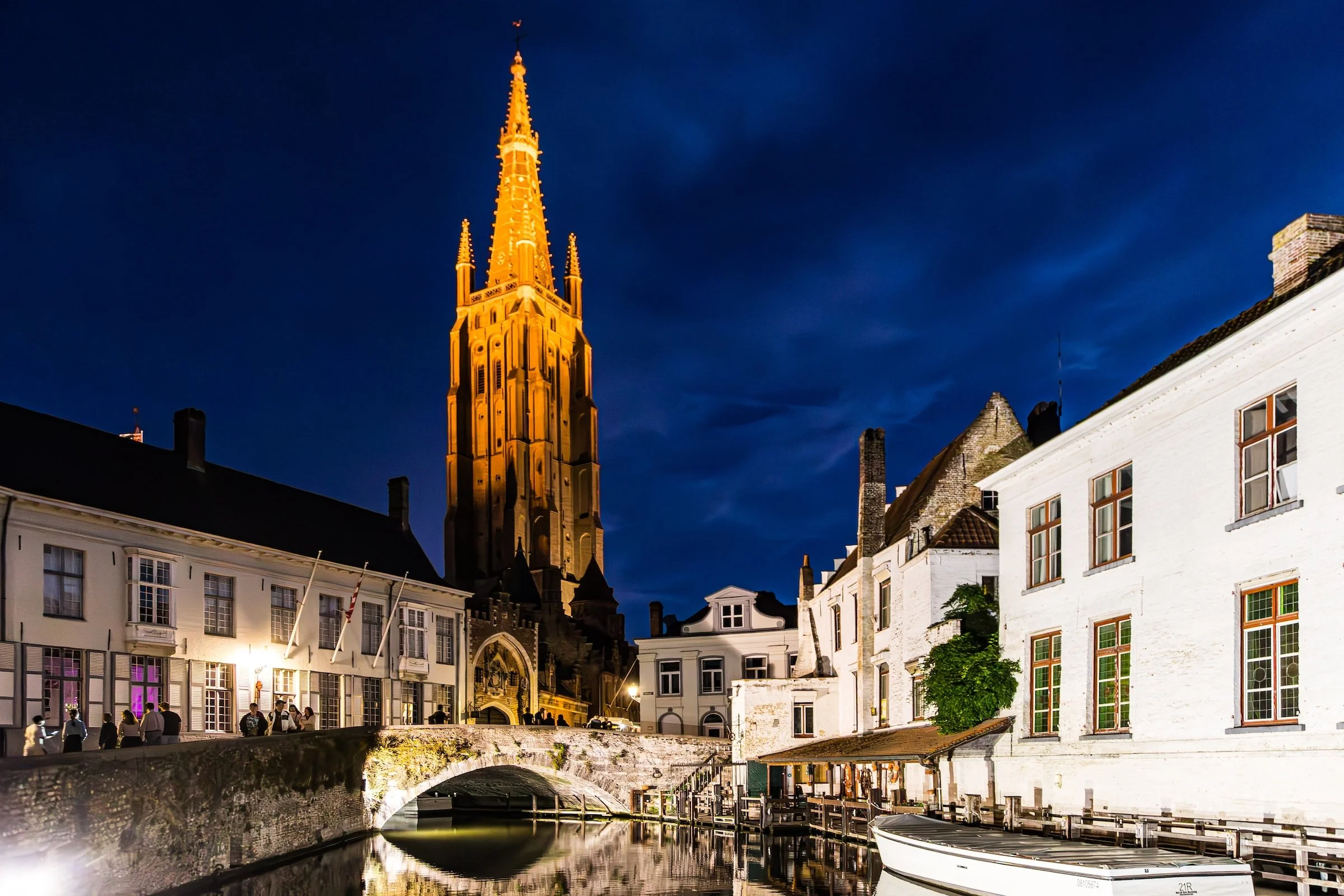
Magdalena Quarter - Brugge - De Dijver At Night
Night light creates scale through contrast: the illuminated tower feels taller because the surrounding structures and waterline hold it in place. Reflections add a second “height,” doubling the monumentality without needing a wider frame.
Explore Further