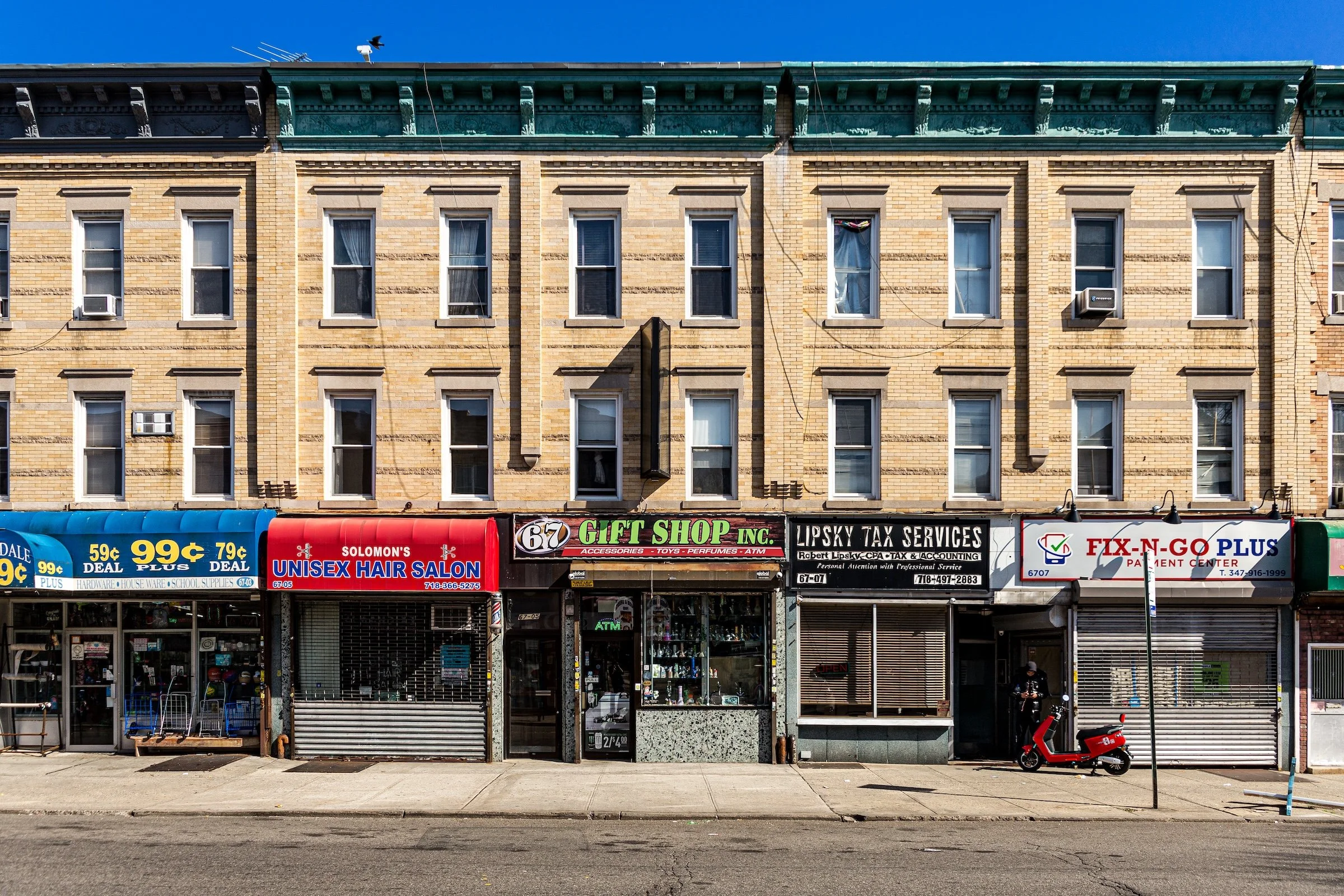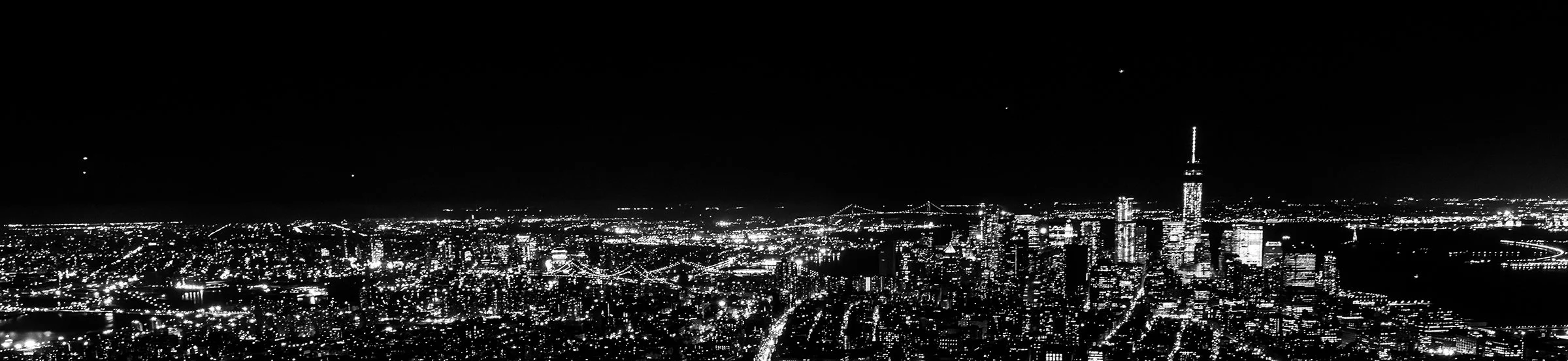

Main Street Portraits
Definition:
Front-facing or near-front-facing photographs of neighborhood commercial strips in which storefronts, signage, cornices, awnings, display windows, and stitched-together façades are presented as composed portraits of local main street life. Main Street Portraits are less about any single shop than about the small-scale commercial architecture of a neighborhood center—its personality, continuity, and the way ordinary businesses give a place its public face.
Usage:
Use Main Street Portraits when the visual interest of a scene comes from the character of a commercial row: the way one storefront meets the next, the way signage carries local history, the way cornices or parapets give dignity to otherwise modest buildings, or the way a corner store, diner, hardware shop, or laundromat becomes part of a neighborhood’s shared identity. These images work especially well when the street is calm enough for the buildings to read clearly, but still alive enough that the corridor feels inhabited rather than abandoned.
Main Street Portraits are one of the clearest ways to show how the outer boroughs—and other neighborhood-based places beyond Manhattan’s center—contain main street after main street, each with its own local logic. A bakery strip in Glendale, a hardware storefront in Forest Hills, a diner sign in Kew Gardens: none of these is monumental on its own, yet together they form the visual language of neighborhood life.
The effect is often quietly powerful. These are portraits not of glamour, but of familiarity: places people pass every day, places they may stop seeing until a photograph restores their shape, texture, and accumulated character.
In Depth:
I coined Main Street Portraits as a way to name a recurring kind of image in my archive: storefront and commercial-strip photographs that were doing more than documenting signs, more than recording architecture, and more than simply capturing “urban texture.” They were presenting neighborhood business corridors as subjects with identity—modest, weathered, patched, dignified, and deeply local.
What makes a strong Main Street Portrait is the balance between description and presence. The buildings should read clearly enough to reveal their materials, shopfronts, cornices, and signage, but the image should also suggest a larger feeling: the persistence of a local business district, the memory of an older main street inside the modern city, the way retail frontage becomes a neighborhood’s public face. These pictures often carry quiet evidence of change—replacement awnings, old-lettered signs, faded painted details, mismatched storefronts, altered upper stories—but that layered quality is part of what makes them so rich.
Main Street Portraits are also wonderfully adaptable. Some are broad and frontal, emphasizing the shared rhythm of a row. Others isolate a single storefront or corner and let that one fragment stand in for the larger strip. Some lean toward affection and continuity; others toward patina, survival, or slight melancholy. But all of them treat the corridor as a place with presence, not just as background.
A few quick ways to spot them in the field:
Look for neighborhood commercial strips where several storefronts or façades work together as a visual unit.
Pay attention to cornices, parapets, awnings, and signage—those are often what give a modest row its personality.
Use quieter traffic moments when possible so the architecture and storefront rhythm can read clearly.
Corners are especially fruitful: they let a main street announce itself with both frontage and context.
Don’t overlook age, wear, or slight awkwardness. Main Street Portraits often gain strength from accumulated change rather than polished perfection.
Below are eleven launch examples that show Main Street Portraits in different forms: full storefront rows, corner businesses, single-shop holdovers, and neighborhood corridors where signage, frontage, and modest commercial architecture create the public face of a local main street. Each image includes a brief note on what the Main Street Portrait is doing in the frame, and why I consider it a strong example of the concept.
Full Row Main Street Portraits:
These are the broadest and most architectural examples: business rows that read as a continuous public frontage rather than as isolated shops.
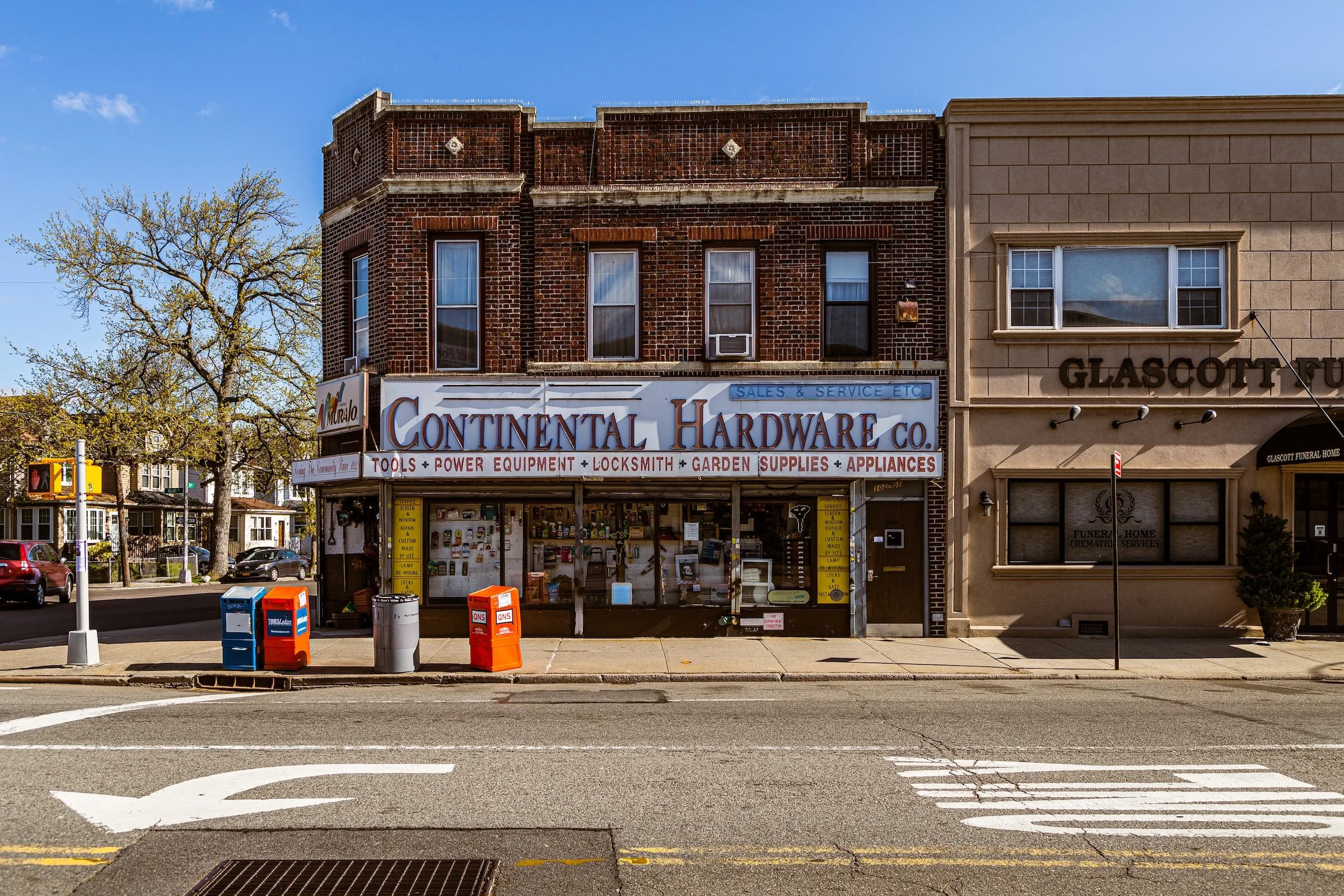
Forest Hills - Queens - Continental Hardware
This image works because the storefront row reads as a complete neighborhood statement: hardware, adjacent retail, upper-story windows, and the broad avenue all combine into a portrait of practical commercial life. It’s a strong Main Street Portrait because the architecture and businesses feel inseparable from one another.
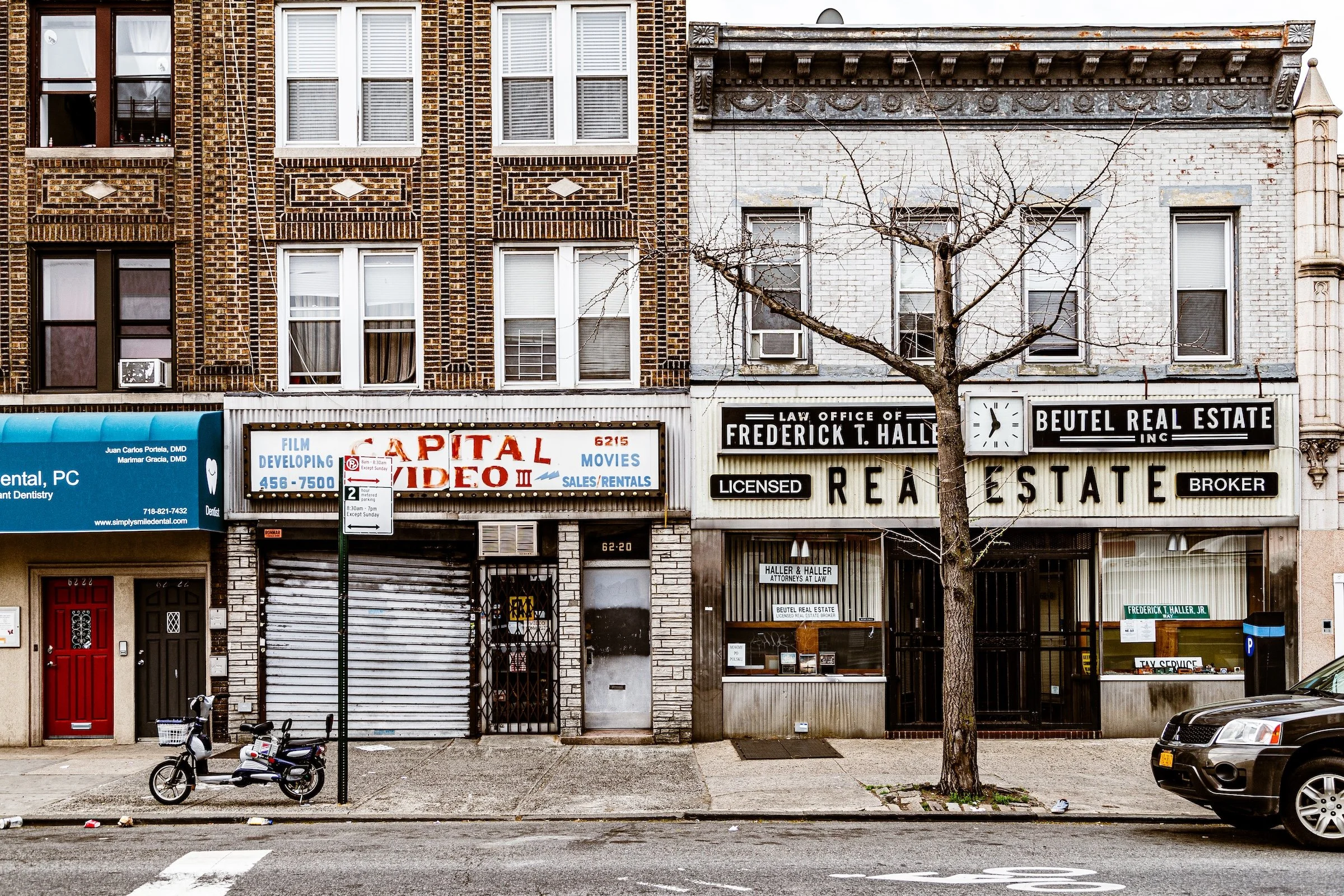
This is a beautiful example of how a single row can hold both continuity and variation. The older commercial façade, the shifting storefront uses, and the steady cornice line all preserve the feel of a local center that has adapted over time without losing its identity.

Forest Hills - Queens - Metropolitan Avenue & Continental Avenue
This image expands the idea of Main Street Portraits into intersectional space. The corner storefronts, avenue width, and surrounding buildings create a broader portrait of the district’s commercial center, where street life and architecture work together to define the place.
Corner Anchors and Street Markers:
These examples show how a corner business or a single element at an intersection can stand in for the identity of the larger corridor around it.
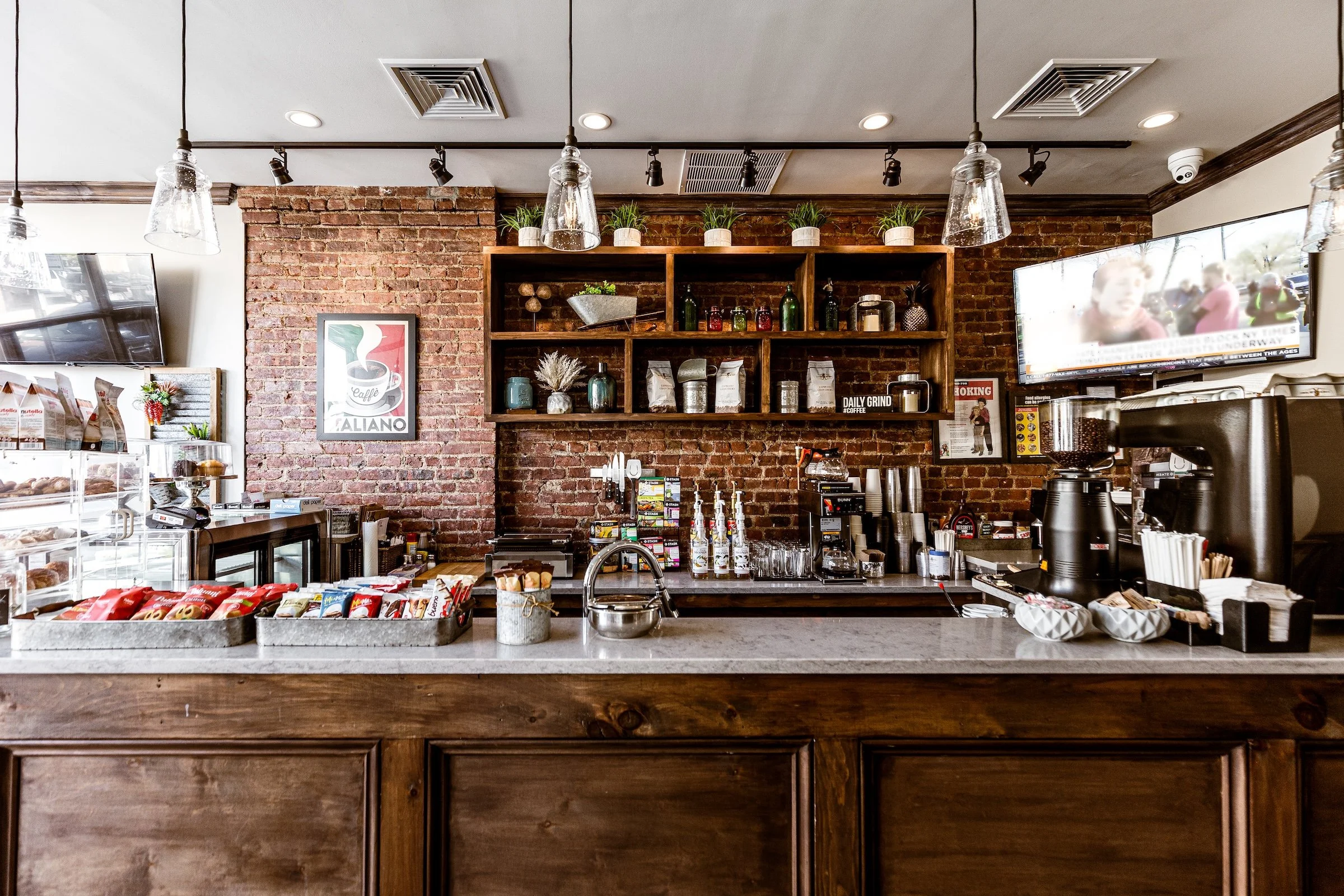
The corner setting is what makes this work so well. The business itself may be modest, but its position at the bend of the street gives it the presence of an anchor, one of those neighborhood establishments that helps a commercial strip feel legible and locally grounded.
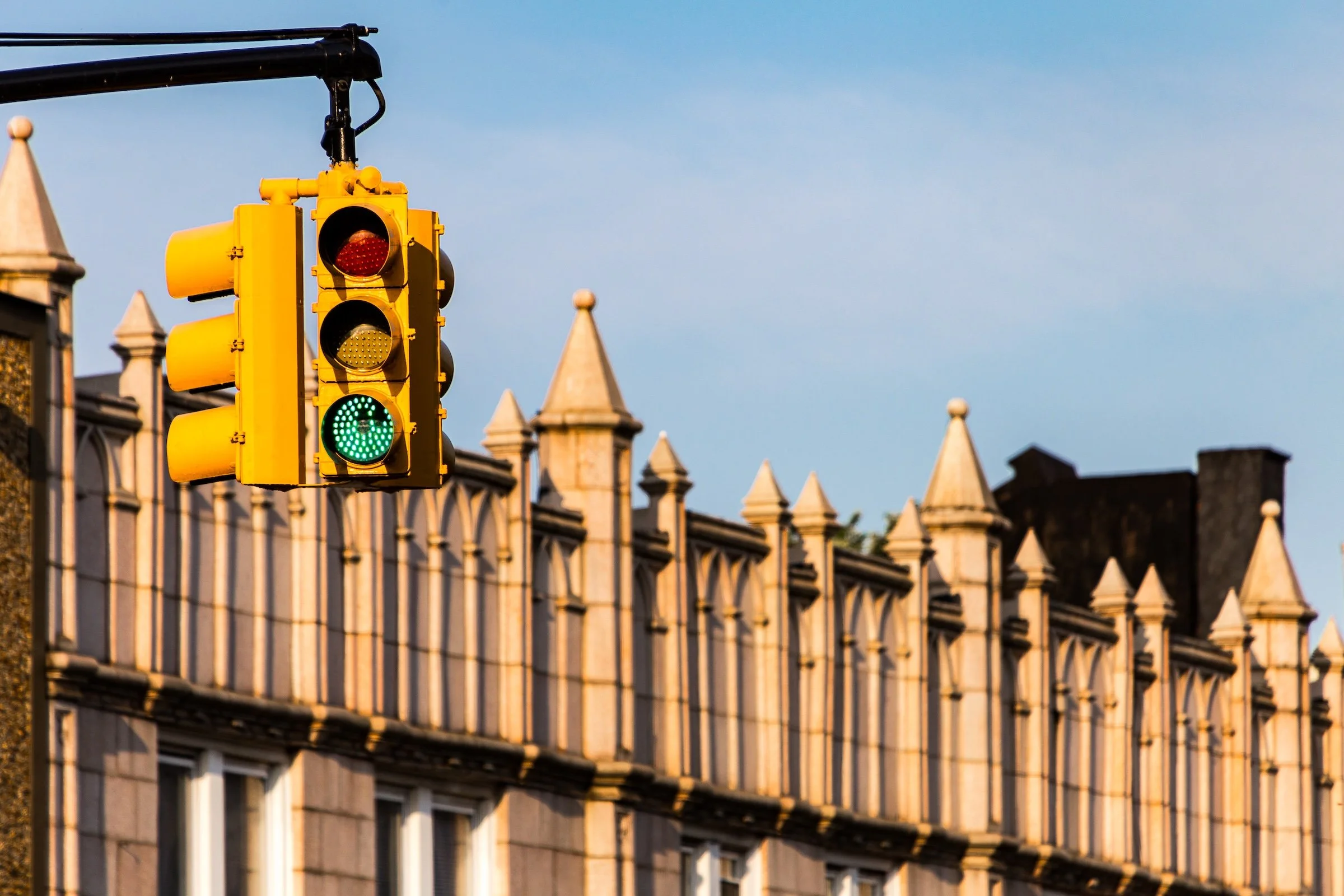
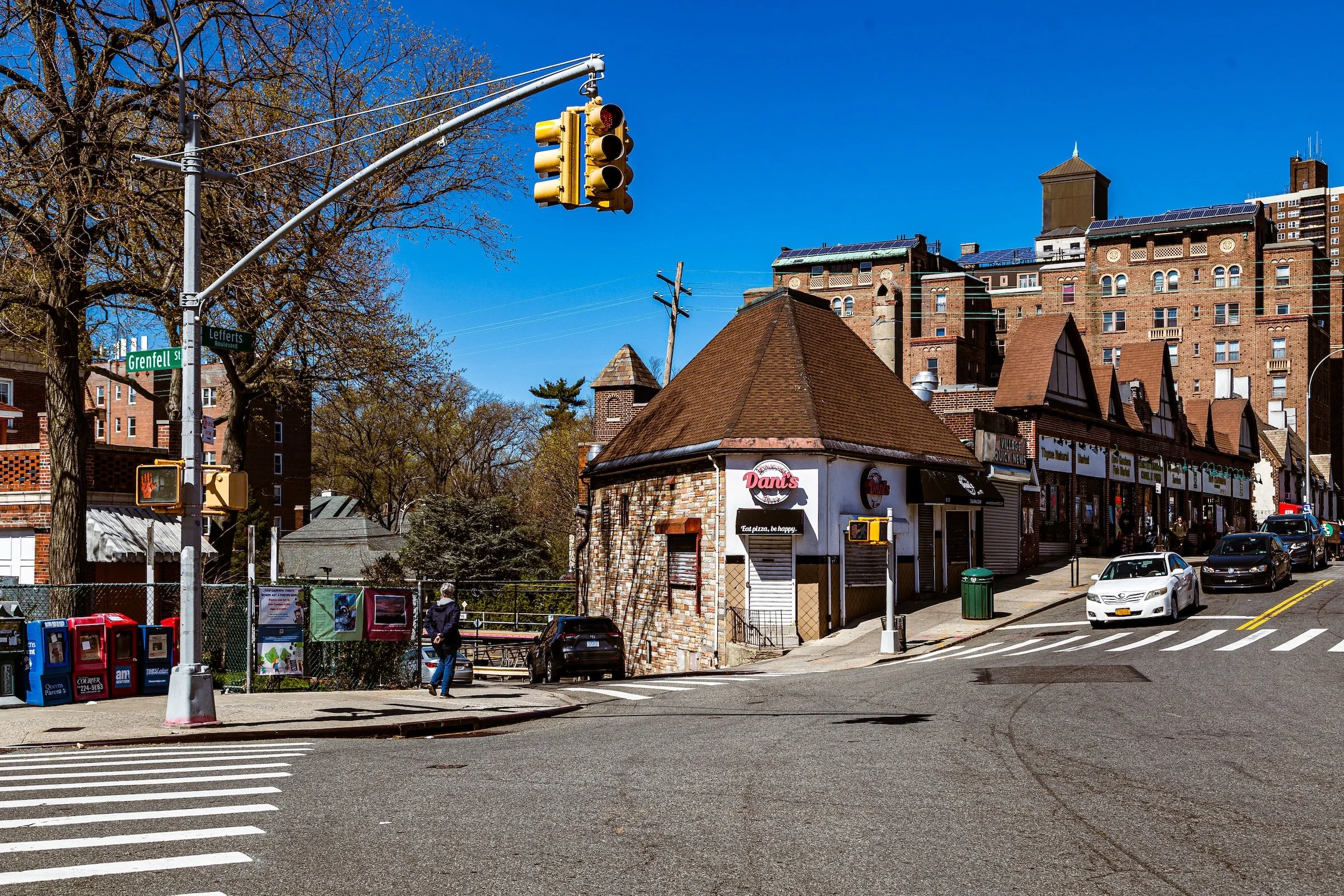
Kew Gardens - Queens - Dani's
This is a strong Main Street Portrait because it captures a storefront that functions as a neighborhood landmark. The architecture, signage, and corner placement give the business a presence larger than itself, allowing one establishment to stand in for the character of the surrounding strip.
Single Storefront Holdovers:
These images narrow the focus, showing how one business frontage can preserve the memory and personality of a whole commercial ecosystem.
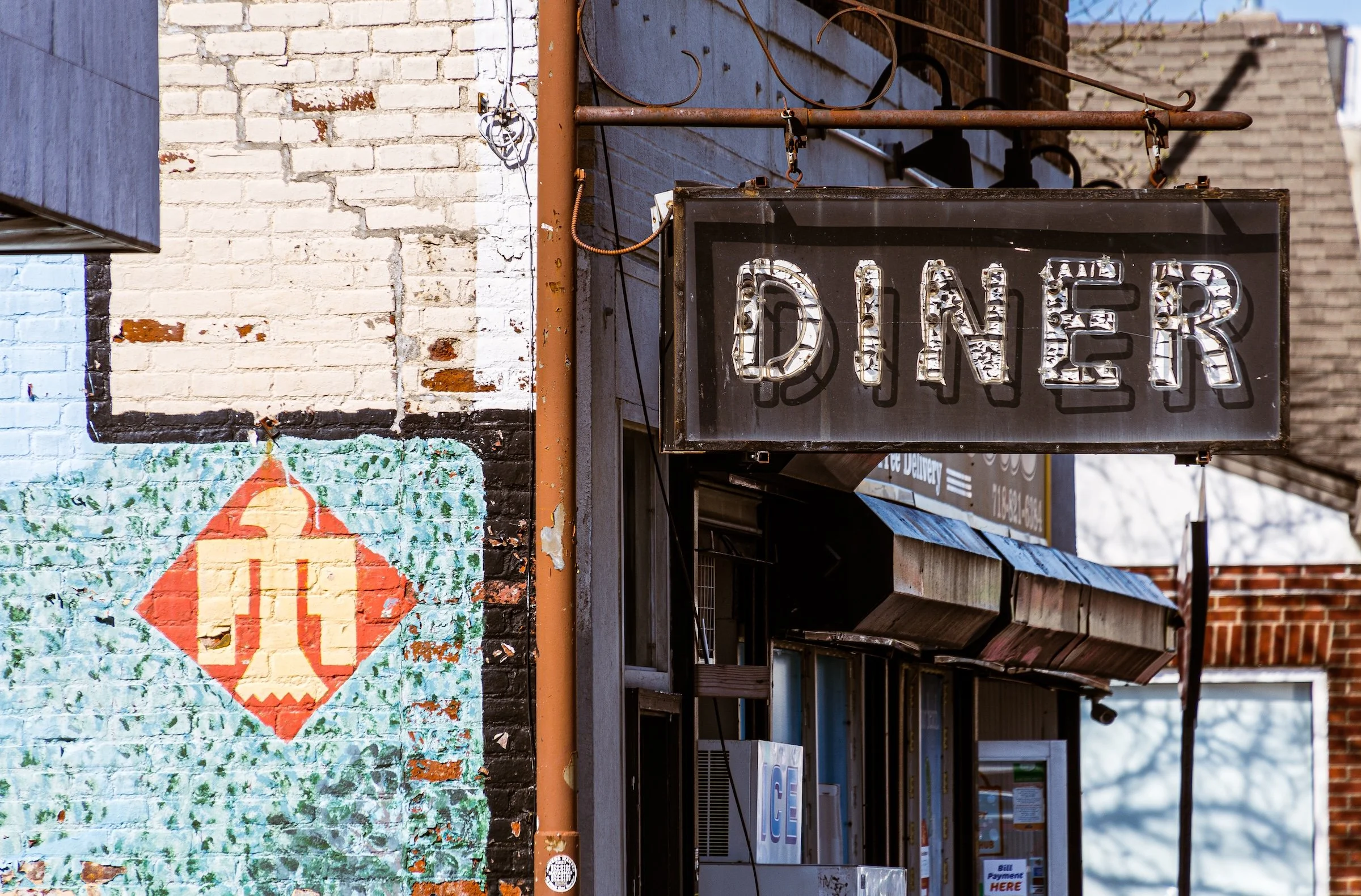
The diner sign and facade carry a strong sense of continuity, making the image feel like a portrait of a neighborhood institution rather than a generic restaurant shot. Main Street Portraits often thrive on exactly this kind of familiar holdover: a place that still gives the street some of its historic flavor.
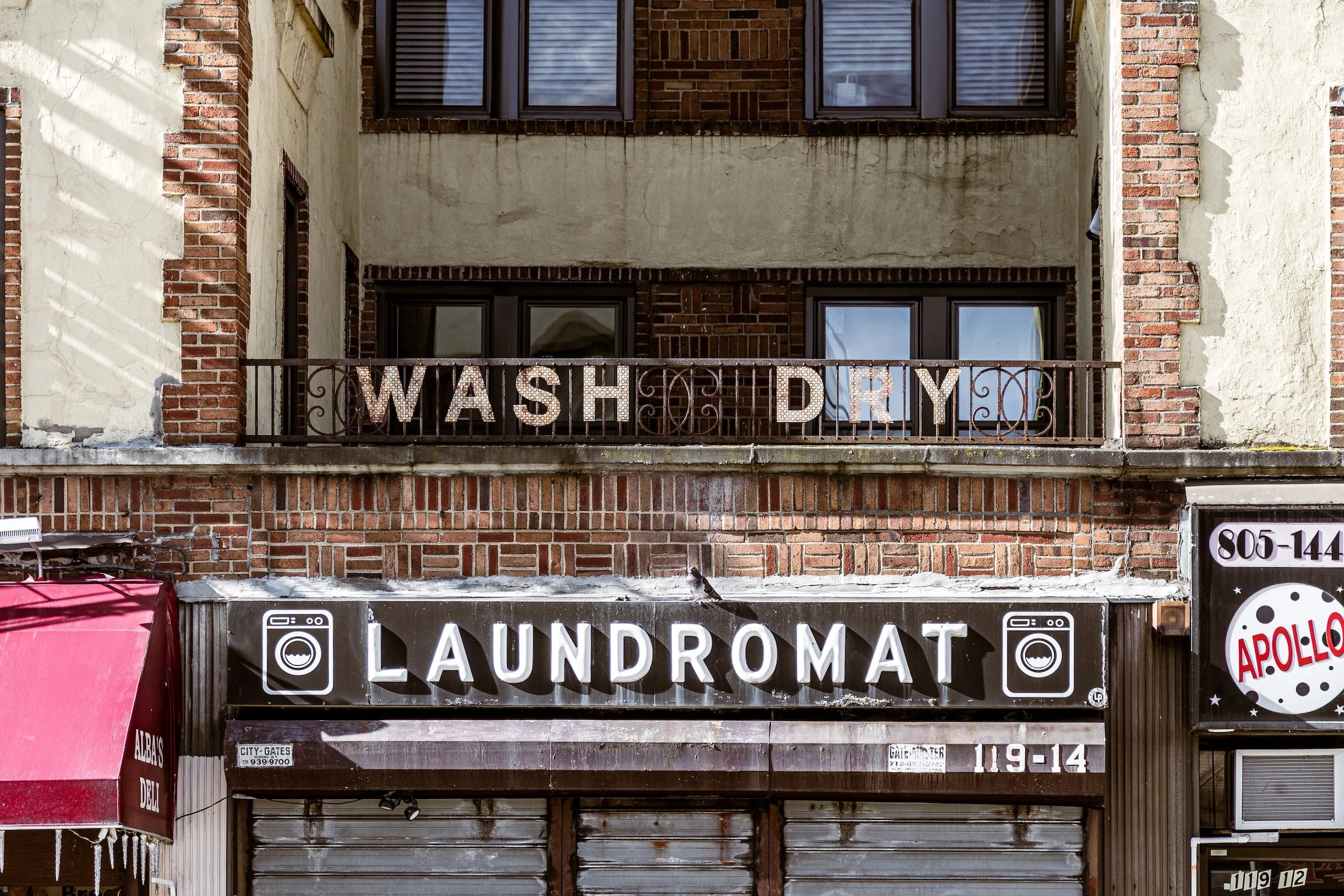
Kew Gardens - Queens - Wash & Dry
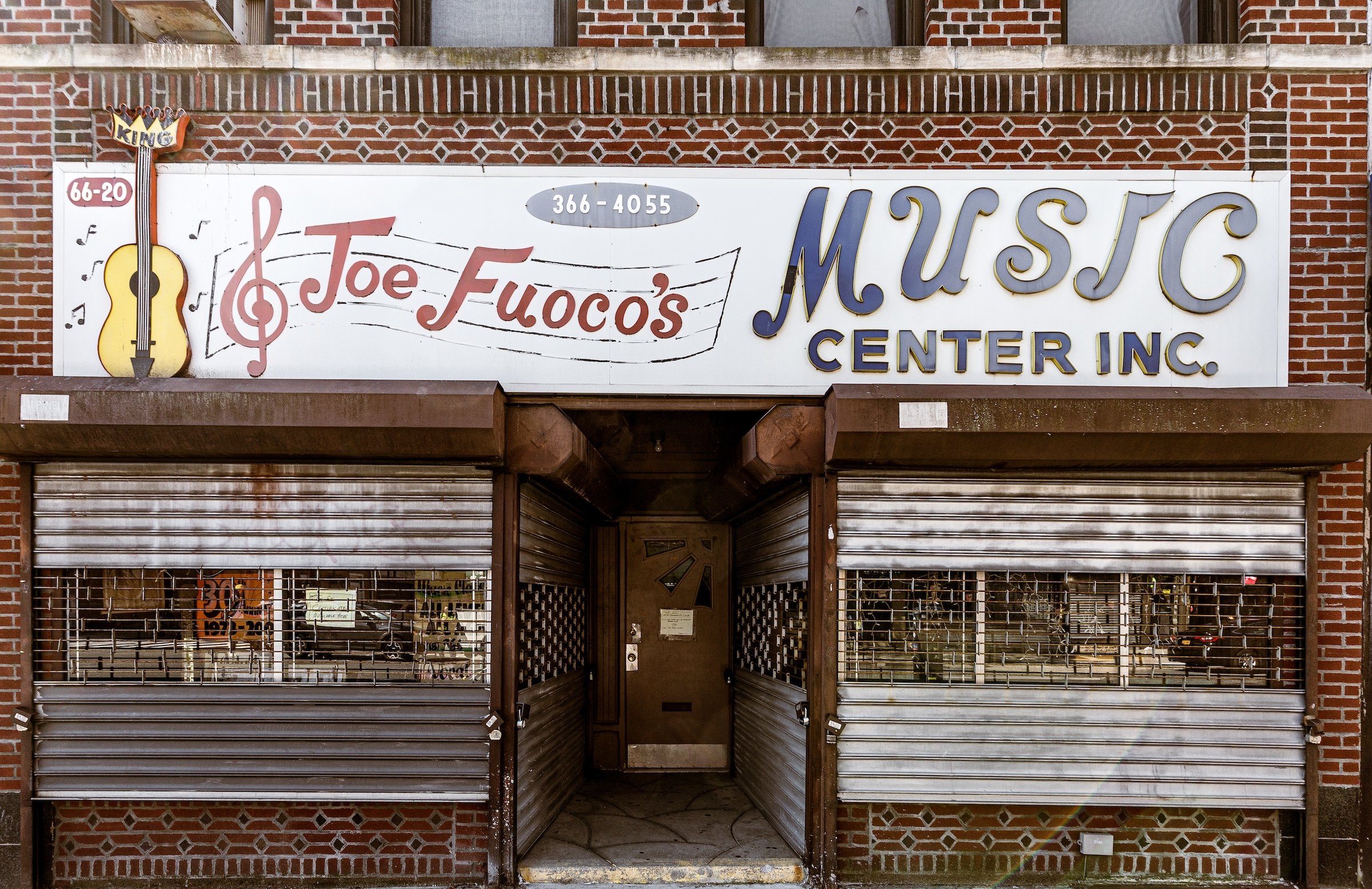
The aging laundromat frontage, signage, and upper-story wear create a portrait of ordinary but deeply recognizable neighborhood infrastructure. These are exactly the kinds of businesses that often go visually unnoticed until a photograph reveals how much of the street’s identity they quietly hold.

Explore Further